Heart Palpitations
Heart palpitations are a feeling of your heart fluttering or pounding, and this is a common experience. These sensations can be concerning, but are heart palpitations normal? You’ll find a comprehensive overview of what heart palpitations are, their underlying causes, the symptoms you should recognize, and effective natural treatments to help manage them.
Key Takeaways:
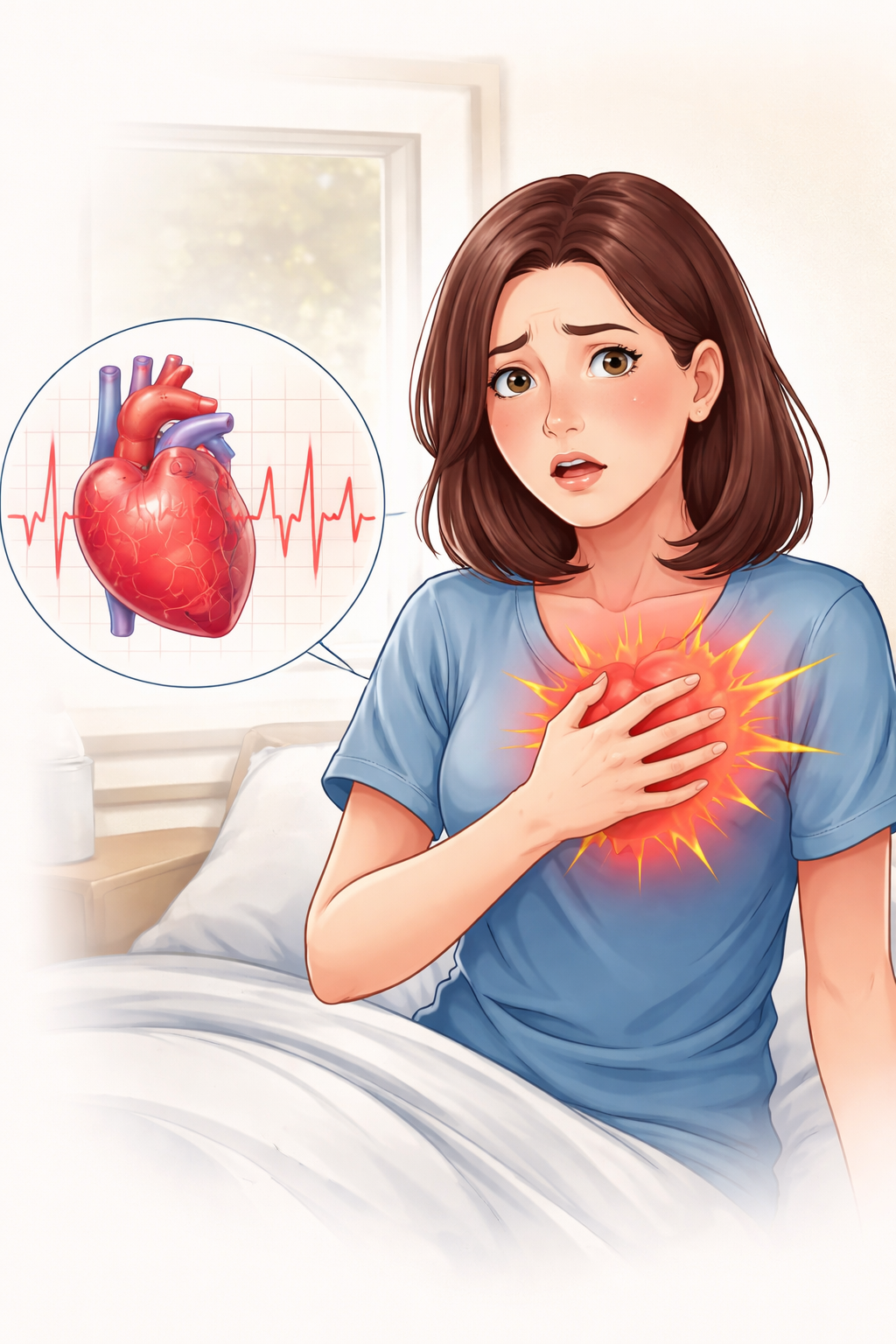
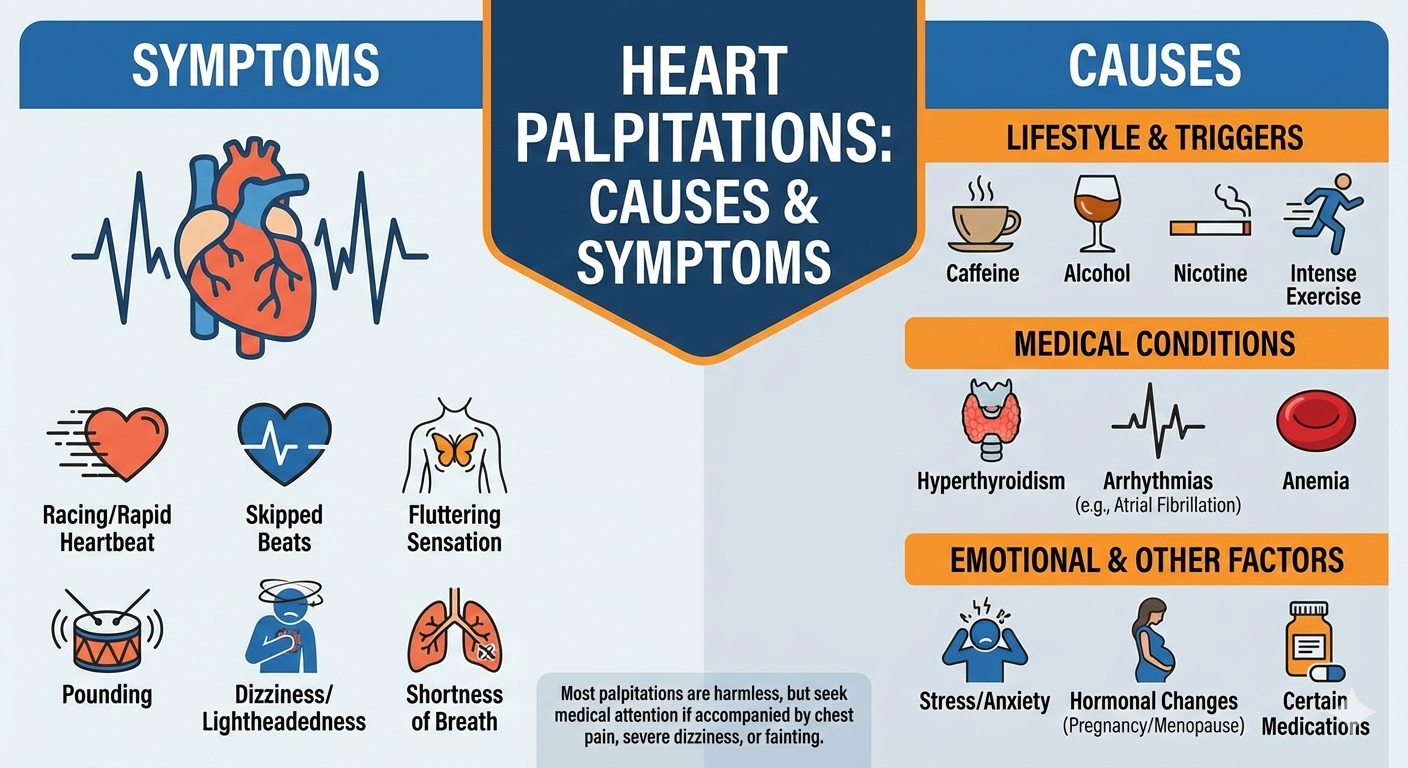
* Heart palpitations describe the sensation of an unusually strong, fast, or irregular heartbeat. Many people experience them as a fluttering, pounding, or skipped beat in their chest or neck.
* Various factors trigger heart palpitations, including emotional states like stress and anxiety, caffeine, alcohol, nicotine, certain medications, and intense physical activity.
* Underlying medical conditions, such as anemia, hyperthyroidism, low blood sugar, and hormonal changes like those experienced postpartum, can also cause palpitations.
* Heart palpitations that last a long time or are severe, especially when they are accompanied by shortness of breath, dizziness, or chest pain, should be checked out by a doctor to make sure there aren’t any serious heart problems.
* Lifestyle adjustments effectively manage many cases of heart palpitations. These include reducing stimulant intake, practicing stress-reduction techniques, staying hydrated, and maintaining a balanced diet.
* Natural approaches like acupuncture and certain herbal remedies may help alleviate symptoms for some individuals, though consulting a healthcare provider before trying new treatments is always advisable.
* Understanding the specific triggers for your heart palpitations helps in developing a personalized management plan and determines when to seek professional medical advice.
Recognizing Symptoms and Heart Palpitations
You might wonder what heart palpitations actually feel like when they occur. Many individuals describe the sensation as their heart “skipping a beat,” “fluttering,” or “pounding” in their chest. Some feel a rapid, thumping sensation, almost as if their heart is racing uncontrollably. These feelings can be quite unsettling, making you acutely aware of your heartbeat in a way you normally are not.
Recognizing the various heart palpitations symptoms is key to understanding your body’s signals. You may experience a sudden awareness of your heart beating too fast, too slow, or irregularly. Other common symptoms include a feeling of lightheadedness, dizziness, or even a brief moment of confusion. These sensations can range from mild and fleeting to more intense and persistent, sometimes even lasting all day.
Your body’s response to these irregular heart rhythms can extend beyond just chest sensations. Some individuals report a feeling of anxiety or panic accompanying their palpitations. A persistent sensation of heart palpitations all day, even if not immediately alarming, warrants attention to understand the underlying cause and determine if any intervention is necessary.
Identifying common chest sensations and irregular rhythms
Many individuals report a distinct feeling of their heart “pounding” or “thumping” forcefully within their chest. This sensation can be localized or feel more generalized across the chest area. The intensity of this pounding can vary significantly from person to person and even from one episode to another.
You might also notice a sensation of your heart “skipping a beat” or adding an extra beat. These irregular rhythms can feel like a brief pause in your heartbeat followed by a stronger beat. Such irregularities are often described as a “fluttering” or “quivering” feeling in the chest.
Sometimes, the irregular rhythm manifests as a rapid, uncontrolled “racing” of the heart. This can be particularly startling and may be accompanied by a feeling of unease. Identifying these specific sensations helps you describe your experience accurately to a healthcare professional.
Understanding the link between heart palpitations and respiratory distress
You may find that heart palpitations and shortness of breath often occur together, creating a more distressing experience. This condition can arise because your heart’s irregular rhythm affects its efficiency in pumping blood. When the heart isn’t working optimally, your body may struggle to get enough oxygen, leading to a feeling of breathlessness.
Experiencing heart palpitations alongside shortness of breath can be particularly alarming, prompting immediate concern. The feeling of not being able to catch your breath, combined with a racing or irregular heartbeat, can significantly increase anxiety levels. This combination of symptoms suggests a need for prompt medical evaluation to rule out more serious underlying conditions.
A persistent feeling of heart palpitations all day, especially when accompanied by difficulty breathing, should never be ignored. Your body is clearly signaling that something is wrong. Seeking professional medical advice will help determine the cause and appropriate course of action.
The interplay between heart palpitations and respiratory distress is a critical aspect to monitor. Your heart’s ability to circulate oxygenated blood effectively throughout your body can become compromised when it struggles to maintain a regular rhythm. This reduced efficiency directly impacts your respiratory system, as your lungs work harder to compensate for the perceived lack of oxygen. The resulting shortness of breath can range from mild discomfort to a more severe sensation of gasping for air, intensifying the overall feeling of distress during a palpitation episode.
Primary Causes of Heart Palpitations: Diet, Stress, and Lifestyle Triggers
The role of stress and anxiety in heart rhythm disruptions
You might notice a fluttering or pounding sensation in your chest when under pressure. Stress and heart palpitations are deeply interconnected, as your body’s fight-or-flight response releases hormones like adrenaline that directly impact your heart rate and rhythm. This physiological reaction can make you acutely aware of your heartbeat, leading to feelings of anxiety that, in turn, can exacerbate the palpitations, creating a cyclical pattern. Even minor anxieties can trigger these sensations, demonstrating the delicate balance between your mental and physical states. Understanding this link allows you to address the root causes of your stress, rather than simply focusing on the physical symptom. Recognizing that your emotional state plays a significant role in your heart’s rhythm is the first step toward managing these occurrences effectively. Managing your stress levels through various techniques can significantly reduce the frequency and intensity of heart palpitations. Techniques such as mindfulness, deep breathing exercises, and regular physical activity can help regulate your nervous system. By consciously working to calm your mind, you can often bring your heart rate back into a more regular rhythm, providing relief from those unsettling sensations.
Dietary impacts, including sugar intake and post-meal reactions
What you consume daily can profoundly influence your heart’s rhythm. Heart palpitations after eating are a common complaint, often linked to the digestive process itself or specific food sensitivities. Your body expends significant energy to break down food, and certain meals, especially large or heavy ones, can temporarily increase your heart rate and make you more aware of its beat. You might experience heart palpitations after eating sugar, as a sudden spike in blood glucose can trigger a rapid release of insulin and other hormones. This hormonal surge can lead to a quickened heartbeat or an irregular rhythm, a common reaction to sugary drinks, desserts, or highly processed carbohydrates. Monitoring your sugar intake is often a direct way to mitigate these post-meal occurrences. Your diet’s overall composition plays a crucial role in preventing these episodes. Foods high in caffeine, certain artificial sweeteners, or even very spicy dishes can act as stimulants, potentially leading to heart palpitations. Paying close attention to how your body reacts to different foods can help you identify and avoid specific triggers, leading to a more stable heart rhythm. You should also consider that while CBD heart palpitations are not a universally recognized side effect, some individuals report experiencing them. This suggests that while CBD is generally considered safe, individual sensitivities and dosages can vary, making it important to consult a healthcare professional if you are using it and experiencing heart palpitations.
Timing and Life Stages: Nocturnal and Postpartum Palpitations
Experiencing heart palpitations at night can be particularly unsettling, disrupting your sleep and causing anxiety. When you’re lying down, you might become more acutely aware of your heartbeat, making even minor irregularities seem more pronounced. This heightened awareness can sometimes lead to a cycle where the anxiety about palpitations actually triggers more episodes, creating a challenging situation to manage. Another significant period for experiencing heart palpitations is during the postpartum phase, a time when your body undergoes immense physiological changes. Postpartum heart palpitations are a relatively common occurrence as your cardiovascular system adjusts back to its pre-pregnancy state. The hormonal shifts, fluid redistribution, and the general stress of new parenthood can all contribute to these sensations. Understanding these specific contexts, whether it’s the quiet of the night or the demanding postpartum period, is key to addressing your concerns effectively. Recognizing that these are common times for such experiences can help normalize them, allowing you to seek appropriate guidance and support without undue alarm.
Managing heart rhythm concerns during sleep
Addressing heart palpitations at night often begins with creating an optimal sleep environment and routine. You can try to minimize stimulants like caffeine and alcohol, especially in the hours leading up to bedtime, as these can trigger or worsen nocturnal palpitations. Focusing on relaxation techniques before sleep, such as deep breathing or gentle stretching, may also help calm your nervous system. Your sleep position might also play a role in how you perceive palpitations. Some individuals report feeling their heart more intensely when lying on their left side, possibly due to the heart being closer to the chest wall in that position. Experimenting with different sleeping positions could offer some relief and decrease your awareness of your heartbeat. Maintaining consistent sleep-wake times, even on weekends, helps regulate your body’s internal clock and can contribute to overall cardiovascular stability. Irregular sleep patterns can stress your system, potentially making you more susceptible to heart rhythm disturbances during the night.
Addressing cardiovascular changes following pregnancy
Navigating the postpartum period brings a unique set of cardiovascular adjustments that can manifest as heart palpitations. Your blood volume, which significantly increased during pregnancy, begins to return to normal levels, and this shift can sometimes cause your heart to work harder or beat differently. Hormonal fluctuations, particularly changes in estrogen and progesterone, also play a substantial role in influencing heart rhythm. The physical demands of caring for a newborn, coupled with sleep deprivation and potential stress, can further contribute to the sensation of postpartum heart palpitations. You may find yourself more fatigued than usual, and this exhaustion can sometimes make your body more sensitive to internal changes, including your heart rate. Recognizing these factors as normal components of the postpartum recovery process is important for your peace of mind. Seeking medical advice is always recommended if your postpartum heart palpitations are frequent, severe, or accompanied by other concerning symptoms like dizziness or shortness of breath. A healthcare provider can rule out any underlying conditions and offer tailored strategies to manage your symptoms effectively, ensuring your continued well-being during this transformative time. The cardiovascular system undergoes profound changes during pregnancy, including an increase in blood volume by 30–50% and a higher cardiac output. Following childbirth, this system needs to adapt back to its non-pregnant state, a process that can take several weeks or even months. During this readjustment, women commonly experience palpitations as their heart rate and stroke volume return to baseline. Factors such as anemia, thyroid dysfunction, and anxiety, which are common in the postpartum period, can also exacerbate these symptoms, making a comprehensive evaluation by a medical professional crucial for proper diagnosis and management.
Clinical Evaluation: When to Seek Medical Consultation for Heart Palpitations
You might wonder when your heart palpitations warrant a doctor’s visit. While many instances are harmless, certain accompanying symptoms signal a need for professional evaluation. Always prioritize your health and seek medical advice if you experience palpitations alongside chest pain, dizziness, shortness of breath, or fainting spells. These combinations could indicate a more serious underlying cardiac issue that requires immediate attention and diagnosis.
Your doctor will likely perform a physical examination and take a detailed medical history to understand your symptoms better. They might ask about the frequency, duration, and triggers of your palpitations, as well as any other health conditions you may have. Providing accurate and thorough information will significantly help your doctor in making an informed assessment and determining the appropriate course of action for your unique situation.
Further diagnostic tests, such as an electrocardiogram (ECG), Holter monitor, or echocardiogram, could be recommended to investigate the cause of your palpitations. These tests help visualize your heart’s electrical activity and structure, allowing your doctor to identify any abnormalities. Early detection and intervention are key to managing potential heart conditions effectively and preventing complications down the road.
Differentiating between benign and serious cardiac events
Distinguishing between harmless palpitations and those indicative of a serious cardiac event is crucial for your peace of mind and health. Benign palpitations often resemble a skipped beat or a brief flutter and usually subside without any intervention. These are often triggered by stress, caffeine, or dehydration and are not usually associated with other concerning symptoms.
On the other hand, palpitations that are more severe and last longer are a sign of serious cardiac events. You might experience a racing heart that lasts for several minutes or an irregular beat that feels persistently off-rhythm. These types of palpitations warrant closer investigation, especially if they are new or worsening in frequency or intensity.
You should pay close attention to the context in which your palpitations occur. If they consistently happen during periods of rest or awaken you from sleep, this could be a sign of an underlying issue that requires medical attention. Any sudden change in the nature of your palpitations should prompt a discussion with your healthcare provider to ensure your heart is functioning optimally.
Identifying red flag symptoms that require professional intervention
You should be aware of specific “red flag” symptoms that strongly indicate the need for immediate medical attention. When these symptoms coexist with palpitations, they indicate a potentially serious cardiac condition that demands immediate attention. Recognizing these warning signs can be life-saving and lead to timely intervention.
One critical red flag is experiencing chest pain or discomfort with your palpitations. This pain might manifest as pressure, tightness, or a squeezing sensation in your chest and could radiate to your arm, neck, or jaw. Such a combination of symptoms could point to conditions like angina or a heart attack, requiring emergency evaluation to prevent further damage.
Another serious symptom to watch for is dizziness or lightheadedness, particularly if it leads to fainting or near-fainting spells. This could indicate that your heart is not pumping enough blood to your brain, potentially due to an arrhythmia or other structural heart problem. Shortness of breath, especially when not exerting yourself, is also a significant red flag that necessitates prompt medical consultation.
If you experience any of these red flag symptoms—chest pain, dizziness, fainting, or shortness of breath—concurrently with your heart palpitations, do not delay seeking medical help. These symptoms collectively increase the likelihood of a serious cardiac event and require immediate professional intervention to diagnose and treat the underlying cause effectively.
Natural and Holistic Treatment Modalities for Heart Palpitations
Exploring traditional acupuncture and homeopathic remedies for heart palpitations
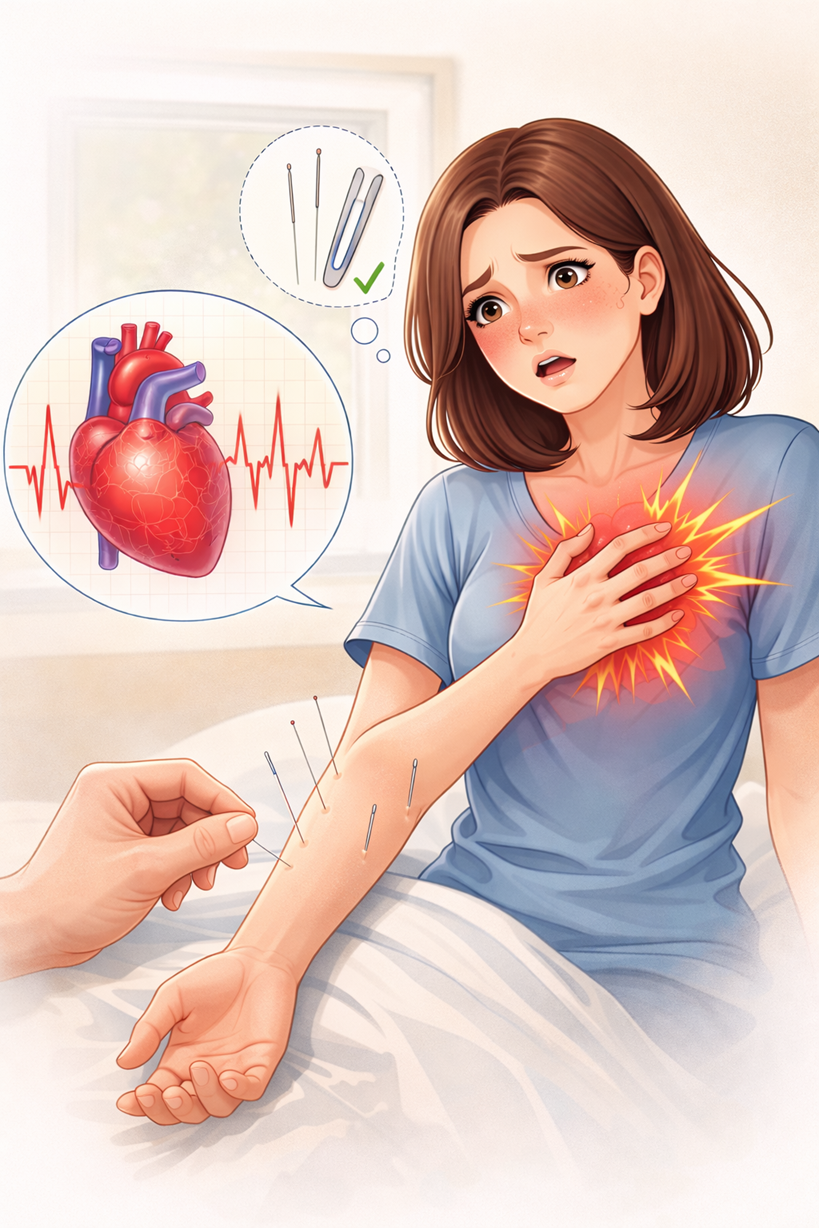
Acupuncture offers a promising avenue for naturally stopping heart palpitations by addressing underlying imbalances in your body’s energy flow. This ancient practice involves inserting fine needles into specific points, aiming to restore harmony and reduce the frequency and intensity of palpitations. Many individuals report significant relief and a calmer heart rhythm after a series of acupuncture sessions, making it a valuable natural treatment for heart palpitations. Homeopathic treatment for heart palpitations provides another gentle yet effective approach, focusing on individualized remedies tailored to your unique symptoms and constitution. A trained homeopath will carefully assess your specific presentation of palpitations, considering factors like triggers, sensations, and accompanying symptoms. This personalized approach aims to stimulate your body’s innate healing mechanisms, offering a natural and sustainable path to relief. You can often combine these traditional modalities with other natural treatments to create a comprehensive plan. For example, while acupuncture works on energetic pathways, homeopathic remedies target specific symptom patterns, offering a multi-faceted approach to managing your palpitations. Consulting with qualified practitioners in both fields can help you determine the most suitable and effective natural treatment strategy for your individual needs.
Hypnotherapy for Heart Palpitations Treatment
- Mechanism of Action: Hypnosis affects heart rate variability (HRV) by shifting the balance toward enhanced parasympathetic (relaxation) activity.
- Anxiety Reduction: It addresses the mental and physical aspects of anxiety-related palpitations through guided, focused attention.
- Applications: Techniques such as guided imagery, self-hypnosis, and “Hand on Heart” (placing a hand over the heart to calm it) can help reduce the frequency and intensity of palpitations.
- Safety and Effectiveness: When performed by competent professionals, it is safe, though it should not replace necessary pharmacological therapies but rather be used as an adjunct.
- Other Benefits: Hypnosis can also help manage associated high blood pressure (hypertension).
Acupuncture for Heart Palpitations
-
- PC6 (Neiguan—Inner Pass): Located 2 thumb-widths above the wrist crease, between the tendons. It is a crucial point for treating arrhythmias, cardiovascular disorders, and anxiety.
- HT7 (Shenmen – Spirit Gate): Situated at the wrist crease, on the radial side of the ulnar tendon. This point is used to calm the mind and address heart palpitations.
- CV17 (Danzhong—Chest Center): Located on the midline of the chest, between the nipples. It helps regulate Qi flow and reduce stress.
- HT1 (Ji Quan – Extreme Spring): Located in the center of the armpit. It serves as a remedy for heart pain, palpitations, and anxiety.
- GV20 (Baihui—Hundred Convergences): Located on the top of the head. It serves the purpose of calming the mind and regulating the nervous system.
Mechanism and Benefits
- Heart Rate Regulation: Stimulation of these points has been shown to regulate heart rate variability (HRV) and improve, or even prevent, conditions like atrial fibrillation.
- Stress Reduction: Points like PC6 and HT7 help calm the autonomic nervous system.
- Complementary Therapy: Acupuncture is often used alongside conventional, evidence-based medical treatments to improve outcomes for tachycardia and other rhythm disorders.
Homeopathic Treatment for Heart Palpitations
-
- Aconitum napellus: Used for palpitations arising from sudden panic, fear, or anxiety, often accompanied by a feeling of restlessness.
- Arsenic album: Indicated for palpitations with extreme anxiety, restlessness, and a fear of death, often occurring around midnight.
- Digitalis purpurea: Recommended when the slightest movement causes violent, irregular palpitations, often accompanied by a slow or weak pulse.
- Cactus grandiflora: indicated for a feeling of tightness or constriction in the chest, as if an iron band is around the heart, with a fast or irregular pulse.
- Gelsemium: Used for palpitations, trembling, and dizziness caused by apprehension, fear, or stage fright.
- Ignatia amara: Recommended for palpitations caused by emotional distress, grief, or hysteria.
- Spigelia: Indicated for violent palpitations, especially when accompanied by pain extending to the left arm.
- Crataegus oxyacantha: Used as a heart tonic to strengthen the heart muscle when there is weakness, shortness of breath, and rapid, irregular beats.
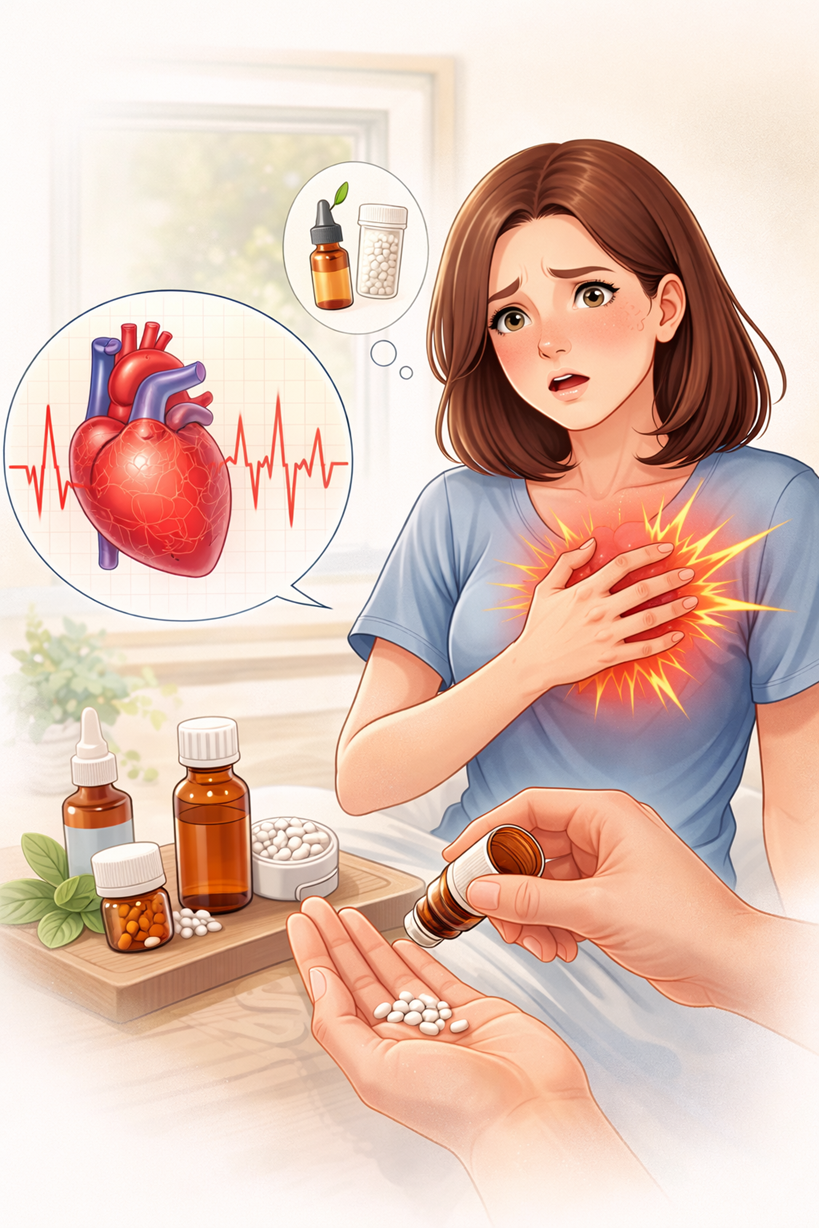
Causes and Associated Remedies
- Anxiety/Panic: Aconite, Arsenic album, Argentum nitricum.
- Physical Exertion: Digitalis, Iberis, Spigelia.
- Menopause: Amylenum nitrosum, Lachesis, Glonoinum.
- Thyroid Issues: Iodum, Spongia.
- Stimulants (Coffee/Tobacco): Nux vomica, Tabacum, and Convallaria.
- Acidity/Gastric Issues: Lycopodium, Abies Can.
The Best Homeopathic Remedies for Heart Palpitations
1. For Heart Palpitations Caused by Emotional Stress
Numerous emotional reasons might trigger palpitations. Depending on an individual’s emotional aspect, homeopathy offers a range of natural medications that are beneficial in treating palpitations related to emotions.
- Anger-related palpitations: Staphysagria is the finest natural remedy for anger-related palpitations. This treatment works wonders for sudden angry outbursts that cause palpitations.
- Fear-related palpitations: The greatest natural remedies for fear-related palpitations are aconite and opium. The best treatment for palpitations brought on by unexpected fear is aconite. Worry, restlessness, and an increased desire for cold water may accompany palpitations. Opium is the most effective remedy when fear of a long-ago extraordinary event triggers palpitations.
- Grief-related palpitations: Ignatia is the best treatment for grief-related palpitations. In these situations, Ignatia produces outstanding outcomes.
- Joy-induced palpitations: The best natural remedy for palpitations triggered by an unexpectedly happy experience is coffee. Palpitations brought on by unexpectedly positive surprises are also covered.
- Anxiety-related palpitations: The two best natural remedies for anxiety-related palpitations are aconite and arsenic album. Palpitations and severe anxiety are the warning signs when using these medications. A noticeable restlessness and anxiety about dying are present. Aconite is regarded as the best medicine for palpitations when there is an increased thirst for water and a desire for outdoor activities in addition to the other symptoms.
2. For Palpitations Caused by Stimulant Intake
- Beer consumption: Sumbul is a natural home remedy that can be quite beneficial in treating palpitations brought on by beer consumption. Palpitations and pain in the left arm and chest may also be present.
- From coffee consumption: Nux Vomica is the best treatment for palpitations brought on by coffee use.
- From excessive tea drinking: Thea Cinensis is a fantastic natural remedy that can help reduce palpitations brought on by excessive tea consumption. The person experiences chest oppression in addition to palpitations.
- From tobacco abuse: Convallaria, Kalmia, and Tabacum are the finest natural remedies for palpitations brought on by tobacco consumption. When someone complains that their heart feels like it’s racing all over their chest, convallaria is the best treatment. Even a small amount of exertion exacerbates the palpitations. Moreover, the pulse is really quick. When a sluggish pulse and palpitations are present, Kalmia is the best option. Your palpitations worsen when you stoop forward. People who require the Tabacum treatment frequently have an undetectable, extremely faint pulse. The pulse may also display intermittency.
3. For palpitations brought on by slight motion and after physical exertion
Iberis, Digitalis, and Spigelia are the greatest natural remedies for palpitations brought on by physical activity and minor motion. Iberis can be taken in any situation where palpitations occur with even the smallest effort. Vertigo can also occur in addition to palpitations. The best treatment for palpitations caused by even the smallest movement is digitalis. The patient typically believes that the heart is better at rest and will cease beating if they move. Spigelia is the best treatment if there is arm discomfort and heart pain that is accompanied by strong palpitations that are triggered by even the slightest movement.
4. Natural Remedies for Anemia-Related Palpitations
Ferrum Metallicum and Natrum Muriaticum are two natural remedies that are very beneficial for treating anemia-related palpitations. Ferrum Metallicum is the best option for anemia-related palpitations that worsen with movement. The face appears quite pallid. The pulse usually feels feeble and very soft. When anemia-related palpitations are accompanied by a restricted chest feeling, natrum mur is the most effective treatment. The pulse rate stays elevated and is frequently observed to be sporadic. People who need Natrum Mur may have a need for salt.
5. For palpitations brought on by excessive use of allopathic drugs
Nux Vomica and Opium are two natural therapies that are highly helpful when palpitations occur as a result of using too many allopathic medications. Both of these medications work well and counteract the negative consequences of abusing or overusing allopathic medications. After obtaining the patient’s medical history, the most appropriate medication is administered.
6. For Menopausal Palpitations
Menopausal palpitations can be effectively treated with natural remedies such as lachesis, nitrosum, and amyelosum. The symptoms of taking Amylenum Nitrosum include palpitations that worsen with even a small amount of enthusiasm. One concomitant symptom is a constricted sensation in the heart area. Other symptoms include severe anxiety and hot flashes. Glonoine is a highly helpful treatment for palpitations that cause breathing difficulties and worsen with exertion. All over the body, palpitations are felt. When palpitations and fainting episodes develop during menopause, lachesis is the greatest natural remedy. The women who require Lachesis dislike wearing tight attire.
Iodum and Spongia are the two top natural medicines for Palpitations in a hyperthyroid patient. For hyperthyroid patients whose palpitations worsen at the slightest exercise, iodum is the most effective treatment. The chest feels crushed and tight. However, when a hyperthyroid patient complains of palpitations when lying down, Spongia is the ideal medication. The patient feels better when they walk.
8. For palpitations accompanied by symptoms of dyspepsia (acidity)
Lycopodium and Abies Canadensis are two extremely good natural treatments for palpitations brought on by symptoms of stomach acid. Abies Can is best used when overeating is followed by palpitations, a bloated tummy, and a burning stomach. The best treatment for palpitations caused by an excess of gas in the belly is lycopodium. The gas is difficult to pass and continues to impede palpitations.
9. For Arrhythmia-Related Palpitations
An irregular or aberrant heartbeat is referred to as an arrhythmia. Bradycardia (heart rate drops to as low as 40 beats per minute), tachycardia (heart rate rises above 100 beats per minute), and irregular cardiac movement (skipping beats) are all examples of arrhythmia.
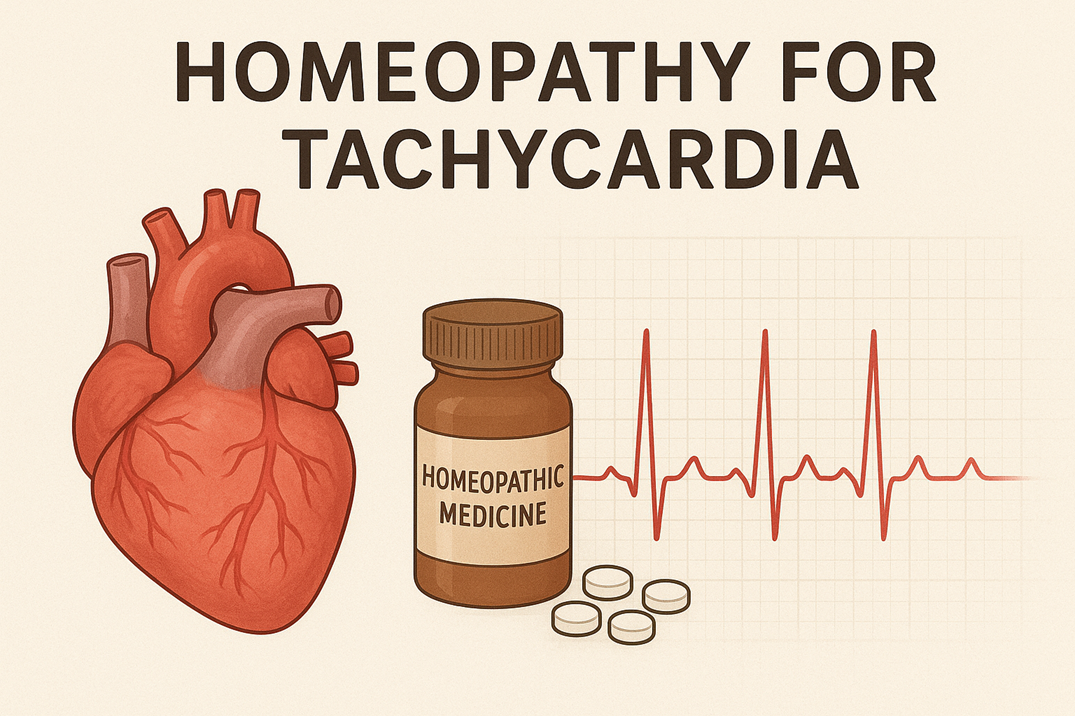
- Tachycardia-related palpitations: Lilium Tigrinum is a highly effective natural homeopathic remedy for palpitations accompanied by an elevated heart rate. When using Lilium Tigrinum, the heart rate may possibly increase to 150 beats per minute or more. The patient experiences intense bodily pulsations. Weight in the chest and left-sided chest pain may accompany fluttering in the heart region.
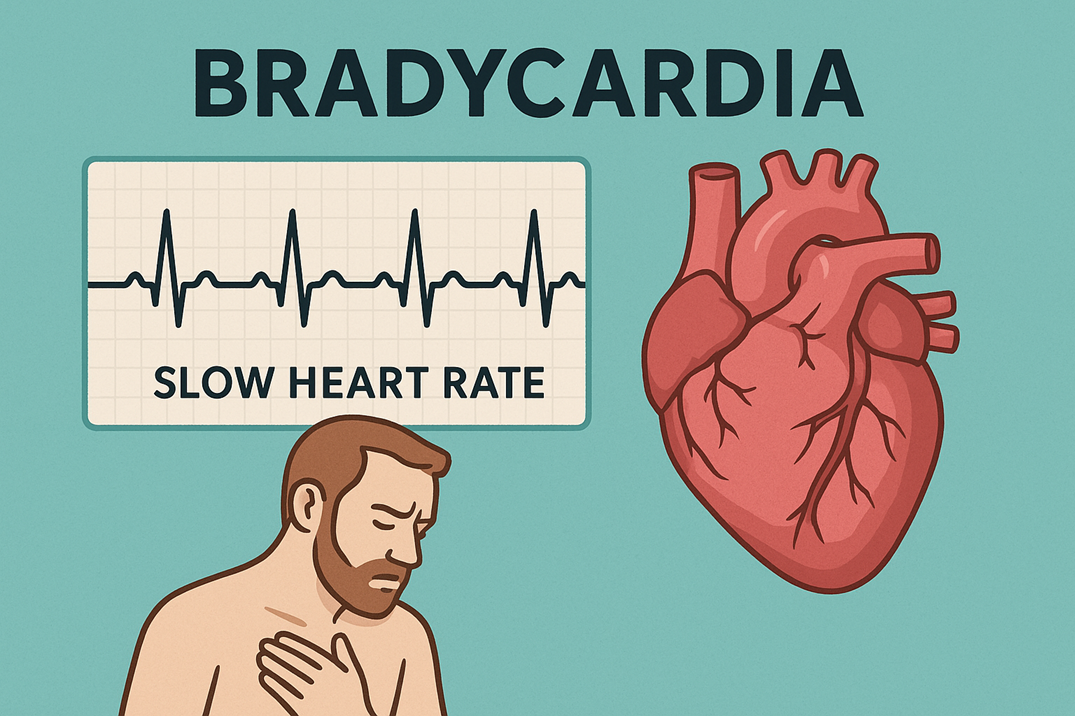
- Bradycardia-related palpitations: Digitalis and Kalmia are the finest natural homeopathic remedies for palpitations accompanied by a lowered heart rate. With palpitations, the heart rate while taking Kalmia may be as low as 35–40 beats per minute. The patient has anxiousness and a flutter in the chest. Digitalis is the best homeopathic treatment when the heart rate decreases and even the smallest movement triggers palpitations. The individual in need of Digitalis feels compelled to remain still since moving would cause their heart to stop.
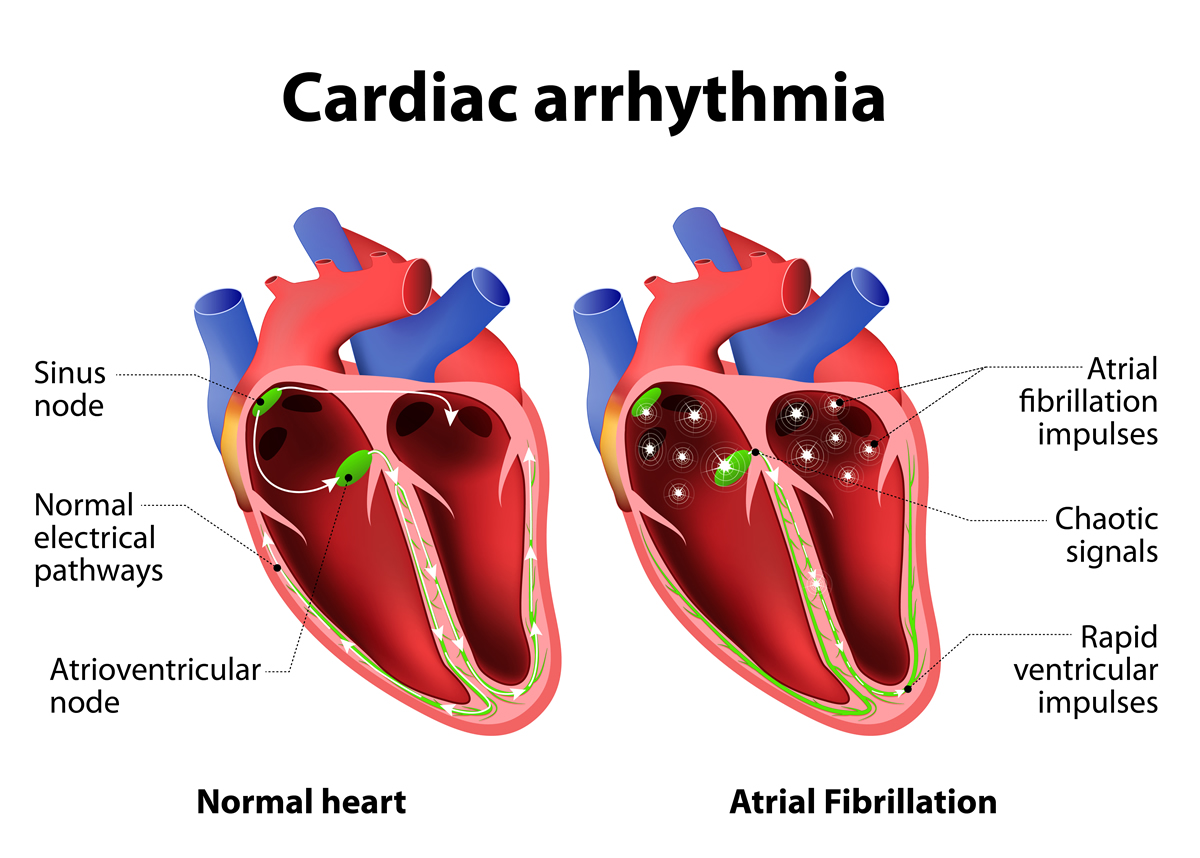
- When it comes to treating palpitations that have irregular or skipped beats, Digitalis is the greatest natural homeopathic remedy. The irregular pulse primarily originates at the third, fifth, and seventh beats. In patients who require Digitalis, mitral disease may be the underlying pathology causing erratic cardiac activity. The finest homeopathic remedy for severe palpitations and irregular heartbeats is Aurum Met. Patients who require Aurum metallicum feel as though their heart has stopped abruptly for two to three seconds before suddenly beginning to beat again. The pulse appears erratic, and the blood pressure is elevated.
Implementing non-pharmacological lifestyle adjustments
Making conscious changes to your daily routine can significantly reduce the occurrence of heart palpitations, offering a powerful natural treatment. Reducing stress through practices like meditation, deep breathing exercises, or yoga can calm your nervous system, directly impacting your heart’s rhythm. You will find that regular, moderate exercise, tailored to your fitness level, also strengthens your cardiovascular system and can contribute to fewer palpitations. Your dietary choices play a substantial role in managing heart palpitations naturally. Avoiding common triggers such as excessive caffeine, alcohol, and highly processed foods can have an immediate positive effect on your heart’s stability. Instead, focus on a balanced diet rich in whole foods, fruits, vegetables, and lean proteins, which provides imperative nutrients for optimal heart health. Ensuring adequate hydration throughout the day is another simple yet effective step you can take to stop heart palpitations naturally. Dehydration can sometimes contribute to irregular heartbeats, so consistently drinking enough water helps maintain proper electrolyte balance. Getting sufficient, restful sleep each night is also crucial, as sleep deprivation can stress your body and trigger palpitations. These non-pharmacological lifestyle adjustments are fundamental to a holistic approach to managing heart palpitations. By embracing these changes, you are actively taking control of your health and fostering an environment where your heart can function more calmly and consistently.
Targeted Strategies for Anxiety-Induced Heart Palpitations
You can effectively manage heart palpitations when they stem from anxiety by adopting specific techniques designed to calm your nervous system. These strategies move beyond general stress reduction, focusing instead on directly addressing the physiological responses that link anxiety to your heart’s rhythm. Understanding the interplay between your mind and body is the first step in regaining control over these unsettling sensations.
Recognizing the triggers for your anxiety-induced palpitations is a powerful tool in prevention. Perhaps certain situations, thoughts, or even specific times of day consistently precede these episodes for you. By identifying these patterns, you can begin to implement proactive measures, preparing yourself mentally and physically before anxiety has a chance to escalate and impact your heart.
Implementing targeted interventions during an episode can quickly de-escalate the situation and restore a sense of calm. These immediate actions are not just temporary fixes; they train your body and mind to respond differently to anxiety, gradually reducing the frequency and intensity of palpitations over time. You are building a new, healthier response pathway.
Mind-body techniques to regulate heart rate during stress
Breathing exercises offer an immediate and accessible way to calm your heart when anxiety strikes. Focusing on slow, deep breaths activates your parasympathetic nervous system, the body’s natural “rest and digest” system, which directly counteracts the “fight or flight” response that often triggers palpitations. You can practice diaphragmatic breathing, where you inhale deeply into your abdomen, hold for a few seconds, and then exhale slowly, repeating this several times until you feel a shift.
Mindfulness meditation helps you observe your anxious thoughts and physical sensations without judgment, including your racing heart. This practice teaches you to acknowledge the palpitation, rather than reacting with fear, which can often intensify the experience. You can try a simple body scan meditation, bringing your attention to different parts of your body and noticing any tension or sensation, allowing it to simply be there.
Progressive muscle relaxation involves tensing and then relaxing different muscle groups throughout your body. This technique helps you become more aware of physical tension, a common companion to anxiety, and then consciously release it. By systematically relaxing your muscles, you send a signal to your brain that it’s safe to calm down, which in turn can help slow your heart rate.
Breaking the cycle of anxiety-driven cardiovascular symptoms
Understanding the bidirectional relationship between anxiety and heart palpitations is necessary for breaking the cycle. Often, the initial palpitation, even if benign, can trigger further anxiety, which then exacerbates the palpitation, creating a feedback loop. You can interrupt this cycle by addressing the anxiety response itself, preventing it from spiraling into a full-blown episode.
Cognitive Behavioral Therapy (CBT) provides effective strategies for challenging and reframing anxious thoughts that contribute to palpitations. A therapist can guide you in identifying irrational fears surrounding your heart health and help you develop more realistic and calming perspectives. You learn to question thoughts like “My heart is going to stop” and replace them with evidence-based affirmations.
Lifestyle adjustments play a significant role in reducing overall anxiety levels, thereby lessening the likelihood of palpitations. Regular physical activity, a balanced diet, adequate sleep, and limiting caffeine and alcohol intake all contribute to a more stable nervous system. You are creating an environment less prone to the physiological triggers of anxiety and its cardiovascular manifestations.
Breaking the cycle of anxiety-driven cardiovascular symptoms involves a comprehensive approach that empowers you to regain control over your well-being. By combining mind-body techniques with cognitive strategies and healthy lifestyle choices, you are not just managing symptoms; you are addressing the root causes of your anxiety and its impact on your heart. This proactive stance leads to a significant reduction in both the frequency and intensity of palpitations, allowing you to live with greater peace and confidence.
To wrap up
Hence, understanding heart palpitations begins with recognizing their diverse origins, which range from benign lifestyle factors to more serious underlying medical conditions. You can often alleviate common triggers like stress, caffeine, and dehydration through simple adjustments to your daily routine. Staying well-hydrated, managing stress through techniques like meditation or yoga, and limiting stimulant intake are excellent starting points for many individuals experiencing occasional palpitations. If you experience these sensations frequently, or if they accompany other concerning symptoms, seeking professional medical advice is always a prudent course of action to rule out any serious issues.
You play an active role in managing your heart health, and natural treatments offer a valuable complementary approach. A balanced diet, rich in fruits, vegetables, and whole grains, supports overall cardiovascular well-being. Regular physical activity, tailored to your fitness level, strengthens your heart and improves its efficiency. Consider incorporating magnesium- and potassium-rich foods, as these electrolytes are important for proper heart function. Hawthorn berry and valerian root are traditional herbal remedies for heart health, but consult your doctor before using them to avoid drug interactions.
Your proactive engagement with your health is key to effectively addressing heart palpitations. Monitor your symptoms, noting their frequency, duration, and any accompanying sensations. Maintaining open communication with your healthcare provider allows for an accurate diagnosis and a personalized treatment plan. You can significantly improve your quality of life and reduce the impact of palpitations by combining lifestyle modifications, natural remedies, and conventional medical guidance. Taking these steps empowers you to better understand and manage your heart’s rhythm.
FAQ

Q: What exactly are heart palpitations, and what do they feel like?
A: Heart palpitations describe the sensation of your heart beating unusually. You might feel your heart racing, pounding, fluttering, or skipping a beat. Some people describe it as a thumping in their chest or neck, or a feeling that their heart is “doing a flip.” These sensations can last for a few seconds or several minutes, and they can occur at any time, whether you are active or at rest. They are often alarming, even if they are harmless.
Q: Are heart palpitations always a sign of a serious problem, or can they be normal?
A: Heart palpitations are often harmless and can occur in healthy individuals. Many factors, including stress, anxiety, caffeine intake, dehydration, or strenuous exercise, can trigger them. Hormonal changes, such as those experienced during pregnancy or menopause, can also cause temporary palpitations. However, palpitations can sometimes indicate an underlying heart condition or other medical issue. A doctor should evaluate persistent, frequent, or severe palpitations, especially when accompanied by other symptoms like shortness of breath, dizziness, chest pain, or fainting.
Q: What are some common causes of heart palpitations?
A: Numerous factors can contribute to heart palpitations. Lifestyle triggers include excessive caffeine, alcohol, nicotine, and certain illicit drugs. Stress and anxiety are frequent causes, as the body’s fight-or-flight response can increase heart rate. Dehydration, lack of sleep, and intense physical activity can also lead to them. Medical conditions such as hyperthyroidism, anemia, low blood sugar (hypoglycemia), and certain medications can also induce palpitations. For some, specific foods, particularly those high in sugar, can trigger episodes after eating. Postpartum heart palpitations are also common due to hormonal shifts and the body’s recovery from childbirth.
Q: When should someone be concerned about heart palpitations and seek medical attention?
A: You should seek medical attention if heart palpitations are frequent, severe, or interfere with your daily life. Immediate medical evaluation is necessary if palpitations are accompanied by symptoms like chest pain or discomfort, shortness of breath, dizziness, lightheadedness, fainting, or unusual sweating. These accompanying symptoms could point to a more serious underlying heart condition. If you have a history of heart disease or other chronic health conditions, please consult your doctor promptly about any new or worsening palpitations.
Q: What natural treatments and lifestyle changes can help manage heart palpitations?
A: Many natural approaches can help reduce the frequency and intensity of heart palpitations. Managing stress through techniques like deep breathing exercises, meditation, and yoga often proves effective. Limiting or avoiding caffeine, alcohol, and nicotine can significantly reduce occurrences. Staying well-hydrated and ensuring adequate sleep are also beneficial. Regular, moderate exercise supports overall heart health. Some individuals find relief by adjusting their diet, identifying and avoiding foods that trigger palpitations, such as high-sugar items. Herbal remedies like valerian root or chamomile are sometimes used for anxiety-related palpitations, but you should discuss these with a healthcare provider before use. Acupuncture is another alternative therapy some people explore for symptom management.
Q: Can anxiety and stress directly cause heart palpitations, and how can they be stopped?
A: Anxiety and stress are very common causes of heart palpitations. When you experience anxiety, your body releases stress hormones like adrenaline, which can increase your heart rate and make your heart feel like it’s pounding or fluttering. To stop heart palpitations due to anxiety, focus on calming your nervous system. Deep breathing exercises, such as diaphragmatic breathing, can help slow your heart rate. Progressive muscle relaxation techniques can also reduce overall tension. Engaging in mindfulness or meditation can help manage anxious thoughts. If anxiety is a persistent issue, therapy or counseling can provide strategies for coping and reducing its impact on your heart health.
Q: Are there any specific dietary considerations or supplements that can help with heart palpitations?
A: Dietary choices can certainly influence heart palpitations. Avoiding foods that trigger your symptoms is a beneficial first step; for many, this includes excessive sugar, processed foods, and large meals. Maintaining stable blood sugar levels by eating regular, balanced meals can also help, especially if low blood sugar is a trigger. Staying hydrated by drinking plenty of water throughout the day is important. Some individuals explore supplements like magnesium or potassium, as imbalances in these electrolytes can sometimes contribute to palpitations. However, taking any supplements should always be discussed with a doctor to ensure they are appropriate for your specific health needs and do not interact with other medications.
Naturopathic Treatment in Philadelphia.
Philadelphia Holistic Clinic is the #1 naturopathic medical center in the City of Brotherly Love. At the clinic, the team of licensed medical professionals provides different forms of naturopathic treatment, including acupuncture, homeopathy, hypnotherapy, Reiki, Ayurveda, and Chinese medicinal herbs. All treatments are provided under the strict supervision of a medical doctor, Victor Tsan. During the initial evaluation, Dr. Tsan will check your ECG to ensure that none of the recommended treatments may cause deterioration of your medical condition, arrhythmia, nausea, drowsiness, or any other unwanted side effects.
Contact Philadelphia Homeopathic Clinic at (267) 403-3085 to schedule your evaluation appointment. Evaluation includes a full body assessment and all necessary testing.
For your convenience, you can use our online scheduling application.