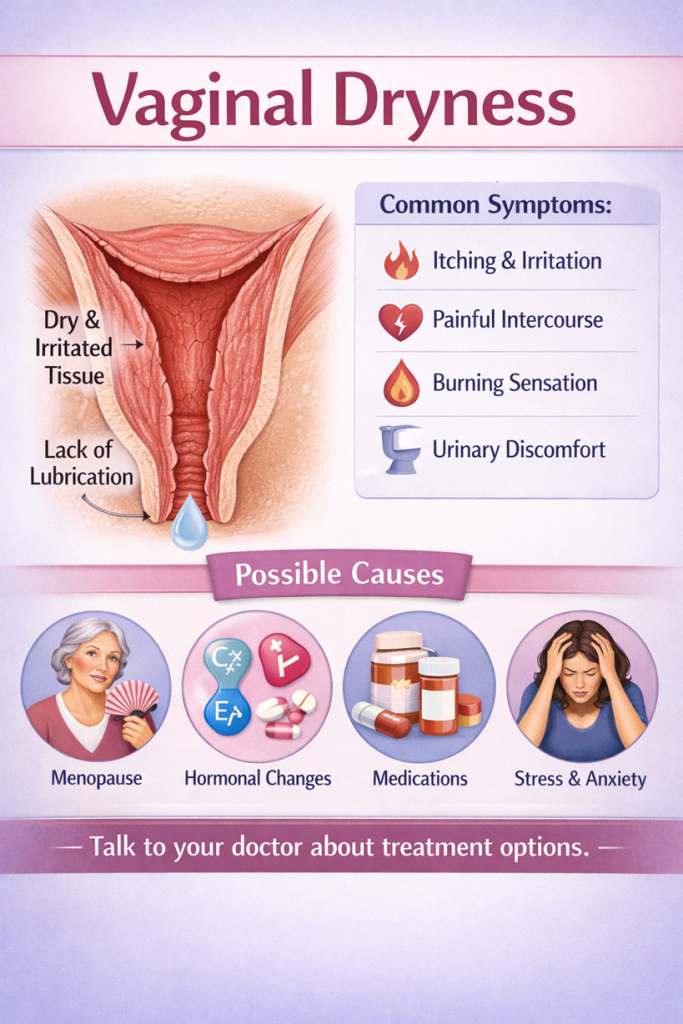
Vaginal Dryness
You’ve probably noticed more talk lately about vaginal dryness; it’s common with hormonal shifts, medications, or stress. What can you do? Try water-based lubricants, pelvic-floor work, dietary tweaks and gentle herbs like flaxseed or chamomile, and see your clinician if symptoms persist.
Causes of Vaginal Dryness and Risk Factors
Once you notice dryness during sex or a tight, itchy feeling, it often ties back to multiple factors stacked, not just one odd day. Age, changes after childbirth, mood, and even the meds you take can thin tissues and cut lubrication, so you feel pain, burning, or less arousal. Your symptoms—spotting, discomfort, reduced pleasure—tell a story, and you want practical steps, not fluff, to return to comfortable intimacy.
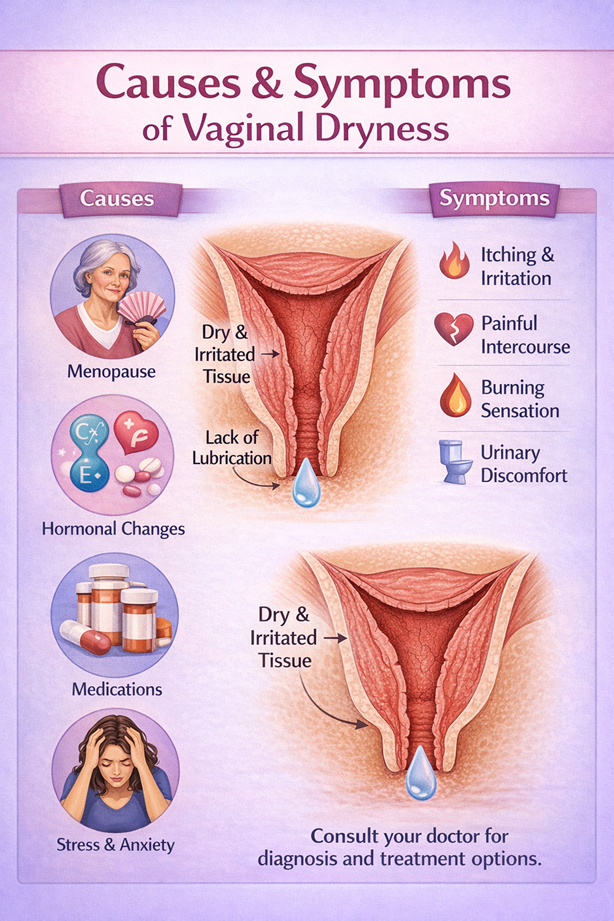
Many things quietly raise the odds of dryness; look for patterns in your life and health.
- Menopause and perimenopause
- Postpartum breastfeeding
- Hormonal contraception
- SSRIs, antihistamines, chemo
- Autoimmune disease, diabetes
- Smoking, dehydration, stress
If you track triggers, you can act on them faster.
You should try simple fixes first—water-based lube, vaginal moisturizers, pelvic floor work, better foreplay and hydration—and talk to your clinician about meds that might be culprits. You start by testing one change at a time so you know what helps and keep notes on what eases pain or improves lubrication.
Hormonal causes (menopause, postpartum, contraception)
When you tell a friend she sounded surprised that sex felt sore after her last baby, you realize postpartum dryness sneaks up on people because breastfeeding keeps estrogen low and the tissues fragile. As menopause approaches, you may also notice a decrease in the regularity of your periods and a sensation of thinness in your vaginal walls; this is simply due to the estrogen’s reduced activity. So you look for fixes that feel natural and gentle and wonder about herbs or topical options that won’t interfere with nursing or hormones.
Sometimes hormonal birth control lowers natural lubrication for you, especially if your method suppresses ovulation or reduces estrogen; that doesn’t mean you’re broken, it just means your body’s chemistry shifted. You can try switching methods with your provider, boosting foreplay, using moisturizers or lubricants, or considering low-dose localized estrogen if you qualify. Some people try phytoestrogen herbs, which are plant-derived compounds that mimic estrogen, like red clover or fennel, but chat with a pro before mixing them with meds.
Because every woman’s hormonal pattern is different, you’ll want to track when dryness spikes—during breastfeeding, on certain pills, or in midlife—so you can target the cause rather than guessing at treatments. You can pair gentle herbal teas, topical plant oils used externally, and nonhormonal moisturizers while you test what improves comfort and reduces pain during sex.
Medical, medication, and lifestyle contributors
Doctors you talk to often point out that many prescriptions and conditions have dryness as a side effect, and that’s not the patient’s fault—it’s a predictable reaction. You may be on an SSRI (selective serotonin reuptake inhibitor), antihistamine, or long-term opioid that cuts lubrication or have autoimmune issues like Sjogren’s syndrome, which affects moisture production, or chronic diabetes that dries mucous membranes. So check med lists and diagnoses first; changing one thing at a time helps you see real shifts.
If smoking, low water intake, high caffeine, or chronic stress are part of your routine, they are likely contributing to dryness and making sex uncomfortable more often. You can try quitting smoking, upping fluids, scaling back alcohol, and building in relaxing foreplay to improve blood flow—small shifts, big payoff sometimes. Want quick relief? a good lubricant and a pause for deeper arousal make a night-and-day difference.
Lifestyle adjustments and medication reviews often provide more effective results: collaborating with your clinician to adjust a prescription, managing uncontrolled blood sugar, or scheduling pelvic therapy can alleviate symptoms that previously seemed permanent. You don’t have to settle for chronic pain or skipped intimacy—act on the things you can change and partner with a clinician for the rest.
Additionally, when experimenting with herbs or over-the-counter creams, seek non-irritating, fragrance-free options, begin gradually, and record any adverse reactions to ensure you discontinue any treatments that don’t work for you.
Symptoms and When to Seek Care
Up to 50% of women report vaginal dryness at some point, and you might first notice it as less natural lubrication during sex, itching, or a persistent burning sensation that won’t quit. You’ll feel the difference in intimacy—sex can get painful, quick, and unpleasant, not to mention awkward. Pay attention early, because small changes often mean you can try simple fixes before things escalate.
You may also see urinary changes like more frequent urges, a burning sensation when you pee, or even recurrent urinary tract infections (UTIs) that weren’t a problem before. These aren’t separate issues—vaginal mucosa and urethral health are linked, so dryness can translate into urinary trouble. Don’t ignore nagging symptoms; they affect your comfort and daily life.
Many people chalk symptoms up to stress or aging, and you might do the same, but persistent symptoms deserve a plan: self-care, natural remedies, or medical evaluation. Try gentle lubricants, topical herbal options, or lifestyle tweaks first if symptoms are mild, but keep note of what’s improving or not. Track changes so you can describe them clearly if you do see a clinician.
Common signs and effects on intercourse and urinary health
Signs of vaginal dryness during sex usually include decreased natural lubrication, friction, pain during penetration, and sometimes spotting afterward, and yes, it can kill the mood fast. You’ll notice shorter sessions, sore tissues, and that tight, unpleasant feeling that makes you avoid intimacy. Using a water-based lubricant can help right away, but if it’s a recurring issue, you’ll want to consider hormonal or herbal options too.
Painful intercourse often leads to anxiety around sex, and you might start anticipating discomfort, which only makes things worse, mentally and physically. You’ll pull back, feel less desire, and that can strain relationships—it’s real. Talking to your partner helps, and experimenting with foreplay, position changes, and lubrication can make a big difference.
Sex-related dryness can also increase your risk of urinary symptoms like urgency, burning, and recurrent infections because delicate tissue gets more fragile and micro-tears can let bacteria in. You’ll want to hydrate, avoid irritants like scented products, and consider vaginal moisturizers for daily care. Herbs like calendula or chamomile used externally can soothe, but check with your provider if you’re unsure.
Red flags and indications for medical evaluation
Red flags such as bleeding after sex, severe pain, or a new, strong odor require immediate medical attention, not just home remedies. You might think it’s just dryness, but those signs could indicate infection, significant thinning of tissues, or other conditions that need testing. If you notice blood or feel severe pain, schedule an appointment as soon as possible.
If you get recurrent urinary tract infections, fever, or worsening pelvic pain alongside dryness, that’s another signal to see a clinician—it’s not something to tough out week after week. You’ll want urine tests, a pelvic exam, and maybe hormonal checks to find the root cause. Quick action can prevent complications and get you back to normal sooner.
Seek medical evaluation when over-the-counter lubricants, moisturizers, and lifestyle changes don’t bring improvement within a few weeks, or if symptoms rapidly worsen. You’ll appreciate a clear diagnosis because treatments range from topical estrogen to prescription alternatives and targeted therapies. Don’t let embarrassment delay care—your comfort matters.
Also, if you’re using herbs or topical natural remedies and you get irritation, swelling, or allergic reactions, stop immediately and consult a provider; “natural” doesn’t always mean safe for everybody. You’ll want guidance on safe herbal options and interactions, especially if you’re on meds or have underlying conditions. A quick check can save a lot of trouble.
Prescription therapies for Vaginal Dryness (vaginal estrogen, other medical treatments)
Prescription creams, tablets, or rings that deliver vaginal estrogen often repair thinning tissue and restore natural moisture when dryness stems from low estrogen, and you usually notice a steady improvement in sexual comfort. Some formulations act locally so systemic hormone levels stay low, which many people prefer; still, you’ll want to discuss risks if you have a history of hormone-sensitive conditions.
Vaginal DHEA (prasterone) and oral options like ospemifene can help with severe dryness and pain during sex when estrogen isn’t the best choice or hasn’t worked, and systemic hormone replacement might be suggested if you have other menopausal symptoms. Side effects and contraindications vary, so your clinician will weigh your sexual function against overall health and any medications you take.
Topical prescription options are generally started at a controlled dose and tapered to the lowest effective schedule, so you get symptom relief without unnecessary exposure. Regular follow-up helps tailor treatment, address any bothersome effects, and coordinate with non-hormonal measures you’ve already tried.
Some practical points: apply creams at bedtime so the gel settles, insert tablets as instructed, allow a few weeks to see tissue changes, and be upfront about any past breast cancer, clotting disorders, or liver disease, as these affect treatment choices. If sex still hurts after trying prescriptions, insist on further evaluation—there may be infections, lichen sclerosus, or pelvic floor issues that need different care.
Vaginal Dryness: Causes, and Natural Treatments
Because you want relief that actually helps during sex, conventional treatments are worth knowing about even if you’re leaning toward natural remedies; they often provide fast, measurable improvement so you can decide what’s right for you. You might try short-term fixes for discomfort or meet with a clinician for longer-term options, especially if dryness is causing pain, bleeding, or persistent irritation.
You might prefer to begin with simple solutions that you can purchase without a prescription and transition to medical treatments if they prove ineffective. These options vary a lot—some are applied only before sex, others are for daily use—so knowing the differences helps you pick what’s most comfortable. If symptoms include burning, itching, or painful intercourse, standard treatments often address both lubrication and tissue health.
Many people worry about hormones, side effects, and costs, and that’s fair, but conventional care gives you choices: topical hormones, non-hormonal meds, or systemic therapy when needed. Your age, cause of dryness, and sexual activity guide what’s recommended, and a quick visit can clear up questions about safety and interactions with any herbs or supplements you might be trying.
Over-the-counter options (lubricants, moisturizers)
Try water-based lubricants for immediate relief during sex because they’re safe with condoms and sex toys and feel natural for many people; they do need reapplying though, especially during longer activity. Silicone-based lubes last longer and can be better for deeper dryness, but they can stain fabric and aren’t always ideal with silicone toys. Oil-based products can create a slick feel but may break down latex and trap bacteria, so use caution.
Lubricants designed for intercourse focus on short-term slipperiness, while vaginal moisturizers are made for ongoing dryness and can change tissue hydration over days to weeks. If you’re waking up with dryness or noticing pain during penetration, a regular moisturizer used a few times a week could be more helpful than a lubricant alone. Pick a product without fragrances or glycerin if you get irritation—less is more.
Moisturizers tend to reduce burning and itching between episodes of intercourse, and you can combine them with lubricants on the day you have sex. If you’re trying herbs or vaginal suppositories at home, tell your provider because OTC products can interact or mask infections. Want to know which ones work best for you? Try a small patch of use first—bodies can be picky.
Acupuncture for Vaginal Dryness
Acupuncture may help alleviate vaginal dryness, particularly when caused by menopause, by increasing blood flow to the pelvic area, reducing stress, and potentially balancing hormones. Research indicates that acupuncture can enhance lubrication and alleviate pain, but the evidence is sparse, and medical treatments remain the primary focus.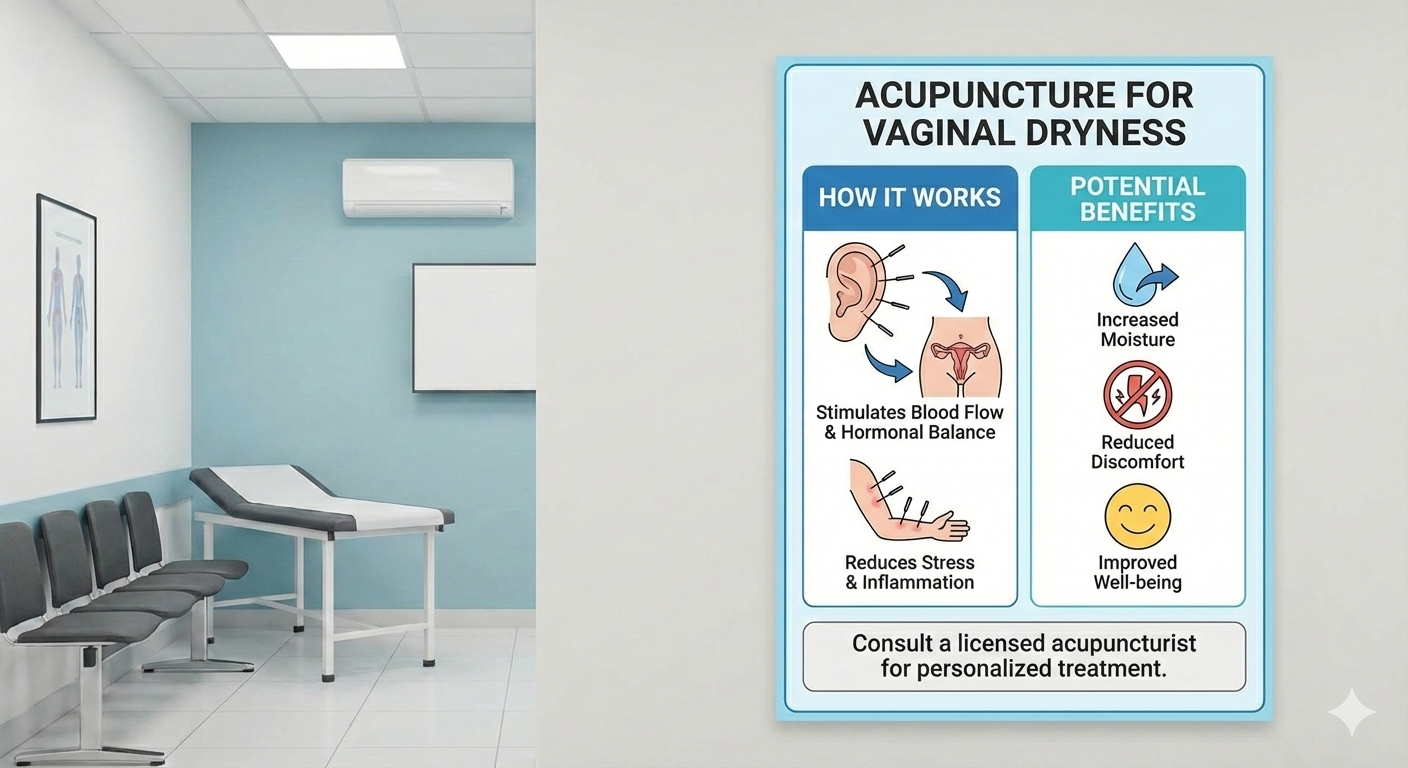
Key details regarding acupuncture for vaginal dryness:
Mechanism of Action: Acupuncture works by increasing blood flow to the pelvic region and reducing stress, which can address dryness.
Hormonal Impact: It is used to help regulate the body’s temperature and, in some cases, may help balance hormones like estrogen, progesterone, and prolactin.
Effectiveness: While some studies show increased lubrication and reduced pain (such as in cases of vulvodynia), others indicate it may not significantly improve all aspects of sexual function, such as arousal or satisfaction.
Application: It is frequently used alongside other therapies for menopausal symptoms, offering a non-invasive option to treat dryness and related pain.
Treatment Approach: Regular sessions are generally recommended, with improvements sometimes reported after just a few treatments.
It is highly recommended to consult a licensed acupuncturist and a healthcare provider to determine if the procedure is a suitable treatment for your specific situation.
Clinical Hypnosis for Vaginal Dryness
Clinical hypnosis and self-hypnosis are emerging as effective, non-hormonal, mind-body interventions to improve sexual health and manage symptoms of menopause, including vaginal dryness. Clinical hypnosis is a therapeutic technique that uses guided relaxation and focused attention to achieve a heightened state of awareness. Hypnotherapy helps by reducing anxiety, promoting relaxation, and managing psychological triggers that affect arousal and lubrication.
- Mechanism: Hypnosis works on the subconscious, which helps the body deal with stress and hormonal changes that make it dry.
- Benefits for Sexual Health: Hypnotherapy can improve sexual function, ease arousal difficulties, and reduce performance anxiety or pain, which may contribute to dryness.
- Evidence: Research has shown that clinical hypnosis and cognitive behavioral therapy (CBT) are effective, evidence-based, non-hormonal, and non-pharmacological options for managing vasomotor and sexual symptoms in women.
- Approach: Sessions are typically personalized to the individual’s needs, often focusing on relaxation techniques.
 While it may not directly increase estrogen levels, it addresses the psychological components of arousal and stress that impact moisture levels. It is particularly useful for women seeking alternatives to hormone therapy
Homeopathic Remedies for Vaginal Dryness
Homeopathic remedies for vaginal dryness, often stemming from menopause or hormonal changes, aim to restore moisture and alleviate discomfort.
Although vaginal dryness can affect women of any age, menopausal women are more likely to experience it due to lower estrogen levels. Dyspareunia, or pain during intercourse, is the main result of inadequate vaginal lubrication. This discomfort may be accompanied by burning, itching, and sometimes bleeding during coition. Menopause, childbirth, lactation, and anti-estrogen medications can also trigger vaginal dryness. Homeopathic treatments for vaginal dryness are all-natural and improve vaginal lubrication at the root level.
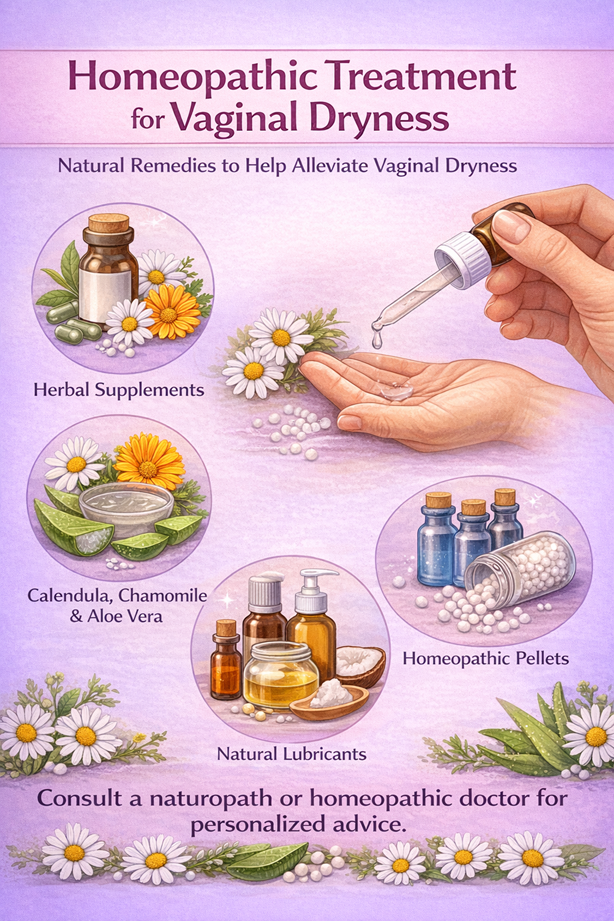
There are no harmful side effects from these medicines. Because of this, women of all ages can get them. Homeopathic medicines work best for treating problems like painful sex and bleeding after sex due to vaginal dryness. Vaginal dryness is most painful for women going through menopause because their estrogen levels drop. As the woman goes through menopause, she may also have other problems like hot flashes, mood swings, irritability, and a low sex drive. This type of treatment is known to help people get better from these symptoms, such as vaginal dryness.
Common remedies include Sepia (for dryness with irritation or painful intercourse), Pulsatilla (for thick, creamy discharge), and Graphites (for dryness with itching). Other remedies may include Borax, Kreosotum, and Aletris farinosa.
Commonly Used Homeopathic Remedies
Sepia: Often recommended for dryness accompanied by a feeling of heaviness, tenderness, and irritation during intercourse.
Pulsatilla: Used when dryness is accompanied by thick, creamy discharge and emotional symptoms like mood swings or weepiness.
Graphites: Suitable for dryness associated with skin issues, constipation, and menopause.
Borax: Indicated for itching and burning sensations, sometimes with white discharge.
Kreosotum: Used for foul-smelling discharge.
Other Potential Remedies: Aletris farinosa is indicated for mucous membrane dryness, Aristolochia is used for hormonal changes, and Sulphur is indicated for hot flashes or burning sensations.
Complementary Natural Approaches
Vitamin E: Topical application of vitamin E oil or suppositories can soothe dry tissues and improve moisture retention.
Probiotics: May help improve symptoms of vaginal atrophy (thinning/drying) when used alongside other treatments.
It is recommended to consult a healthcare professional or a qualified homeopath for a tailored approach, especially if symptoms persist or are severe.
Final Words
Hence, have you ever wondered why your vagina feels dry during sex or unexpectedly, and what you can actually do about it? Hormone dips—especially estrogen falls around menopause, after childbirth, or while you’re on certain hormonal contraceptives—often lead the list, but meds (antihistamines, some antidepressants), cancer treatments, smoking, dehydration, stress, infections, and allergic reactions to soaps or lubricants all play a part, too. You might notice burning, itching, pain with penetration, spotting or just a lack of natural lubrication overall. Sounds annoying? It is, and it’s common.
You can try simple, practical fixes that help a lot: use a good water-based lubricant for sex, apply a vaginal moisturizer regularly, stay hydrated, skip fragranced soaps and douching, and do pelvic-floor work—Kegels, gentle stretches, whatever feels good. Some women find relief from coconut oil for non-condom sex, flaxseed or soy in the diet, or herbal supports like red clover or evening primrose oil—results vary, and you should check with your clinician if you’re on meds or have hormone-sensitive conditions. Unbelievably, sleep, stress management, and quitting smoking also have a significant impact.
So, if home changes don’t ease things or you have pain, bleeding, or recurrent infections, see a healthcare pro; topical vaginal estrogen or other treatments might be more appropriate and safe. You deserve comfort during intimacy and daily life, and there are clear, low-risk steps you can try first while keeping an open line with your provider.
FAQ

Q: What is vaginal dryness and why should I care?
A: Vaginal dryness is when the vagina doesn’t produce enough natural lubrication, and it matters because it can make sex painful, lower your comfort day-to-day, and mess with your confidence—nobody wants that. It shows up as tightness, burning, or a lack of slippery feeling during intimacy, but it can also make everyday things like tampon use or pelvic exams uncomfortable.
People deal with it at different times in life—after childbirth, during breastfeeding, around menopause, or while on certain meds—so knowing what’s going on helps you pick the right fix, fast.
Q: What commonly causes vaginal dryness?
A: Hormone drops are a big one—lower estrogen around menopause or after stopping hormonal birth control often reduces vaginal moisture. Pregnancy and breastfeeding shift hormones too, so dryness can happen then.
Medications like antidepressants, antihistamines, and some blood pressure meds can dry things out. Smoking, stress, and chronic illness such as diabetes or autoimmune conditions (like Sjogren’s syndrome, which affects moisture production) also play a part. Irritants—douches, scented soaps, and tight synthetic underwear—can strip natural moisture and make symptoms worse.
Q: What symptoms does vaginal dryness cause?
A: Dryness can feel like itching, burning, general soreness, or rawness in the vulva or inside the vagina. Sex might hurt—that sharp sting or deep ache is common. You might notice spotting after sex or more frequent urinary infections because tissues are more fragile.
Pain during sex is not something you should just tough out. If the discomfort ruins intimacy or affects your mood, it’s worth addressing.
Q: What can I do for vaginal dryness during sex?
A: Use a good water-based or silicone lubricant—water-based ones are easy, silicone lasts longer and feels slicker, and oils can ruin latex condoms so use them cautiously. Start slow, spend extra time on foreplay, and tell your partner what feels better—communication makes a huge difference.
Try regular use of a vaginal moisturizer (different from lubricant) if dryness is ongoing—they add moisture over time, not just for immediate slickness. Pelvic floor relaxation helps too; sometimes tight pelvic muscles make sex more painful, and simple breathing or pelvic floor exercises can help.
Q: Are there natural remedies that actually help?
A: Some people get relief with simple lifestyle fixes: stop scented soaps, switch to cotton underwear, cut down on smoking, stay hydrated, and avoid harsh laundry detergents. Topical options people try include coconut oil or olive oil—they feel natural but can affect condoms and might not be ideal for everyone.
Over-the-counter vaginal moisturizers and hyaluronic acid gels have more consistent results for long-term comfort. Probiotics, which are beneficial bacteria, or eating fermented foods, such as yogurt and sauerkraut, might help overall vaginal health for some, though the science is mixed. If home approaches don’t work, speak with a clinician about medical options like topical estrogen.
Q: Which herbs are commonly suggested for vaginal dryness and are they safe?
A: Herbs people mention include black cohosh, red clover, soy isoflavones, evening primrose oil, fenugreek, and chasteberry—they’re promoted for hormonal balance and menopausal symptoms. Some women notice benefits, but study results are mixed and effects vary a lot from person to person.
Herbal supplements can interact with medications or be unsafe if you have hormone-sensitive conditions or are pregnant. Always check with your healthcare provider before trying herbs, and start with low doses to see how you react.
Q: When should I see a doctor about vaginal dryness?
A: See a clinician if dryness is severe, causes bleeding, or comes with foul-smelling discharge or fever—those could be signs of infection or another problem. If over-the-counter lubricants and moisturizers don’t help after a few weeks, ask about prescription options like topical estrogen or other therapies.
Talk to your healthcare provider about vaginal estrogen if other measures don’t help. Persistent pain, sudden changes, or any concern about cancer risk also means you should get evaluated rather than guessing.
Natural Treatments for Vaginal Dryness in Philadelphia
Over the decade, gynecologists, in general, have grown increasingly, and the field has now significantly expanded. The holistic approach, or holistic gynecology, has been positively received and regularly consulted.
If you or someone you know is looking for a more natural approach with minimal synthetic drug use to heal your reproductive functions, the holistic approach might just be what you need or require. If you opt for a holistic gynecologist, read their credentials and related reviews before booking an appointment.
We work with traditional OBGYN offices at the Philadelphia Holistic Clinic to help women get safe and effective holistic gynecology treatment.
Contact our clinic at (267) 403-3085 to schedule your appointment for evaluation and treatment. Please consult your OBGYN specialist first and ask if holistic gynecology is the right choice.