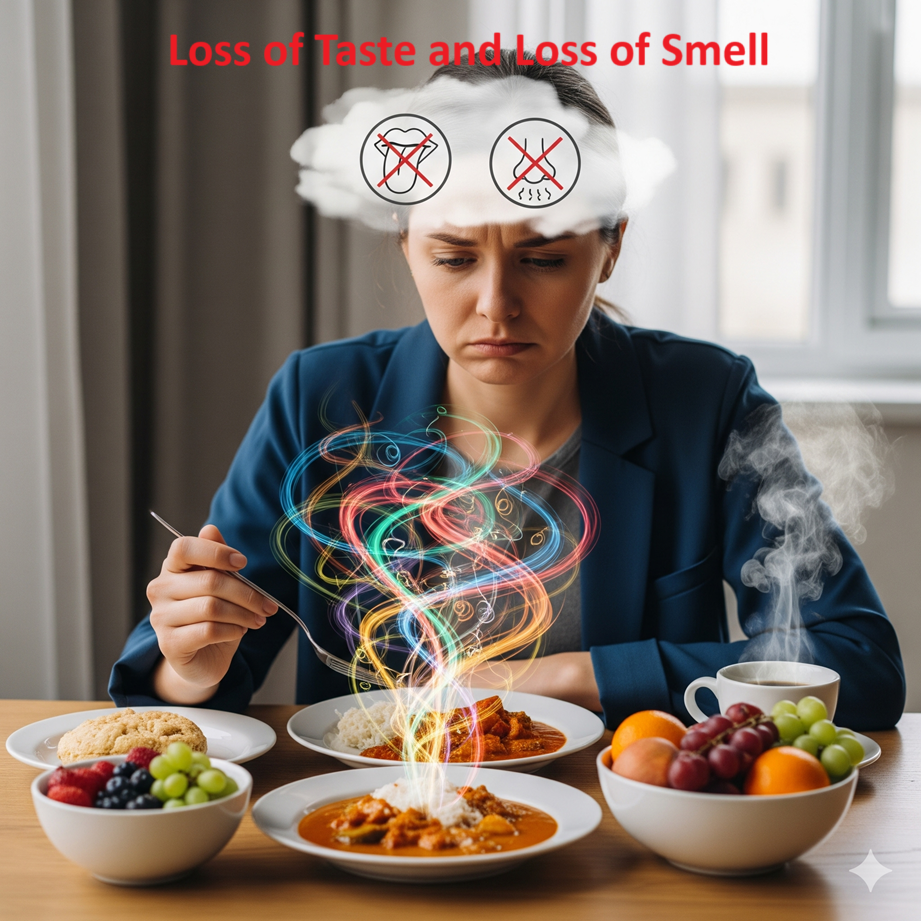
Loss of smell (anosmia) and loss of taste (Ageusia)
Loss of taste and loss of smell are common conditions. It’s increasingly common to experience loss of taste and smell from infections such as COVID-19, nasal inflammation, head injuries, or medications, and you need clear guidance on causes, signs, and safe holistic options. You may notice reduced sensitivity, distorted flavors, appetite loss, or safety issues like undetected smoke. Your evaluation should combine medical assessment with olfactory training, nasal irrigation, nutrition, acupuncture, and selected homeopathic remedies tailored to your condition.
Key Takeaways:
- Loss of taste and loss of smell can both be partial or complete and may distort flavor and appetite.
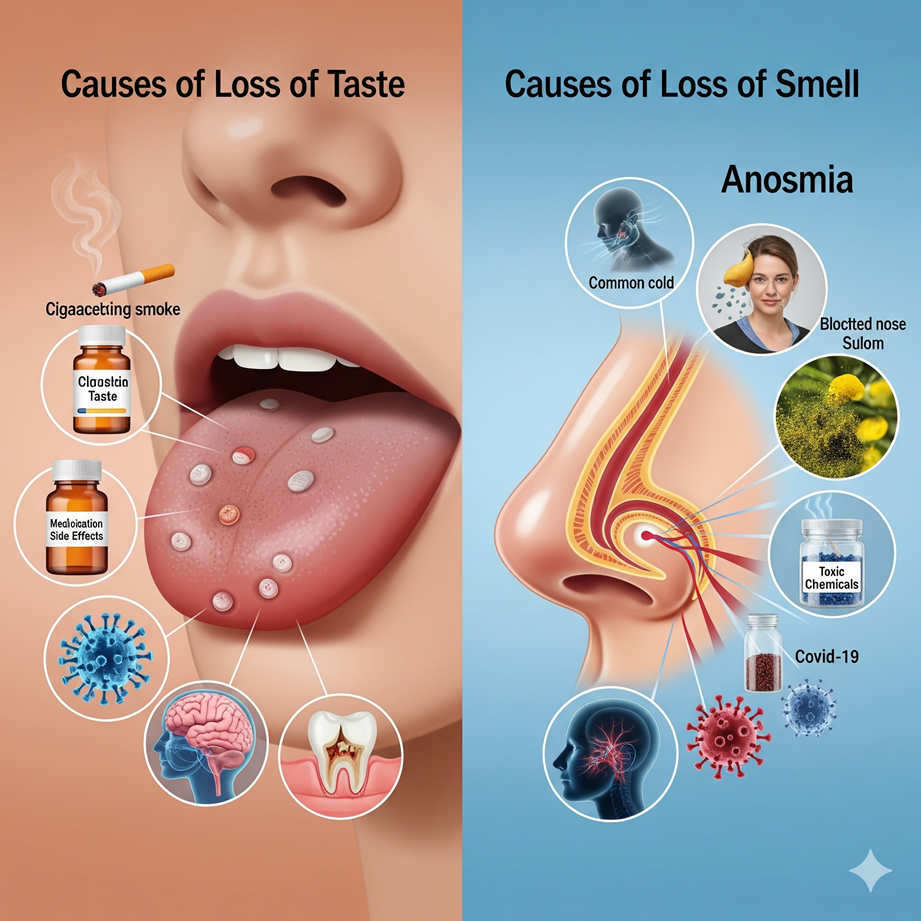
- Common causes: viral infections (including COVID-19), nasal/sinus disease, head trauma, neurological disorders, toxins, and certain medications.
- Medications linked to taste/smell loss include some antibiotics (e.g., metronidazole, macrolides), ACE inhibitors, chemotherapy agents, and other drugs that alter mucosa or nerve function.
- Typical symptoms: reduced or absent smell/taste, parosmia or dysgeusia (distorted perception), decreased appetite, and safety risks (smoke/gas detection impaired).
- Evidence-based treatments include addressing the underlying cause, olfactory training, using topical or systemic steroids for inflammatory cases, and referring patients for ENT or neurological evaluation if the onset is sudden or persistent.
- Holistic approaches show some supporting evidence, including nasal irrigation, olfactory training, targeted nutrition, and supplements for deficiencies such as zinc; however, acupuncture has limited mixed evidence, and homeopathy shows robust scientific support.
- Prognosis and action: many post-viral cases improve in weeks–months; seek medical evaluation if loss is sudden, accompanied by neurological signs, or persists beyond a few weeks to months.
The Neurological Basis of Smell and Taste Loss
How Anosmia and Ageusia Affect the Brain
Your sense of smell projects in an unusually direct way: olfactory receptor neurons in the nose send axons through the cribriform plate to the olfactory bulb, then on to the primary olfactory cortex (piriform), the amygdala, and the orbitofrontal cortex without a mandatory thalamic relay. With about 400 working odorant receptor genes in humans, your sense of smell can detect a wide range of chemicals, and any disruption—whether in the receptor area, the olfactory bulb, or the brain areas it connects to Functional MRI studies indicate that people with chronic anosmia have markedly reduced activation in the piriform cortex and orbitofrontal areas during odor tasks, and that this process correlates with psychophysical measures such as odor identification and threshold scores.
Loss of taste engages overlapping but distinct circuitry: taste receptor cells clustered in around 5,000–10,000 taste buds transduce basic modalities (sweet, salty, sour, bitter, and umami) that travel via the chorda tympani (CN VII), glossopharyngeal (CN IX), and vagus (CN X) to the nucleus of the solitary tract (NTS), then to the ventral posteromedial thalamus and insula/frontal operculum. Damage or diminished input anywhere along this pathway lowers cortical representation of flavor, so your experience of food becomes blunted even when trigeminal chemesthesis (burn, cool, pungency) remains intact. Neuroimaging in ageusia frequently documents reduced insular activation and altered thalamo-cortical connectivity, which helps explain why many patients describe not only blandness but also altered reward and reduced appetite.
Plastic changes in the brain follow sensory loss and can be adaptive or maladaptive for you. Structural MRI reveals olfactory bulb shrinkage—typically on the order of 20–30% in chronic post-viral anosmia cohorts—with concomitant gray-matter reductions in orbitofrontal and temporal regions; smell training protocols of 12 weeks or longer have shown partial reversal of these changes, increasing bulb volume by roughly 10–30% in responders and improving identification scores in 30–50% of participants depending on etiology. Clinically, those neural shifts manifest beyond flavor: you may notice altered food preferences, unintended weight change, decreased safety awareness (inability to detect smoke or gas), and higher rates of depressive and anxiety symptoms—some series report physiologically relevant mood symptoms in up to about 40% of patients seeking care for smell or taste disorders, particularly after viral causes like SARS-CoV-2.
The Role of Olfactory and Gustatory Nerves
Your olfactory nerve (CN I) is anatomically unique: millions of receptor neurons in the olfactory epithelium extend unmyelinated axons that pass through multiple perforations in the cribriform plate to synapse in the olfactory bulb. Sustentacular and basal cells in the epithelium provide metabolic and structural support, and these supporting cells express ACE2 and TMPRSS2—molecular entry points exploited by SARS-CoV-2—so viral infection tends to damage the milieu of the receptor layer rather than directly killing olfactory neurons in numerous instances. Patients who lose their sense of smell after a virus, like COVID-19, often have a smaller olfactory bulb and struggle to detect smells, while damage to the olfactory fila at the cribriform plate can cause a sudden and often permanent loss of smell.
Taste pathways use several cranial nerves with precise topography: the anterior two-thirds of your tongue transmit via the chorda tympani (branch of CN VII), the posterior third via CN IX, and epiglottic/posterior pharyngeal taste via CN X. Those afferents converge in the ipsilateral NTS, ascend to the thalamus (ventral posteromedial nucleus) and reach the primary gustatory cortex in the anterior insula and frontal operculum, where integration with olfactory and somatosensory input yields flavor. Peripheral insults—middle ear surgery that injures the chorda tympani, ototoxic chemotherapy (cisplatin), or systemic medications such as certain antibiotics and antihypertensives—can diminish taste by affecting receptor turnover or nerve conduction, while central lesions (brainstem strokes, demyelinating disease) produce recognizable patterns of ageusia with accompanying neurological signs.
Regenerative capacity differs between the two systems and governs your recovery trajectory. Olfactory receptor neurons can regenerate over weeks to months, which helps you recover some sense of smell after damage that doesn’t affect the nerve cells; that’s why many people who lose their sense of smell after a virus see improvement within 3 to 12 months, although about 10 to 15% of patients may still have problems after a year in some COVID groups. Taste bud cells grow back faster—usually in 7 to 14 days—so loss of taste from temporary causes can get better quickly, but ongoing bad taste often means there’s a more profound issue or continued exposure. Diagnostic tests like odor identification and threshold tests, electrogustometry, and imaging of bulb volume help you and your doctor figure out if the smell problem is due to issues with the nerves, the brain, or other areas, which can guide specific treatments like smell training, checking medications, or referring you for
Additional nuance comes from cross-modal interactions and trigeminal input: the trigeminal nerve (CN V) carries chemesthetic information—pungency from capsaicin, cooling from menthol, stinging from ammonia—that often remains when olfaction is lost, giving you partial cues about food and environmental hazards. Testing trigeminal responsiveness (for example, ammonia or CO₂ detection) helps differentiate true anosmia from conductive nasal obstruction. Clinical implications extend to occupational risk—chefs, sommeliers, and perfumers can lose livelihoods with nerve-level damage—and therapeutic strategy, since peripheral nerve injury invites interventions aimed at promoting regeneration while central loss often requires neurorehabilitative approaches that harness cortical plasticity.
Unpacking the Causes: What Leads to Smell and Taste Loss?
Viral Infections: The COVID-19 Connection

SARS-CoV-2 rewired how many clinicians think about anosmia and ageusia by producing sudden, often isolated loss of smell and taste in otherwise well patients. During the early pandemic, about 40–60% of people reported losing their sense of smell or taste suddenly while they were sick, and some studies found even higher numbers in certain outpatient groups. You may have noticed the abruptness—many patients describe waking up with no smell or a metallic taste within days of other mild symptoms, signaling a pattern distinct from the gradual smell loss seen in chronic sinus disease.
Cellular studies indicated that the virus targets supporting cells in the olfactory epithelium that express ACE2 and TMPRSS2 rather than olfactory sensory neurons themselves, producing an inflammatory milieu that disrupts signal transmission and regenerational processes. This mechanism helps explain why many people recover smell within 2–4 weeks as the epithelium regenerates, while a subset—estimates vary from 5–15% at 6–12 months in longitudinal studies—develops persistent dysfunction. You should be aware that viral variants changed risk: omicron-era infections generally produced lower rates of smell loss compared with earlier strains, altering prognosis at a population level.
Functional impact extends beyond detection: loss of smell from COVID-19 frequently reduces flavor perception, appetite, and quality of life; case series have documented weight loss, malnutrition risk in older adults, and depressive symptoms tied to prolonged sensory loss. You may be offered smell training, intranasal steroids for associated inflammation, or referral to ENT and neurology when recovery stalls beyond several months.
Current studies are looking at anti-inflammatories, omega-3 supplements, and biological treatments, but right now, the best-supported method is structured olfactory training.
Chronic Conditions and Neurological Disorders
Chronic rhinosinusitis, especially with nasal polyps, produces conductive anosmia by physically blocking odorant access to the olfactory cleft, and you often notice fluctuating smell loss tied to congestion cycles. Allergy-driven inflammation behaves similarly; in seasonal allergic rhinitis you may have near-normal olfaction between flare-ups but marked reductions during pollen season. Objective testing like smell identification scores often correlates with endoscopic findings—nasal polyps, septal deviation, or mucosal edema—so ENT evaluation with nasal endoscopy and CT imaging is central when structural disease is suspected.
Neurological disorders create sensorineural smell loss through degeneration or central processing dysfunction rather than nasal obstruction. You might experience olfactory decline years before motor or cognitive signs in Parkinson’s or Alzheimer’s disease; in Parkinson’s, up to 80–90% of patients show measurable olfactory deficits, often preceding tremor or rigidity. When you report progressive smell loss without nasal symptoms, a focused neurological exam and smell testing such as the UPSIT (University of Pennsylvania Smell Identification Test) can help triage for a neurodegenerative workup or early intervention strategies.
Health issues can also affect your ability to taste and smell; for instance, uncontrolled diabetes, chronic kidney disease with uremia, and lack of nutrients (especially zinc) can cause problems with taste because of nerve damage, changes in saliva, or harmful substances in the body. You should consider metabolic screening and nutritional assessment when taste disturbances accompany systemic symptoms. Management frequently involves treating the underlying disease—improving glycemic control, addressing uremia, or replenishing deficient micronutrients—which can partially restore sensation in many cases.
Diagnostic steps focus on recognizing patterns: if there’s conductive loss, imaging and ENT procedures are needed; if it’s sensorineural loss, a neurological check and smell tests are required; and if there are systemic issues, lab tests for diabetes, kidney function, You may be referred for an MRI if unilateral abrupt anosmia or neurological signs appear, and longitudinal monitoring with validated smell tests helps document recovery or progression to guide therapy and counseling.
Medications and Their Impact on Taste Sensation
More than 200 medications have been implicated in taste and smell disturbances, and you can experience dysgeusia or hypogeusia as a dose-related side effect or idiosyncratic reaction. Classic offenders include ACE inhibitors such as captopril, which commonly produce a metallic or bitter taste, and certain antibiotics like metronidazole and clarithromycin that provoke transient taste alterations. Chemotherapeutic agents—cisplatin and 5‑fluorouracil among them—alter rapidly dividing gustatory receptor cells and saliva composition, leading to profound taste disruption that often affects appetite and nutrition during treatment cycles.
Anticholinergics and medications that reduce saliva production can worsen your taste by drying out your mouth; when using antihistamines, tricyclic antidepressants, or certain neurologic drugs like lithium and some antiepileptics, you might find that flavors taste bad or are less intense. They have been noted to change how people perceive taste in various reports, and long-term use of antibiotics can also affect taste by changing gut bacteria. You should track onset relative to new or increased medications—symptom timing often implicates a specific agent.
Management begins with a structured medication review: when you correlate symptom onset to a specific drug, discuss alternatives or dose adjustments with the prescriber since many drug-induced taste changes are reversible after cessation. Supplementary strategies include oral hygiene optimization, saliva substitutes for xerostomia, and zinc supplementation in selected cases; controlled trials show mixed benefit but case reports indicate improvement for some patients. For persistent or severe dysgeusia, referral to your primary clinician for deprescribing or to an oral medicine specialist for targeted interventions is reasonable.
When you and your doctor think about taste loss caused by medication, consider how important the treatment is compared to the unpleasant taste effects: for instance, you usually can’t stop a necessary chemotherapy drug, so focusing on easing symptoms and getting proper nutrition is important, while it might be possible to switch out blood pressure or antibiotic medications that cause taste issues.
Environmental Factors and Allergies
Airborne pollutants and occupational exposures damage the olfactory epithelium through repeated insult and inflammation, and you may experience gradual smell decline if you work with solvents, pesticides, or heavy metals. Industrial cohorts show measurable reductions in odor identification and threshold testing compared with unexposed controls; for instance, painters and printers exposed to organic solvents often score lower on standardized smell tests. Indoor pollutants—cooking fumes and volatile organic compounds from new carpeting or paints—can also impair olfaction and contribute to chronic throat and nasal irritation that blunts flavor perception.
Allergic inflammation produces both conductive and sensorineural components of smell loss: nasal congestion blocks odorant access, while persistent eosinophilic inflammation can harm supporting cells in the olfactory mucosa. You may notice seasonal patterns—near-normal olfaction outside pollen season and marked deficits during high-exposure months. Strategies that reduce exposure and control mucosal inflammation improve outcomes; intranasal corticosteroids and saline irrigations reduce polyp size and edema, while allergen avoidance, high-efficiency air filters, and immunotherapy can lower flare frequency and restore olfactory function over time.
- Common environmental culprits: organic solvents, pesticides, heavy metals, tobacco smoke, and indoor VOCs.
- Allergic drivers: seasonal pollen, dust mites, animal dander, and mold exposure leading to nasal obstruction and mucosal inflammation.
- Prevention and workplace control: local exhaust ventilation, personal protective equipment, and occupational health surveillance for at-risk workers.
After you reduce exposure and treat mucosal inflammation, expect gradual improvement over weeks to months rather than immediate normalization, and ongoing avoidance plus medical management yields the best chance of recovery.
Household interventions and targeted allergy care often produce measurable gains: using HEPA filtration, addressing mold sources, and starting allergen immunotherapy can lower symptom burden and improve scent recognition on repeat testing. Consider environmental assessment when no medication or systemic disease explains your symptoms, and occupational health referral if workplace exposures are suspected.
- Home measures: HEPA filters, humidity control, and removal of scented products and VOC sources.
- Allergy-specific steps: testing for aeroallergens, tailored immunotherapy, and consistent intranasal steroid use.
- Follow-up: serial smell testing to document improvement and guide further interventions.
After implementing environmental and allergic controls, schedule reassessment with objective smell testing to gauge recovery and adjust interventions as needed.
Identifying the Symptoms: Recognizing Loss of Smell and Taste
Primary Symptoms of Anosmia
You may abruptly notice that everyday odors—coffee, perfume, freshly cut grass—vanish or become faint; that sudden absence often accompanies viral infections such as COVID-19, where many studies reported smell loss in roughly 40–60% of cases during the acute phase. Complete anosmia means no detection of odors at all, while partial loss (hyposmia) presents as reduced sensitivity; distorted smell perception (parosmia) and phantom smells (phantosmia) frequently follow recovery from a viral insult and can make once-pleasant aromas seem rotten or chemical. Occupational examples are telling: a chef who can no longer identify subtle aroma notes will describe foods as “flat,” whereas someone with hyposmia might still detect smoke but not the difference between gas and a faint odor leak.
Physical causes tend to produce recognizable patterns: nasal obstruction from polyps or chronic rhinosinusitis creates a conductive anosmia that fluctuates with congestion, whereas head trauma can shear olfactory nerves and produce an immediate, often long-lasting loss. Neurodegenerative conditions give a different timeline—olfactory decline in Parkinson’s disease appears early and may affect up to 90% of patients, often preceding motor symptoms by years. Post-infectious anosmia usually presents suddenly and may show partial spontaneous recovery over weeks to months, but persistent deficits are common enough that systematic follow-up and objective testing are warranted.
Clinical evaluation uses both subjective history and objective tests such as the University of Pennsylvania Smell Identification Test (UPSIT) or Sniffin’ Sticks to quantify deficits; these tools help differentiate true anosmia from malingering or cognitive issues. Sudden loss without nasal obstruction strongly suggests a viral or traumatic origin, while progressive diminution of smell should prompt evaluation for neurodegenerative disease or chronic sinus pathology. Safety implications are immediate: inability to smell smoke, gas, or spoiled food places you at higher risk in the home and workplace and often becomes the first reason people seek medical assessment.
Common Indicators of Ageusia
You might report that foods taste “bland,” or you may experience a complete inability to perceive the five basic tastes—sweet, sour, salty, bitter, and umami—though complete ageusia is relatively rare compared with hypogeusia (reduced taste) or dysgeusia (distorted taste). Many medications are associated with taste changes: antibiotics like clarithromycin and metronidazole commonly produce metallic or bitter tastes; ACE inhibitors and some antihypertensives can blunt taste sensitivity; chemotherapy agents such as cisplatin or 5-fluorouracil cause taste alterations in up to 60–70% of patients undergoing treatment. Nutritional deficits—particularly zinc and vitamin B12—plus smoking and xerostomia (dry mouth) also produce notable taste disturbances that you can often trace to a timeline of medication starts, dietary changes, or dental problems.
Distinguishing true taste loss from impaired flavor perception due to olfactory dysfunction is a common diagnostic challenge: if you can still tell sweet from salty on the tongue (for example, distinguishing sugar from salt) but cannot identify the flavor of coffee or wine, the issue is more likely olfactory than gustatory. Oral and body-related issues create specific patterns: problems like candida overgrowth, bad teeth, or salivary gland disorders usually cause ongoing, localized changes in taste, while injuries to cranial nerves (VII or IX) or diseases of the central nervous system lead You should note whether onset was sudden—typical with viral infections like COVID-19—or gradual, which points to medication effects or nutritional deficiency.
Testing taste with special strips or liquids at different strengths helps measure how much taste is lost and distinguishes between taste and flavor issues; a simple check can involve recognizing solutions of sugar, salt, lemon juice, and bitter quinine. Onset and time course guide likely causes—sudden, concurrent loss of taste and smell in an otherwise well person often indicates a post-viral etiology, while taste changes that appear shortly after starting a medication typically improve when the drug is stopped. Practical examples clarify this: you may begin metronidazole and notice a metallic taste within hours of the first dose, or you may start a new antihypertensive and find that foods no longer satisfy your appetite over weeks.
More information on how to assess and fix reversible causes includes specific actions like stopping or changing problematic medications, checking for zinc deficiency, and taking care of oral health or dry mouth; getting a formal taste test and seeing an ENT or dentist can help identify treatable issues and help you regain your sense of taste.
The Emotional and Psychological Impacts
You will likely experience more than just sensory disruption—loss of smell and taste often erodes the quality of life, affecting mood, social interaction, and identity. Food-related pleasure drives social rituals, family gatherings, and cultural practices; losing that dimension can trigger withdrawal, decreased social engagement, and a sense of self-loss. Clinical reports and patient surveys repeatedly show increased rates of anxiety and depressive symptoms among people with chronic olfactory or gustatory disorders, with some patients describing mood declines severe enough to seek psychiatric care or counseling.
Safety and daily functioning are intertwined with emotional effects: an inability to detect smoke, gas leaks, or spoiled food produces chronic hypervigilance or, conversely, dangerous complacency if you cannot rely on your senses. Memory and emotional processing are linked to olfaction—smells trigger autobiographical memories—so anosmia can blunt emotional recall and reduce the intensity of positive memories tied to scent. Healthcare professionals often see a cascade effect: nutritional changes (weight loss or gain), sleep disturbance, and reduced motivation for previously enjoyed activities, all of which compound psychological strain.
Relationships and vocational roles also shift; examples include a baker who loses professional nuance in flavor profiles or a parent who cannot detect a child’s fever-scented smell, which strains real-world responsibilities. Parosmia—where pleasant aromas become repulsive—can create aversions to formerly loved foods and lead to feeding difficulties, interpersonal tension at shared meals, and occupational limitations. Interventions such as olfactory training, nutritional counseling, and mental health support are tailored to these functional and emotional domains to restore coping and, where possible, partial sensory recovery.
More information on coping and recovery shows that structured olfactory training improves outcomes for many people—randomized trials report measurable gains in smell identification after months of twice-daily exposure to a set of odorants, with reported improvement rates commonly in the 30–50% range depending on etiology—while multidisciplinary care (ENT, dietitian, psychologist) addresses safety, nutrition, and mood so you can better navigate the social and psychological consequences.
The Diagnostic Journey: How Healthcare Professionals Assess Anosmia and Ageusia
Clinical Evaluation Techniques
Start with a targeted history that you can use to map onset, tempo, and likely etiology:note whether smell or taste loss was sudden (within 48–72 hours) or gradual over weeks to months, unilateral or bilateral, and whether it followed an upper respiratory infection or head trauma. Ask about any recent COVID-19 infection or positive PCR/antibody tests, as losing the sense of smell after SARS-CoV-2 usually happens suddenly, and many people recover on their own within 2–8 weeks, with about 60–80% of people recovering on their own. Collect medication history with names and doses—list examples such as metronidazole, clarithromycin, captopril, and other ACE inhibitors; certain antidepressants (amitriptyline/lithium historically reported); metformin; and some chemotherapeutic agents like cisplatin because drug-induced dysgeusia or ageusia is common and reversible once the offending agent is changed.
Follow with a focused ENT and neurologic examination that you can perform in clinic: anterior rhinoscopy and nasal endoscopy to look for mucosal edema, polyps, purulence, or septal deviation that mechanically block airflow to the olfactory cleft. Perform cranial nerve testing of the I, VII, IX, and X pathways to separate peripheral gustatory dysfunction from central causes; document any facial numbness, dysphagia, or motor deficits that raise concern about central nervous system involvement. Record nasal airflow measurements if possible and assess sinonasal disease using established scales like the Lund–Kennedy endoscopy score (0–10) to measure blockage and inflammation, which often relate to smell problems.
Use the timeline of symptoms to decide how urgent the situation is: if there is a sudden loss of smell on one side, a gradual loss over weeks, or other neurological symptoms, quickly arrange for imaging and referrals to neurology or ENT; for a loss of smell after COVID without serious concerns, set up smell tests and consider waiting 4–12 weeks while starting simple treatments like smell training. Keep track of how smell affects the patient’s daily life using reliable tools like the Questionnaire of Olfactory Disorders (QOD), as the results can help predict outcomes and inform decisions about whether to consider surgery or medication sooner for chronic rhinosinusitis with nasal polyps or steroid-responsive inflammatory disease
Specialized Tests and Assessments
Psychophysical testing provides objective quantification you can use to classify severity: the University of Pennsylvania Smell Identification Test (UPSIT) is a 40-item forced-choice test with scores ranging from 0 to 40—values ≤18 typically indicate anosmia, 19–25 severe hyposmia, and >34 generally normal olfaction—while Sniffin’ Sticks combine threshold, discrimination and identification (TDI) scores up to 48, with TDI ≤16 often used to define functional anosmia. Taste-specific testing includes taste strips or whole-mouth taste tests for the five basic modalities (sweet, sour, salty, bitter, and umami) and electrogustometry (EGM) to determine electrical taste thresholds; EGM thresholds above locally defined norms (often >30–50 µA depending on the device) suggest hypogeusia. Repeat testing after 4–12 weeks gives you objective evidence of recovery or persistence and helps track response to interventions such as corticosteroids, smell training, or medication changes.
Imaging is vital when clinical features suggest structural or central causes: Order a CT sinus protocol if you suspect chronic rhinosinusitis or polyps and require surgical planning. The Lund–Mackay CT scores (0–24) quantify disease burden and correlate with obstructive olfactory loss. Additionally, obtain an MRI of the brain with dedicated olfactory bulb sequences if you suspect central pathology, post-traumatic shearing, or an unexplained progressive deficit; reduced olfactory bulb volume on MRI has been documented in post-viral anosmia and correlates with both duration and severity. Think about doing lab tests to check for any reversible issues related to metabolism or nutrition, like serum zinc, B12, fasting glucose or HbA1c, TSH, and basic inflammatory markers; low levels of zinc and B12 are linked to taste problems, and fixing these deficiencies can help some
Tests that measure brain activity related to smell and other new methods can help diagnose complicated cases, but they are not widely available and need expert interpretation. Use nasal nitric oxide and mucociliary clearance tests for certain patients who might have primary ciliary dyskinesia or ongoing sinus problems. Finally, integrate all test results into a working diagnosis (post-viral, conductive/sinonasal, drug-induced, post-traumatic, or central neurodegenerative), because combining UPSIT or Sniffin’ Sticks scores, endoscopic findings, imaging, and lab values yields more reliable prognostication and personalized treatment planning than any single test alone.
Conventional Treatments: What Options Are Available?
Pharmacological Approaches to Treat Anosmia
Systemic corticosteroids are often the first-line pharmacologic option for suspected inflammatory or post-viral anosmia, particularly when nasal obstruction or polyps coexist. A common regimen you may encounter is prednisone 40–60 mg daily with a taper over 7–14 days; several ENT protocols use a short high-dose course to reduce mucosal edema and steroid-responsive inflammation. Intranasal steroid sprays such as fluticasone or mometasone are routinely prescribed for longer-term management of chronic rhinosinusitis or allergic inflammation and can be delivered as sprays or high-volume irrigations; evidence shows greater benefit when topical steroids are combined with other therapies rather than used alone.
Adjunctive pharmacologics with emerging but limited evidence include topical intranasal vitamin A, alpha-lipoic acid, and agents that transiently alter the ionic environment of the olfactory cleft. Clinical trials have used intranasal vitamin A at about 10,000 IU daily for several weeks in combination with olfactory training and reported improved recovery rates compared with training alone. Alpha-lipoic acid doses around 600 mg/day have been studied in small cohorts of post-viral anosmia with partial improvement in smell scores for some patients. Sodium citrate irrigations produce short-lived (typically minutes to tens of minutes) improvements in odor perception by chelating calcium in the mucus and modulating receptor responsiveness, useful diagnostically or for short-term symptom relief.
Medication review is crucial because several drugs can contribute to taste or smell disturbances; you should check for agents such as metronidazole, certain antihypertensives (including captopril), and some antibiotics and psychotropics that have been implicated in dysgeusia or hyposmia. Avoid intranasal zinc preparations entirely, since case reports and series link them to irreversible anosmia. Decisions about starting or stopping any medication require coordination with the prescriber and consideration of risks: steroids have systemic side effects (hyperglycemia, mood changes, and immunosuppression), and off-label uses like intranasal insulin or theophylline are experimental and typically confined to specialist settings or clinical trials.
Surgery and Other Interventional Strategies
When anosmia is driven by conductive causes—nasal polyps, severe septal deviation, chronic rhinosinusitis with obstructive disease—surgical intervention often produces measurable improvement. Functional endoscopic sinus surgery (FESS) with polypectomy and restoration of sinus drainage is a common approach; studies report that roughly 40–80% of patients with CRS and polyps experience some recovery of smell after surgery, with better outcomes when disease is reduced and postoperative topical steroids are used. Turbinate reduction or septoplasty targeted at improving nasal airflow and access of odorants to the olfactory cleft can also be effective in appropriately selected patients.
Interventional options extend beyond traditional sinus surgery into newer techniques and experimental therapies. Targeted steroid injections into the olfactory cleft or cavity, intraoperative placement of steroid-eluting stents, and balloon sinuplasty to reopen obstructed ostia have been reported to improve outcomes in select cases. Experimental neuromodulation—direct electrical stimulation of the olfactory bulb or related pathways—and intranasal biologic injections such as platelet-rich plasma (PRP) are under investigation; small pilot series have shown promising signals but lack large randomized data, so these remain specialist-driven options or trial-based.
Risk–benefit assessment matters because surgical and interventional procedures carry potential harms: general anesthesia, bleeding, infection, and the remote possibility of worsened olfaction if the olfactory mucosa is damaged. Imaging with CT to document obstructive disease and baseline validated smell testing—such as the 40-item University of Pennsylvania Smell Identification Test (UPSIT) or Sniffin’ Sticks TDI scoring—are commonly used to select candidates and measure outcomes. Multidisciplinary planning with an ENT specialist will help you weigh the likelihood of meaningful smell recovery versus procedural risk.
Other important things to consider are when surgery might be suggested and how to track results: you might be considered for surgery if your symptoms continue even after the best medical treatment for several weeks or months, if you have repeated sinus infections or noticeable polyps, or if tests show a loss of smell that can Postoperative improvement often evolves over weeks to months, and olfactory training is frequently recommended after intervention to maximize neural recovery. Expect follow-up with repeat objective smell testing (UPSIT or TDI) at roughly 3–6 months to gauge recovery and guide any further medical or rehabilitative steps.
Embracing Holistic Approaches: Natural Remedies for Recovery
Nutritional Strategies for Enhancing Taste and Smell
Micronutrient status directly affects the function of taste buds and olfactory epithelium; zinc, vitamin B12, vitamin A, vitamin D, and omega-3 fatty acids are the most commonly implicated nutrients. Zinc deficiency has been associated with hypogeusia and ageusia, and short courses of zinc supplementation (typical clinical ranges are 15–50 mg elemental zinc daily for several weeks under supervision) have produced measurable taste improvements in some deficiency states. Vitamin B12 deficiency can present with reduced taste and smell sensitivity; checking serum B12 and treating levels below ~300–400 pg/mL with oral or intramuscular replacement often yields symptomatic gains. Vitamin D helps the immune system, and studies show that having levels below 20–30 ng/mL is linked to slower recovery from loss of smell after a virus, so you should check your 25(
Anti-inflammatory and antioxidant dietary patterns support regeneration of olfactory neurons and mucosal health. Eating many foods rich in polyphenols (like berries, green tea, and dark leafy greens), getting enough protein for cell repair (aim for 1.0–1.2 g/kg/day during recovery), and regularly consuming EPA/DHA from oily fish or 1 g of fish oil each day can help reduce long-term inflammation. Beta-carotene and preformed vitamin A support mucosal integrity—eat carrots, sweet potatoes and liver in moderation or discuss safe supplementation with your clinician. You can also mitigate medication-related taste disturbances by reviewing agents known to alter taste (examples include some antibiotics, like metronidazole, ACE inhibitors, certain statins, and chemotherapeutic agents) with your prescriber to see if alternatives or dose adjustments are feasible.
Practical dietary steps you can implement immediately include pairing olfactory training with targeted nutrition: for example, a 12-week plan that combines twice-daily smell sessions with meals that emphasize umami and sour flavors (tomato, aged cheese, citrus, and fermented foods) to stimulate taste receptors; a daily zinc-rich snack (pumpkin seeds, oysters, beef or 15–30 mg zinc supplement as advised); and 20–30 g of protein with each main meal to support tissue repair. Keep track of important health markers by doing blood tests for zinc, B12, and vitamin D after 8 to 12 weeks, and maintain a log of your taste and smell experiences on a scale from 0 to 10; this will help you and your doctor adjust your supplements and diet while monitoring for any improvements or negative effects, like copper deficiency from taking too
The Efficacy of Acupuncture and Homeopathy
Acupuncture has been looked at as a possible treatment for loss of smell after a virus and ongoing smell problems, showing mixed but sometimes hopeful results in small studies and reports. Some suggested reasons for the effects include increased blood flow to the nose, stimulation of the smell pathways in the brain, and reduced inflammation through activation of the vagus nerve; many reports indicate that 30–50% of patients feel better after treatment. Typical protocols in the published literature involve 1–2 sessions per week for 6–12 weeks, use of local facial points (for example, LI20/Yingxiang and Yintang) combined with distal points like ST36, and occasional electroacupuncture to enhance stimulus; you should expect gradual changes over weeks rather than immediate restoration.
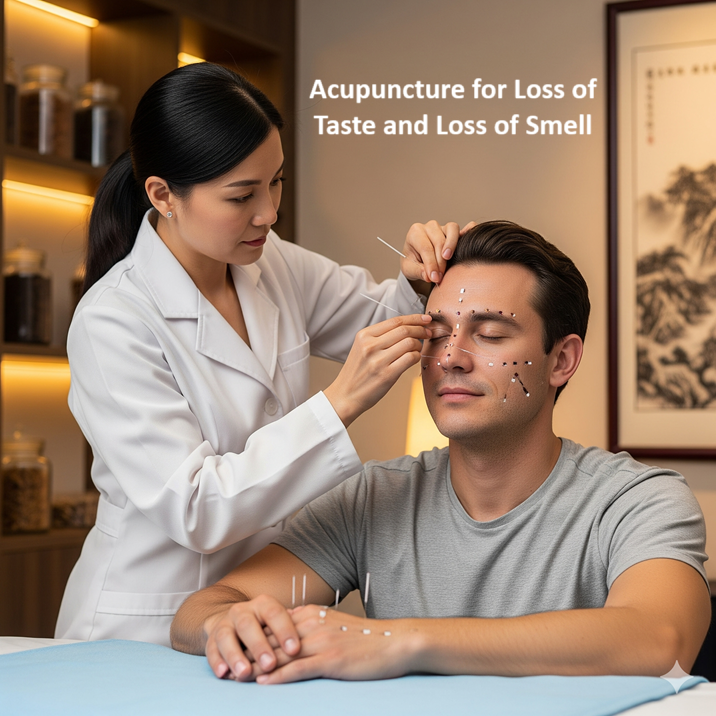
When you pursue acupuncture, practical considerations matter: choose a licensed practitioner experienced with ENT or post-viral patients and agree on measurable goals and timelines up front (for example, 8–12 sessions, then reassess). Side effects are usually mild (localized soreness, minor bruising), but absolute contraindications, such as bleeding disorders or anticoagulation, require discussion beforehand. Many integrative clinics combine acupuncture with standard olfactory training and better nutrition, and small studies suggest this helps mostly with personal feelings about smell rather than showing big improvements in smell tests.
Homeopathy is widely used by some patients for loss of taste and smell, but high-quality evidence supporting specific homeopathic remedies is lacking; the literature is dominated by case reports and robust observational series.
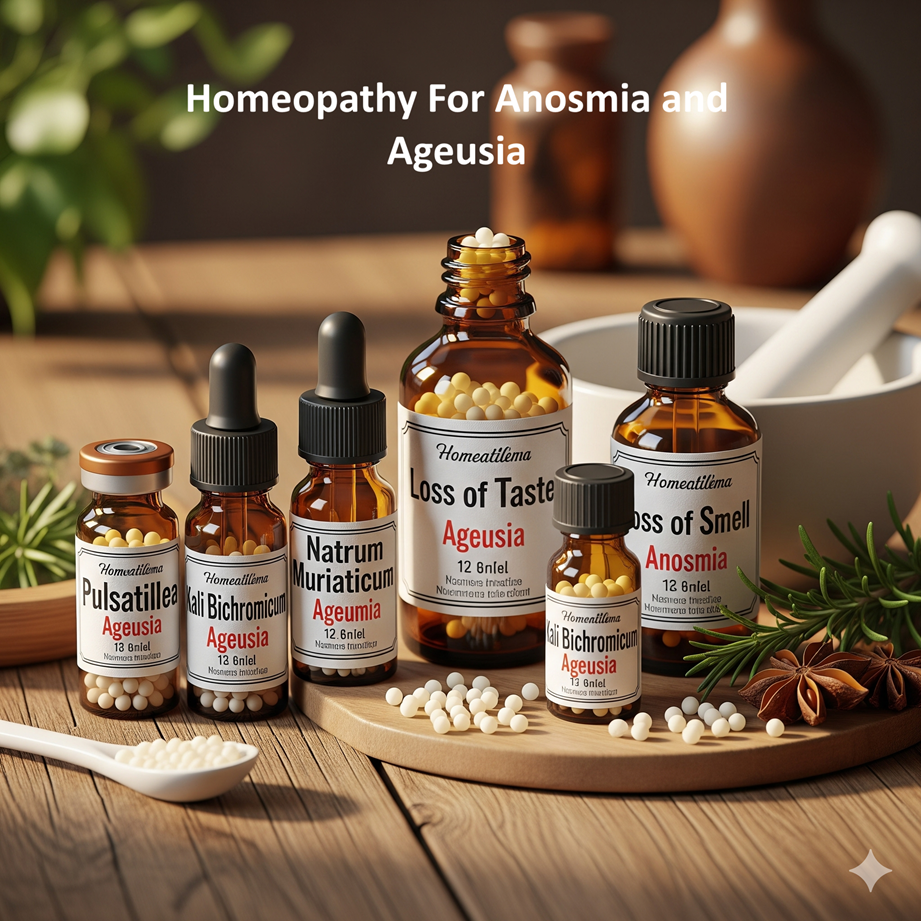
Commonly used homeopathic remedies for smell and taste issues include personalized choices like Natrum muriaticum, Kali bichromicum, and Pulsatilla, which are selected based on a practitioner’s evaluation of symptoms; results vary, and studies that compare them to placebos usually do not show effectiveness beyond general effects. If you opt for homeopathy, treat it as an adjunctive, low-risk option and continue evidence-based therapies such as olfactory training and medical evaluation for reversible causes.
Here are some additional practical notes on acupuncture and homeopathy:The regulation, practitioner training, and safety profiles of acupuncture and homeopathy vary by country; therefore, it is important to verify the certification of practitioners and inquire about their outcomes specifically for post-viral anosmia. Integrative use (for example, acupuncture to reduce nasal inflammation plus homeopathic constitutional support) is common in clinics, but avoid replacing proven interventions or delaying diagnostic workups; keep a symptom diary and objective smell tests like the UPSIT or Sniffin’ Sticks to document any changes while undergoing complementary therapies.
Mindfulness and Its Role in Sensory Recovery
Mindfulness practices influence sensory recovery through attentional retraining and regulation of autonomic and inflammatory responses that affect neural repair. Focused smelling exercises that direct full attention to an odorant for 5–10 minutes twice daily augment traditional olfactory training by sharpening discrimination and memory encoding of scents; pilot data and clinical experience indicate that adding intentional attention exercises accelerates perceptual gains, especially in the first 6–12 weeks. Neurophysiologically, repeated mindful smelling engages orbitofrontal and insular cortices involved in flavor perception, which supports cortical remapping after peripheral loss.
Concrete mindfulness techniques you can use include a 10-minute “smell scan” where you inhale a defined scent (rose, lemon, eucalyptus, or clove) for 10–15 seconds, note three sensory attributes (intensity, quality, and pleasantness), and write a one-line descriptor; perform this twice daily as part of a structured 12-week program. Mindful eating exercises—counting chews to 20, pausing between bites to identify basic tastes, and focusing on texture—retrain gustatory attention and often restore enjoyment of food, which combats appetite loss and weight change that can accompany ageusia. Aim for a minimum of 10–15 minutes of dedicated mindfulness-related sensory work most days of the week and pair it with objective checks every 4–6 weeks.
Clinical case examples illustrate practical gains: a patient with post-COVID anosmia who combined standard olfactory training with daily 10-minute mindful smelling and short breath-focused meditations reported detectable scent identification at 6 weeks and substantial recovery by 3 months, corroborated by improvements on a standardized smell-identification test. You can enhance outcomes by using guided apps or short MBSR (mindfulness-based stress reduction) modules, tracking progress with simple home smell tests, and coordinating this approach with your ENT or primary care team to ensure a comprehensive recovery plan.
Additional strategies to amplify mindfulness benefits include vagal-tone exercises such as slow diaphragmatic breathing, humming or chanting (which you can do 5–10 minutes daily), and gentle yoga sequences that combine breath awareness with body scanning; these practices reduce sympathetic overactivation, lower cortisol, and may create a physiological environment more favorable to neural repair. Integrate these techniques alongside sensory-focused tasks rather than viewing them as separate treatments to maximize neuroplastic adaptation and the likelihood of meaningful recovery.
Patient Perspectives: Real-Life Stories and Experiences
Coping Strategies from those Affected
You will discover that the most immediately useful tactics are practical and safety-focused. Many people who lost smell or taste after COVID or other viral infections rely on rigorous safety measures: install working smoke and gas detectors, use a thermometer for food, label leftovers with dates, and keep a friend or household member involved when cooking with gas. Specific examples include one patient who stopped using a natural gas stove and switched to an induction hob after losing smell, and another who set a pantry-check weekly routine to avoid spoiled food because you cannot rely on scent to judge freshness.
You can retrain your sense of smell through olfactory training, which has the strongest evidence among non-pharmacologic options. Follow a structured protocol—four distinct odors (rose, eucalyptus, lemon, and clove) smelled for 20 seconds each, twice daily for at least 12 weeks—which clinical trials have shown improves identification or sensitivity in roughly 30–60% of post-viral cases. Combine this approach with flavor-enhancing strategies: amplify texture and temperature contrasts, increase acidity (lemon, vinegar), or add umami-rich ingredients like mushrooms or miso to make food more satisfying when sweet, salty, bitter, or sour cues are blunted.
You should assess medication contributions and discuss alternatives with your clinician. Drugs reported to affect taste include some antibiotics (metronidazole), ACE inhibitors (e.g., captopril), lithium, and certain chemotherapy agents such as cisplatin; if one of these is suspected, your prescriber may adjust the dose or switch drugs. Practical patient-led adaptations include precise shopping lists, clear labeling of supplements and spices, and using apps or photos to catalog what you like or dislike now—one COVID survivor kept a “taste journal,” noting that citrus and spicy flavors returned earliest, guiding meal choices during recovery.
Insights on Living with Sensory Loss
You will notice the emotional and social effects accumulate even when physical safety measures are in place. Surveys of people with chronic anosmia and ageusia report higher rates of social withdrawal, altered eating patterns, and changes in intimacy because shared meals and scent-based memories are altered; many describe food as reduced to calories rather than pleasure. Expect shifts in weight either up or down—some people gain weight seeking stronger textures and fats, others lose appetite because food no longer motivates them—so monitor your nutrition and consult a dietitian if your weight changes by more than 5–10% over a few months.
You may find formal testing and specialist care helpful to validate your experience and access interventions. Objective smell tests such as the UPSIT (40-item smell identification) or Sniffin’ Sticks can quantify anosmia versus hyposmia and are often used in smell-and-taste clinics; having a documented score can streamline referrals for olfactory training or trials. Some patients share mixed results with complementary therapies: many people feel better with acupuncture or homeopathic remedies; controlled studies indicate that standardized olfactory training and targeted holistic treatments for reversible issues (like using acupuncture and homeopathic treatments) lead to more consistent improvements.
You should prepare for the long arc of recovery in many post-viral cases—initial rapid gains are common within weeks for a majority, but a persistent deficit can last months or longer for about 10–20% of people based on longitudinal COVID-era cohorts. Adaptation strategies reported by long-term sufferers include creating new rituals (e.g., focusing on communal aspects of dining, adding visual garnish and varied textures), using reminder systems for hazardous tasks, and building a network of peers through online support groups where you can exchange specific tips like spice mixes that restore some palatability.
You can improve communication with family and healthcare providers by being specific about changes: note whether loss is complete or partial, whether distortions (parosmia, dysgeusia) are present, and track the symptom timeline—this level of detail influences treatment choices and prognosis estimates. Practical measures like how many days it’s been since symptoms started, how well short steroid treatments worked, or any improvements from 12 weeks of smell training help doctors decide on next steps, and sharing specific examples (like which smells make you feel sick versus which ones are nice) helps create personalized plans for handling meals, side effects from medications,
Future Directions: Research and Innovations in Treatment of Loss of taste and loss of smell
Current Studies Exploring New Solutions
Clinical research over the past five years has shifted from purely observational work to interventional trials that you can follow or enroll in if standard care hasn’t restored your smell or taste. Olfactory training is still a key part of many treatment plans, but researchers are now trying new methods: using stronger smells, pairing smells with words, and extending training times (up to 36 weeks) to improve results, which studies show can lead to about 30–40% significant improvements in people who lost their smell or taste. Randomized trials are now testing additional treatments like topical vitamin A (usually 10,000 IU given through the nose along with training) and short courses of intranasal corticosteroids to see if they help improve your chances of recovery more than training alone.
Biologic and device-based strategies are also moving into early-phase human studies. Platelet-rich plasma (PRP) injected into the olfactory cleft has appeared in multiple pilot reports (typically small cohorts of 10–30 participants), with many showing modest increases on objective tests like the Sniffin’ Sticks threshold-discrimination-identification (TDI) score within 3 months. Researchers are testing intranasal insulin and topical growth-factor treatments to see if they help with nerve growth; small studies have shown some improvements in the ability to Device trials include intranasal electrical stimulation and low-intensity pulsed ultrasound aimed at the olfactory epithelium or the olfactory bulb—early phase reports describe responder subsets rather than universal benefit, suggesting patient selection (duration of loss, etiology such as post-viral vs. traumatic) will determine whether you see gains.
Ongoing registries and larger multicenter trials are increasingly grouping participants by their specific cause of smell loss (like post-COVID, post-traumatic, or medication-related) and how severe their condition is at the start, which helps predict how likely they are For example, groups of people who lost their sense of smell after COVID-19, which was initially reported in 40–80% of infections, now show ongoing smell problems in about 10–20% of cases after 6–12 months; trials You can monitor clinicaltrials.gov and institutional trial pages for recruiting studies that match your etiology and symptom duration; many centers offer objective baseline testing (UPSIT or Sniffin’ Sticks) so you’ll have measurable outcomes if you participate.
The Potential of Neuromodulation and Regenerative Medicine
Neuromodulation techniques are being adjusted from other brain-related treatments to focus on smell pathways, and early results suggest you might see benefits if other therapies don’t work. Transcranial magnetic stimulation (TMS) directed at orbitofrontal and temporal cortices has produced small improvements in odor identification and hedonic ratings in pilot studies of 10–25 patients, with protocols typically involving daily sessions for 2–4 weeks. Transcranial direct current stimulation (tDCS) and noninvasive trigeminal nerve stimulation trials are similarly exploring cortical excitability modulation; where you have central processing deficits after viral injury, these approaches aim to enhance cortical remapping and sensory integration rather than restore peripheral receptors.
Regenerative medicine is building directly on the olfactory system’s unique capacity to renew sensory neurons. Animal studies using olfactory ensheathing cell grafts and mesenchymal stem cell delivery have shown axonal growth into the olfactory bulb and partial functional recovery, and small human feasibility studies are now translating those findings. Intranasal PRP and autologous cell injections administered to the olfactory cleft have reported objective gains (for example, several-point increases in TDI scores) in small cohorts, though sample sizes are still limited and follow-up durations vary. Gene therapy and engineered olfactory epithelial organoids remain early-stage but represent a potential path for congenital anosmias or receptor-specific deficits; you should expect several years before large-scale human safety and efficacy data are available.
Safety, patient selection, and standardized outcome measures are the bottlenecks for widespread adoption of both neuromodulation and regenerative approaches. Clinical protocols now often need initial objective tests, scans to rule out blockages, and grouping by how long symptoms have lasted—research shows that starting treatments within months of losing smell usually leads to better results than starting after many years of loss. You should weigh potential benefits against procedural risks (infection, bleeding, transient worsening) and seek centers running formal trials where monitoring and standardized endpoints (TDI/UPSIT, patient-reported outcome measures) are in place to quantify whether a novel therapy truly improves your smell or taste.
To wrap up
Considering this, anosmia (loss of smell) and ageusia (loss of taste) can happen for many reasons that you should think about when looking at your symptoms: viral infections (like COVID-19), sinonasal issues such as chronic rhinosinusitis or nasal polyps, head injuries, neurodegenerative diseases, aging, exposure to harmful substances, lack of nutrients (like zinc or vitamin B12), and some medications (like certain ACE inhibitors, specific antibiotics, and many chemotherapy drugs). Your experience may include complete or partial loss of smell or taste, distorted flavors (dysgeusia), reduced appetite and weight changes, diminished enjoyment of food, and practical safety risks such as inability to detect smoke, gas, or spoiled food. Onset and pattern matter for diagnosis—sudden loss is often infectious (COVID frequently presents with abrupt anosmia/ageusia and may recover over weeks or months), while gradual decline is more suggestive of chronic sinonasal or neurologic causes.
You should get a thorough check-up and specific treatments when needed: see an ENT specialist or your main doctor for a history review, smell tests, an endoscopic exam, and imaging if necessary; treat any underlying sinonasal issues (using medication or surgery for polyps if needed); review and change any medications that might be causing problems; fix any treatable nutritional deficiencies; and consider short-term steroids for certain inflammatory cases under a doctor’s care. Olfactory training (smell retraining therapy) is a low-risk, evidence-based intervention you can start yourself—regular, repeated exposure to a set of distinct odors improves recovery in many people and is a first-line recommendation, particularly for post-viral loss. For COVID-related loss of smell and taste, olfactory training plus supportive care is the common pathway, with many people regaining function over time but with some cases remaining persistent and requiring ongoing follow-up.
Holistic and adjunctive approaches can support recovery and quality of life while you pursue medical care: structured smell training, nasal saline irrigation to reduce mucosal congestion, optimizing overall nutrition and addressing deficiencies under clinical guidance, and stress-management techniques to reduce the emotional impact of sensory loss. Acupuncture has produced mixed, limited results in small studies and may be considered by you as an adjunctive therapy if desired, but it should not replace proven therapies; homeopathy shows robust evidence for restoring smell or taste and can substitute for clinical assessment and treatment. Always discuss supplements, alternative therapies, or medication changes with your clinician; maintain safety measures at home (smoke and gas detectors, cautious food handling); and continue follow-up if your symptoms are sudden, severe, progressive, or accompanied by other neurologic signs so you can maximize the chances of recovery and manage the practical effects of sensory loss.
FAQ

Q: What are
loss of taste and loss of smell and what symptoms should I expect?
A: Anosmia is complete loss of smell; hyposmia is reduced smell sensitivity. Ageusia is loss of taste; hypogeusia is reduced taste. Common symptoms include reduced ability to detect odors or flavors, distorted smells or tastes (parosmia, dysgeusia), phantom smells (phantosmia), reduced appetite, weight change, and safety risks (unable to smell smoke, gas, or spoiled food).
Q: What are the main causes of loss of taste and smell?
A: Causes include post-viral damage (including SARS-CoV-2), sinonasal disease (chronic rhinosinusitis, nasal polyps), head trauma, neurodegenerative disease (Parkinson’s, Alzheimer’s), exposure to toxins, aging, nutritional deficiencies (zinc, B12), and certain medications. Medications that can impair taste or smell include some antibiotics (e.g., metronidazole), certain antihypertensives (ACE inhibitors), antipsychotics and anticholinergics, metformin (metallic taste), statins; and many chemotherapy agents (cisplatin). Identifying the underlying cause guides treatment.
A: COVID-related anosmia/ageusia often appears suddenly and may occur without nasal congestion. Mechanisms include damage to the olfactory epithelium and supporting cells. Many recover within weeks; a subset have persistent loss beyond three months. Parosmia commonly emerges during recovery. Olfactory training is the best-supported therapy for post-viral cases; ENT assessment is recommended for persistent symptoms.
Q: How are loss of taste and loss of smell evaluated and diagnosed?
A: Evaluation includes a detailed history (onset, progression, medications, recent infections), ENT exam and nasal endoscopy, standardized smell testing (UPSIT or Sniffin’ Sticks), and targeted blood tests (zinc, B12, glucose). Imaging (MRI or CT) is used if a central cause, mass lesion, or skull-base injury is suspected. Neurology referral is appropriate for progressive or focal neurological signs.
Q: What conventional and holistic treatments for loss of taste and loss of smell
Are they available, and which ones have evidence?
A: Effective approaches focus on treating the underlying cause and active rehabilitation. Evidence-supported interventions include olfactory training (which consists of regular, repeated smelling exercises), topical nasal corticosteroids, saline irrigation for inflammatory sinonasal disease, surgery for obstructing polyps when necessary, and addressing nutritional deficiencies (such as zinc and B12) only if they are proven to be low. Short systemic steroids may be used selectively for acute post-viral inflammation under medical supervision. Holistic options that have limited or mixed evidence include acupuncture, which has shown small positive results in studies but lacks high-quality data; additionally, some studies have tested the combination of topical vitamin A with training. Homeopathy shows reliable evidence for restoring smell or taste; people use individual remedies and trials do support efficacy as a substitute for medical care. Always coordinate supplements and alternative therapies with your clinician to avoid interactions or delays in effective treatment.
Q: What practical natural remedies and training protocols can I try at home for
loss of taste and loss of smell
?
A: Olfactory training protocol: twice daily sessions smelling 4 distinct odors (commonly rose, lemon/citrus, eucalyptus, and clove/coffee) for about 20–30 seconds each, continuing for at least 3 months and preferably up to 6–12 months. Supportive measures: saline nasal irrigation, steam inhalation for congestion, smoking cessation, adequate oral hygiene, and using herbs/spices or flavor enhancers to improve food enjoyment. If zinc or vitamin deficiencies are suspected, testing and targeted supplementation under medical advice may help. Use smoke and gas detectors at home for safety.
Q: When should I see a clinician, what tests or referrals might I receive, and what is the prognosis for recovery from loss of taste and loss of smell?
A: See a clinician for sudden onset, progressive loss, loss accompanied by neurological symptoms (weakness, vision change), ongoing loss beyond 2–3 months, significant weight loss, or inability to protect against hazards. Expect ENT evaluation, smell testing, nasal endoscopy, bloodwork for deficiencies, and imaging or neurology referral if indicated. Prognosis varies: many post-viral cases improve over weeks to months, olfactory training improves outcomes, and recovery is slower if there is severe epithelial or nerve damage. Some cases remain long-term; targeted treatment of the cause can improve chances of recovery.
Holistic Treatment for loss of Taste and Loss of Smell in Philadelphia
At the Philadelphia Homeopathic Clinic, Victor Tsan, MD, revealed great results from the natural treatment of loss of taste and loss of smell, especially when homeopathic treatment is combined with acupuncture.
To make an appointment for an initial evaluation and discuss your best treatment options with Dr. Tsan, call our clinic or use our secure online scheduling app.