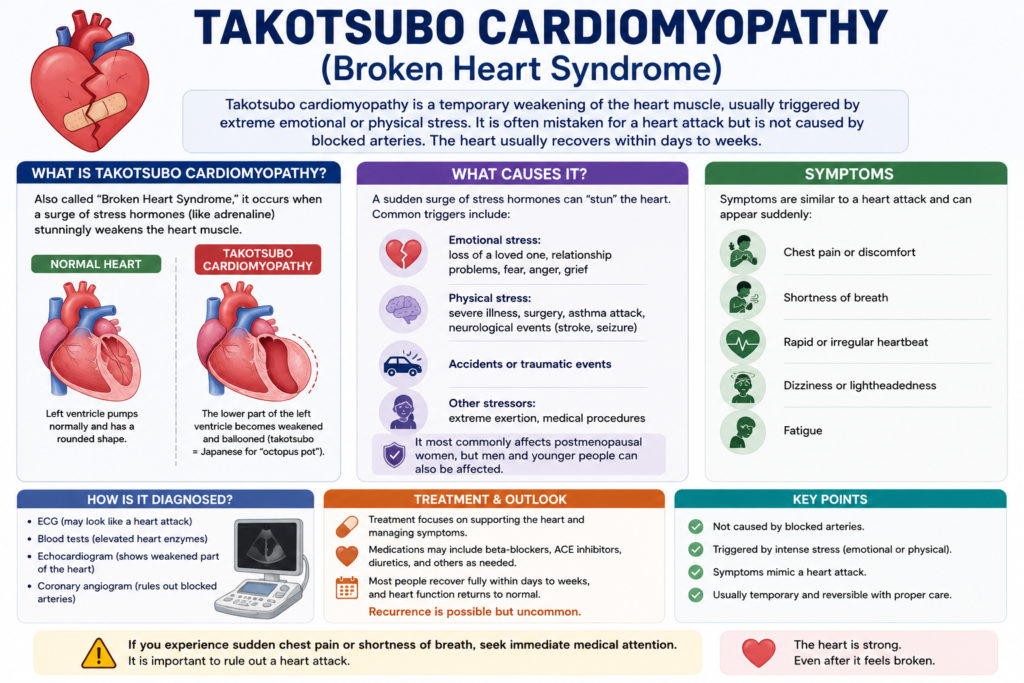
Takotsubo Cardiomyopathy
Many people experience Takotsubo Cardiomyopathy, also known as Broken Heart Syndrome. You might wonder about the causes and symptoms of this stress-induced heart condition. This post explores how emotional or physical stress can trigger Takotsubo Cardiomyopathy and discusses natural approaches to managing its effects.
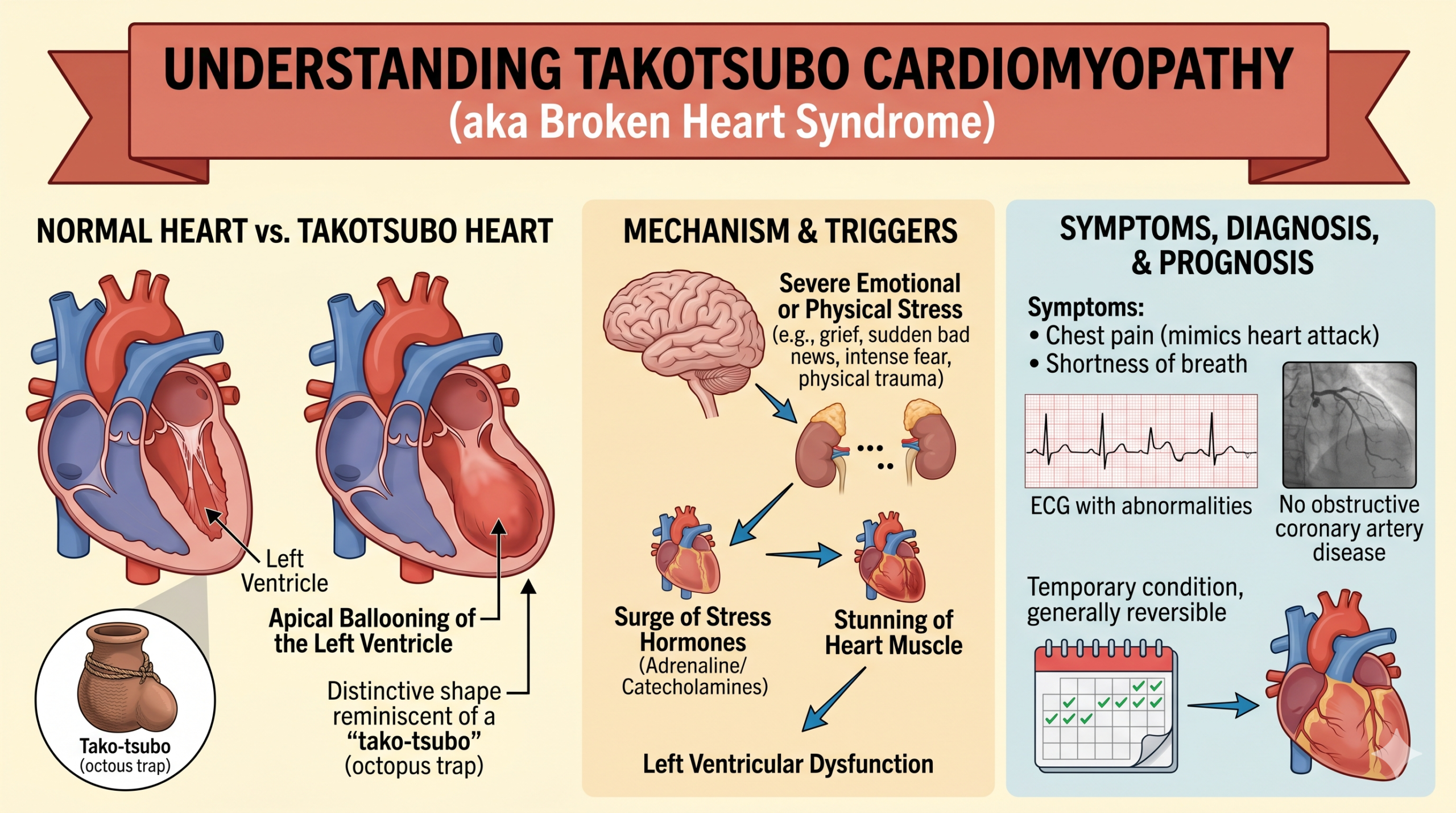
Understanding the Etiology and Triggers for Takotsubo Cardiomyopathy
Takotsubo cardiomyopathy, often referred to as “broken heart syndrome,” is a fascinating condition where your heart muscle suddenly weakens, mirroring a heart attack, but without the typical blockages in your coronary arteries.
Researchers have identified several key factors contributing to its onset, primarily focusing on extreme emotional or physical stress. Understanding these underlying causes is important for both prevention and effective management of this unique cardiac response.
Your body’s response to stress plays a significant role in this condition. When you experience overwhelming situations, your body releases a surge of catecholamines, such as adrenaline and noradrenaline. These hormones, while vital for the “fight or flight” response, can become detrimental in excessive amounts, leading to a temporary stunning of the heart muscle, particularly the left ventricle. This stunning result is the characteristic ballooning shape of the ventricle, resembling a Japanese octopus pot (takotsubo), from which the condition gets its name. The exact mechanisms by which these stress hormones affect your heart are still being investigated, but it is believed that they can cause microvascular dysfunction, direct toxicity to heart cells, or even lead to coronary artery spasm. Identifying these specific triggers in your life can be a powerful step toward mitigating your risk and promoting overall heart health.
Emotional Stress Factors may trigger a flare-up of
Takotsubo Cardiomyopathy
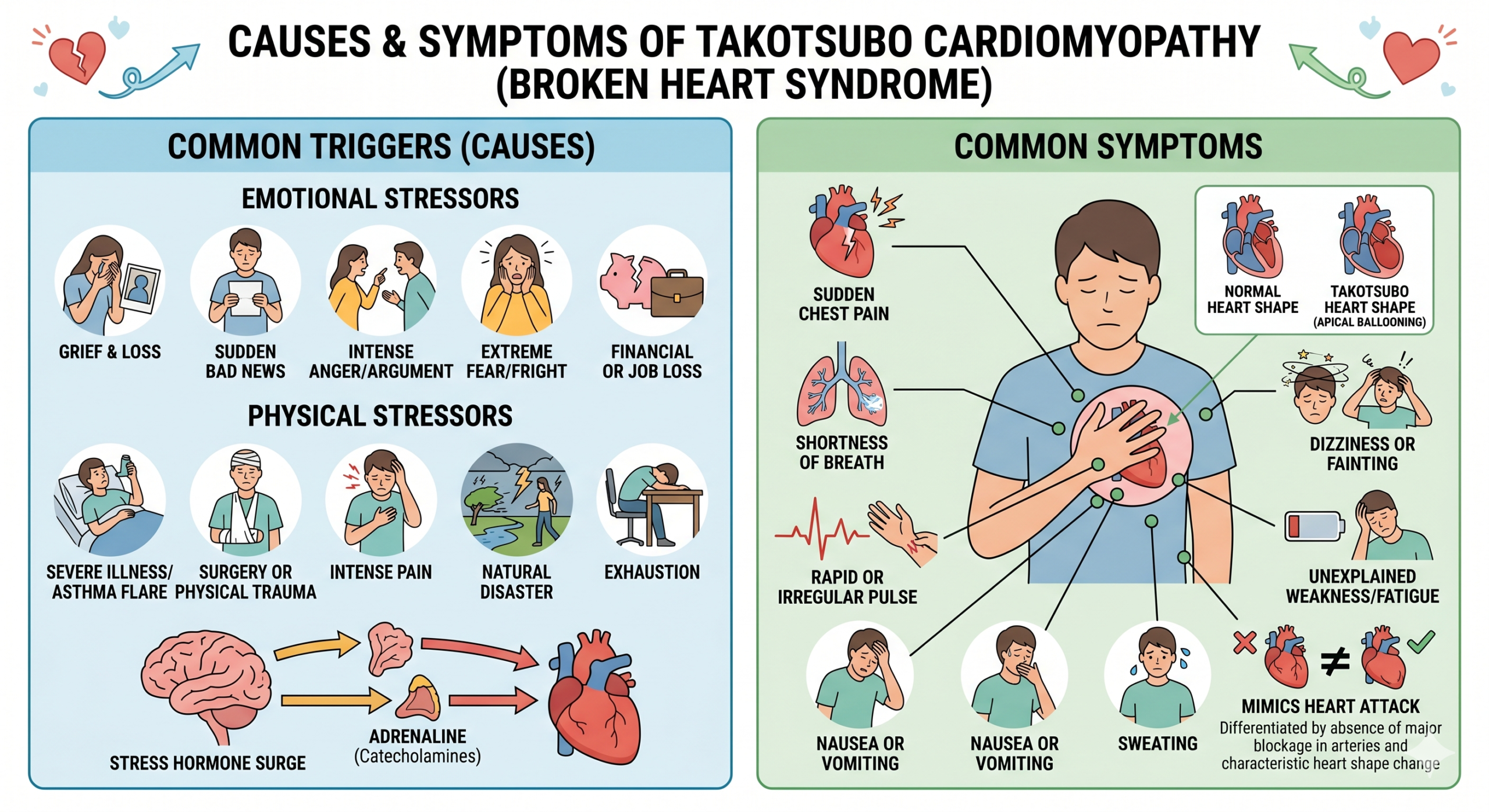
Experiencing profound emotional distress is the most commonly recognized trigger for takotsubo cardiomyopathy, often manifesting after sudden, intense emotional shocks. You might find yourself at risk following the death of a loved one, a devastating breakup, or even receiving extremely bad news. These types of events can flood your system with stress hormones, directly impacting your heart’s function. Sudden financial loss or significant interpersonal conflicts also contribute to the emotional burden that can precipitate this condition. The intensity of these emotional stressors can overwhelm your body’s coping mechanisms, leading to the acute cardiac symptoms associated with takotsubo cardiomyopathy. Not just negative emotions can trigger it; even extreme surprise, like winning the lottery, has been reported as a cause. * The death of a loved one * A traumatic breakup or divorce * Receiving devastating news * Experiencing sudden financial loss * Engaging in intense arguments * Surviving a natural disaster Knowing your personal emotional resilience and developing healthy coping strategies are crucial for protecting your heart.
Physical Stress Responses can deteriorate Takotsubo Cardiomyopathy
Beyond emotional turmoil, significant physical stress can also induce takotsubo cardiomyopathy, placing considerable strain on your body. You might encounter this condition after experiencing severe pain, undergoing a major surgical procedure, or suffering from an acute medical illness like sepsis or an asthma attack. These physical stressors initiate a similar cascade of stress hormones that can harm your heart. Intense physical exertion, such as running a marathon without proper training, or even a sudden, severe allergic reaction, can also act as a trigger. Your body’s response to these physical challenges can be just as impactful as emotional distress in overwhelming your cardiac system. These situations push your body to its limits, leading to the temporary weakening of the heart muscle. Additionally, certain medical interventions, such as those involving high doses of adrenaline or other sympathomimetic drugs, can inadvertently trigger takotsubo cardiomyopathy. Recognizing these potential physical stressors in your life allows you to discuss preventative measures with your healthcare provider, especially if you have other risk factors.
Recognizing Clinical Signs and Presentation of Takotsubo Cardiomyopathy
Understanding the clinical presentation of Takotsubo cardiomyopathy, often referred to as broken heart syndrome, is crucial for timely diagnosis and appropriate management. You might notice a sudden onset of symptoms that mimic a heart attack, leading many to seek emergency medical attention. These symptoms typically appear shortly after an intense emotional or physical stressor, such as the death of a loved one, a severe argument, or even a surprising party.
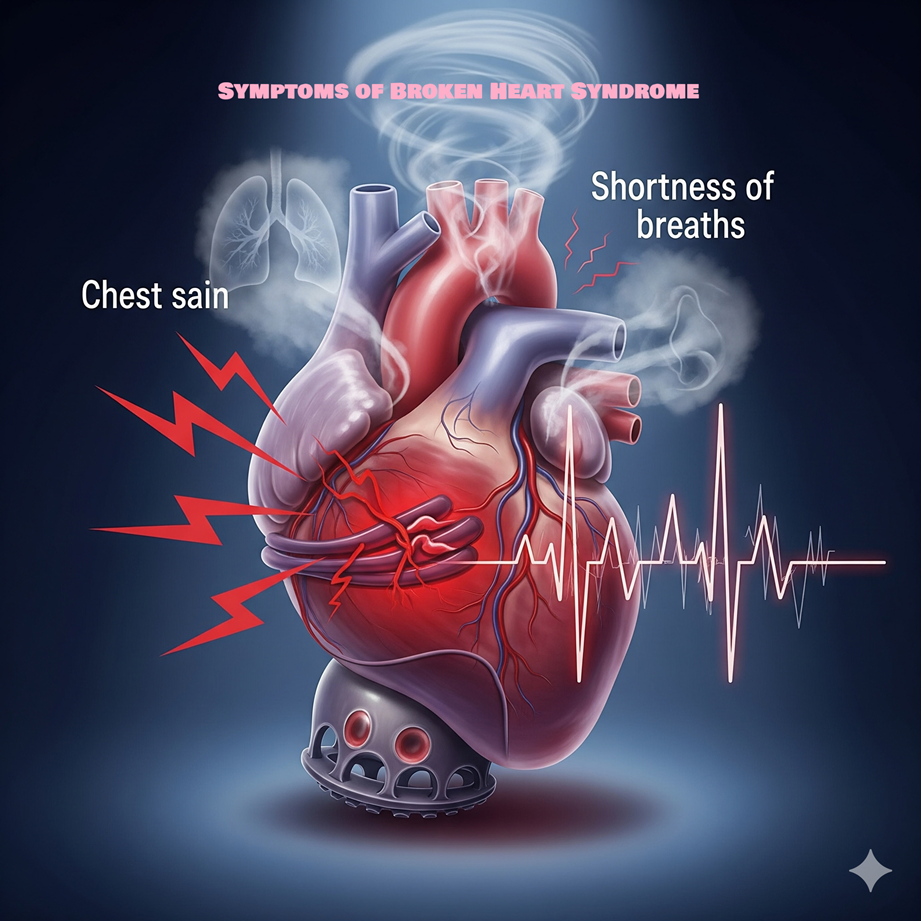
Identifying these specific indicators helps differentiate Takotsubo cardiomyopathy from other cardiovascular conditions. Your awareness of these distinct signs can significantly contribute to a more accurate and rapid diagnosis. While the experience can be frightening, knowing what to look for can provide a sense of control during a stressful medical situation.
Recognizing the unique pattern of symptoms is imperative for anyone who has recently experienced significant stress. You will find that the presentation often involves a constellation of acute physical signs, which specific diagnostic observations then confirm. This dual approach ensures a comprehensive understanding of your condition.
Acute Physical Indicators
You may experience sudden chest pain, which is the most common symptom of broken heart syndrome. This pain can range from mild discomfort to severe, crushing sensations, often radiating to your arm or jaw. The onset is typically abrupt, occurring minutes to hours after a major stressful event.
Shortness of breath is another prominent symptom you might encounter. This can manifest as difficulty catching your breath, especially when lying down or during light activity. You might also notice a feeling of tightness in your chest, making it difficult to take a deep breath.
Palpitations, characterized by a fluttering or pounding sensation in your chest, can also indicate the presence of Takotsubo cardiomyopathy. You might feel your heart racing or skipping beats, which can be quite alarming. Some individuals also report dizziness or fainting spells, particularly when standing up quickly.
Diagnostic Observations for Takotsubo Cardiomyopathy
Electrocardiogram (ECG) changes are a key diagnostic observation in Takotsubo cardiomyopathy. You will typically see ST-segment elevation or T-wave inversions, which can initially be mistaken for a heart attack. These changes, however, tend to be more widespread than those seen in typical myocardial infarction.
Elevated cardiac biomarkers, such as troponin levels, are also commonly observed. While these markers indicate heart muscle damage, their levels are usually lower in Takotsubo cardiomyopathy compared to a true heart attack, despite the severity of your symptoms. This discrepancy helps in differentiating the two conditions.
Echocardiography will reveal a characteristic pattern of left ventricular dysfunction. You will likely see a ballooning of the left ventricle’s apex, resembling a Japanese octopus trap (takotsubo), while the base remains hyperkinetic. This unique wall motion abnormality is a hallmark of the syndrome.
Cardiac catheterization, often performed to rule out coronary artery disease, will show no significant blockages in your coronary arteries. This absence of obstructive coronary artery disease, along with the other diagnostic findings, confirms Takotsubo cardiomyopathy.
Overview of Therapeutic Management of Takotsubo Cardiomyopathy
You may be wondering how Takotsubo Cardiomyopathy, often called broken heart syndrome, is managed once diagnosed. The primary goal of therapeutic management for this unique condition is to support your heart’s function while it recovers and to address any underlying emotional or physical stressors. Unlike typical heart attacks, the treatment approach for Takotsubo Cardiomyopathy often focuses on supportive care and symptom management rather than immediate interventions like angioplasty or stenting, which are common for coronary artery blockages. Your recovery journey will involve close monitoring and a personalized plan tailored to your specific symptoms and overall health. Doctors prioritize ensuring your heart can effectively pump blood throughout your body, often utilizing medications to help with this process. The focus is on allowing the heart muscle, which doctors have temporarily stunned, to regain its normal function over a period of days or weeks. Understanding the various treatment options available, both conventional and natural, can help you feel more prepared and informed about your path to recovery. While conventional medicine provides imperative immediate and ongoing support, natural approaches can complement these treatments, offering additional ways to support your heart and overall well-being during this sensitive time.
Conventional Medical Protocols for Takotsubo Cardiomyopathy
Medical professionals will typically initiate a course of medications aimed at supporting your heart’s function and preventing complications. You might receive beta-blockers, which help to slow your heart rate and reduce the workload on your heart, or ACE inhibitors, which can help relax blood vessels and lower blood pressure. These medications are crucial in managing the acute phase of Takotsubo Cardiomyopathy. Your doctors may also prescribe diuretics to help reduce fluid retention, especially if you experience symptoms like shortness of breath or swelling. Anticoagulants, such as blood thinners, might be considered if there’s a risk of blood clot formation, although this scenario is less common than in traditional heart attacks. The specific combination of medications will depend on your individual symptoms and the severity of your condition. Regular follow-up appointments, including echocardiograms, will be scheduled to monitor your heart’s recovery. These imaging tests allow your medical team to observe the improvement in your heart’s pumping ability and ensure that the left ventricle, which often balloons out in Takotsubo Cardiomyopathy, is returning to its normal shape and function.
Foundations of Natural Recovery from Takotsubo Cardiomyopathy
Supporting your heart’s natural healing process can significantly enhance the effectiveness of conventional medical treatments for broken heart syndrome. Focusing on stress reduction techniques is paramount, given the strong link between emotional stress and Takotsubo Cardiomyopathy. Engaging in practices such as meditation, deep breathing exercises, or gentle yoga can help calm your nervous system and reduce the physiological impact of stress on your heart. Nourishing your body with a heart-healthy diet rich in fruits, vegetables, whole grains, and lean proteins can provide imperative nutrients for recovery. Avoiding processed foods, excessive sugar, and unhealthy fats can further support cardiovascular health and reduce inflammation. Staying well-hydrated by drinking plenty of water throughout the day is also beneficial for overall bodily function. Gentle physical activity, once cleared by your doctor, can gradually strengthen your heart and improve circulation. Starting with short walks and slowly increasing intensity can be a safe and effective way to rebuild your stamina. Prioritizing adequate sleep, aiming for 7-9 hours per night, allows your body, especially your heart, to rest and repair. Beyond these foundational elements, incorporating specific supplements, under medical guidance, can offer additional support. Omega-3 fatty acids, found in fish oil, are known for their anti-inflammatory properties and benefits for heart health. Magnesium and CoQ10 are also frequently discussed for their roles in energy production and muscle function, including the heart muscle. Exploring herbal remedies with calming properties, such as chamomile or valerian root, could further aid in stress reduction and promote restful sleep. Be mindful that any natural treatment for broken heart syndrome should always be discussed with your healthcare provider to ensure it complements your conventional medical plan and is safe for your individual condition.
Specialized Integrative Interventions for Takotsubo Cardiomyopathy Treatment
Acupuncture offers a promising avenue for supporting your recovery from Takotsubo Cardiomyopathy, often working in conjunction with conventional medical approaches. This ancient practice, rooted in Traditional Chinese Medicine, aims to restore balance within your body’s energy systems, known as meridians. By carefully placing fine needles at specific acupoints, practitioners can change how organs work, reduce inflammation, and relieve stress, all of which are important in the development and progression of Takotsubo. Your personalized treatment plan would consider your unique symptoms and overall health profile. Homeopathic treatment provides another gentle yet powerful integrative option to consider for Takotsubo Cardiomyopathy. This system of medicine focuses on stimulating your body’s innate healing capabilities using highly diluted substances. A homeopathic practitioner will conduct a thorough assessment, taking into account your physical, emotional, and mental symptoms to select a remedy that precisely matches your individual presentation. This individualized approach ensures that the chosen remedy addresses the root causes of your distress and supports your holistic recovery. You can explore these specialized interventions as complementary strategies to your existing medical care. Both acupuncture and homeopathy are designed to work with your body, promoting healing and resilience without the side effects often associated with pharmaceutical interventions. Discussing these options with your healthcare team is always recommended to ensure a coordinated and effective approach to managing your Takotsubo Cardiomyopathy.
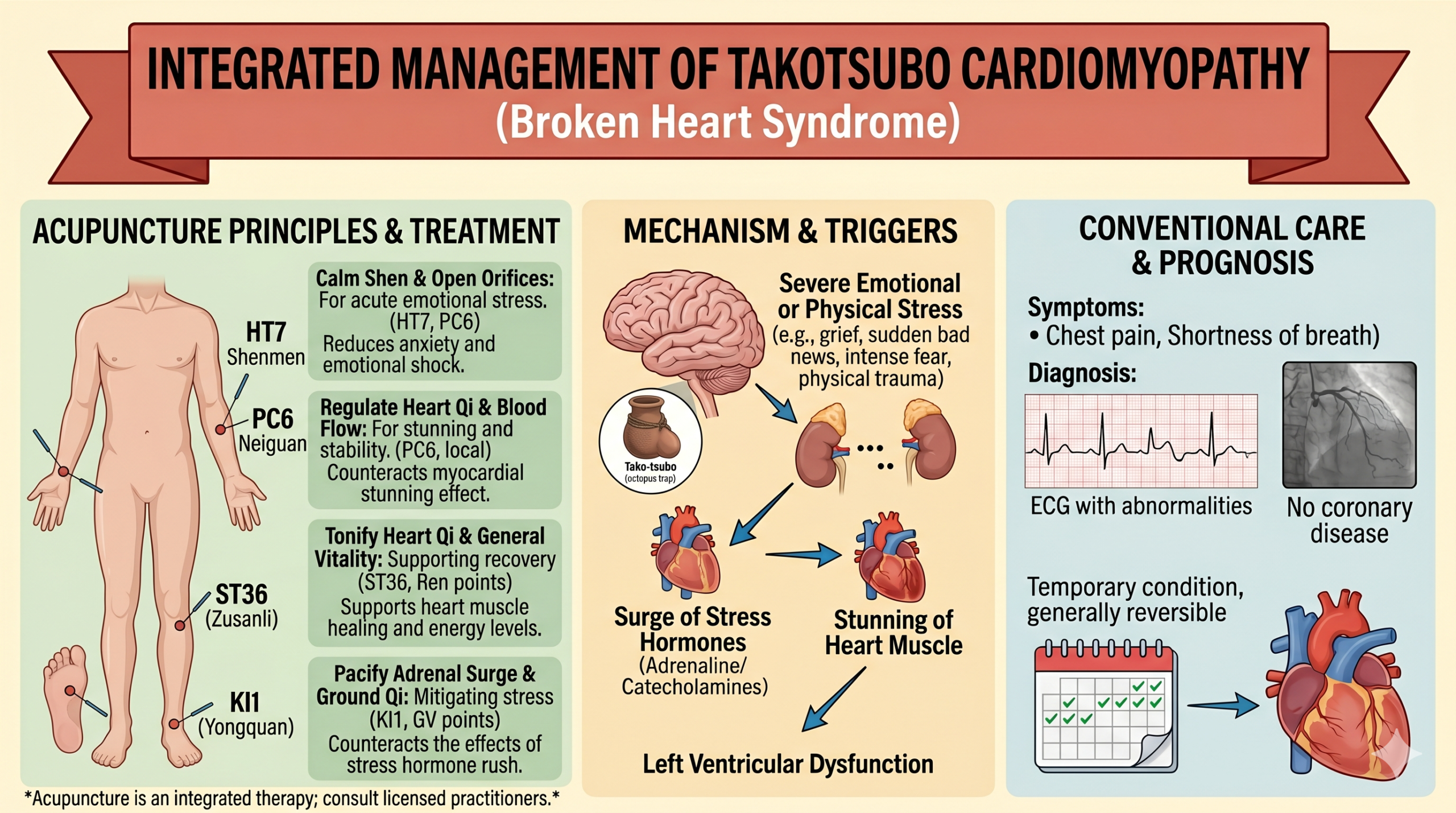
Benefits of Acupuncture in Cardiac Care
Acupuncture has demonstrated considerable benefits for individuals experiencing cardiac issues, including those recovering from Takotsubo Cardiomyopathy. This therapy can significantly reduce the physical and emotional stress that often precedes or accompanies cardiac events. You might find relief from chest pain, palpitations, and shortness of breath, common symptoms associated with Takotsubo. Studies have shown acupuncture can modulate the autonomic nervous system, promoting a parasympathetic response that calms the heart and reduces the “fight or flight” stress response. The anti-inflammatory effects of acupuncture are particularly relevant in the context of cardiac health. Inflammation plays a role in various cardiovascular conditions, and by reducing systemic inflammation, acupuncture can contribute to a healthier heart environment. You could experience improved blood circulation and a reduction in the markers of inflammation, aiding your heart’s recovery. This reduction in inflammation helps to protect cardiac tissue from further damage and supports its repair processes. Acupuncture also helps regulate neurotransmitters and hormones, which can directly impact your mood and stress levels.
 You may notice an improvement in sleep quality, reduced anxiety, and a greater sense of well-being. These psychological benefits are incredibly important during recovery from a stressful event like Takotsubo Cardiomyopathy, as emotional health directly influences physical healing. A calmer mind supports a healthier heart.
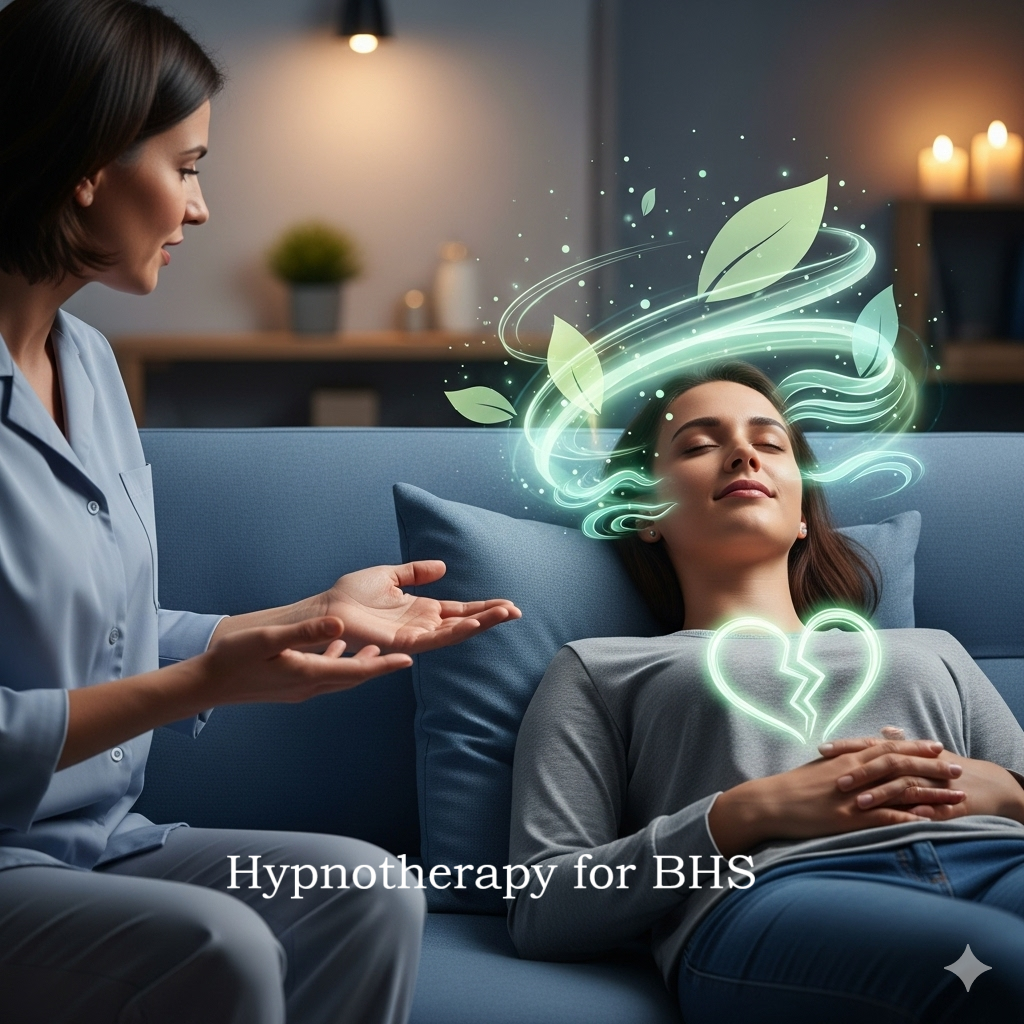
Hypnotherapy for Tacotsubo Disease
-
- Stress Reduction: Guided hypnosis helps shift the body from a “fight or flight” state to a “rest and digest” state, reducing the adrenaline and cortisol that strain the heart.
- Reframing Trauma: It provides a safe environment to process grief, trauma, or intense emotional distress that may have triggered the initial heart event.
- Symptom Management: Trance states can lower heart rates, stabilize blood pressure, and relieve physical tension.
- Fear and Anxiety: It helps replace health-related anxiety (e.g., the fear of having another episode) with affirmative, calming thought patterns.
- Medical Clearance: Hypnotherapy is strictly a complementary or adjunctive therapy. It must only be pursued after you have received a full cardiology evaluation and are following your doctor’s treatment plan (such as beta-blockers).
- Professional Qualifications: Ensure you work with a certified clinical hypnotherapist who has experience in medical hypnosis, anxiety, or stress-related cardiovascular conditions.
- Group Support: Alongside therapy, connecting with others who understand the condition can be incredibly healing. You can find global peer support through the Takotsubo Support Group.
Principles of Homeopathic Support for Takotsubo Cardiomyopathy
Homeopathic treatment for Takotsubo Cardiomyopathy is based on the principle of “like cures like,” which means that a substance causing symptoms in a healthy person can, when highly diluted, treat similar symptoms in a sick person. Your homeopathic practitioner will meticulously analyze your specific symptoms, emotional state, and overall constitution to select the most appropriate remedy. This highly individualized approach ensures the chosen remedy resonates with your unique pattern of illness, not just the diagnosis. In homeopathy, remedies are made by repeatedly diluting a substance and shaking it vigorously, which is thought to increase its healing properties and remove any toxic effects. You would receive a remedy specifically tailored to your presentation, aiming to stimulate your body’s inherent healing mechanisms.
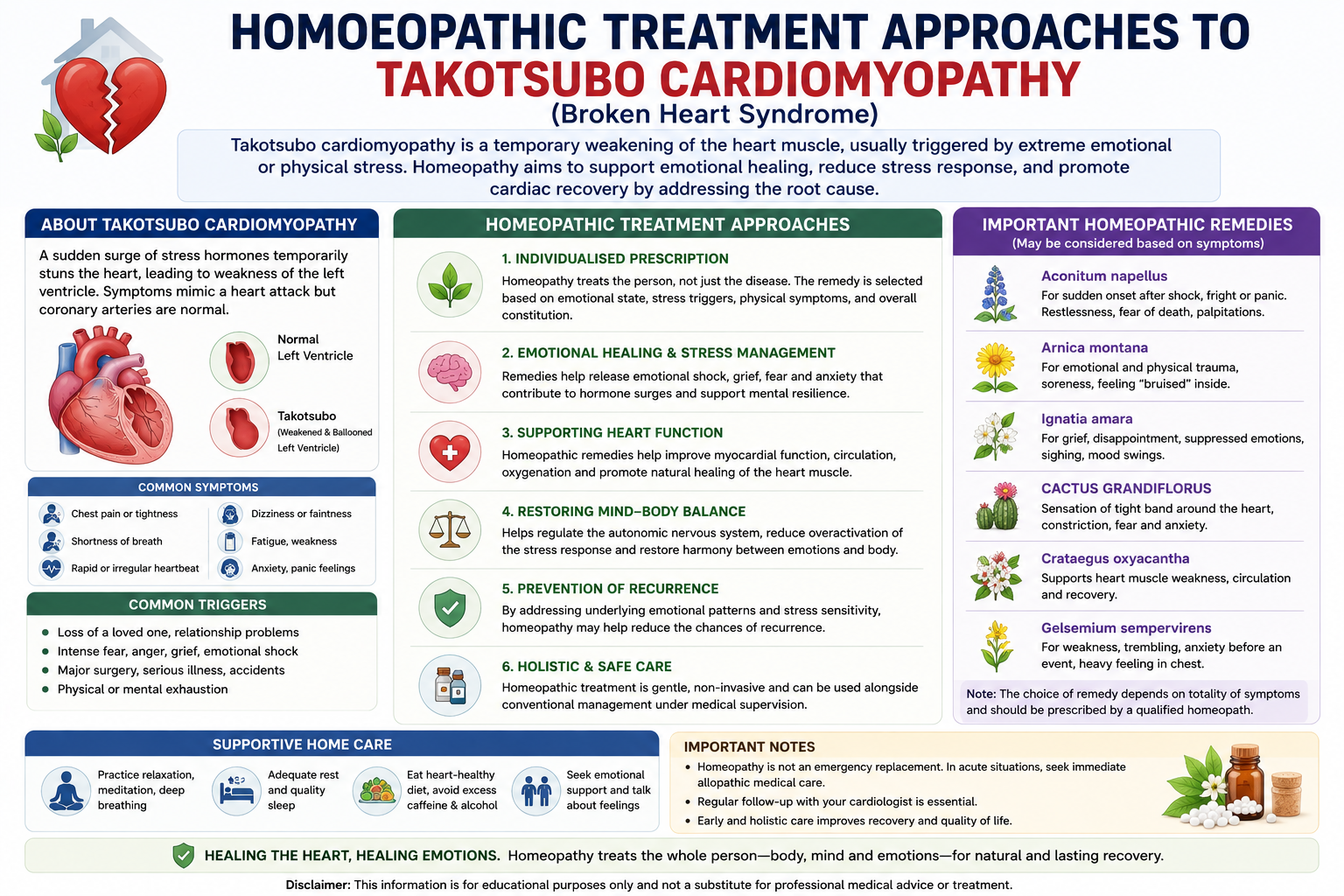
This gentle stimulation helps your body to restore balance and recover naturally from the stress and physical impact of Takotsubo. Homeopathy considers the whole person, not just the disease. When selecting a remedy, we take your emotional state, lifestyle, and even past traumas into account. This holistic view recognizes the interconnectedness of mind and body, which is especially pertinent for Takotsubo Cardiomyopathy, which often has strong emotional triggers. A well-chosen homeopathic remedy can address not only the physical symptoms but also the underlying emotional distress contributing to your condition. You will find that homeopathic treatment is non-toxic and free from side effects, making it a safe option to integrate with your conventional medical care. The goal is to strengthen your body’s vital force, allowing you to heal more effectively and prevent recurrences of stress-induced cardiac events.
Common remedies like Arnica montana, Aconitum napellus, and Crataegus are frequently recommended for treating acute stress and cardiac problems, but homeopathy is still controversial and primarily supported by individual instances and small studies rather than major trials. To achieve true changes in heart health, such as improved echocardiography results, normal blood test levels, and a stable heart rhythm, if you want to utilize homeopathy, make sure it is done in conjunction with routine check-ups with your heart specialist.
When combining alternative therapies with medical treatment, clinical integration and safety monitoring are crucial. For example, acupuncture administered by licensed practitioners has a low complication rate (<1% minor events), but in patients who have recently been anticoagulated following coronary workups, sterile technique and avoidance of anticoagulation sites are necessary. You should anticipate a synergistic impact when physiological stress reduction is combined with behavioral therapy, since case studies show improvements in anxiety scores of 30–40% with combined acupuncture and CBT techniques. Homeopathic treatment should never take the place of acute interventions; if you have syncope, arrhythmia, or hemodynamic instability, seek emergency care right away. Your cardiology team should be informed of any adjunctive alternative therapy to avoid unintended interactions and to enable objective outcome measurement.
When horrible or unpleasant things happen to us, it can be difficult to handle and we may feel like we’re emotionally collapsing. We should discuss some wonderful homeopathic remedies that can be beneficial nowadays. These well-established treatments should be known to everyone.
Whether it’s a human or a pet, losing a loved one can create a deep sense of loss. It can be distressing when peers ignore or tease children. In a similar vein, heartbreak in romantic relationships, friendships, or marriages can devastate us emotionally.
The following list shows the top three homeopathic remedies:
Ignatia
After a stressful incident, such as the untimely death of a loved one, a person may develop an Ignatia condition. When things don’t work out, such as when a friendship or romance ends poorly, it can also be beneficial. A person who depends on Ignatia may experience hurt and insults. Heavy sighs and a lump in the throat may indicate a more serious issue. Despite their best efforts, they end up crying in spasms of rage. This medication is a great cure to have on hand if you are suddenly grieving.
A professional homeopath is the best person to select one of these two medicines because they address more chronic illnesses and the need for specialized care:
Muriaticum natrum
A bereaved person looking for this remedy wishes to be alone. They are hurting inside, but they keep it to themselves.
They may be unable to let go of unpleasant memories or have fallen madly in love with an unattainable individual. They won’t go forward because they are mired in the past.
Children who need this medicine but generally behave more responsibly and maturely may have side effects such as headaches and a lack of emotional expression.
Aurum
This is a therapy option for severe depression. One may go into an Aurum state if their expectations are not fulfilled. At the time, everything appeared perfect, but we now realize that it wasn’t. Feelings of failure are accompanied by anger and shame. Such feelings can occur in love relationships, career goals, or any other aspect of life when we have a strong sense of purpose and a strong drive for perfection.
Emotional or professional defeats can lead to depression, hopelessness, and suicidal thoughts. They could find comfort in listening to music in addition to praying or meditating. This therapy is also very beneficial to the physical heart.
Excessive drinking may also be a symptom of an Aurum disease. For the most extreme cases of hopelessness and melancholy, it is a remarkable therapy.
Homeopathy really relieves uncomfortable emotional states, in contrast to conventional medications such as antidepressants. Seeing a qualified homeopath can help you find a solution if you’re experiencing ongoing emotional or mental distress. I sincerely hope you enjoyed reading about these remedies.
Final Words
From above, you now understand Takotsubo Cardiomyopathy, often called Broken Heart Syndrome, is a condition where intense emotional or physical stress can lead to sudden, temporary heart muscle weakening. You have seen how identifying the causes, which range from severe grief to unexpected good news, is key to understanding its onset. Recognizing the symptoms, which often mimic a heart attack with chest pain and shortness of breath, allows for timely medical intervention. This knowledge helps you appreciate the importance of a comprehensive approach to managing this unique cardiac response.
You have also learned that treating Takotsubo Cardiomyopathy effectively involves a blend of conventional medical strategies and complementary natural treatments. Medical professionals typically focus on supportive care, managing symptoms, and preventing complications while the heart recovers. Integrating natural options such as acupuncture, which aims to restore balance and reduce stress, offers a holistic dimension to healing. Homeopathy, another natural approach, can also be considered to support the body’s innate healing processes, providing gentle yet powerful assistance during recovery.
Your understanding of Takotsubo Cardiomyopathy now extends beyond its basic definition, encompassing both its triggers and its multifaceted treatment. You can see how a combination of modern medicine and time-honored natural therapies provides a well-rounded path to recovery for individuals experiencing this condition. This integrated approach addresses the immediate physical symptoms and supports emotional well-being, which is particularly important given the stress-induced nature of Broken Heart Syndrome.
FAQ

Q: What is Takotsubo Cardiomyopathy, and how does it differ from a heart attack?
A: Takotsubo Cardiomyopathy, often called “Broken Heart Syndrome,” is a temporary heart condition that can develop in response to severe emotional or physical stress. The heart’s main pumping chamber, the left ventricle, changes shape, resembling a Japanese octopus pot (takotsubo), which impairs its ability to pump blood effectively. This condition causes symptoms similar to a heart attack, including chest pain and shortness of breath. Unlike a heart attack, however, Takotsubo Cardiomyopathy typically does not involve blockages in the coronary arteries. Instead, extreme stress hormones, such as adrenaline, are believed to “stun” the heart muscle. Most individuals recover fully within weeks, while a heart attack results from blocked arteries and causes permanent heart muscle damage.
Q: What are the primary causes and triggers of Takotsubo Cardiomyopathy?
A: The causes of Takotsubo Cardiomyopathy are almost always linked to intense emotional or physical stress. Experiencing the death of a loved one, a divorce, or a serious argument can trigger the condition. Receiving a frightening medical diagnosis or losing a job are also common emotional triggers. Physical stressors, such as an asthma attack, a severe infection, or major surgery, can also induce Takotsubo Cardiomyopathy. Even positive but overwhelming events, like winning the lottery or a surprise party, have been reported as triggers. The surge of stress hormones, particularly adrenaline, is thought to play a central role in temporarily weakening the heart muscle.
Q: What are the common symptoms of Broken Heart Syndrome, and when should I seek medical attention?
A: Broken Heart Syndrome symptoms often mimic those of a heart attack. Individuals commonly experience sudden chest pain, which can range from mild discomfort to severe pressure. Shortness of breath, dizziness, and fainting are also frequent occurrences. Some people report palpitations or an irregular heartbeat. Nausea and sweating can accompany these symptoms. You should seek immediate medical attention if you experience any of these symptoms, especially chest pain or shortness of breath. While Takotsubo Cardiomyopathy is often temporary, it requires prompt diagnosis to rule out a heart attack and to ensure proper management. A doctor can perform tests like an electrocardiogram (ECG), blood tests, and an echocardiogram to determine the cause of your symptoms.
Q: What are the conventional treatments for Takotsubo Cardiomyopathy?
A: Treatments for Takotsubo Cardiomyopathy primarily focus on supportive care and managing symptoms until the heart recovers. Doctors often prescribe medications to reduce the workload on the heart and improve its function. Beta-blockers can help control heart rate and reduce the effects of stress hormones. ACE inhibitors or angiotensin receptor blockers (ARBs) may be used to relax blood vessels and lower blood pressure. Diuretics can help reduce fluid retention if there is evidence of heart failure. Aspirin may be prescribed to prevent blood clots. Patients are closely monitored in a hospital setting, especially during the acute phase. Addressing the underlying stressor is also an important part of recovery, often involving psychological support or stress management techniques.
Q: Can natural treatments help in the recovery from Broken Heart Syndrome?
A: While natural treatments should not replace conventional medical care for Broken Heart Syndrome, they can complement it by supporting emotional well-being and promoting overall healing. Stress reduction is a primary focus. Practicing mindfulness meditation, deep breathing exercises, and yoga can help calm the nervous system. Regular, gentle physical activity, once cleared by a doctor, can improve cardiovascular health and reduce stress. Ensuring adequate sleep is also crucial for recovery. A balanced diet rich in fruits, vegetables, and whole grains supports heart health. Avoiding stimulants like excessive caffeine and alcohol can prevent further stress on the heart. These approaches contribute to a holistic recovery process.
Q: How can Acupuncture support individuals recovering from Takotsubo Cardiomyopathy?
A: Acupuncture for Takotsubo Cardiomyopathy may offer a complementary approach to managing stress and promoting recovery. Traditional Chinese Medicine views Takotsubo Cardiomyopathy as an imbalance in the body’s energy (Qi) and organ systems, often related to emotional trauma. Acupuncture aims to restore balance by stimulating specific points on the body. This practice is believed to reduce stress hormones, improve circulation, and alleviate anxiety and depression, common after such an event. Patients often report a sense of relaxation and improved mood after acupuncture sessions. While not a standalone treatment, acupuncture can be a valuable tool in a comprehensive recovery plan, helping individuals manage the emotional aftermath and support the body’s natural healing processes.
Q: Are there any Homeopathic Treatment options for Takotsubo Cardiomyopathy?
A: Homeopathic treatment for Takotsubo Cardiomyopathy focuses on individualized remedies chosen based on a person’s specific symptoms and emotional state. Homeopathy operates on the principle of “like cures like,” using highly diluted substances to stimulate the body’s healing response. For individuals experiencing intense grief, remedies like Ignatia or Natrum Muriaticum might be considered. Aconitum Napellus could be used for sudden fear and anxiety. Pulsatilla might be appropriate for those who feel weepy and seek comfort. A qualified homeopathic practitioner (a medical doctor who practices homeopathy) would conduct a detailed consultation to select the most appropriate remedy. Homeopathic treatments are generally considered safe and can be used alongside conventional medicine, but they should not replace prescribed cardiac medications or medical supervision. Always consult with your healthcare provider before starting any new treatment, including homeopathic remedies.
Takotsubo Cardiomyopathy: Holistic Treatments in Philadelphia
Philadelphia Holistic Clinic is the #1 naturopathic medical center in the City of Brotherly Love. At the clinic, the team of licensed medical professionals provides different forms of naturopathic treatment, including acupuncture, homeopathy, hypnotherapy, Reiki, Ayurveda, and Chinese medicinal herbs. All treatments are provided under the strict supervision of a medical doctor, Victor Tsan. During the initial evaluation, Dr. Tsan will check your ECG to ensure that none of the recommended treatments may cause deterioration of your medical condition, arrhythmia, nausea, drowsiness, or any other unwanted side effects.
Contact Philadelphia Holistic Clinic at (267) 403-3085 to schedule your evaluation appointment. Evaluation includes a full-body assessment and all necessary testing. For your convenience, you can use our online scheduling application.