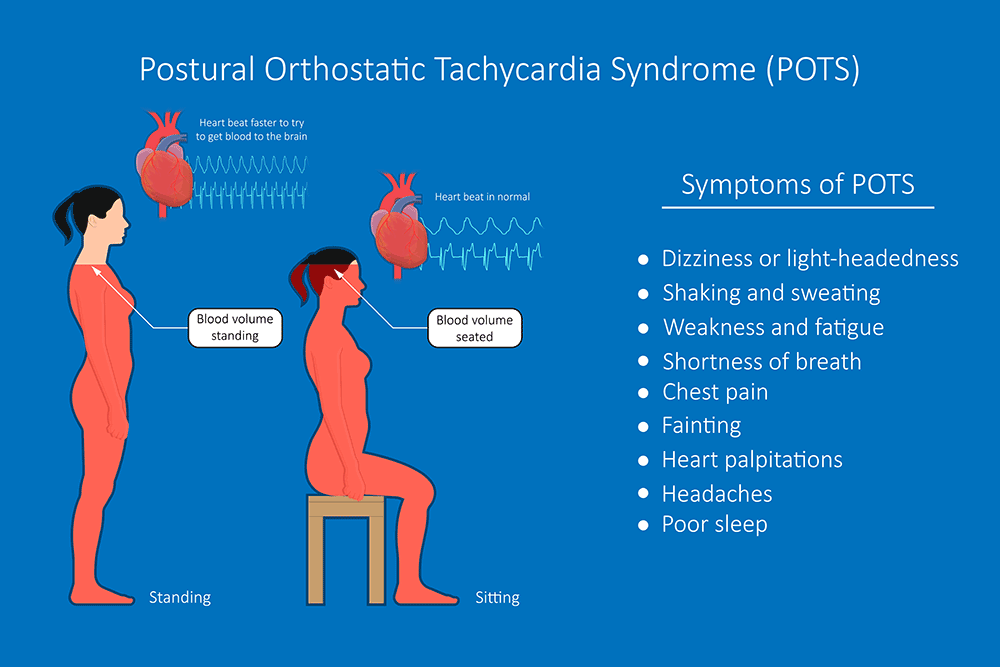
Postural Orthostatic Tachycardia Syndrome
Over 500,000 Americans live with postural orthostatic tachycardia syndrome, a condition marked by an abnormal increase in heart rate upon standing. You experience dizziness, fatigue, and brain fog daily, often dismissed as stress or anxiety. This disorder, also known as POTS syndrome, stems from dysautonomia—a malfunction of the autonomic nervous system regulating heart rate, blood pressure, and circulation. You are not alone in seeking answers beyond conventional labels.
Key Takeaways:
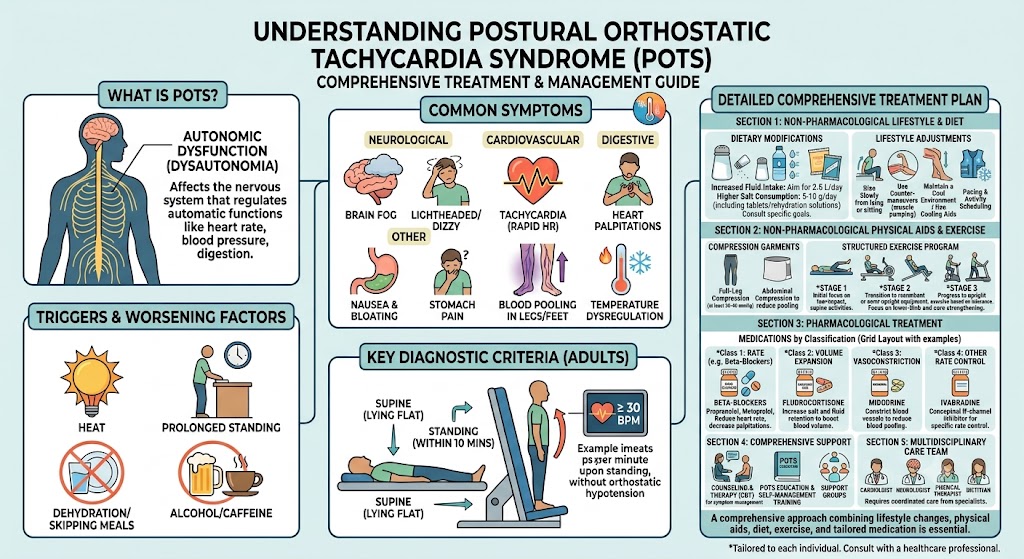
- Postural Orthostatic Tachycardia Syndrome (POTS) is a form of dysautonomia characterized by an abnormal increase in heart rate upon standing, typically defined as a rise of at least 30 beats per minute in adults, often accompanied by dizziness, fatigue, or near-fainting.
- The condition disproportionately affects women, particularly those between the ages of 15 and 50, and frequently follows triggers such as viral illness, surgery, trauma, or pregnancy.
- Underlying causes of POTS are heterogeneous and may include autoimmune mechanisms, partial autonomic neuropathy, hypovolemia, or hyperadrenergic states, though often the exact origin remains unclear.
- Common symptoms extend beyond tachycardia and can include brain fog, gastrointestinal disturbances, exercise intolerance, and temperature dysregulation, significantly impacting daily functioning.
- Diagnosis requires a careful clinical evaluation, often confirmed through a tilt table test or active stand test, with exclusion of other cardiovascular or neurological disorders.
- Conventional management focuses on symptom reduction through increased fluid and salt intake, compression garments, physical conditioning, and medications such as beta-blockers or fludrocortisone.
- Homeopathic treatment approaches POTS individually, selecting remedies based on the patient’s unique symptom profile, with commonly considered options including Veratrum viride, Gelsemium, and Crataegus, used to support autonomic balance and circulatory function.
Investigating the Causes of POTS
Triggers within the autonomic nervous system
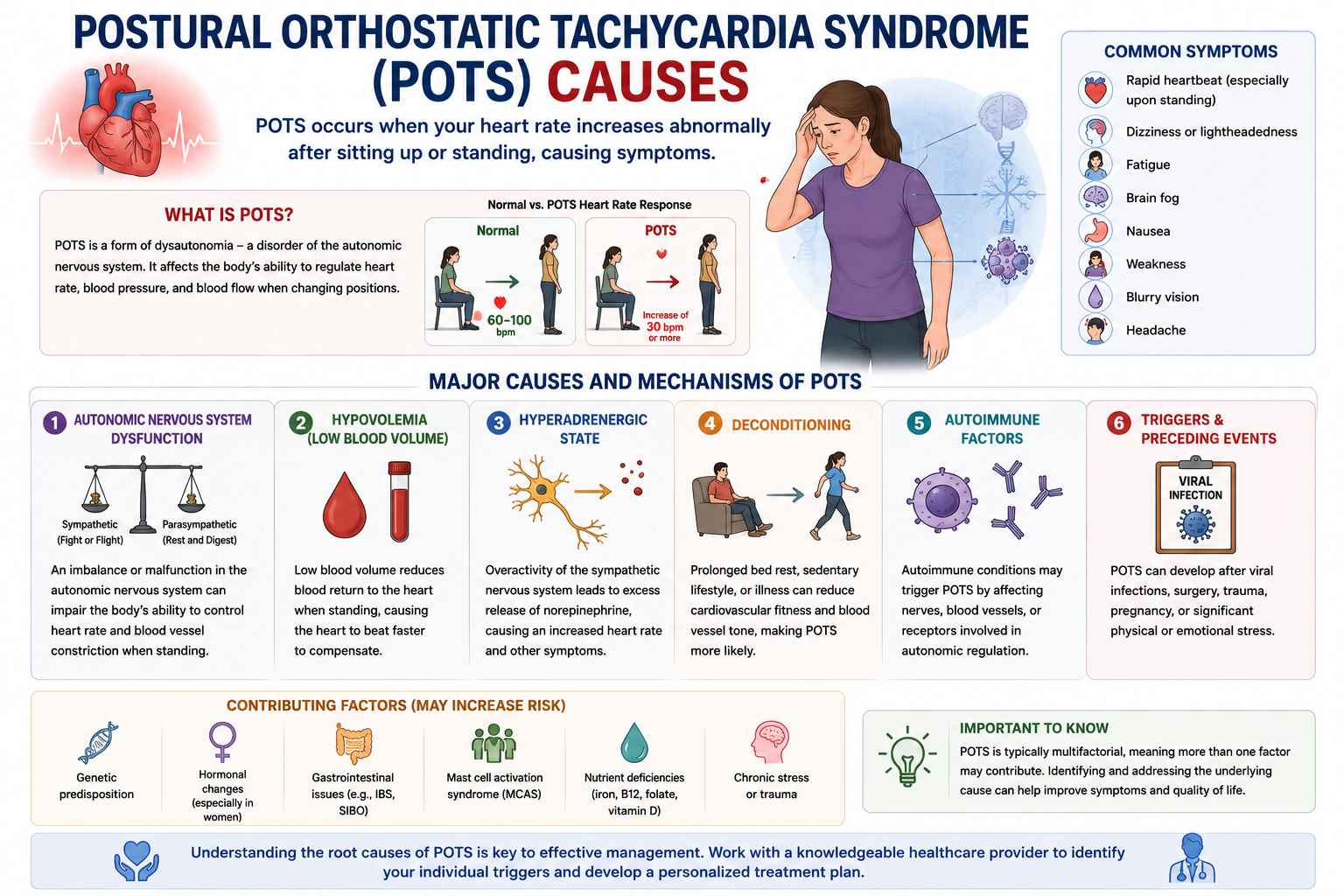
Postural orthostatic tachycardia syndrome arises when the autonomic nervous system fails to regulate cardiovascular responses during positional changes. Nerves that normally constrict blood vessels in the lower limbs become less effective, allowing blood to pool upon standing. This miscommunication prompts the heart to compensate with rapid beating, often increasing by 30 to 40 beats per minute within ten minutes of upright posture. Some patients exhibit elevated norepinephrine levels, indicating sympathetic overactivity, while others show signs of partial autonomic neuropathy affecting small nerve fibers. Autoimmune conditions such as Sjögren’s syndrome or prior viral infections like Epstein-Barr have been associated with onset. Genetic predispositions may also play a role, particularly in cases with family histories of dysautonomia.
Dysfunction in the baroreceptor reflex arc disrupts the body’s ability to maintain stable blood pressure. These pressure-sensitive receptors in the carotid sinus and aortic arch send signals to the brainstem, which then adjusts heart rate and vascular tone. When this feedback loop is impaired, the body over-relies on heart rate to sustain circulation. Patients with hyperadrenergic POTS often experience tremors, anxiety, and cold extremities due to excessive norepinephrine spillover. In contrast, neuropathic POTS involves reduced sympathetic nerve traffic to the legs, confirmed through a sudomotor reflex test. Assume that autonomic testing reveals distinct patterns across subtypes, guiding more precise management.
Central integration of autonomic signals may also be altered in POTS. Brain imaging studies in affected individuals show differences in insular cortex and brainstem activity during orthostatic stress. These regions modulate autonomic output and interoceptive awareness, potentially explaining heightened symptom perception. Some patients report symptom onset following surgery, pregnancy, or traumatic events, suggesting neuroinflammatory or hormonal influences. Assume that dysautonomia reflects a network disorder rather than a single-point failure, involving neural, immune, and endocrine interactions.
Physiological factors affecting heart rate regulation
Reduced blood volume contributes significantly to POTS, with many patients having 800 to 1,000 mL less than average. This hypovolemia limits venous return, forcing the heart to beat faster to maintain cardiac output. Deconditioning, common after prolonged bed rest, diminishes skeletal muscle pump efficiency, further impairing blood return from the legs. Some individuals exhibit excessive venous capacitance, allowing abnormal pooling in the splanchnic and lower extremity circulation. Mast cell activation disorders can exacerbate these effects through histamine-induced vasodilation and fluid leakage into tissues. Assume that physiological strain accumulates from multiple overlapping mechanisms, not a single defect.
Endocrine imbalances influence heart rate stability in susceptible individuals. Fluctuations in estrogen and progesterone levels often correlate with symptom severity, particularly in adolescent girls and women of reproductive age. Hyperthyroidism and pheochromocytoma must be ruled out during evaluation due to similar tachycardic presentations. Insulin resistance and reactive hypoglycemia can trigger autonomic surges, leading to palpitations and lightheadedness after meals. Assume that metabolic and hormonal variables interact with neural control, complicating clinical patterns.
Genetic collagen disorders like Ehlers-Danlos syndrome frequently co-occur with POTS, suggesting structural vulnerabilities in vascular integrity. Joint hypermobility may reflect underlying connective tissue weakness affecting vessel wall tone. Impaired nitric oxide regulation has been observed, potentially increasing vasodilation and reducing orthostatic tolerance. Some patients benefit from increased salt and fluid intake, supporting the role of volume expansion in management. Assume that physiological resilience depends on the integration of vascular, metabolic, and structural systems.
- Reduced blood volume often ranges between 800-1,000 mL below normal
- Deconditioning diminishes muscle pump function in the legs
- Excessive venous pooling occurs in splanchnic and lower limb vessels
- Mast cell activation releases histamine, promoting vasodilation
- Collagen disorders like Ehlers-Danlos syndrome are commonly comorbid
Structural and metabolic variables converge to disrupt normal heart rate control. Assume that individual pathophysiology varies widely, requiring personalized assessment.
Identifying Clinical Symptoms of POTS
Cardiovascular indicators and tachycardia
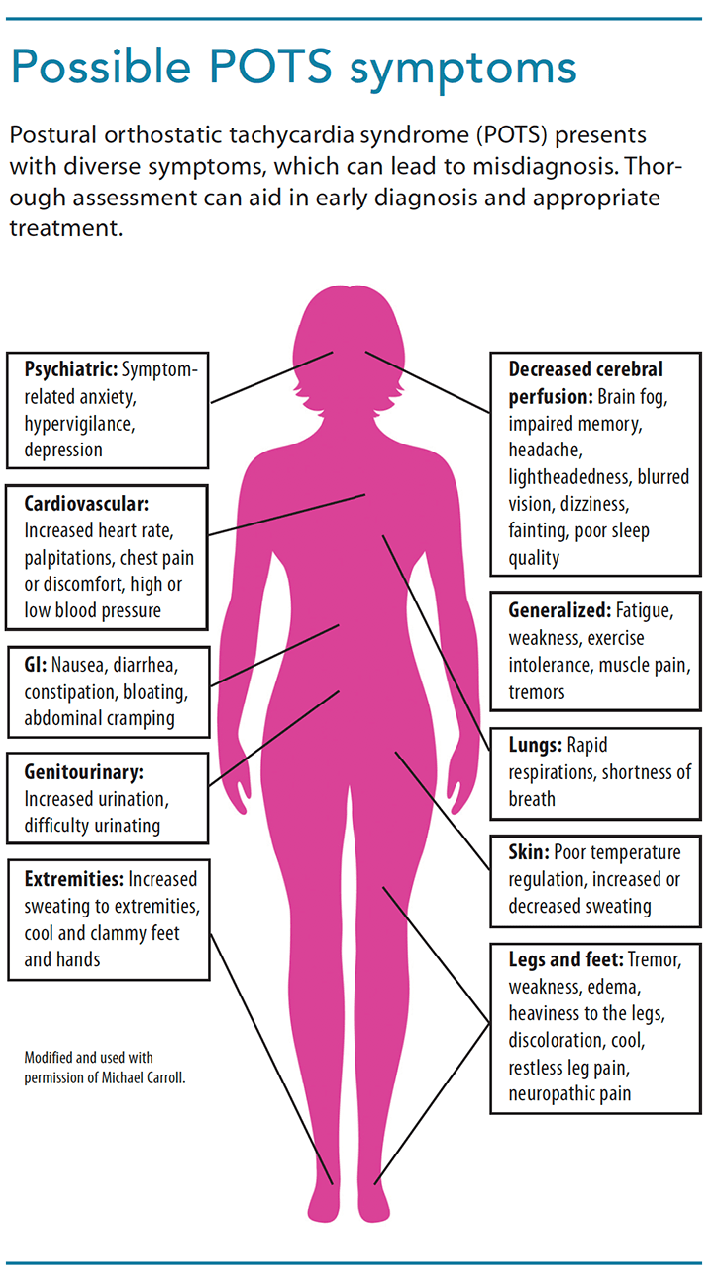
A hallmark of postural orthostatic tachycardia syndrome symptoms is a sustained increase in heart rate upon standing, typically defined as an elevation of at least 30 beats per minute in adults or 40 beats per minute in adolescents within ten minutes of upright posture. This exaggerated tachycardia occurs without a significant drop in blood pressure, distinguishing POTS syndrome symptoms from other forms of orthostatic hypotension. The rapid heart rate often leads to palpitations, a sensation patients describe as fluttering or pounding in the chest, particularly during routine activities like standing in line or rising from bed.
Episodes of tachycardia in POTS can last minutes to hours and may be accompanied by lightheadedness or near-syncope, especially after prolonged sitting or lying down. Some individuals experience symptoms immediately upon standing, while others notice a delayed onset, complicating diagnosis. Heart rate spikes are measurable during a tilt table test, a diagnostic tool commonly used to confirm POTS syndrome symptoms in clinical settings.
Autonomic dysfunction underlies the cardiovascular instability seen in POTS, with improper regulation of norepinephrine and blood volume contributing to the exaggerated response. Patients may also report chest discomfort or shortness of breath unrelated to cardiac disease. These symptoms often worsen in warm environments or after meals, indicating a dysregulation in autonomic control of circulation.
Physical manifestations of orthostatic intolerance
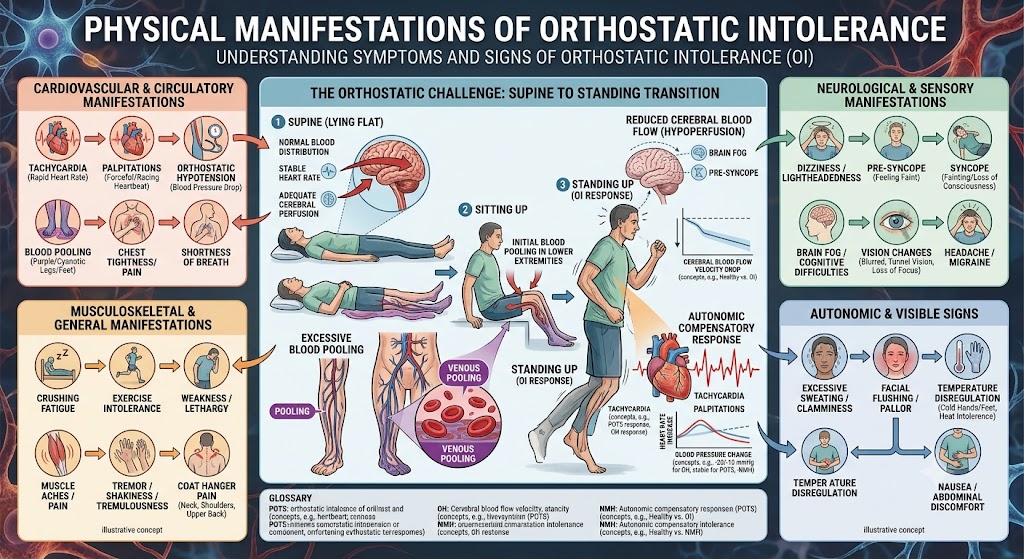
Dizziness upon standing is one of the most frequently reported postural orthostatic tachycardia syndrome symptoms, often accompanied by brain fog, fatigue, and visual disturbances such as tunnel vision or blurred sight. These physical manifestations of orthostatic intolerance occur when blood pools in the lower extremities, reducing cerebral perfusion despite maintained blood pressure. Patients may feel unsteady or need to sit immediately to prevent falling, particularly after long periods of inactivity.
Muscle weakness and tremors are common during episodes, especially in the legs, making walking difficult even over short distances. Some individuals develop a mottled or dusky discoloration in their extremities, known as livedo reticularis, due to impaired circulation. Nausea and gastrointestinal discomfort frequently accompany upright posture, further limiting daily function.
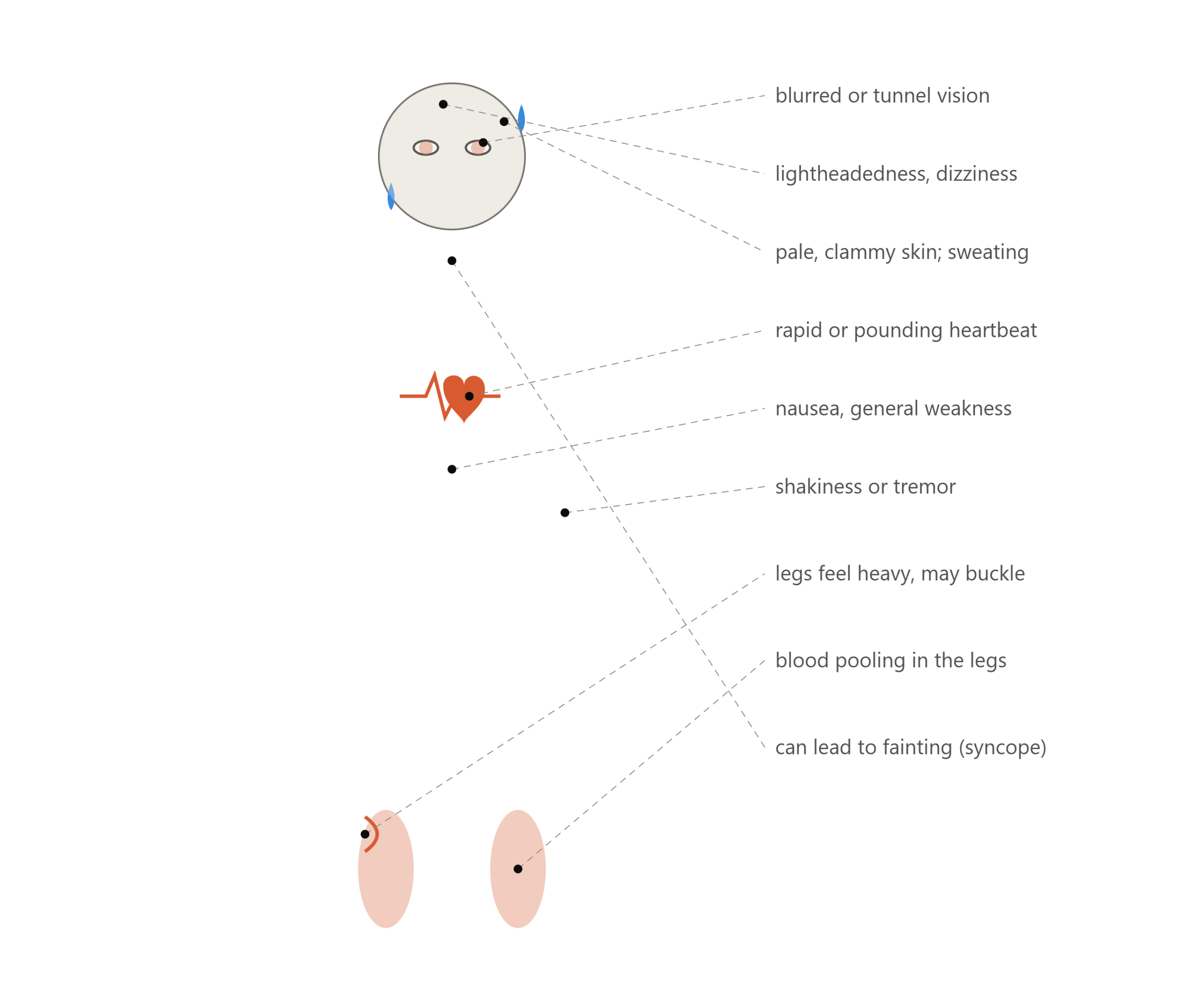
Exercise intolerance is a defining feature, with many patients unable to sustain physical activity without triggering POTS syndrome symptoms. Headaches, often of a migrainous or tension type, commonly occur in conjunction with orthostatic challenges. These symptoms collectively impair quality of life, affecting school, work, and social engagement.
Chronic fatigue in POTS is not merely sleepiness but a profound exhaustion that persists despite adequate rest, often worsening with upright posture. Some patients report a sensation of internal trembling or shakiness, distinct from anxiety, that correlates with heart rate elevation. These physical manifestations of orthostatic intolerance are reproducible and predictable, typically triggered by postural changes, heat exposure, or prolonged standing.
Therapeutic application for symptom relief
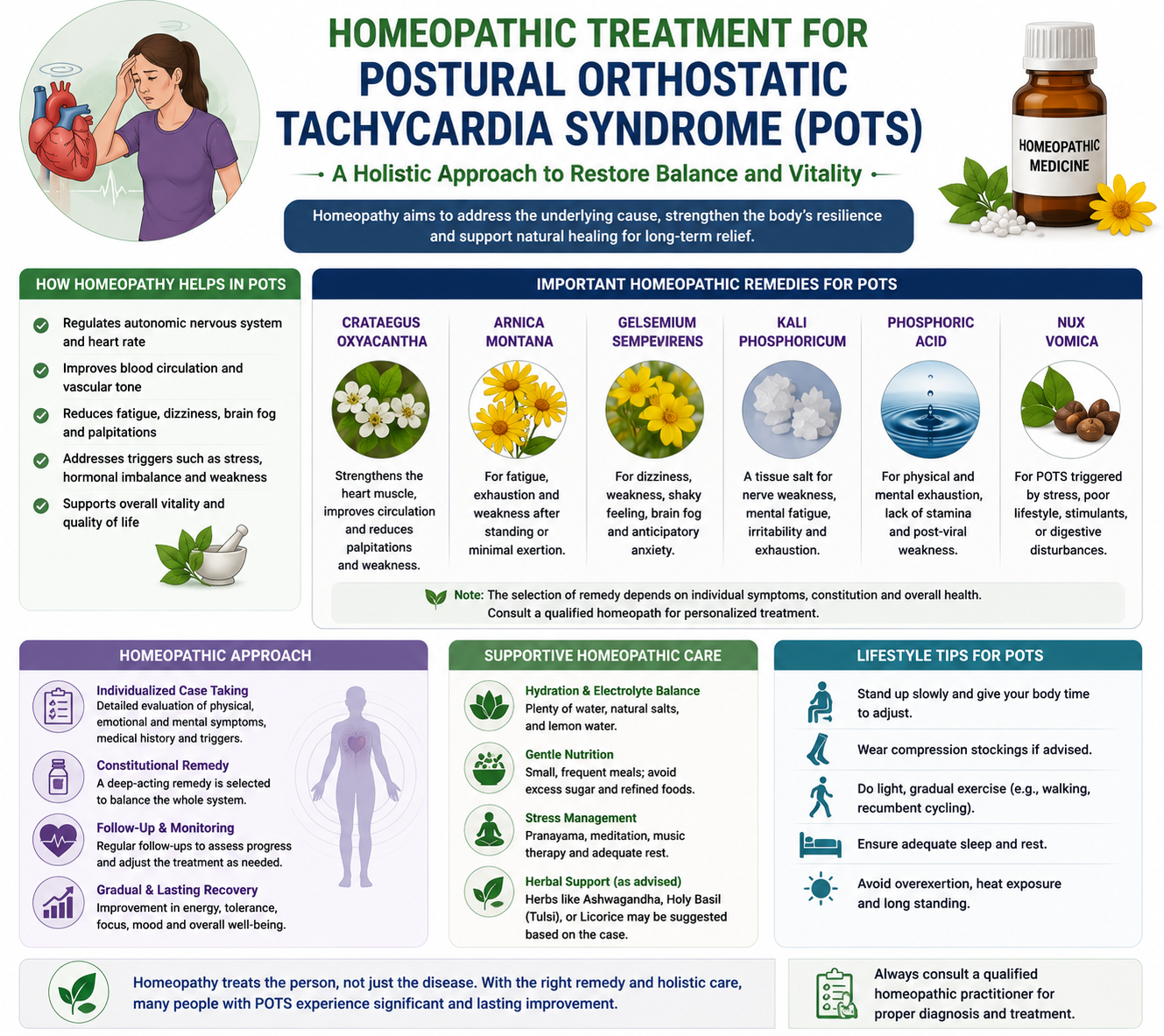
Once a remedy is selected, it is typically administered in low potencies, such as 6C or 30C, taken once or twice daily depending on symptom severity. If you respond positively to Nux vomica, you may notice a reduction in episodes of lightheadedness and an improved tolerance for an upright posture within several weeks. Patients using Calcarea carbonica often report decreased fatigue and better thermoregulation, particularly if they are prone to cold extremities and excessive sweating. The goal is gradual stabilization of the autonomic nervous system, not immediate suppression of symptoms. Repeat dosing is adjusted based on your progress, with many practitioners recommending periodic reassessment to determine whether potency or frequency should change. Long-term use is generally avoided unless clear clinical benefit continues under supervision.
Monitoring your response to the remedy is vital, as subtle shifts in energy, heart rate variability, or cognitive clarity can indicate improvement before major symptoms resolve. Some patients note enhanced sleep quality or reduced anxiety alongside cardiovascular gains, suggesting a systemic effect. A mid-sized SaaS firm’s employee with POTS, for example, reported returning to full-time remote work after six months on a tailored regimen including Phosphorus for orthostatic palpitations and mental fog. Adjustments were made every eight weeks based on symptom journals and follow-up consultations. This structured yet flexible approach allows for sustained adaptation to your evolving condition, aligning treatment with real-world functional outcomes. Remedies are not standardized, so your experience may differ significantly from others, even when using the same substance.
Homeopathic Treatment Methodology
Principles of Holistic and Individualized Care
Homeopathic treatment for POTS syndrome emphasizes a holistic framework, addressing the interconnectedness of physical, emotional, and neurological symptoms. Rather than isolating the rapid heart rate upon standing, practitioners evaluate the full clinical picture, including fatigue, brain fog, and gastrointestinal disturbances commonly reported in postural orthostatic tachycardia syndrome. Each patient’s symptom constellation, medical history, and lifestyle factors guide remedy selection, ensuring a personalized approach that aligns with homeopathy’s foundational principle of individualization.
Remedies are chosen based on symptom similarity, a concept known as the law of similars, in which substances that cause symptoms in healthy individuals are used in diluted forms to treat similar symptoms in the ill. A patient experiencing lightheadedness worsened by heat and emotional stress may receive a different remedy than one with palpitations triggered by exertion and anxiety. This precision reflects the depth of homeopathic assessment, which often includes detailed interviews lasting over an hour to capture nuances missed in conventional settings.
Long-term management prioritizes constitutional prescribing, targeting the patient’s inherent susceptibility rather than transient symptoms. For instance, a person with a history of viral illness preceding POTS onset might be treated with a remedy that supports post-viral recovery and autonomic regulation. Follow-ups are scheduled every four to six weeks initially, allowing for remedy adjustment as symptoms evolve. This dynamic process supports sustained improvement, not just temporary relief.
Integrating Homeopathy into a Comprehensive Care Plan for POTS
Homeopathic treatment for postural orthostatic tachycardia syndrome functions best when coordinated with other supportive therapies, not as a standalone replacement. Many patients continue to use compression garments, increased fluid intake, and physical counter-maneuvers while incorporating homeopathy to address underlying dysregulation. A mid-sized SaaS firm employee with POTS reported reduced symptom frequency after six months of combined care, attributing improved tolerance to upright posture to this layered strategy.
Collaboration with primary care providers, cardiologists, and physical therapists ensures that critical diagnostics and safety measures remain in place. Homeopaths do not discourage conventional monitoring, such as tilt table testing or heart rate tracking, and often encourage patients to maintain logs of symptoms and medication changes. This transparency allows for objective assessment of progress alongside subjective well-being.
Some patients integrate mindfulness practices, graded exercise programs like the CHOP protocol, and dietary modifications in parallel with homeopathic care. The goal is not to eliminate all conventional support but to reduce dependency over time as resilience improves. A case study published in a homeopathic journal described a 28-year-old woman whose need for fludrocortisone decreased after one year of constitutional treatment, coinciding with increased upright tolerance and energy levels.
Integration requires patience and consistent communication across providers, particularly when symptom fluctuations occur. Homeopathy does not produce immediate physiological changes like medication adjustments, so expectations must align with its gradual, systemic action. Regular reassessment ensures that the treatment remains responsive to the patient’s changing condition, maintaining relevance within the broader care framework.
Specialized Homeopathic Remedies for Postural Orthostatic Tachycardia Syndrome
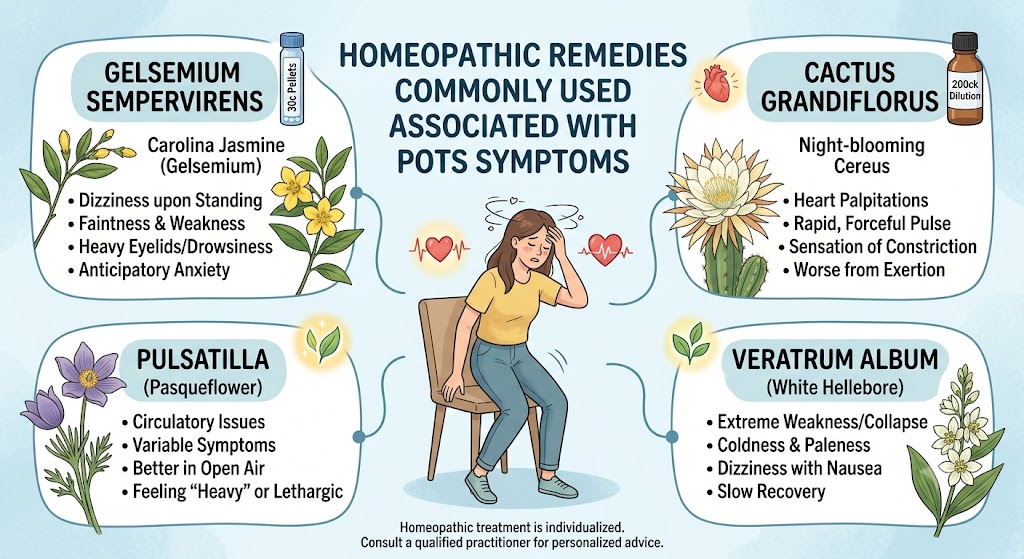
Selection criteria for specific remedies
Choosing the correct homeopathic remedy for POTS depends on a detailed evaluation of your physical, emotional, and constitutional symptoms. A remedy like Ignatia may be considered if your symptoms worsen with emotional stress and include sudden palpitations upon standing. For individuals experiencing profound weakness and dizziness that improves with lying down, Gelsemium might align with your symptom profile. The selection process emphasizes individualization, meaning two people with POTS could receive entirely different remedies based on their unique expression of symptoms. Factors such as the onset of symptoms, aggravating or relieving conditions, sleep patterns, and mental state guide the choice. A homeopath may prioritize remedies historically associated with autonomic instability, circulatory dysfunction, or neurasthenia, drawing from materia medica references that document these uses over decades.
Conclusion
You experience a rapid heart rate increase upon standing, one of the hallmark signs of Postural Orthostatic Tachycardia Syndrome, often accompanied by dizziness, fatigue, and brain fog. These symptoms arise from dysautonomia, a malfunction of the autonomic nervous system that regulates involuntary bodily functions. While conventional medicine focuses on symptom management through medications like beta-blockers and increased fluid intake, many patients seek alternatives due to incomplete relief or side effects.
Homeopathic treatment approaches POTS by addressing individual symptom patterns and underlying imbalances rather than targeting the condition generically. Remedies like Veratrum viride, Gelsemium sempervirens, and Crataegus oxyacantha are chosen based on your specific symptoms, such as cardiovascular instability, weakness, and anxiety. A mid-sized SaaS firm employee with POTS reported reduced episode frequency after six months of individualized homeopathic care alongside lifestyle adjustments.
You may find that integrating homeopathy into your management plan supports improved daily function and well-being. Clinical observation suggests some patients respond positively to remedies that align with their physical and emotional profiles, though responses vary. One patient with a history of viral onset POTS reported sustained improvement in orthostatic tolerance after consistently using Ignatia amara for nine months.
FAQ

Q: What is Postural Orthostatic Tachycardia Syndrome (POTS)?
A: Postural Orthostatic Tachycardia Syndrome (POTS) is a form of dysautonomia, a disorder affecting the autonomic nervous system that regulates involuntary bodily functions such as heart rate, blood pressure, and digestion. When a person with POTS moves from lying down to standing, their heart rate increases abnormally—typically by 30 to 40 beats per minute in adults—without a corresponding drop in blood pressure. This exaggerated tachycardia leads to symptoms like dizziness, fatigue, and brain fog, often impairing daily activities. The condition is more prevalent in women under 35, particularly those with a history of viral illness or autoimmune disorders.
Q: What causes postural orthostatic tachycardia syndrome?
A: The exact cause of POTS varies between individuals and is often multifactorial. Common underlying mechanisms include autonomic neuropathy, where nerve signals to blood vessels are disrupted, leading to poor circulation; hypovolemia, or low blood volume, which reduces venous return to the heart; and hyperadrenergic states, where the body produces excess norepinephrine. Secondary forms of POTS can follow surgery, trauma, or viral infections such as Epstein-Barr virus or COVID-19. A subset of patients shows genetic predispositions, particularly those with joint hypermobility syndromes like Ehlers-Danlos, suggesting connective tissue abnormalities may contribute to autonomic dysfunction.
Q: What are the most common symptoms of postural orthostatic tachycardia syndrome?
A: Symptoms of POTS are diverse and often worsen upon standing. The hallmark sign is a rapid increase in heart rate, but patients frequently report lightheadedness, palpitations, and near-fainting episodes. Chronic fatigue, difficulty concentrating (referred to as “brain fog”), and exercise intolerance are common. Other manifestations include gastrointestinal disturbances such as nausea and bloating, temperature dysregulation, and sleep disturbances. Some individuals experience tremors, shortness of breath, or chest discomfort. Symptoms can fluctuate daily and may be triggered by heat, prolonged standing, or meals high in carbohydrates.
Q: How is Postural Orthostatic Tachycardia Syndrome diagnosed?
A: Diagnosis begins with a thorough clinical evaluation and exclusion of other conditions that mimic POTS, such as anemia, thyroid dysfunction, or cardiac arrhythmias. The gold standard diagnostic test is the tilt table test, during which heart rate and blood pressure are monitored as the patient is tilted from a horizontal to an upright position. A sustained heart rate increase of at least 30 bpm (or 40 bpm in adolescents) within 10 minutes, without significant hypotension, supports the diagnosis. Some clinics use a simplified approach with active stand testing, where patients stand still for 10 minutes while heart rate is recorded. Laboratory tests may assess plasma norepinephrine levels, autoimmune markers, or autonomic function through specialized panels.
Q: What conventional treatments are available for postural orthostatic tachycardia syndrome?
A: Conventional management focuses on symptom reduction and improving functional capacity. Non-pharmacological strategies include increasing fluid and salt intake to expand blood volume, wearing compression garments to reduce venous pooling, and engaging in reclined exercise such as swimming or recumbent cycling to improve cardiovascular conditioning. Medications may include beta-blockers to control heart rate, fludrocortisone to enhance sodium retention, or midodrine to constrict blood vessels. Ivabradine is sometimes prescribed to lower heart rate without affecting blood pressure. Treatment plans are highly individualized, often requiring coordination between cardiologists, neurologists, and physical therapists.
Q: Can homeopathy help manage POTS symptoms?
A: Homeopathy is used by some individuals as a complementary approach to support autonomic regulation and alleviate specific POTS-related symptoms. Practitioners select remedies based on a patient’s unique symptom profile, emotional state, and physical sensitivities. While clinical trials on homeopathy for POTS are limited, anecdotal reports suggest improvements in fatigue, dizziness, and anxiety in certain cases. A mid-sized SaaS firm employee with POTS reported reduced palpitations and better sleep after six months of individualized homeopathic treatment alongside conventional care. The approach emphasizes minimal dosing and aims to stimulate the body’s self-regulatory mechanisms without the side effects associated with pharmaceuticals.
Q: Which homeopathic remedies are commonly considered for postural orthostatic tachycardia syndrome?
A: Selection of remedies in homeopathy depends on the totality of symptoms. For patients with marked anxiety, palpitations, and sensitivity to noise, Aconitum napellus may be indicated. Gelsemium sempervirens is often considered
Homeopathic Postural Orthostatic Tachycardia Syndrome treatment in Philadelphia
While Western medicine doesn’t have a success rate in POTS treatment, we at the Philadelphia Holistic Clinic perform treatment for Postural Orthostatic Tachycardia Syndrome using a combination of acupuncture, homeopathy, hypnotherapy, reiki, and Ayurvedic herbal medicines. Our success rate is way above average in the industry.
To schedule an appointment for an evaluation and discuss the optimal POTS treatment plan for you with Dr. Tsan, contact our clinic at (267) 403-3085 or use our automatic online application.