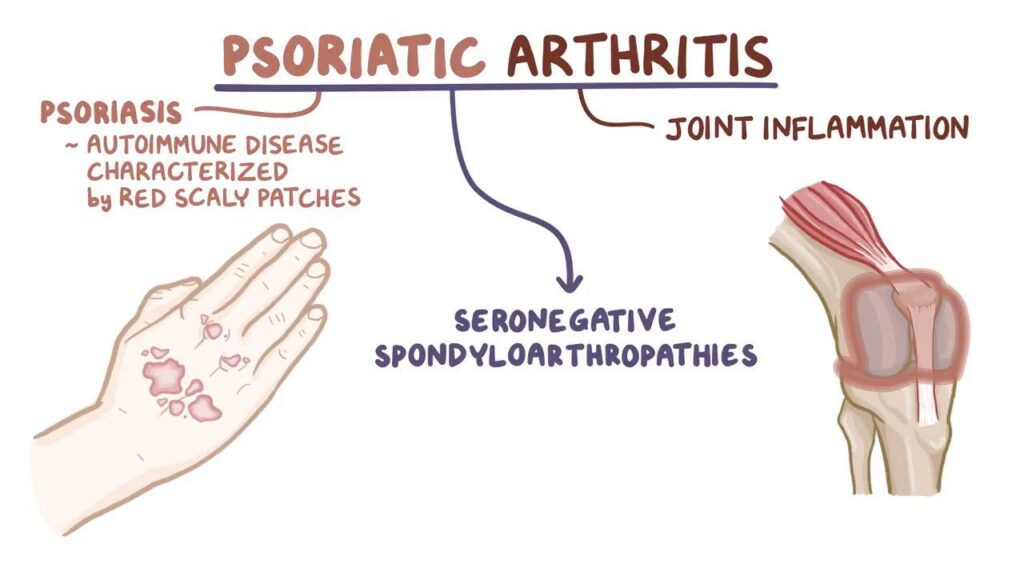
Psoriatic Arthritis
Psoriatic arthritis (PsA) is a long-term inflammatory disease caused by an overactive immune system. The body is protected from infection by the immune system. Joint and skin inflammation can result from an overactive immune system. Many individuals grappling with psoriatic arthritis often seek comprehensive understanding. You are likely experiencing a chronic inflammatory condition that affects your joints and skin. This type of arthritis commonly develops in people who have psoriasis, a skin condition characterized by red, scaly patches. Understanding its causes, symptoms, and various holistic treatments can help you manage this complex autoimmune disease effectively.
Key Takeaways:
* Psoriatic arthritis (PsA) is a chronic inflammatory condition that affects some individuals with psoriasis. It can impact various joints, including the spine, and may also affect tendons and ligaments.
* The condition presents in five distinct types: oligoarthritis (affecting a few joints), polyarthritis (affecting many joints), spondylitis (affecting the spine), distal interphalangeal predominant (primarily affecting the small joints closest to the nails), and arthritis mutilans (a severe, deforming type).
* Genetic predisposition, immune system dysfunction, and environmental triggers like infections or trauma contribute to PsA’s development. Understanding these factors helps in both prevention and treatment strategies.
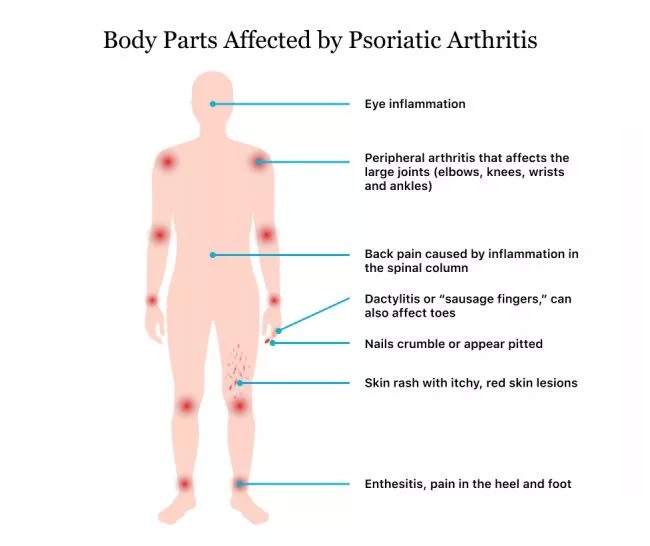
* Symptoms extend beyond joint pain and swelling. Individuals may experience dactylitis (sausage-like swelling of fingers or toes), enthesitis (inflammation where tendons or ligaments attach to bone), nail changes, and fatigue. Early identification of these diverse symptoms is key for timely intervention.
* Untreated PsA can lead to irreversible joint damage, severe disability, and an increased risk of other serious health issues, including cardiovascular disease. To keep joints working well and stay healthy overall, it is important to start treatment early and keep it going.
* Treatment approaches combine conventional medical therapies, such as NSAIDs, DMARDs, and biologics, with holistic strategies. These include dietary modifications, regular exercise, stress management, and complementary therapies like acupuncture or homeopathy to manage symptoms and improve quality of life.
* A targeted diet, often anti-inflammatory in nature, can significantly reduce PsA symptoms. Focusing on whole foods, lean proteins, healthy fats, and avoiding processed foods or known triggers supports overall well-being and can lessen inflammation.
Understanding the Pathogenesis and Triggers for Psoriatic Arthritis
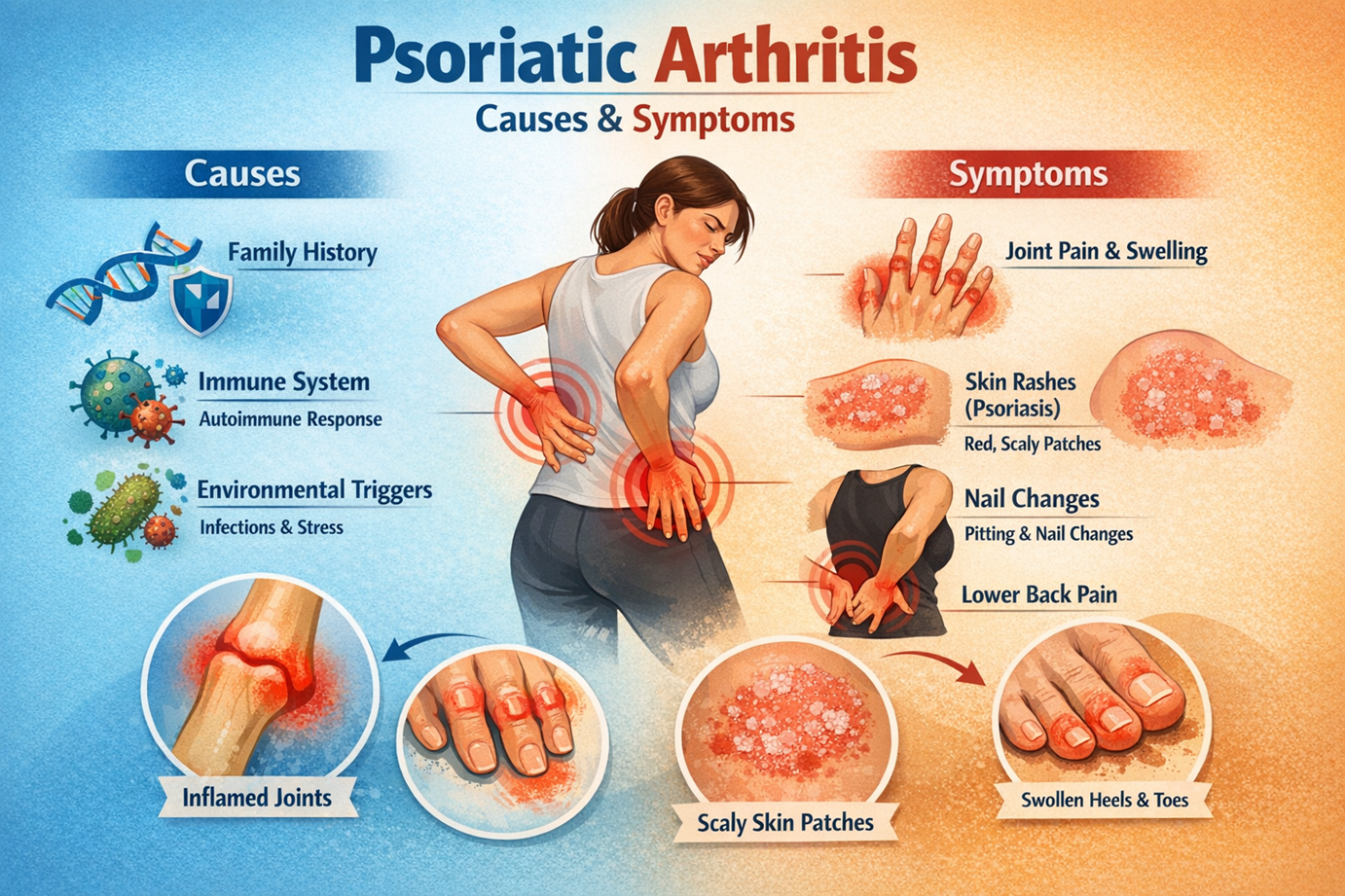
Unraveling the complexities of psoriatic arthritis (PsA) requires exploring its underlying causes and the factors that can ignite its onset. This autoimmune condition, where your immune system mistakenly attacks healthy tissues, particularly in your joints and skin, does not emerge from a single cause. Instead, it results from an intricate interplay of genetic predispositions and various environmental influences that collectively contribute to its development. Understanding these root causes is paramount for effective management and for exploring holistic treatment avenues. Recognizing the multifactorial nature of PsA allows for a more comprehensive approach to treatment and prevention strategies. While you may have a genetic susceptibility, not everyone with these genetic markers will develop the condition. This suggests that external triggers play a significant role in “switching on” the disease in genetically predisposed individuals. Identifying and addressing these triggers, therefore, becomes a key component of a holistic strategy, aiming to mitigate flare-ups and improve your overall quality of life. Exploring the specific mechanisms by which these factors contribute to PsA’s development provides valuable insights. You can learn how certain genes influence immune cell function and how environmental exposures might provoke an inflammatory response. This knowledge enhances your understanding of the disease and empowers you to make informed decisions about your lifestyle and treatment choices, working in conjunction with your healthcare provider to manage your condition effectively.
Genetic and hereditary factors
Genetic inheritance plays a substantial role in determining your susceptibility to psoriatic arthritis. Research consistently demonstrates a strong familial link, meaning if a close relative has PsA or psoriasis, your risk of developing the condition increases significantly. Specific genes, especially those linked to the human leukocyte antigen (HLA) complex, strongly influence this predisposition. You may find that certain HLA genes, such as HLA-B27 and HLA-Cw6, are more prevalent in individuals with PsA. These genes are involved in your immune system’s ability to distinguish between your cells and foreign invaders. When these genes are present, your immune system might be more prone to misidentifying healthy tissues as threats, initiating the autoimmune response characteristic of PsA. Many studies have identified multiple genetic variations that collectively contribute to the risk profile for PsA. * These genetic markers do not guarantee you will develop the disease. * They simply increase your likelihood. This information explains why some individuals with a strong family history may never develop PsA, while others with no known family history might.
Environmental and lifestyle influences
Beyond your genetic makeup, various environmental and lifestyle factors can act as significant triggers for the onset or exacerbation of psoriatic arthritis. These external elements can interact with your genetic predispositions, pushing your immune system into an inflammatory state. Understanding these triggers is crucial for you to proactively manage your condition and potentially reduce the frequency or severity of flare-ups. Infections, particularly bacterial or viral ones, are frequently cited as potential instigators of PsA. For example, a strep throat infection in genetically susceptible individuals has been linked to the development of guttate psoriasis, which can sometimes precede PsA. Trauma or injury to a joint or skin area can also act as a localized trigger, initiating an inflammatory response in that specific region. You should also consider the impact of lifestyle choices on your PsA. Factors like obesity, smoking, and excessive alcohol consumption have been shown to increase the risk of developing PsA and can worsen existing symptoms. Stress, a common element in modern life, is another significant environmental factor that can trigger or exacerbate autoimmune conditions, including psoriatic arthritis. Managing these modifiable factors through lifestyle changes can therefore become an integral part of your holistic treatment plan.
Clinical Presentation and the Five Variants of the Psoriatic Arthritis
Recognizing early physical indicators and joint pain
You might first notice psoriatic arthritis symptoms manifesting as pain, stiffness, and swelling in your joints. These initial signs often appear subtly, making them easy to dismiss as everyday aches. Pay close attention to persistent discomfort in your fingers, toes, or even your lower back, as these are common starting points for the condition. Many individuals experience a phenomenon known as dactylitis, where an entire finger or toe swells up, resembling a “sausage digit.” This distinctive swelling is a strong indicator of psoriatic arthritis and warrants immediate medical attention. You may also observe changes in your nails, such as pitting, discoloration, or separation from the nail bed, which are common psoriatic arthritis symptoms. Joint pain can vary in intensity and location, sometimes affecting only one side of your body. Stiffness is often worse in the morning or after periods of inactivity, gradually improving with movement. Recognizing these early physical indicators and understanding their potential connection to psoriatic arthritis is crucial for timely diagnosis and management.
Distinguishing between symmetric, asymmetric, and spondylitis types
Understanding the five types of psoriatic arthritis is key to comprehending its diverse clinical presentation. Each type affects different areas of the body and presents with distinct characteristics. Recognizing these variations helps in tailoring effective treatment plans. The most common type is asymmetric oligoarthritis, affecting fewer than five joints, often on one side of the body. You might experience pain and swelling in a knee and an ankle, or a few fingers, without a mirror image on the other side. This presentation is distinct from rheumatoid arthritis, which typically involves symmetrical joint involvement. Another significant variant is symmetric polyarthritis, which affects five or more joints on both sides of the body, mimicking rheumatoid arthritis but with specific psoriatic features. Psoriatic spondylitis primarily impacts the spine and sacroiliac joints, leading to back pain and stiffness. Distinguishing between these types is crucial for an accurate diagnosis. Recognizing the specific patterns of joint involvement is crucial for effective treatment.
| Type of Psoriatic Arthritis | Key Characteristics |
| Asymmetric Oligoarthritis | Affects fewer than five joints, typically on one side of the body. |
| Symmetric Polyarthritis | Affects five or more joints on both sides of the body. |
| Psoriatic Spondylitis | Primarily impacts the spine and sacroiliac joints, causing back pain and stiffness. |
| Distal Interphalangeal (DIP) Predominant | Primarily affects the joints closest to the fingernails and toenails. |
| Arthritis Mutilans | A severe, destructive form leading to significant joint damage and deformity. |
Distinguishing between symmetric, asymmetric, and spondylitis types is a critical step in diagnosing psoriatic arthritis. Asymmetric oligoarthritis, which affects fewer than five joints and often on one side of the body, presents a unique obstacle, as it can be easily mistaken for other conditions. Symmetric polyarthritis, conversely, involves five or more joints on both sides of your body, creating a presentation that can closely resemble rheumatoid arthritis. Psoriatic spondylitis targets the spine and sacroiliac joints, leading to characteristic back pain and stiffness that can be debilitating. * You should be aware that recognizing these distinct patterns of joint involvement, along with other psoriatic arthritis symptoms like nail changes or dactylitis, guides your healthcare provider in making an accurate diagnosis. * The presence of psoriasis on your skin or nails often provides a valuable clue, but not all individuals with psoriatic arthritis have visible skin lesions. * Understanding which joints are affected and whether the involvement is symmetrical or asymmetrical helps differentiate psoriatic arthritis from other inflammatory conditions. * Your doctor will also consider the presence of inflammation in the entheses, where tendons and ligaments attach to bone, a hallmark of psoriatic arthritis. * Recognizing the specific type of psoriatic arthritis you have allows for the most targeted and effective treatment strategy.
Clinical Risks and the Consequences of Delayed Intervention to Psoriatic Arthritis
Ignoring the early signs of psoriatic arthritis carries significant and often irreversible consequences for your health. Without timely diagnosis and effective management, the disease can progress aggressively, leading to a cascade of complications that extend far beyond your joints. You risk experiencing persistent pain, swelling, and stiffness that severely impact your daily life and overall well-being. The window for preventing permanent damage is often narrow, making prompt medical attention absolutely imperative for preserving your long-term health. Untreated psoriatic arthritis can transform from an episodic condition into a chronic and debilitating illness, profoundly altering your physical capabilities and quality of life. The inflammatory processes, left unchecked, will relentlessly attack your joints, tendons, and other tissues throughout your body. You will likely face increasing difficulty performing routine tasks, diminishing your independence and potentially leading to a reduced capacity to work or engage in hobbies you once enjoyed. This unchecked progression points out the importance of early and consistent medical intervention. A delay in initiating appropriate treatment for psoriatic arthritis can set you on a path toward significant disability and a diminished quality of life. The disease’s impact extends beyond physical symptoms, often affecting your mental health through chronic pain and reduced mobility. You could face a future where simple movements become excruciating, and the opportunity to prevent severe, irreversible damage has passed. Proactive engagement with healthcare professionals is your best defense against these dire outcomes.
Permanent joint damage and skeletal deformity as a result of PsA
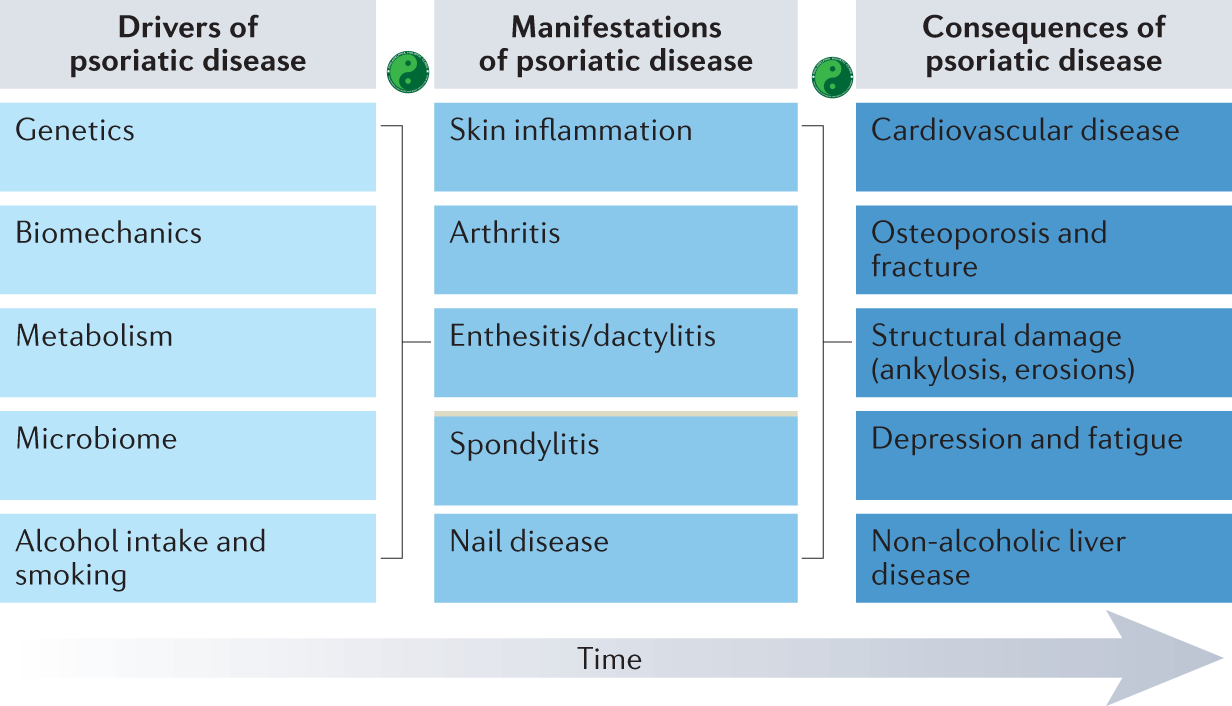
Leaving psoriatic arthritis untreated allows the inflammatory process to relentlessly erode your joints, causing irreversible structural damage. You will likely experience bone erosions, a hallmark of unmanaged disease, where the protective cartilage and underlying bone begin to wear away. This destructive process frequently leads to joint fusion, a condition known as ankylosis, where bones permanently grow together, eliminating movement in the affected joint. Progressive joint destruction can manifest as significant skeletal deformities, particularly in your hands and feet. You may develop a classic “pencil-in-cup” deformity, where the end of one bone narrows to a point and fits into a cup-like indentation in the adjacent bone, resulting in severe disfigurement and functional impairment. These deformities are not merely cosmetic; they severely compromise your ability to perform fine motor tasks and maintain balance. The long-term consequence of unmanaged inflammation on your skeletal system includes a heightened risk of osteolysis, the breakdown of bone tissue. You could also develop enthesitis, severe inflammation where tendons and ligaments attach to bone, leading to new bone formation in these areas, which further restricts movement and causes chronic pain. This cumulative damage profoundly impacts your mobility and overall physical function.
Impact on systemic health and functional mobility
Untreated psoriatic arthritis extends its reach far beyond your joints, significantly impacting your entire body and functional capabilities. You face an increased risk of developing serious comorbidities, including cardiovascular disease, metabolic syndrome, and inflammatory bowel disease, which can further complicate your health. This systemic inflammation places additional stress on your organs, potentially leading to long-term health complications that reduce your life expectancy. Your functional mobility will progressively decline as the disease advances without intervention, making everyday activities increasingly challenging. You may find simple actions like walking, dressing, or even grasping objects become painful and difficult, severely limiting your independence. This reduced mobility can lead to a more sedentary lifestyle, further exacerbating other health conditions and contributing to muscle weakness and deconditioning. Chronic pain and stiffness, hallmarks of untreated psoriatic arthritis, severely diminish your quality of life and ability to participate in social and occupational activities. You could experience significant fatigue, a common symptom of inflammatory conditions, which further impairs your functional capacity and overall well-being. This combination of physical limitations and persistent discomfort often leads to a withdrawal from activities you once enjoyed, impacting your mental health and social connections. Unmanaged psoriatic arthritis places you at a higher risk for developing severe conditions like uveitis, an inflammation of the eye that can lead to vision loss, and an increased susceptibility to infections due to chronic inflammation affecting your immune system. You may also experience significant mental health challenges, including depression and anxiety, as a direct result of chronic pain, disability, and the emotional burden of living with an uncontrolled chronic illness.
Conventional Medical Management and Therapeutic Options for Psoriatic Arthritis
Managing psoriatic arthritis often involves a multifaceted approach, focusing on controlling inflammation, alleviating pain, and preventing joint damage. Your healthcare provider will work with you to create a personalized treatment plan, taking into account the severity of your condition, the specific joints affected, and any other health concerns you may have. Early intervention is key to achieving the best possible outcomes and preserving your long-term joint function. A comprehensive treatment strategy typically includes both pharmacological interventions and non-pharmacological therapies. You might find yourself discussing options ranging from oral medications to injectable biologics, alongside the benefits of physical therapy and lifestyle adjustments. The goal is to reduce disease activity and improve your quality of life, allowing you to maintain daily activities with greater ease. Regular monitoring of your disease progression is a crucial component of conventional medical management. Your doctor will likely schedule follow-up appointments to assess the effectiveness of your chosen treatments and make any necessary adjustments. This ongoing evaluation ensures your treatment plan remains optimized for your evolving needs, helping you stay ahead of potential flares and complications.
Pharmacological protocols and biologics
Your doctor may prescribe a range of pharmacological treatments to manage your psoriatic arthritis symptoms. Nonsteroidal anti-inflammatory drugs (NSAIDs) are frequently the initial treatment for mild pain and inflammation, offering relief to many individuals. For more persistent or severe symptoms, your doctor may suggest disease-modifying antirheumatic drugs (DMARDs) like methotrexate, sulfasalazine, or leflunomide, as well as biologic therapies that specifically target These medications, including TNF inhibitors (like adalimumab and etanercept), IL-17 inhibitors (like secukinumab and ixekizumab), and IL-23 inhibitors (like ustekinumab and guselkumab), can be very effective. Your doctor will discuss which biologic might be most suitable for your specific presentation. Newer oral small molecule inhibitors, such as apremilast and tofacitinib, provide more treatment choices for people who don’t respond well to or can’t handle other therapies. These medications work by targeting specific intracellular pathways involved in the inflammatory response. Your treatment journey will likely involve a careful consideration of the benefits and potential side effects of each medication, ensuring the best fit for your individual health profile.
Physical therapy and rehabilitative care
Physical therapy plays a crucial role in managing psoriatic arthritis, complementing pharmacological treatments by improving joint function and reducing pain. A physical therapist can design a tailored exercise program to enhance your flexibility, strength, and range of motion in affected joints. These exercises are often gentle and focus on preserving joint health without exacerbating inflammation. You will learn various techniques to protect your joints during daily activities, minimizing stress and preventing further damage. This might include recommendations for proper posture, ergonomic adjustments, and assistive devices if needed. The goal is to empower you to move more comfortably and efficiently, allowing you to maintain your independence and engage in activities you enjoy. Occupational therapy can also be highly beneficial, providing practical strategies to adapt your home and work environments to your needs. An occupational therapist can help you find easier ways to perform tasks, from cooking and cleaning to typing and writing, which reduces strain on your joints. These personalized adaptations can significantly improve your quality of life and reduce the impact of psoriatic arthritis on your daily routine. Your physical therapy and rehabilitative care plan will be dynamic, adjusting as your condition changes. Regular sessions will allow your therapist to monitor your progress and modify exercises as needed, ensuring you continue to gain strength and flexibility. They can also provide guidance on pain management techniques, such as heat or cold therapy, and educate you on the importance of regular, gentle movement to keep your joints supple.
Nutritional Strategies and Inflammatory Control
You can significantly influence your psoriatic arthritis symptoms through careful dietary choices. Embracing a personalized psoriatic arthritis diet can directly impact the inflammatory processes within your body, offering a complementary approach to traditional treatments. By understanding how certain foods interact with your immune system, you gain a powerful tool in managing your condition and improving your overall well-being. Your plate becomes a potent pharmacy when you prioritize anti-inflammatory foods. This proactive approach aims to reduce systemic inflammation, a hallmark of psoriatic arthritis, thereby potentially lessening pain, swelling, and stiffness in your joints. Think of your daily meals as opportunities to either fuel or quell the inflammatory fire within your body. Making informed food choices can lead to tangible improvements in your daily life, from increased energy levels to a reduction in painful flare-ups. A well-constructed psoriatic arthritis diet isn’t about deprivation; it’s about empowering yourself with knowledge to make beneficial decisions for your health.
Anti-inflammatory dietary patterns
You will find an anti-inflammatory dietary pattern, often resembling the Mediterranean diet, highly beneficial for managing psoriatic arthritis. This style of eating emphasizes whole, unprocessed foods, which naturally contain compounds that combat inflammation. Focus on abundant fruits, vegetables, whole grains, and lean proteins to create a foundation for better health. Including healthy fats, particularly omega-3 fatty acids found in fish like salmon and mackerel, is paramount. These fats possess powerful anti-inflammatory properties that can help reduce joint pain and swelling. You should also incorporate nuts, seeds, and olive oil into your daily meals for their beneficial fatty acid profiles. Limiting your intake of processed foods, refined sugars, and unhealthy trans fats is equally important. These items are known to promote inflammation throughout the body, potentially exacerbating your psoriatic arthritis symptoms. By making conscious choices, you actively work towards reducing inflammation and improving your quality of life.
Identifying and eliminating food triggers
You may discover that certain foods trigger or worsen your psoriatic arthritis symptoms, even if they are generally considered healthy. Identifying these individual food triggers is a highly personalized process, often requiring careful observation and a systematic approach. Keeping a detailed food diary can be an invaluable tool in this detective work. Consider beginning on an elimination diet under the guidance of a healthcare professional to pinpoint specific culprits. This involves removing common inflammatory foods for a period and then reintroducing them one by one, carefully monitoring your body’s response. You might find that gluten, dairy, nightshades, or even certain spices contribute to your flare-ups. Once you identify your specific food triggers, eliminating them from your diet can lead to significant improvements in your psoriatic arthritis symptoms. This focused approach allows you to tailor your eating habits to your body’s unique needs, moving beyond general anti-inflammatory guidelines. A structured elimination diet, often lasting several weeks, can clearly demonstrate which foods provoke a negative reaction in your body. For example, you might remove gluten-containing grains, dairy products, and nightshade vegetables (like tomatoes, potatoes, and bell peppers) for a month. Following these steps, you would reintroduce one food group at a time, observing any changes in your joint pain, skin inflammation, or overall energy levels for several days before moving to the next. This methodical process empowers you to build a personalized psoriatic arthritis diet that effectively minimizes your symptoms.
Holistic Interventions and Natural Modalities for Psoriatic Arthritis
Exploring natural psoriatic arthritis treatment options can offer a complementary path to managing your condition, focusing on your body’s innate healing capabilities. These natural treatments for psoriatic arthritis often involve a multi-faceted approach, addressing not just the physical symptoms but also the underlying imbalances that contribute to the disease. You will find that integrating these modalities can significantly improve your quality of life, reducing inflammation and pain while promoting overall well-being. Many individuals seek natural treatments for psoriatic arthritis to reduce reliance on conventional medications or to enhance their effectiveness. By incorporating a range of holistic interventions, you can create a personalized strategy that supports your body’s healing processes. This comprehensive approach considers dietary changes, stress reduction techniques, and specific therapies designed to alleviate your symptoms and improve your joint function. Finding the right combination of natural psoriatic arthritis treatment methods requires an understanding of your unique needs and a willingness to explore different options. You might discover that certain therapies resonate more with you, offering greater relief and comfort. The journey towards managing psoriatic arthritis holistically is about discovering what truly works for your body and mind, leading to more sustainable and gentle relief.
Acupuncture and meridian-based therapy for PsA

Acupuncture, a cornerstone of traditional Chinese medicine, offers a promising natural treatment for psoriatic arthritis by targeting specific acupuncture points. This ancient practice involves the insertion of fine needles into your skin at precise locations along energy pathways, known as meridians. The goal is to rebalance your body’s energy flow, or Qi, which is believed to be disrupted in conditions like psoriatic arthritis. Studies suggest that stimulating these acupuncture points for psoriatic arthritis can help reduce inflammation and pain, common symptoms of the condition. By influencing the nervous system and promoting the release of natural pain-relieving chemicals, acupuncture can offer you significant relief. Many individuals report improved joint mobility and a decrease in skin flare-ups after consistent treatment sessions. Selecting a qualified practitioner who understands the intricacies of acupuncture points for psoriatic arthritis is vital for effective treatment. They will tailor a treatment plan specifically for you, focusing on points that address your particular symptoms and overall health. You might find this therapy to be a calming and restorative experience, contributing to both your physical and mental well-being.
Homeopathic approaches and botanical supplementation for Psoriatic Arthritis


Homeopathic treatment for psoriatic arthritis offers a highly individualized approach, utilizing diluted natural substances to stimulate your body’s self-healing mechanisms. This system of medicine operates on the principle of “like cures like,” which means that a substance causing symptoms in a healthy person can, in minute doses, cure similar symptoms in a sick person. A trained homeopath will carefully assess your complete symptom picture, not just your psoriatic arthritis, to prescribe a remedy uniquely suited to you. Botanical supplementation, a natural way to treat psoriatic arthritis, uses plant-based compounds that help reduce inflammation and support the immune system. Explore various herbs and plant extracts that traditional practices have used to manage inflammatory conditions. These supplements often work by reducing systemic inflammation, supporting detoxification pathways, and bolstering your immune system naturally. It’s important to talk to a healthcare professional who understands homeopathic treatment for psoriatic arthritis and plant-based supplements to ensure they are safe and effective for you. They can advise you on appropriate dosages and potential interactions with other medications you might be taking. You will discover that a personalized combination of these natural remedies can significantly contribute to managing your symptoms and improving your overall health. You will find that homeopathic treatment for psoriatic arthritis considers your unique constitution, emotional state, and physical symptoms to select the most appropriate remedy. This personalized approach aims to address the root cause of your imbalances rather than just suppressing symptoms. Botanical supplements, on the other hand, often provide a more direct physiological effect, with certain herbs like turmeric or ginger being widely recognized for their potent anti-inflammatory benefits.
-
- Rhus Tox 30C: Often used for joint pain, stiffness, and lower back pain that improves with movement.
- Bryonia Alba: Used for joint pain, redness, and swelling that feels worse with any movement and better with rest
- Psorinum: Sometimes used to address chronic skin lesions associated with the condition.
- Graphites: Recommended for long-term skin issues, including dry, thick, or cracked skin.
- Calcarea Carbonica: Used for overall management of skin and energy-related issues, derived from oyster shells.
- Mercurius Solubilis: Sometimes used for psoriasis affecting the palms and soles.
Conclusion
Managing psoriatic arthritis, a chronic inflammatory condition that affects an estimated 30% of individuals with psoriasis, requires a comprehensive and personalized approach. You have learned that this condition, characterized by joint pain, stiffness, and fatigue, can significantly impact quality of life. Understanding the interplay of genetic predisposition, environmental triggers, and immune system dysfunction is paramount to effective management. You can take an active role in your health by recognizing early symptoms, such as dactylitis (sausage fingers or toes) and enthesitis (inflammation where tendons or ligaments insert into bone), which often precede severe joint damage. Early diagnosis and intervention are critical to prevent irreversible changes and preserve joint function, allowing you to maintain a higher quality of life.
 You can integrate holistic strategies into your treatment plan to complement conventional medical interventions. A balanced diet, rich in anti-inflammatory foods like omega-3 fatty acids found in fish, can help reduce systemic inflammation. Regular, low-impact exercise, such as swimming or yoga, improves joint mobility and strength without exacerbating symptoms. Stress management techniques, including mindfulness and meditation, are beneficial, as stress is a known trigger for flares in many autoimmune conditions. You will find that these lifestyle modifications, when consistently applied, contribute significantly to symptom reduction and overall well-being, helping you manage the daily challenges of psoriatic arthritis more effectively.
You can achieve a positive long-term outlook by embracing a proactive and integrated approach to psoriatic arthritis management. Regular communication with your healthcare team, including rheumatologists and dermatologists, ensures that your treatment plan remains tailored to your evolving needs. Taking your medications as directed and regularly using holistic therapies gives you the best chance to stay symptom-free and stop the disease from getting worse. You have the power to influence your health trajectory by making informed choices and committing to a lifestyle that supports your physical and mental well-being. This integrated strategy will allow you to live a fulfilling life despite the challenges of psoriatic arthritis.
FAQ

Q: What is psoriatic arthritis?
A: Psoriatic arthritis (PsA) is a chronic inflammatory condition affecting individuals with psoriasis, a skin disorder characterized by red, scaly patches. PsA causes joint pain, stiffness, and swelling, often mimicking rheumatoid arthritis. Inflammation associated with PsA can affect any joint in the body, including the spine and fingertips. The condition is progressive and can lead to joint damage and disability if not managed effectively.
Q: What are the primary causes of psoriatic arthritis?
A: The exact cause of psoriatic arthritis remains unknown. Researchers believe a combination of genetic and environmental factors plays a role. A family history of psoriasis or PsA increases an individual’s risk. Certain genes, particularly those related to the immune system, have been linked to the development of the condition. Environmental triggers, such as infections, trauma, or stress, may initiate or exacerbate PsA in genetically predisposed individuals. The immune system mistakenly attacks healthy tissues, leading to inflammation in the joints and skin.
Q: What are the common symptoms of psoriatic arthritis?
A: Symptoms of psoriatic arthritis vary widely among individuals. Joint pain, stiffness, and swelling are hallmark signs, often worse in the morning or after periods of inactivity. Dactylitis, or “sausage digits,” causes entire fingers or toes to swell. Enthesitis, inflammation where tendons or ligaments attach to bone, can cause pain in the heels, soles of the feet, or elbows. Nail changes, such as pitting, discoloration, and separation from the nail bed, are common. Fatigue affects many individuals with PsA. Skin lesions characteristic of psoriasis are also present. Some people experience eye inflammation (uveitis) or inflammatory bowel disease.
Q: What happens if psoriatic arthritis is left untreated?
A: Untreated psoriatic arthritis can lead to significant and irreversible joint damage. Chronic inflammation erodes cartilage and bone, causing joint deformities and loss of function. Individuals may experience severe pain and reduced mobility, impacting their daily activities and quality of life. The condition can also affect other organs. Untreated PsA increases the risk of cardiovascular disease, metabolic syndrome, and mental health issues like depression and anxiety. Early diagnosis and consistent treatment are imperative to prevent complications and preserve joint health.
Q: What are the conventional treatments for psoriatic arthritis?
A: Conventional treatments for psoriatic arthritis aim to reduce inflammation, manage pain, and prevent joint damage. Nonsteroidal anti-inflammatory drugs (NSAIDs) alleviate pain and stiffness for mild cases. Disease-modifying antirheumatic drugs (DMARDs), such as methotrexate, slow disease progression. Biologic therapies, including TNF inhibitors and IL-17 inhibitors, target specific components of the immune system to reduce inflammation. Corticosteroid injections can provide temporary relief for localized joint inflammation. Physical therapy helps maintain joint flexibility and strength. In severe cases, surgery may be necessary to repair or replace damaged joints.
Q: How can a holistic approach complement conventional psoriatic arthritis treatments?
A: A holistic approach integrates conventional medical treatments with lifestyle modifications and complementary therapies to support overall well-being. Diet plays a significant role; an anti-inflammatory diet rich in fruits, vegetables, lean proteins, and omega-3 fatty acids can help reduce systemic inflammation. Regular exercise, adapted to individual capabilities, improves joint flexibility, muscle strength, and mood. Stress management techniques, such as meditation, yoga, or mindfulness, can lessen disease flares. Acupuncture may help relieve pain and stiffness. Many individuals explore herbal remedies or homeopathic treatments, reporting outstanding improvement. Discussing any complementary therapies with a healthcare provider ensures they are safe and do not interfere with conventional medications.
Q: Are there specific natural treatments or dietary considerations for psoriatic arthritis?
A: Several natural treatments and dietary considerations can support individuals with psoriatic arthritis. An anti-inflammatory diet is often recommended, focusing on whole, unprocessed foods. Foods to limit include refined sugars, processed foods, red meat, and dairy, which can exacerbate inflammation for some individuals. Omega-3 fatty acids, found in fish oil and flaxseed, have anti-inflammatory properties. Turmeric, ginger, and green tea possess natural anti-inflammatory compounds. Regular, gentle exercise like swimming, walking, or tai chi improves joint mobility and reduces pain. Acupuncture has shown promise in managing pain and stiffness for some people. Homeopathic treatments are individualized and aim to stimulate the body’s healing response, though scientific evidence is limited. Always consult a healthcare professional before starting any new natural treatments or making significant dietary changes.
Homeopathy: Psoriatic Arthritis Treatment in Philadelphia
Dr. Tsan, a well-known medical director of the Center for Holistic Medicine, graduated from one of the most prestigious homeopathic schools in the world. In most cases of psoriatic arthritis treatment, he uses a combination of homeopathic remedies and Chinese acupuncture to achieve better and faster results.
Philadelphia Homeopathic Clinic, led by Victor Tsan, MD, is in the heart of the Northeast region of Philadelphia, PA, close to major roads and public transportation.
To make an appointment for the comprehensive holistic evaluation and discuss your treatment plan with Dr. Tsan, contact our office during business hours at (267) 403-3085 or use our online scheduling system.