Low Potassium (Hypokalemia)
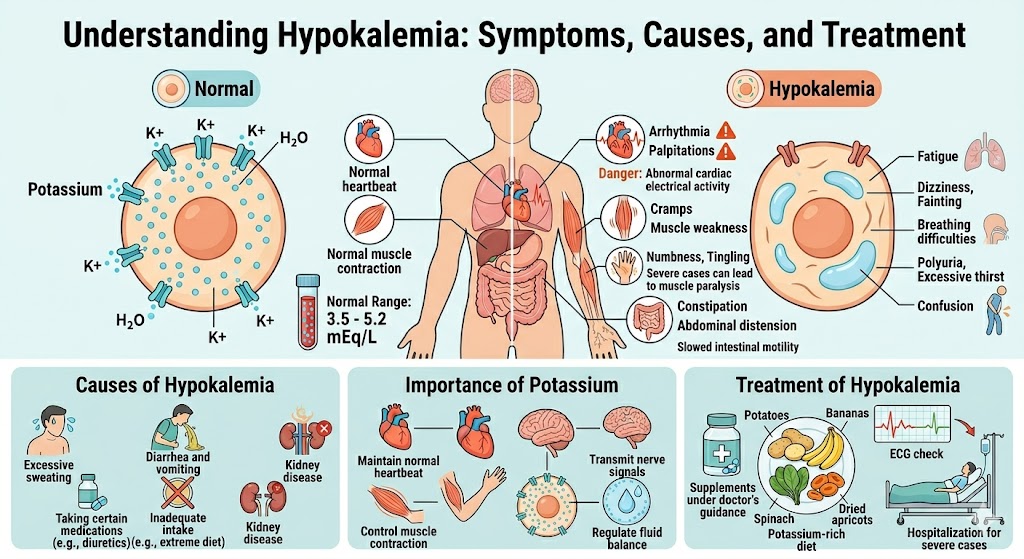
Low potassium, medically known as hypokalemia, is a condition where blood potassium levels fall below 3.6 mmol/L. Hypokalemia is a medical condition characterized by lower-than-normal levels of potassium, specifically a serum concentration of less than 3.5 mEq/L (3.5 mmol/L). It most commonly occurs due to excessive potassium loss through the gastrointestinal tract or kidneys or when potassium abnormally shifts into the body’s cells. It often results from medications like diuretics, excessive fluid loss (vomiting or diarrhea), or kidney issues. While mild cases are asymptomatic, severe drops can be life-threatening and cause dangerous cardiac arrhythmias.
Takeaways:
Normal vs. Low Levels of Potassium
-
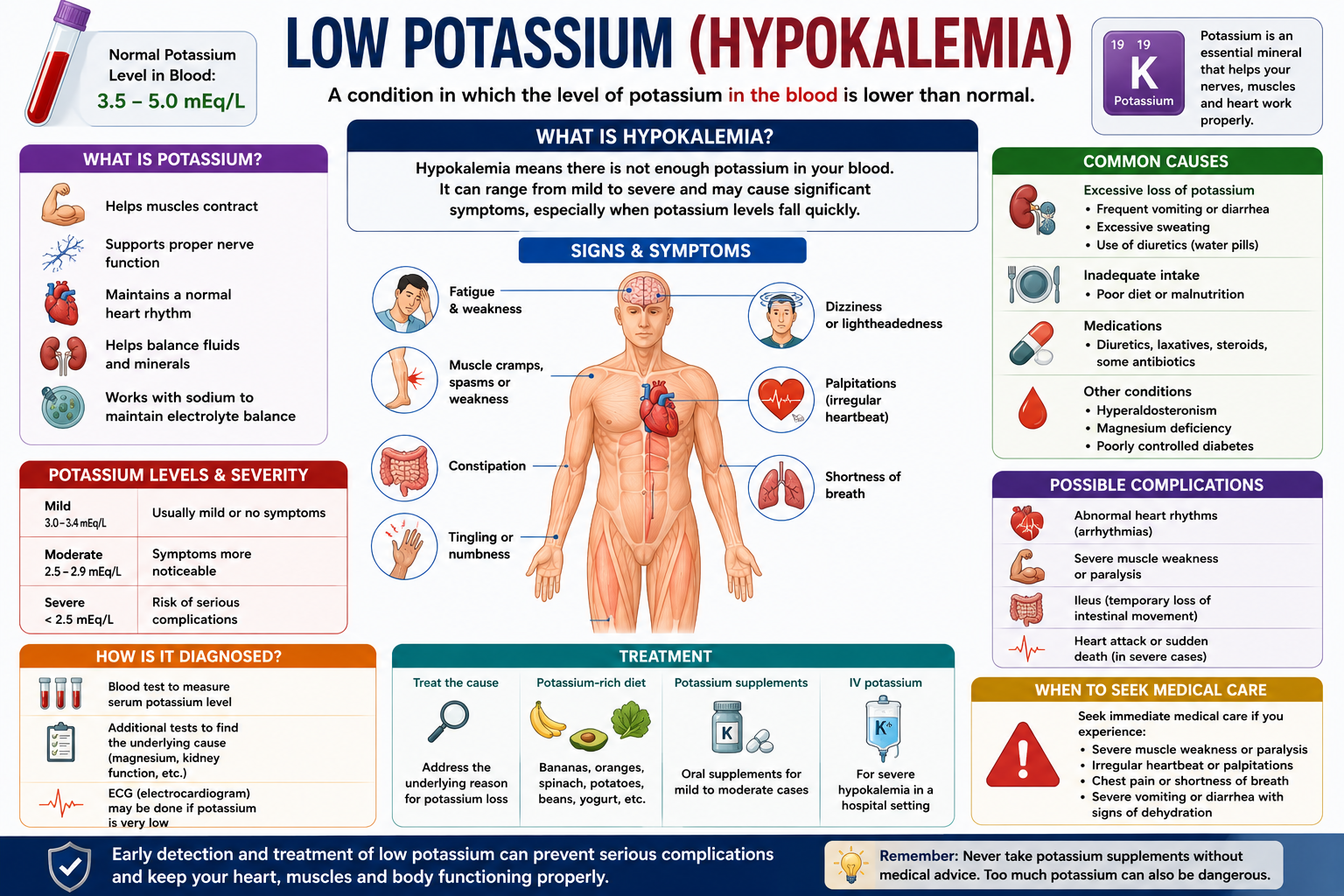
- Normal range: 3.6 to 5.2 mEq/L
- Mild hypokalemia: 3.0 to 3.4 mEq/L
- Moderate hypokalemia: 2.5 to 2.9 mEq/L
- Severe hypokalemia: < 2.5 mEq/L (considered life-threatening)
-
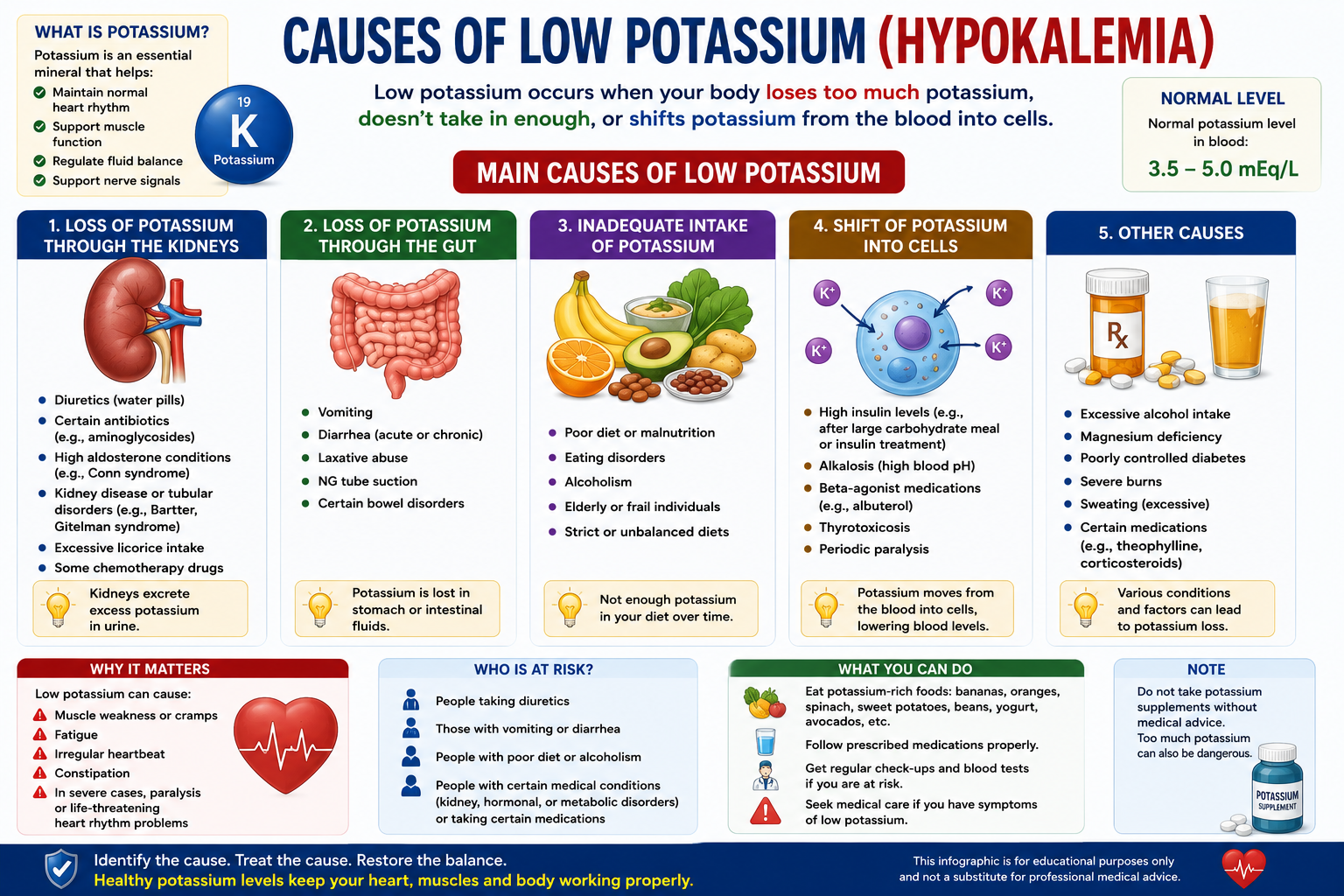
- Gastrointestinal losses: Prolonged vomiting, diarrhea, or excessive use of laxatives.
- Medications: Certain drugs, particularly non-potassium-sparing diuretics (water pills), some antibiotics, and high doses of corticosteroids.
- Renal/Endocrine issues: Kidney disease, primary hyperaldosteronism, or adrenal gland disorders.
- Transcellular shifts: Conditions like diabetic ketoacidosis, excessive alcohol use, or the action of certain asthma medications (e.g., albuterol) that cause potassium to move too quickly from the blood into the cells.
- Dietary factors: Low potassium intake, though this is rarely the sole cause.
-
- Musculoskeletal: Weakness, fatigue, muscle cramps, twitches, and spasms. Severe cases can lead to muscle paralysis.
- Cardiovascular: Heart palpitations, irregular heart rhythms (arrhythmias), or a feeling of “skipped” heartbeats. Severe cases can lead to cardiac arrest.
- Gastrointestinal: Constipation or abdominal cramping.
-
- Restoring potassium levels: This goal is usually achieved by eating foods rich in potassium (such as bananas, avocados, and sweet potatoes) or taking oral potassium supplements and can require intravenous (IV) replacement in severe or emergency cases.
- Addressing the underlying cause: Identifying and managing the medical condition or medication responsible for the loss.
Identifying Signs and Symptoms of Hypokalemia
Recognizing the signs of hypokalemia early can significantly impact your health outcomes. Low potassium symptoms often manifest subtly at first, making it easy to overlook them until the condition becomes more severe. Understanding these indicators allows you to seek timely medical attention and prevent potential complications.
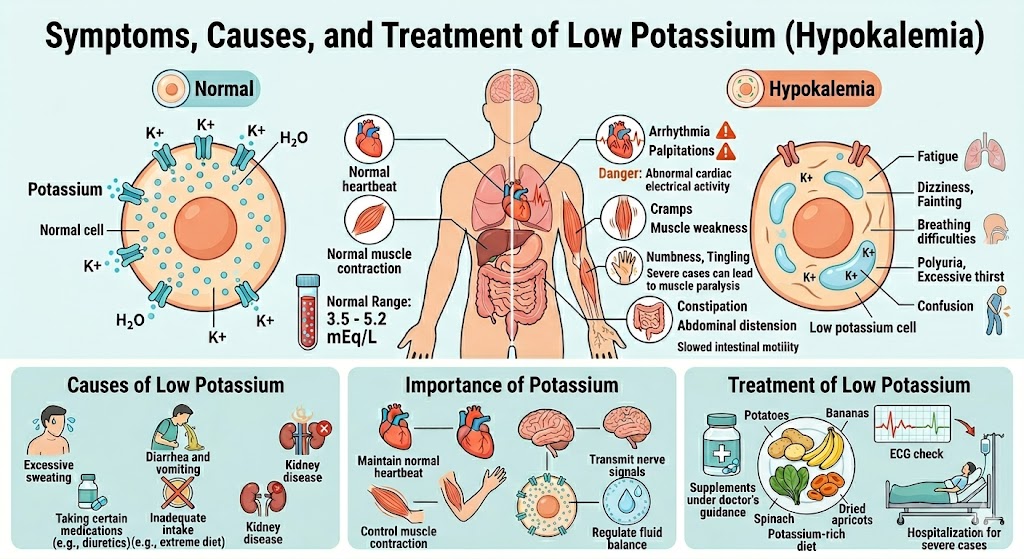
You might experience a range of physical and internal changes when your potassium levels drop below the healthy range. These symptoms of low potassium can vary in intensity depending on the degree of the deficiency, from mild discomfort to more debilitating issues affecting muscle function and digestion.
Observing your body’s signals is key to identifying hypokalemia symptoms. Pay close attention to persistent changes, as even seemingly minor issues can be early warnings that your potassium balance is disrupted, requiring investigation and potential treatment.
Early physical warning signs
Weakness in your muscles is often one of the first hypokalemia symptoms you might notice. This isn’t just general tiredness but a specific feeling of lack of strength, especially in your arms and legs, making routine tasks feel unusually difficult.
Feeling fatigued even after adequate rest can also point to low potassium. This persistent tiredness doesn’t go away with sleep and can significantly impact your daily energy levels and overall well-being.
You might also experience muscle cramps or spasms, particularly in your legs. These involuntary contractions can be painful and occur unexpectedly, serving as another early sign of hypokalemia.
Neuromuscular and gastrointestinal indicators
Muscle weakness can progress, affecting not just your limbs but potentially your respiratory muscles, leading to breathing difficulties. This more severe symptom of low potassium indicates a significant drop in potassium and requires immediate medical attention.
Constipation is another common gastrointestinal symptom of hypokalemia. Low potassium can slow down bowel movements, leading to infrequent and difficult stool passage, which causes discomfort and bloating.
Heart palpitations, where you feel your heart racing, fluttering, or skipping beats, are serious low-potassium symptoms. These irregular heart rhythms can be a sign of severe hypokalemia and warrant urgent medical evaluation.
Beyond the general muscle weakness and constipation, more advanced neuromuscular and gastrointestinal indicators of hypokalemia include paralytic ileus, a condition where the intestines temporarily stop moving, leading to severe abdominal pain and bloating. You could also experience significant muscle tenderness and pain, alongside the aforementioned breathing difficulties due to compromised respiratory muscle function. These more pronounced symptoms highlight the critical role potassium plays in both muscle contraction and nerve signal transmission throughout your body.
Potential Complications and Health Risks of Hypokalemia
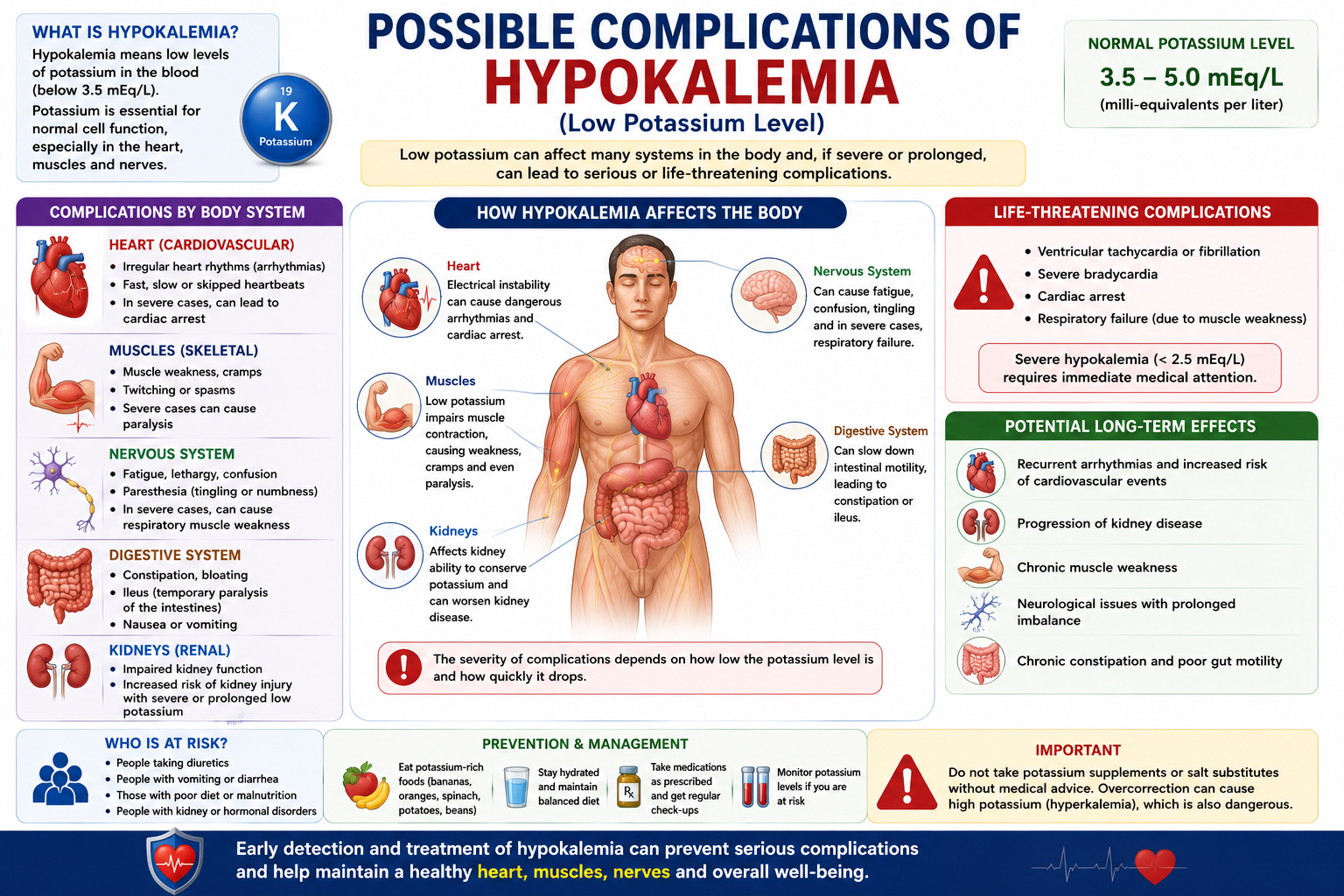 Your body relies on a delicate balance of electrolytes, and when potassium levels dip too low, the consequences can be serious. You might experience a range of symptoms, from mild muscle weakness to life-threatening cardiac arrhythmias. Understanding these potential complications is necessary for recognizing the urgency of proper diagnosis and treatment. Untreated hypokalemia can lead to a cascade of health issues affecting various organ systems. You are at risk for complications that extend beyond immediate discomfort, impacting your long-term well-being. Recognizing these dangers helps you appreciate the importance of addressing low potassium promptly and effectively. Ignoring symptoms of hypokalemia can result in severe health risks that may require emergency medical intervention. You should be aware that even seemingly minor initial symptoms can progress to more critical conditions if not addressed. Early detection and appropriate management are key to preventing these serious outcomes.
Cardiovascular and heart rhythm issues
Cardiac complications are among the most serious concerns with hypokalemia, as your heart function is particularly sensitive to potassium levels. You could experience various arrhythmias, including premature atrial or ventricular contractions, which are disruptions in the heart’s normal electrical activity. These irregular heartbeats can range from benign to life-threatening. Ventricular fibrillation, a chaotic and ineffective heart rhythm, represents a severe and potentially fatal complication of low potassium. You are at a much higher risk for this type of arrhythmia when your potassium levels are significantly depleted. This condition requires immediate medical attention and often resuscitation. Electrocardiogram (ECG) changes are frequently observed in individuals with hypokalemia, providing a clear indication of cardiac involvement. You might see flattened T waves, prominent U waves, or ST-segment depression on an ECG reading. These findings signal the need for urgent potassium correction to protect your heart.
Long-term physiological impact
Your kidneys can suffer significant damage from prolonged hypokalemia, as they play a crucial role in maintaining electrolyte balance. You might develop impaired renal function, leading to a reduced ability to concentrate urine. These symptoms can manifest as polyuria, an increased frequency of urination, and polydipsia, or excessive thirst. Muscle weakness and paralysis can become chronic issues if your potassium levels remain low over time. You may find that your muscles, including those necessary for breathing, continuously affect you. This persistent weakness can severely impact your mobility and overall quality of life. Gastrointestinal problems are also frequently associated with chronic hypokalemia, potentially leading to a range of digestive complaints. You might experience constipation due to reduced bowel motility. In severe cases, paralytic ileus, a complete cessation of bowel movement, can develop, requiring immediate medical intervention. Chronic hypokalemia can also affect your metabolic processes, potentially leading to glucose intolerance. Your body may struggle to regulate blood sugar effectively, increasing your risk for developing or worsening diabetes. This long-term impact on glucose metabolism underscores the widespread physiological disruption that persistent low potassium can cause.
Clinical Treatment for Low Potassium and Recovery Timelines
Conventional medical interventions
Addressing hypokalemia often begins with oral potassium supplementation for mild to moderate cases. You might receive potassium chloride tablets or liquid, which your body readily absorbs to help restore potassium levels. Doctors also focus on identifying and treating the underlying cause, whether it’s diuretic use, vomiting, or diarrhea, to prevent recurrence. For severe hypokalemia, especially when accompanied by cardiac arrhythmias or significant muscle weakness, intravenous potassium administration becomes necessary. This method allows for a more rapid increase in potassium levels, but it requires careful monitoring to avoid hyperkalemia, a dangerously high potassium level. Your medical team will closely observe your electrolyte balance. You will find that your physician will also review your current medications, as some can contribute to potassium loss. Adjusting dosages or switching to alternative drugs might be part of your treatment plan. This comprehensive approach ensures not only the immediate correction of low potassium but also the long-term management of your health.
Factors influencing recovery from hypokalemia duration
The duration of your recovery from low potassium can vary significantly depending on several key factors. Your initial potassium levels play a major role; individuals with very severe hypokalemia typically require a longer period of treatment and observation compared to those with mild deficiencies. The underlying cause of your hypokalemia also dictates how quickly you can recover. Your overall health status and the presence of any co-existing medical conditions will also influence your recovery timeline. Patients with kidney disease or heart conditions, for example, may experience a more prolonged recovery period due to their body’s reduced ability to regulate electrolytes effectively. Your adherence to the prescribed treatment plan is also critical. Assume that consistent follow-up appointments and dietary adjustments, such as increasing potassium-rich foods, contribute significantly to a faster and more sustained recovery. Your body’s response to treatment is unique, and while some individuals may see their potassium levels normalize within a few days, others might require weeks of therapy. The severity of your symptoms at presentation, such as the extent of muscle weakness or cardiac involvement, can also extend the recovery period. Assume that patients experiencing significant complications, such as rhabdomyolysis or severe arrhythmias, will likely have a more protracted recovery journey.
Dietary Management and Nutritional Guidelines for Low Potassium
Understanding specific dietary restrictions and requirements
Managing your diet plays a significant role in addressing hypokalemia. A low-potassium diet is often recommended to help regulate potassium levels in your body, especially if your kidneys are not functioning optimally. This approach focuses on limiting foods high in potassium while ensuring you still receive adequate nutrition. Understanding what constitutes a low-potassium diet is the first step in effectively managing your condition. You will discover that a low-potassium diet specifically restricts foods containing high amounts of potassium, typically those with more than 200 milligrams per serving. This dietary strategy aims to prevent further accumulation of potassium, which can exacerbate the symptoms of hypokalemia. You will need to become familiar with the potassium content of various foods to make informed choices that support your health. Adhering to these dietary guidelines requires careful attention to food labels and portion sizes. You can work with a registered dietitian to create a personalized meal plan that meets your individual needs and preferences. This professional guidance will help you successfully implement a low-potassium diet, ensuring you remain nourished while managing your potassium intake.
Meal planning and vegetable selection
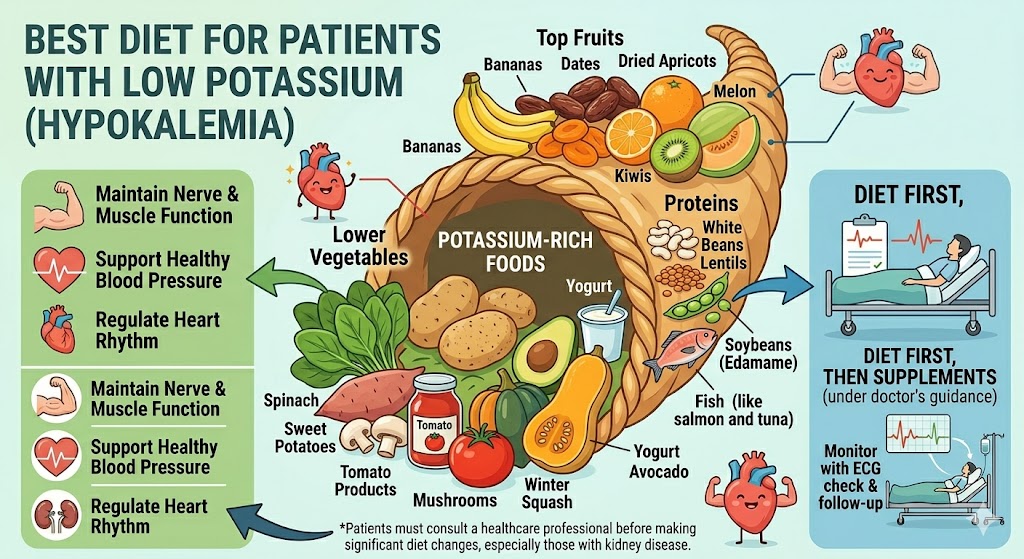
Creating a balanced meal plan within the parameters of a low-potassium diet requires careful consideration of all food groups. Focusing on low-potassium vegetables is a cornerstone of this dietary approach, as they provide imperative nutrients without significantly contributing to your potassium intake. You will find that many delicious and nutritious vegetables fit into this category, allowing for variety in your meals. Selecting appropriate low-potassium vegetables is key to successful dietary management. Some excellent choices include green beans, corn, peas, and carrots, all of which generally have lower potassium levels compared to their high-potassium counterparts like potatoes and tomatoes. You can incorporate these vegetables into various low-potassium diet recipes, ensuring your meals are both healthy and enjoyable. Exploring different low-potassium diet recipes can transform your approach to eating. Many resources offer creative ways to prepare meals that are compliant with your dietary restrictions, from hearty main courses to refreshing side dishes. You can experiment with different cooking methods and seasonings to enhance the flavor of your low-potassium vegetable choices, making your dietary journey more satisfying. You can also consider incorporating fruits that are lower in potassium, such as apples, berries, and pineapple, to add sweetness and additional nutrients to your diet. Combining these fruits and vegetables with lean proteins and appropriate grains will help you maintain a well-rounded and delicious meal plan while effectively managing your potassium levels.
Homeopathic Approaches to Potassium Regulation
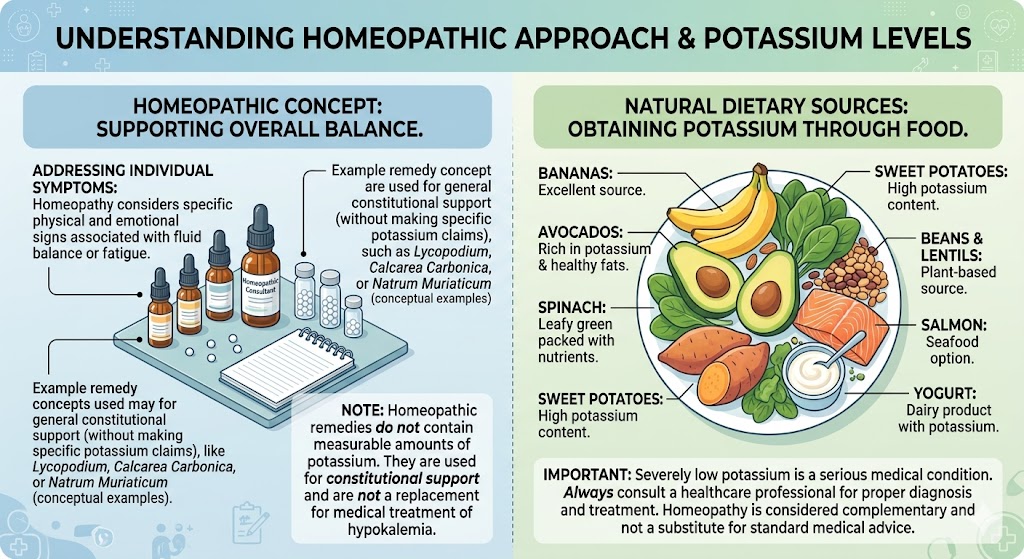
Homeopathy offers a distinct perspective on addressing imbalances like hypokalemia, focusing on stimulating your body’s innate healing capabilities rather than simply replacing the deficient mineral. This approach considers your complete symptom picture, including physical, mental, and emotional aspects, to identify a remedy that resonates with your unique presentation of low potassium. You will find that homeopathic care aims to restore overall balance, which can indirectly support proper potassium regulation within your system. Your homeopathic practitioner will conduct a thorough case-taking, gathering detailed information about your specific symptoms, medical history, and even your personality traits. This individualized assessment is fundamental to selecting a homeopathic medicine that matches your unique set of symptoms and constitutional type. The goal is to address the underlying predisposition to the imbalance, not just the low potassium itself. Understanding that homeopathic remedies are highly diluted substances, people believe their action is energetic and prompts the body to self-regulate. You can expect a gentle yet profound approach to managing your potassium levels, working in harmony with your body’s natural processes. This method is complementary and should be discussed with your primary healthcare provider, especially when dealing with a serious condition like hypokalemia.
Principles of individualized homeopathic care
Identifying the most appropriate homeopathic remedy for your hypokalemia involves a meticulous process of individualization, a cornerstone of homeopathic philosophy. You will discover that no two cases of low potassium are treated identically, even if the laboratory results are similar. Your practitioner will spend considerable time understanding your specific symptoms, how they manifest, and what makes them better or worse. Your unique symptomology guides the selection of the correct remedy, considering factors beyond just the potassium deficiency. This includes your specific food cravings, sleep patterns, emotional state, and even your reaction to different weather conditions. You are viewed as a whole person, and your treatment reflects this holistic perspective, aiming to bring your entire system into balance. The principle of “like cures like” is applied, meaning that a substance that produces similar symptoms in a healthy person is used in highly diluted form to treat those same symptoms in an ill person. Therefore, the remedy chosen for you will be one that, in its crude form, would cause symptoms resembling your individual presentation of hypokalemia, thereby stimulating your body’s healing response.
Common remedies for mineral imbalance and low potassium
Several homeopathic remedies are frequently considered for imbalances related to minerals, including potassium, though their selection always depends on your specific symptom picture. You might find that people often discuss remedies like Calcarea carbonica, Natrum muriaticum, or Kali carbonicum in the context of mineral regulation. These remedies are not prescribed solely for low potassium but rather for a broader set of symptoms that align with their respective profiles. Your homeopathic practitioner might explore remedies such as Phosphorus for individuals exhibiting profound weakness, thirst for cold drinks, and often a desire for salty foods, which can sometimes accompany electrolyte imbalances. Silica is another remedy considered for those with poor nutrient assimilation and a general lack of vitality, potentially impacting mineral absorption. The choice of remedy is always tailored to your constitutional type and the unique way your symptoms present. Considering your overall health and constitutional makeup is paramount when selecting a remedy for mineral imbalance. For instance, if you experience muscle weakness and cramps and are generally chilly, a remedy like Kali carbonicum might be considered if these symptoms align with your broader symptom picture. This approach ensures that the treatment is not just addressing the low potassium but also supporting your overall well-being. Your homeopathic practitioner will carefully assess your entire symptom picture, including your physical sensations, emotional state, and general constitution, to determine the most appropriate remedy from this diverse range of possibilities. This detailed individualization makes sure the chosen remedy fits well with your unique mineral imbalance, helping your body restore balance.
- China officinalis: Often suggested for physical weakness, exhaustion, or fatigue following fluid loss (such as from diarrhea or excessive sweating).
- Kali phosphoricum: Used to support individuals experiencing mental or physical exhaustion.
- Causticum: Sometimes used to address muscle weakness, stiffness, or spasms.
Final Words
Drawing together the various facets of hypokalemia, you understand that maintaining adequate potassium levels is paramount for your overall health. You have explored the diverse causes, from dietary deficiencies to underlying medical conditions, and recognized the spectrum of symptoms that can manifest. The potential complications, ranging from muscle weakness to life-threatening cardiac arrhythmias, underscore the seriousness of unaddressed low potassium. Your knowledge of these aspects allows you to approach your health proactively, recognizing the signs and seeking appropriate guidance when necessary. You now possess a comprehensive understanding of how to manage hypokalemia and maintain your health. This involves a personalized approach, often starting with dietary adjustments to increase potassium intake through foods like bananas, oranges, and leafy greens. When dietary changes are insufficient, your healthcare provider may recommend potassium supplements. You recognize the importance of regular monitoring of your potassium levels, especially if you have chronic conditions or are taking medications that can affect electrolyte balance. This vigilant approach ensures that we detect and address any fluctuations promptly. When you take an active role in your health maintenance, you stay informed about your body’s needs. You have learned about the homeopathic perspective on hypokalemia, which focuses on individualized remedies to stimulate your body’s healing mechanisms. While conventional treatments are often necessary for acute or severe cases, understanding complementary approaches broadens your options for long-term well-being. By combining awareness, proactive management strategies, and a collaborative relationship with your healthcare team, you are well-equipped to prevent, identify, and effectively address hypokalemia, safeguarding your health for years to come.
FAQ
Q: What is hypokalemia (low potassium)?
A: Hypokalemia describes a condition where the potassium level in your blood is lower than normal. Potassium is a crucial electrolyte. It plays a significant role in nerve function, muscle contractions, and maintaining a regular heart rhythm. Healthy potassium levels are typically between 3.5 and 5.0 milliequivalents per liter (mEq/L). Levels below 3.5 mEq/L indicate hypokalemia.
Q: What causes low potassium (hypokalemia)?
A: Many factors can lead to hypokalemia. Common causes include excessive fluid loss from severe vomiting or diarrhea. Diuretic medications, often prescribed for high blood pressure or heart failure, can increase potassium excretion through urine. Certain kidney diseases and hormonal imbalances, such as hyperaldosteronism, also contribute to low potassium. A diet consistently lacking in potassium-rich foods can contribute to the condition over time. Magnesium deficiency sometimes impairs the body’s ability to retain potassium, leading to lower levels.
Q: What are the signs and symptoms of hypokalemia (low potassium)?
A: Symptoms of low potassium vary depending on the severity of the deficiency. Mild hypokalemia often presents with no noticeable symptoms. As potassium levels drop further, individuals may experience muscle weakness, cramps, or spasms. Fatigue and general malaise are common. Constipation or other digestive issues like bloating can occur. Heart palpitations or an irregular heartbeat may signal more severe hypokalemia. In extreme cases, muscle paralysis or life-threatening heart rhythm disturbances can develop.
Q: What can happen if your potassium level is too low? What are the complications of hypokalemia?
A: Untreated hypokalemia can lead to serious health complications. Cardiac arrhythmias, which are irregular heartbeats, pose a significant risk and can be fatal. Severe muscle weakness can progress to paralysis, affecting breathing muscles and leading to respiratory failure. Kidney damage can occur over time, impairing the organ’s ability to concentrate urine. Prolonged hypokalemia may also worsen existing conditions like diabetes or high blood pressure.
Q: How is hypokalemia treated, and how long does it take to recover?
A: Treatment for hypokalemia focuses on restoring potassium levels and addressing the underlying cause. Mild cases often respond to dietary changes, increasing intake of potassium-rich foods. Oral potassium supplements are frequently prescribed. For severe hypokalemia or when oral intake is not possible, intravenous potassium administration becomes necessary. Recovery time depends on the severity of the deficiency and the effectiveness of treating the underlying cause. Mild cases may improve within days, while more severe or chronic conditions require weeks or months of consistent management.
Q: Can homeopathic treatment help with hypokalemia?
A: Homeopathic treatment for hypokalemia aims to stimulate the body’s healing response and address the root cause of the imbalance. A qualified homeopath will conduct a detailed individual assessment, considering all symptoms, lifestyle factors, and medical history. They select specific remedies based on this comprehensive picture, not solely on the low potassium diagnosis. Remedies like Kali phosphoricum, Natrum muriaticum, or Calcarea phosphorica are sometimes considered, depending on the specific symptom presentation. Homeopathic treatment often works best as a complementary approach, particularly for chronic or recurrent hypokalemia, and should always be discussed with a conventional medical doctor, especially for acute or severe cases requiring immediate potassium repletion.
Q: What is a low-potassium diet? Are there low-potassium vegetables or recipes?
A: The question seems to be a misunderstanding. For hypokalemia, the goal is to INCREASE potassium intake, not reduce it. Therefore, a “low potassium diet” is not relevant for treating hypokalemia. Instead, individuals with low potassium need a potassium-rich diet. Excellent sources of potassium include fruits like bananas, oranges, cantaloupe, and avocados. Vegetables such as spinach, broccoli, potatoes, and sweet potatoes are also high in potassium. Legumes like beans and lentils, along with nuts and seeds, contribute significant potassium. Many healthy recipes naturally incorporate these ingredients, such as a spinach and sweet potato curry, a banana and avocado smoothie, or a lentil soup with various vegetables.
Homeopathic treatment for hypokalemia in Philadelphia
If you choose natural or homeopathic treatment for hypokalemia, ensure you follow the recommendations of a good and well-trained medical professional.
At the Philadelphia Homeopathic Clinic, Dr. Tsan and associates use the most effective approaches to natural treatment for low potassium serum. Thus, the effectiveness of hypokalemia treatment at the clinic is approximately 10% higher than the nationwide average.
Contact the clinic at (267) 403-3085 or use our online application to schedule an appointment for evaluation with Doctor Tsan and start your treatment.