Thrombocytopenia
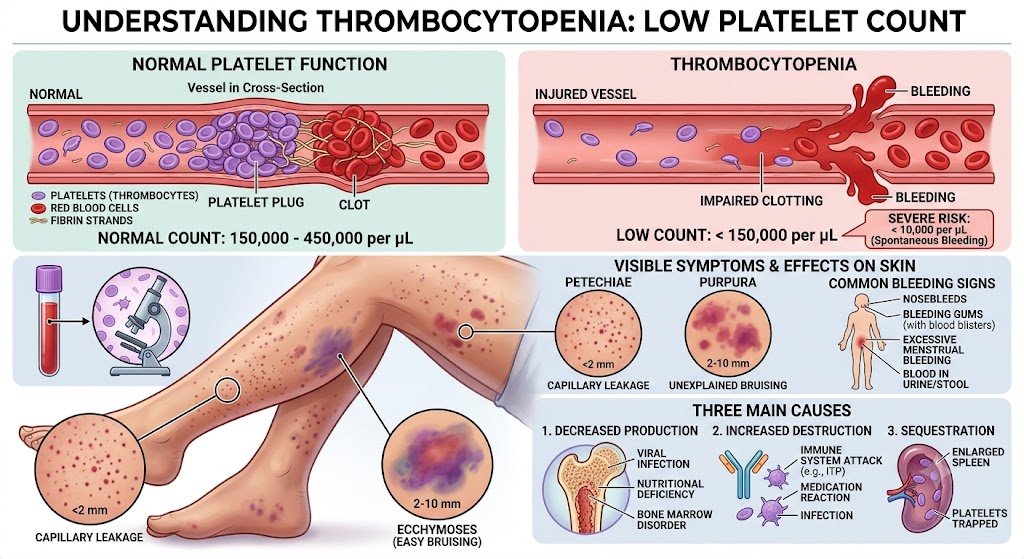
There’s a condition where your blood has a low platelet count, known as thrombocytopenia. You might experience easy bruising or prolonged bleeding, indicating your body isn’t clotting blood effectively. Understanding the various types of thrombocytopenia and its potential aggravations is crucial for you to manage this condition.
Key Takeaways:
- Thrombocytopenia, which means having a low platelet count, can be caused by many things, such as problems with the immune system, side effects from medications, and disorders in the bone marrow.
- Immune Thrombocytopenia (ITP) is categorized into primary (idiopathic) and secondary forms, with further distinctions between acute (typically resolving within six months) and chronic presentations.
- Certain medications, such as heparin, are known to induce thrombocytopenia (HIT), necessitating careful monitoring and prompt discontinuation of the offending agent to prevent severe complications.
- Specific clinical syndromes like Thrombotic Thrombocytopenic Purpura (TTP) and Hemolytic Uremic Syndrome (HUS) represent severe forms of thrombocytopenia, often accompanied by microangiopathic hemolytic anemia and organ damage.
- Bone marrow disorders, whether congenital or acquired, can impair platelet production, leading to a reduced platelet count; examples include aplastic anemia or myelodysplastic syndromes.
- Symptoms of thrombocytopenia range from mild bruising and petechiae to more severe manifestations such as epistaxis (nosebleeds), gingival bleeding, and, in critical cases, internal hemorrhage.
- Homeopathic treatment approaches for thrombocytopenia focus on individualized remedies, selected based on the patient’s unique symptom profile and overall constitutional presentation, aiming to stimulate the body’s self-healing mechanisms.
Drug-Induced and Heparin-Related Platelet Disorders
Pathophysiology of Drug-Induced Thrombocytopenia (DIT)
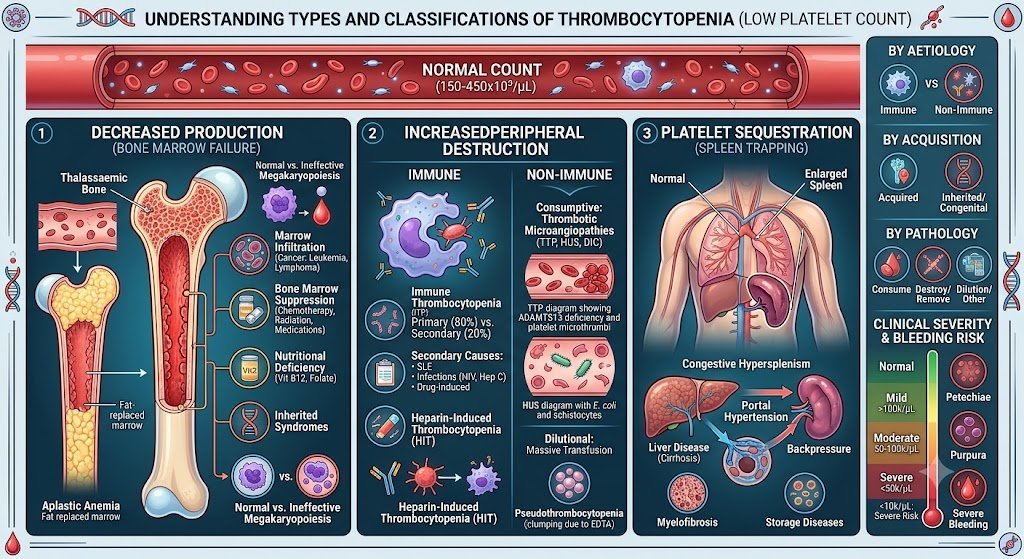
Drug-Induced Thrombocytopenia (DIT) arises when certain medications trigger an immune response that mistakenly targets platelets, leading to their destruction. This process typically involves the formation of drug-dependent antibodies, which bind to platelets only in the presence of the inciting drug. The drug acts as a hapten, a small molecule that, when bound to a larger carrier protein on the platelet surface, becomes immunogenic. These drug-dependent antibodies then activate the complement system or facilitate phagocytosis of the antibody-coated platelets by macrophages in the spleen and liver. Platelet counts can drop precipitously, often within hours of re-exposure to the offending drug, if the patient has been sensitized previously. The severity of thrombocytopenia in DIT can range from mild reductions to life-threatening platelet counts below 10,000/µL, depending on the drug and individual immune response. Specific drugs commonly implicated in DIT include quinine, quinidine, sulfonamides, and certain antibiotics, though a wide array of medications has been reported to cause this reaction. Identifying the causative agent is paramount, as discontinuing the drug usually leads to a rapid recovery of platelet counts, often within several days to a week. You should always consult a healthcare professional to determine if a medication you are taking might be contributing to thrombocytopenia.
Risks and Management of Heparin-Induced Thrombocytopenia (HIT)
Heparin-Induced Thrombocytopenia (HIT) is a serious immune-mediated adverse drug reaction that occurs with heparin therapy. This condition develops when antibodies form against complexes of heparin and platelet factor 4 (PF4), a protein released from activated platelets. The antibody-heparin-PF4 complexes then bind to the surface of other platelets, causing their activation and aggregation, paradoxically leading to both thrombocytopenia and a prothrombotic state. The primary risk associated with HIT is the development of new or worsening thrombosis, which is referred to as HIT with thrombosis (HITT). Venous thromboses, such as deep vein thrombosis (DVT) and pulmonary embolism (PE), are common, but arterial thromboses, including stroke and myocardial infarction, can also occur. The diagnosis of HIT is often suspected when a patient receiving heparin experiences a significant drop in platelet count (typically a fall of more than 50% from baseline) and develops new thrombotic complications, usually occurring 5 to 10 days after heparin initiation. Managing HIT requires immediate cessation of all heparin products, including heparin flushes and heparin-coated catheters, and initiation of an alternative non-heparin anticoagulant. Direct thrombin inhibitors (DTIs) such as argatroban or bivalirudin, or factor Xa inhibitors like fondaparinux, are typically employed to prevent further thrombotic events. Monitoring platelet counts and clinical signs of thrombosis is critical during this period to guide treatment decisions and prevent severe complications.
Specialized Clinical Syndromes
Understanding Thrombotic Thrombocytopenic Purpura (TTP)
Thrombotic thrombocytopenic purpura (TTP) represents a rare, life-threatening blood disorder characterized by the formation of microscopic clots in small blood vessels throughout the body. These clots consume platelets, leading to thrombocytopenia, and can damage red blood cells, resulting in hemolytic anemia. The underlying issue often involves a deficiency or inhibition of the ADAMTS13 enzyme, which is crucial for cleaving large von Willebrand factor (vWF) multimers, preventing their excessive aggregation. This enzyme’s dysfunction allows unusually large vWF multimers to accumulate, spontaneously binding to platelets and initiating widespread clot formation. The resulting blockages can restrict blood flow to organs such as the brain, kidneys, and heart, causing a range of severe symptoms including neurological deficits, kidney failure, and cardiac complications. Recognizing the distinct clinical pentad of TTP—thrombocytopenia, microangiopathic hemolytic anemia, neurological abnormalities, renal impairment, and fever—is often critical for prompt diagnosis and intervention. Early identification of TTP is paramount given its rapid progression and high mortality rate if left untreated. Plasma exchange, which removes the patient’s plasma containing ADAMTS13 inhibitors and replaces it with donor plasma containing functional ADAMTS13, serves as the cornerstone of treatment. Without timely and aggressive treatment, the condition can quickly become fatal, underscoring the urgency associated with its diagnosis.
Characteristics of Hemolytic Uremic Syndrome (HUS)
Hemolytic Uremic Syndrome (HUS) shares some similarities with TTP but typically presents with a distinct etiology and clinical emphasis on renal involvement. This syndrome is primarily characterized by a triad of microangiopathic hemolytic anemia, thrombocytopenia, and acute kidney injury. It frequently follows an infection, most commonly caused by Shiga toxin-producing *Escherichia coli* (STEC), such as O157:H7, which releases toxins that damage the lining of blood vessels, particularly in the kidneys. The Shiga toxin damages endothelial cells in the glomeruli of the kidneys, leading to swelling and detachment of these cells. This damage initiates platelet activation and aggregation, forming microthrombi within the renal vasculature. The mechanical shearing of red blood cells as they pass through these damaged and clotted vessels contributes to the hemolytic anemia, while the consumption of platelets in clot formation leads to thrombocytopenia. Children are disproportionately affected by typical HUS, often after a diarrheal illness caused by STEC. Atypical HUS (aHUS), a less common form, arises from inherited or acquired dysregulation of the complement system, leading to similar but often more severe and recurrent episodes of organ damage, not necessarily linked to an infection. Differentiating between typical HUS and aHUS is important for guiding treatment strategies, as aHUS may require complement-inhibiting therapies. The renal damage in HUS can range from mild impairment to severe, life-threatening kidney failure requiring dialysis. Patients may experience symptoms such as bloody diarrhea, abdominal pain, pallor due to anemia, and decreased urine output. Management focuses on supportive care, including fluid and electrolyte balance, blood transfusions for severe anemia, and dialysis for acute renal failure.
Identifying Gestational Thrombocytopenia in Pregnancy
Gestational thrombocytopenia, the most common cause of low platelet counts during pregnancy, affects approximately 7% to 10% of all pregnancies. This condition is generally mild, asymptomatic, and considered benign, typically occurring in the late second or third trimester. Platelet counts usually remain above 70,000/µL, rarely falling below 50,000/µL, and generally do not require any specific intervention. The exact mechanism behind gestational thrombocytopenia is not fully understood, but it is thought to be a physiological phenomenon related to hemodilution and increased platelet consumption or destruction during pregnancy. The increased plasma volume dilutes the concentration of platelets, while the placenta and other pregnancy-related factors may contribute to a modest increase in platelet turnover. Importantly, there are no adverse maternal or neonatal outcomes directly associated with this condition. Diagnosis involves excluding other causes of thrombocytopenia in pregnancy, such as pre-eclampsia, HELLP syndrome (Hemolysis, Elevated Liver enzymes, Low Platelets), or immune thrombocytopenia (ITP). A thorough medical history, physical examination, and laboratory tests are crucial for differential diagnosis. Platelet counts typically normalize spontaneously within weeks following delivery, without any long-term sequelae for the mother or the infant. Monitoring platelet counts periodically during pregnancy is usually sufficient for gestational thrombocytopenia. If the platelet count drops significantly or other symptoms develop, further investigation is warranted to rule out more serious conditions. The absence of other clinical signs of disease, along with a mild to moderate reduction in platelet count, helps confirm the diagnosis.
Pathological Origins and Bone Marrow Disorders
Impact of Bone Marrow Disorders on Platelet Production
Disorders affecting the bone marrow frequently result in a low platelet count, as the marrow is the primary site of megakaryocyte production, the precursor cells to platelets. Conditions such as aplastic anemia, where the bone marrow fails to produce sufficient blood cells, directly impair the generation of new platelets. Myelodysplastic syndromes, a group of disorders characterized by ineffective blood cell production, also commonly manifest with thrombocytopenia, reflecting the marrow’s inability to mature megakaryocytes properly. Leukemias, both acute and chronic forms, can infiltrate the bone marrow, crowding out the normal hematopoietic stem cells responsible for platelet formation. This displacement disrupts the delicate balance of blood cell production, leading to a significant reduction in circulating platelets. Similarly, metastatic cancers that spread to the bone marrow can have a comparable effect, physically impeding megakaryopoiesis and causing a low platelet count. Certain chemotherapy drugs and radiation therapy, while targeting cancer cells, can also damage the rapidly dividing cells in the bone marrow, including megakaryocytes. This iatrogenic suppression of bone marrow function is a well-known cause of thrombocytopenia in cancer patients, often necessitating treatment interruptions or supportive care to allow platelet counts to recover.
Hypersplenism and Distributional Platelet Sequestration
Hypersplenism, a condition where the spleen is overactive, represents a significant cause of thrombocytopenia due to the increased sequestration and destruction of platelets. Normally, the spleen acts as a filter, removing old or damaged blood cells, but in hypersplenism, it traps an abnormally high number of healthy platelets. This phenomenon, known as distributional thrombocytopenia, reduces the number of platelets available in the general circulation. Typically, up to one-third of the body’s platelets reside in the spleen; however, in cases of hypersplenism, this proportion can increase dramatically, sometimes sequestering as much as 80-90% of the total platelet mass. This enlargement of the spleen, often associated with conditions like cirrhosis, portal hypertension, or certain hematologic malignancies, directly correlates with the severity of platelet sequestration. The increased pooling within the enlarged splenic vasculature leads to a functional deficiency of circulating platelets. The enlarged spleen’s enhanced filtering capacity, coupled with its increased blood flow, contributes to the accelerated removal of platelets from circulation. While the bone marrow may still be producing platelets at a normal or even increased rate, the overwhelming sequestration by the spleen prevents these platelets from contributing effectively to hemostasis. This mechanism is distinct from disorders of platelet production, focusing instead on their altered distribution within the body. The underlying cause of hypersplenism often dictates the approach to managing the associated thrombocytopenia. For example, treating the portal hypertension in liver cirrhosis can sometimes alleviate the splenic enlargement and, consequently, improve platelet counts. Medications aimed at reducing splenic size or activity can also be considered in some cases, although these interventions carry their set of considerations and potential side effects.
Congenital and Inherited Factors in Thrombocytopenia
Congenital and inherited thrombocytopenias represent a diverse group of genetic disorders that can lead to persistently low platelet counts from birth or early childhood. These conditions often involve specific genetic mutations affecting platelet production, function, or survival. Examples include disorders like Wiskott-Aldrich syndrome, which is characterized by small platelets and immunodeficiency, and May-Hegglin anomaly, featuring large platelets and leukocyte inclusions. Another significant inherited cause is Bernard-Soulier syndrome, where individuals have abnormally large platelets that are deficient in glycoprotein Ib-IX-V, a complex crucial for platelet adhesion. This defect not only results in a low platelet count but also severely impairs the remaining platelets’ ability to function effectively. Similarly, Gray platelet syndrome, an inherited disorder, involves a deficiency of alpha-granules within platelets, leading to mild to moderate thrombocytopenia and bleeding tendencies. Familial thrombocytopenias, often inherited in an autosomal dominant pattern, can present with varying degrees of severity and may not always be associated with other overt clinical symptoms beyond a low platelet count. Identifying the specific genetic mutation is often crucial for accurate diagnosis and prognosis. * Genetic testing can confirm the presence of known mutations. * Family history often provides important clues regarding the inheritance pattern. * Bone marrow examination may reveal abnormalities in megakaryocyte development. Any comprehensive evaluation for persistent low platelet counts should consider these inherited factors, especially in pediatric cases or when other causes have been ruled out.
Clinical Presentation and Symptomatology of Thrombocytopenia
Primary Physical Signs and Manifestations
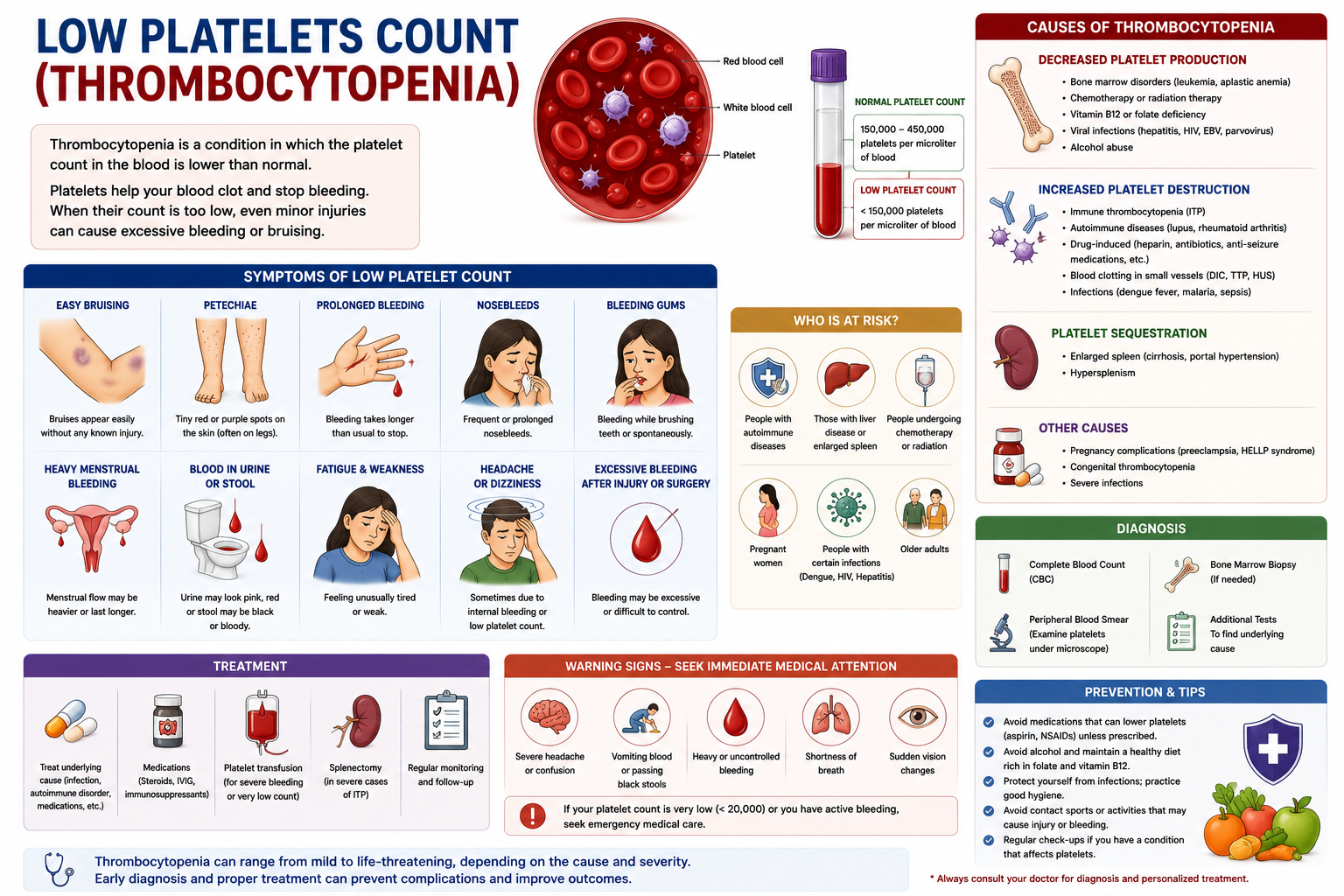
You may first notice easy bruising, often appearing as purpura, which are purple, red, or brownish spots typically larger than petechiae. Petechiae themselves are tiny, pinpoint red spots that usually appear on the lower legs and indicate small bleeds under the skin. These dermatological signs are frequently among the earliest indicators of a reduced platelet count. Bleeding from the gums or nosebleeds (epistaxis) can also occur with unusual frequency or duration. Even minor trauma might lead to prolonged bleeding that is difficult to stop. For instance, brushing your teeth could trigger gum bleeding, or a slight bump could result in a noticeable bruise. Heavy menstrual bleeding, medically termed menorrhagia, is another common symptom for women with thrombocytopenia. This excessive bleeding during menstruation can be significantly heavier or last longer than a typical period, sometimes leading to other complications if left unaddressed.
Recognizing Severe Clinical Symptoms
Internal bleeding represents a more serious manifestation of thrombocytopenia, potentially indicated by blood in the urine (hematuria) or stools (melena, which appears black and tarry). Such occurrences demand immediate medical attention, as they can signify significant internal hemorrhage. Neurological symptoms, such as headaches or changes in vision, could point to bleeding within the brain (intracranial hemorrhage). This is a critical emergency requiring urgent medical evaluation and intervention. Any new or unusually severe headache, particularly if accompanied by other neurological deficits, warrants immediate investigation. Extreme fatigue and weakness may also be present, often a result of significant blood loss over time, leading to anemia. While not exclusive to thrombocytopenia, when combined with other bleeding symptoms, these can suggest a more severe or chronic presentation of the condition. You should consider these symptoms in the context of other bleeding signs. A sudden onset of severe bleeding, such as a large gastrointestinal hemorrhage or intracranial bleeding, constitutes a medical emergency. These situations require immediate hospitalization and aggressive treatment to prevent life-threatening complications. Prompt diagnosis and intervention are critical in such severe cases.
Clinical Aggravation of Thrombocytopenia if Left Untreated
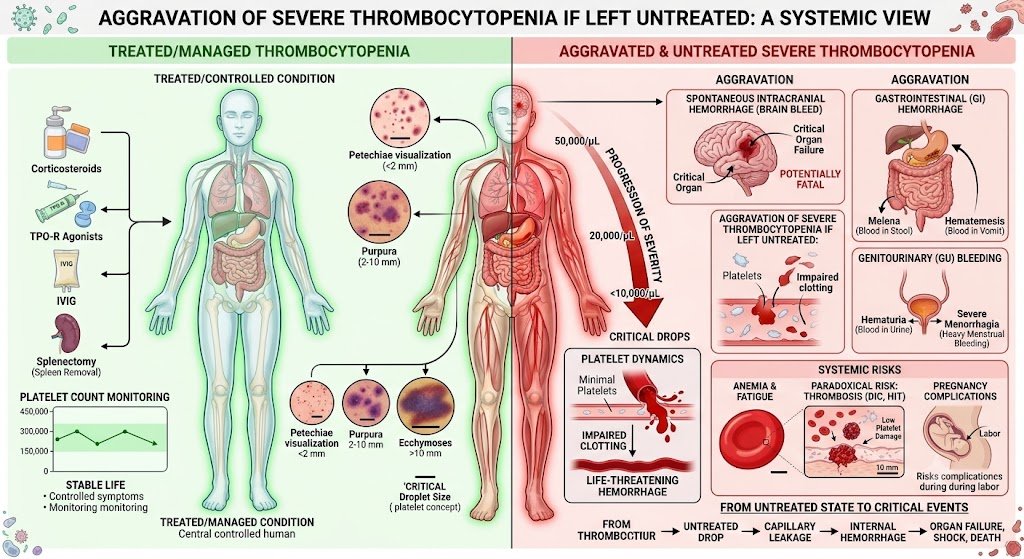 Severe thrombocytopenia, or a low platelet count, can result in potentially fatal consequences if treatment is not received. These complications mostly involve uncontrolled internal and external bleeding. A lack of platelets seriously hinders the body’s ability to stop bleeding from wounds or even on its own, since platelets are necessary for blood coagulation. The following are the main issues and aggravations:
- The most significant risk is spontaneous internal bleeding, especially when platelet counts fall below 10,000 to 20,000 platelets per microliter.
- In addition to the gastrointestinal and urinary tracts, bleeding can happen in the brain (intracranial hemorrhage), which can be lethal.
- Extreme External Bleeding: Patients may have bleeding gums, heavy, difficult-to-stop nosebleeds (epistaxis), and excessive bleeding from small cuts or from normal dental and medical treatments.
- Heavy Menstrual Bleeding: Untreated low platelets can result in menorrhagia, or unusually heavy and extended menstrual flow, which can cause anemia in women and menstruating individuals.
- Excessive bruising and petechiae: Blood pools beneath the skin due to a deficiency of clotting factors. This results in a rash of tiny, pinpoint red patches called petechiae and easy, profuse bruising.
- Pregnancy Complications: People with thrombocytopenia are more likely to experience excessive bleeding during delivery, fetal loss, premature birth, and potentially dangerous disorders like preeclampsia.
- Progression of Underlying Conditions: Thrombocytopenia is sometimes a sign of another illness, such as autoimmune disorders (like lupus), blood malignancies (like leukemia), or bone marrow failure. The detection and treatment of these dangerous primary disorders will be delayed if a low platelet count is ignored.
Platelet counts below 30,000 typically necessitate medical intervention, although some people with moderate thrombocytopenia (counts exceeding 50,000) may stay asymptomatic and merely need monitoring.
Holistic and Homeopathic Treatment Modalities for Thrombocytopenia Management
Holistic Approaches and Acupuncture for Platelet Support
Holistic treatment for thrombocytopenia often integrates various complementary therapies aimed at supporting overall well-being and mitigating symptoms. This approach acknowledges the interconnectedness of physical, mental, and emotional health in managing chronic conditions. Nutritional adjustments, stress reduction techniques, and targeted herbal supplements frequently form part of a comprehensive plan designed to create a more favorable internal environment for platelet production and function. Acupuncture, a traditional Chinese medicine practice, has shown promise in supporting individuals with low platelet counts. Fine needles are inserted at specific points on the body, which practitioners believe stimulates the body’s natural healing responses and improves energy flow, or Qi. While not a standalone cure, many individuals report improvements in related symptoms, such as fatigue and bruising, suggesting a supportive role in managing the condition. Targeting specific acupoints may help modulate immune responses and improve circulation, which could affect bone marrow function and platelet dynamics. Patients undergoing acupuncture for low platelet count often experience a reduction in secondary symptoms, which can significantly enhance their quality of life. The therapy is typically personalized, with treatment protocols adjusted based on the individual’s specific presentation and overall health status.
Principles of Homeopathic Treatment for Thrombocytopenia
Homeopathic treatment for thrombocytopenia operates on the principle of “like cures like,” utilizing highly diluted substances that, in larger doses, would produce similar symptoms to the illness being treated. This individualized approach focuses on the unique symptom complex of each patient, rather than solely on the diagnostic label of low platelet count. A detailed case history, encompassing physical symptoms, emotional states, and general constitution, guides the selection of the most appropriate remedy. Remedies are prepared through a process of serial dilution and succussion (vigorous shaking), which homeopaths believe enhances the energetic properties of the substance while minimizing any potential toxicity. The goal is to stimulate the body’s inherent healing mechanisms, restoring balance and promoting a healthier physiological state. Homeopathic practitioners aim to address the root cause of the imbalance, rather than merely suppressing symptoms. Treatment protocols are dynamic, evolving as the patient’s condition changes. Regular follow-ups allow the homeopath to assess the response to the chosen remedy and make adjustments as needed, ensuring the therapeutic approach remains aligned with the patient’s current state of health. The focus remains on gentle, non-toxic interventions that support the body’s natural capacity for recovery. One key aspect of homeopathic treatment involves selecting remedies that match the totality of the individual’s symptoms, including their emotional and mental state. For instance, a patient experiencing significant anxiety alongside their thrombocytopenia might receive a different remedy than someone with primarily physical symptoms like extensive bruising or prolonged bleeding. This holistic perspective is central to the practice.
Key Homeopathic Remedies for Low Platelet Count
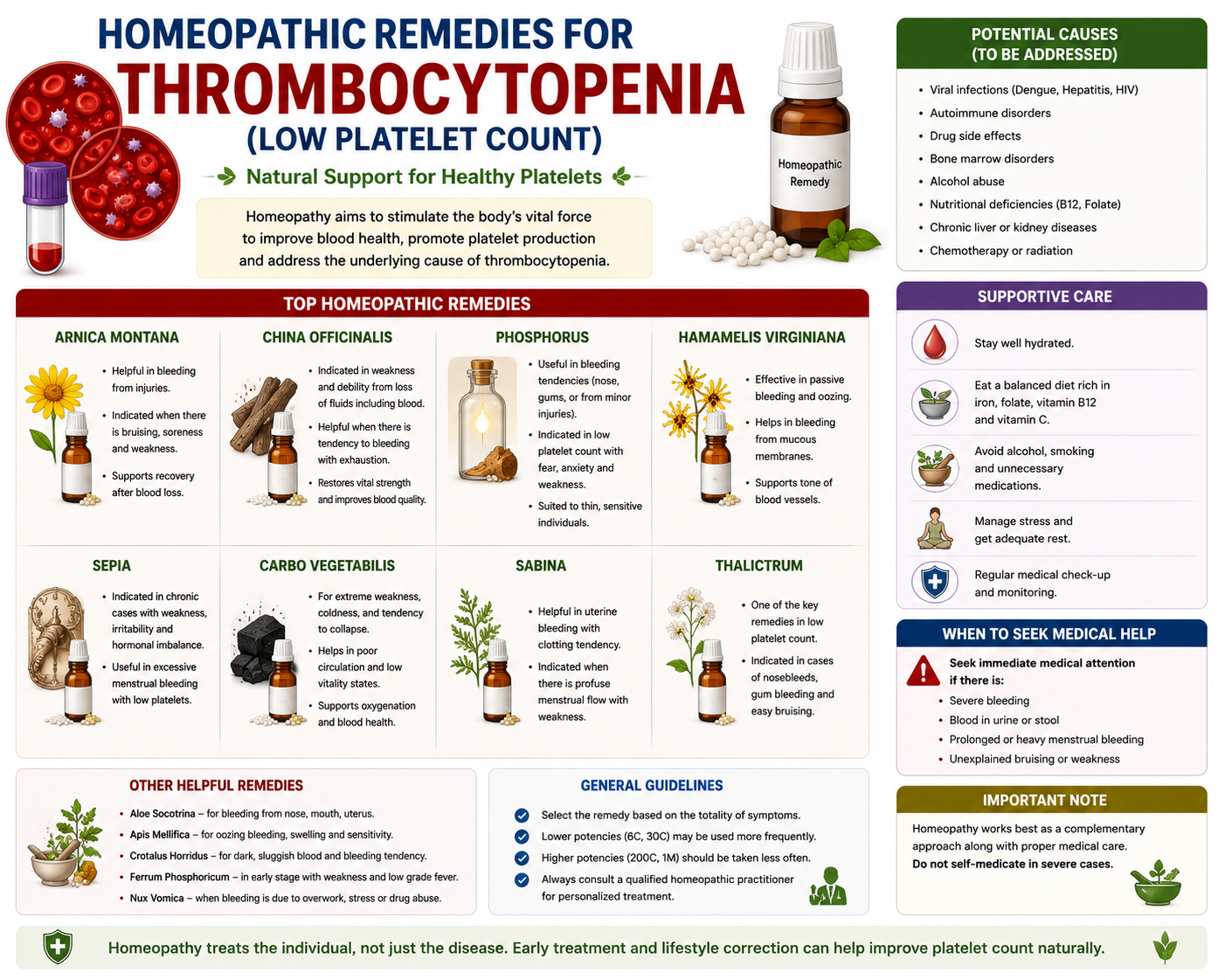
Several homeopathic remedies are frequently considered for low platelet count, chosen based on the patient’s specific symptom presentation. *Crotalus horridus*, for example, is often indicated when there are symptoms of easy bleeding, dark discoloration of the skin, and a general hemorrhagic tendency, particularly with dark, non-coagulable blood. Its application is typically reserved for cases with pronounced bleeding manifestations. *Lachesis mutus* is another remedy often considered in cases where there is a purplish or bluish discoloration of the skin, particularly with ecchymoses that are sensitive to touch. This remedy may be useful when bleeding is accompanied by a general aggravation of symptoms during sleep or upon waking. The individual’s overall temperament, such as talkativeness or intensity, also informs its selection. *Phosphorus* is frequently indicated for individuals who experience bright red, profuse bleeding from various orifices, such as the nose or gums, and who may also present with a strong desire for cold drinks. People needing *Phosphorus* often have a lean build, are easily startled, and may exhibit a strong sympathetic nature. The specific characteristics of the bleeding, such as its color and duration, are crucial in determining its suitability. Other remedies, such as *Arnica montana* for bruising and trauma or *Ipecacuanha* for persistent hemorrhage with nausea, might also be considered depending on the individual’s unique symptom picture. The selection of a homeopathic remedy is a nuanced process, requiring a thorough understanding of both the patient’s symptoms and the specific indications of each remedy.
Summing up
You have explored the multifaceted nature of thrombocytopenia, a condition characterized by a reduced platelet count. This reduction can stem from various underlying causes, ranging from immune system dysregulation, as seen in immune thrombocytopenia (ITP), to drug-induced reactions or more complex bone marrow disorders. Recognizing the specific etiology is crucial for guiding appropriate management strategies, as a misdiagnosis can lead to ineffective interventions or unnecessary treatments. Your understanding of these diverse origins forms the bedrock for effective patient care.
You have also considered the diverse clinical presentations associated with low platelet counts. Symptoms can range from subtle bruising and petechiae to more severe manifestations like epistaxis, gingival bleeding, or, in critical cases, internal hemorrhages. The severity of these symptoms often correlates with the degree of thrombocytopenia; however, individual responses can vary significantly. Therefore, a thorough clinical evaluation, including a detailed medical history and physical examination, is indispensable for you to accurately assess the patient’s condition and determine the urgency of intervention.
Addressing thrombocytopenia requires a comprehensive approach, where treatment for low platelets is tailored to the individual’s specific diagnosis and symptom severity. While conventional medicine offers various interventions, including corticosteroids, intravenous immunoglobulins, or thrombopoietin receptor agonists, you may also consider adjunctive or alternative therapies. Homeopathic treatment for thrombocytopenia, for example, focuses on individualized remedies aimed at stimulating the body’s natural healing mechanisms and restoring platelet counts, often alongside conventional care. Ultimately, the chosen treatment path should prioritize patient safety and efficacy, aiming to mitigate bleeding risks and improve overall quality of life.
FAQ

Q: What exactly is thrombocytopenia, and how is it defined?
A: Thrombocytopenia refers to a condition characterized by an abnormally low number of platelets (thrombocytes) in the blood. Platelets are crucial for blood clotting, so a reduced count can impair the body’s ability to stop bleeding. A normal platelet count typically ranges from 150,000 to 450,000 platelets per microliter of blood; counts falling below 150,000 are generally indicative of thrombocytopenia.
Q: What are the primary causes of thrombocytopenia?
A: Several factors can lead to a low platelet count. Causes broadly fall into three categories: decreased platelet production in the bone marrow (e.g., because of leukemia, aplastic anemia, or certain medications); increased platelet destruction (e.g., immune thrombocytopenia, or ITP, drug-induced thrombocytopenia, or infections); and splenic sequestration, where the spleen traps too many platelets. Liver disease, for instance, can cause an enlarged spleen, leading to greater platelet sequestration.
Q: What symptoms should one look for if they suspect thrombocytopenia?
A: Symptoms often relate to impaired clotting and can vary in severity. Common signs include easy bruising, prolonged bleeding from minor cuts, nosebleeds, and bleeding gums. Petechiae, which are small, pinpoint red or purple spots on the skin, and purpura, larger purple blotches, are also characteristic. In more severe cases, internal bleeding can occur, manifesting as blood in urine or stool or unusually heavy menstrual periods.
Q: Are there specific factors or conditions that can aggravate thrombocytopenia?
A: Certain medications, such as some antibiotics, anti-seizure drugs, and even over-the-counter pain relievers like ibuprofen, can worsen platelet counts. Alcohol consumption can also suppress platelet production. Infections, especially viral ones like hepatitis C or HIV, can either directly affect bone marrow or trigger immune responses that destroy platelets. Autoimmune diseases, including lupus, frequently contribute to secondary thrombocytopenia.
Q: How does immune thrombocytopenia (ITP) differ from other types?
A: Immune Thrombocytopenia (ITP) is an autoimmune disorder where the body’s immune system mistakenly attacks and destroys its platelets. This contrasts with conditions like heparin-induced thrombocytopenia (HIT), which is an adverse drug reaction, or thrombocytopenia caused by bone marrow failure, where the issue is insufficient production rather than accelerated destruction. ITP can be acute, often resolving spontaneously in children, or chronic, persisting for more than six months, particularly in adults.
Q: Can homeopathic treatments offer a viable approach for managing thrombocytopenia?
A: Homeopathic treatments for thrombocytopenia focus on stimulating the body’s self-healing mechanisms and addressing underlying imbalances rather than directly increasing platelet count through external agents. Practitioners select remedies based on an individual’s specific symptoms, constitutional type, and overall health picture. Remedies like *Crotalus horridus* or *Phosphorus* might be considered, depending on the bleeding characteristics and accompanying symptoms, aiming to reduce bleeding tendencies and improve general well-being. This approach is complementary and should be discussed with a healthcare provider.
Q: What role do lifestyle and diet play in managing low platelet counts?
A: Lifestyle modifications and dietary considerations can support overall health and potentially aid in managing thrombocytopenia, but they are not a substitute for medical treatment. Avoiding alcohol, which can suppress platelet production, is often recommended. A diet rich in vitamins and minerals, particularly folate (found in leafy greens) and vitamin B12 (in animal products), supports healthy blood cell production. Limiting exposure to toxins and avoiding contact sports or activities with a high risk of injury can help prevent bleeding complications.
Thrombocytopenia treatment by Doctor Tsan
At the Philadelphia Homeopathic Clinic, Victor Tsan, MD, and his associates cure different forms of thrombocytopenia using various holistic techniques, including homeopathy, acupuncture, and medicinal herbs.
Contact our office or use our online scheduling system to make an appointment for the holistic evaluation and discuss with Dr. Tsan whether alternative medicine is a good treatment option for you.