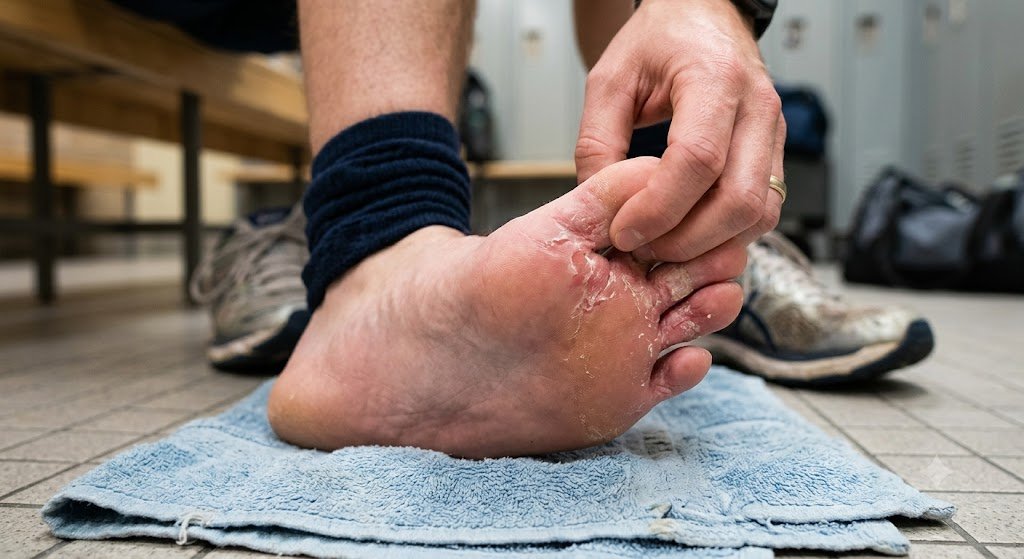
Athlete’s Foot
Over 70% of adults will experience athlete’s foot, a common fungal infection, at some point in their lives. Athlete’s foot (tinea pedis) is a contagious fungal infection that causes itchy, scaly, and cracked skin. It commonly develops between the toes or on the soles. The fungus thrives in warm, damp environments and is easily spread in public showers, locker rooms, or by sharing damp items You can understand this condition, also known as tinea pedis, and manage its impact effectively with the right knowledge.
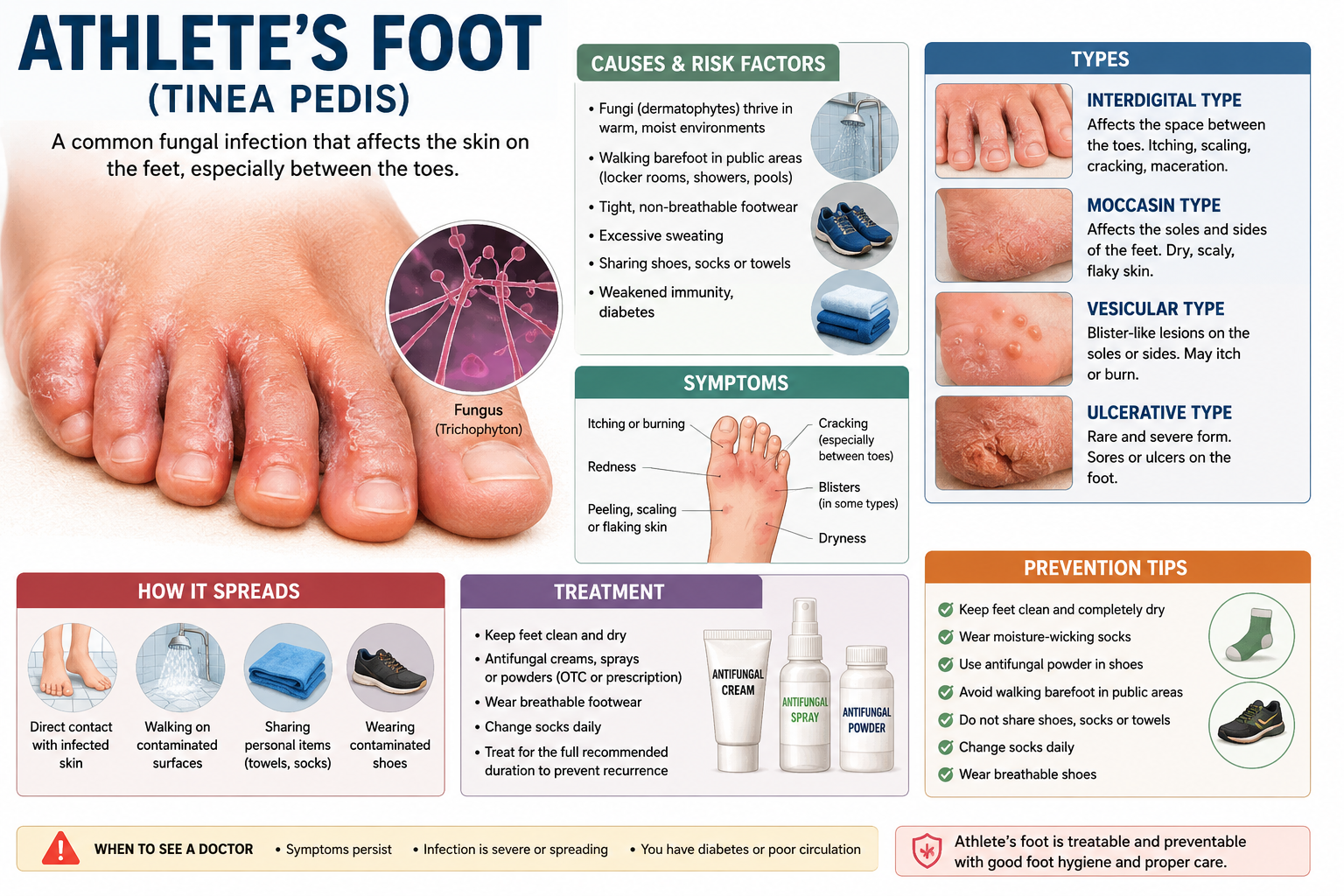
Understanding the Primary Causes
Fungal pathogens and environmental triggers
Athlete’s foot, medically known as tinea pedis, originates from specific fungi that flourish in warm, damp environments. These dermatophytes, a type of mold, primarily target the outermost layer of your skin, feeding on keratin, the protein that makes up your skin, hair, and nails. The microscopic organisms responsible for this common infection find ideal breeding grounds in places like public showers, locker rooms, and swimming pool decks.
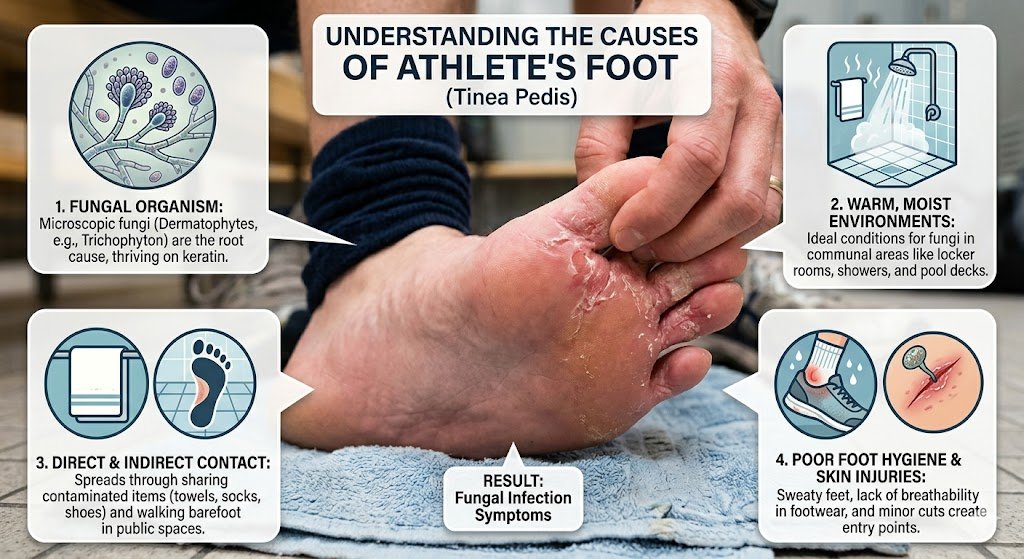
Warmth and moisture are critical factors for the proliferation of these fungal pathogens. Your feet, encased in shoes and socks for extended periods, often create the perfect microclimate for these fungi to thrive. Perspiration, combined with inadequate ventilation, significantly contributes to the humid conditions necessary for the fungi to multiply and establish an infection on your skin.
Environmental triggers extend beyond just direct contact with contaminated surfaces; even minor skin abrasions or cracks between your toes can provide an entry point for the fungi. Once these opportunistic organisms gain access, they begin to colonize, leading to the characteristic symptoms associated with athlete’s foot. Excess moisture from sweaty feet or non-breathable footwear greatly increases the risk.
Common modes of transmission and risk factors
Transmission of athlete’s foot typically occurs through direct contact with infected surfaces or individuals. Walking barefoot in communal areas, such as gym locker rooms, public showers, or around swimming pools, exposes your feet to fungal spores left behind by others. The resilient nature of these spores allows them to survive on surfaces for extended periods, increasing the likelihood of transmission.
Several risk factors can increase your susceptibility to developing athlete’s foot. Individuals with compromised immune systems, diabetes, or poor circulation are more prone to infections. Even simply wearing tight, non-breathable shoes that trap moisture and heat can create an environment conducive to fungal growth, making your feet more vulnerable to infection.
Sharing personal items also contributes significantly to the spread of this fungal infection. Using towels, socks, or shoes belonging to an infected person can directly transfer fungal spores to your feet. The fungi, which cause the condition known as athlete’s foot, are highly contagious, making preventative measures important in communal settings.
- Walking barefoot in public areas (showers, locker rooms, pools)
- Wearing non-breathable footwear
- Sharing personal items like towels, socks, or shoes
- Having sweaty feet
- Minor skin injuries or cracks between toes
The persistent moisture and warmth in footwear create an ideal breeding ground for the fungi responsible for athlete’s foot. These dermatophytes thrive in such conditions, initiating and sustaining the infection. The constant friction and pressure from ill-fitting shoes can also compromise the skin’s barrier, making it easier for the fungi to penetrate and establish themselves.
- Wearing damp socks for prolonged periods
- Frequent participation in sports activities (especially with occlusive footwear)
- Living in a humid climate
- Age (more common in adults than children)
- Genetic predisposition to fungal infections
The combined effect of these factors significantly increases the risk of developing athlete’s foot. The specific fungi that cause the condition readily colonize skin that is consistently warm and damp, leading to the development of the infection.
Risks of Leaving the Athlete’s Foot Untreated
Potential for chronic infection
Ignoring the initial signs of athlete’s foot can transform a localized issue into a persistent problem. The fungal infection, if allowed to proliferate, establishes itself more deeply within the skin layers. This makes eradication significantly more challenging, often requiring prolonged treatment courses and a higher likelihood of recurrence, even after symptoms temporarily subside. You might find that what began as a minor irritation between your toes becomes a recurring battle. The fungus, *Tinea pedis*, thrives in warm, moist environments, and without intervention, it can create a chronic reservoir on your feet. This ongoing presence not only causes discomfort but also weakens the skin’s natural defenses, making it more susceptible to other dermatological issues. Such chronic infections can lead to a cycle of flare-ups and temporary remissions, where the fungus never truly disappears. This persistent fungal presence necessitates continuous vigilance and often a more aggressive treatment strategy than would have been required if addressed early, impacting your comfort and daily activities over an extended period.
Secondary health complications and systemic spread of athlete’s foot
Leaving athlete’s foot untreated opens the door for more severe complications, including the spread of the fungus to other body parts. The same fungi responsible for the infection on your feet can transfer to your hands, groin (jock itch), or even your scalp, creating new areas of infection. This occurs through direct contact, such as scratching your infected foot and then touching another part of your body. Another significant danger arises from the compromised skin barrier. When the fungal infection breaks down the skin on your feet, it creates a susceptible entry point for bacteria. This can lead to the development of secondary bacterial infections, which are often more painful and serious than the initial fungal infection. These bacterial infections may present as cellulitis, characterized by redness, swelling, and warmth, sometimes accompanied by fever. These secondary bacterial infections can escalate quickly, requiring antibiotic treatment and, in severe cases, even hospitalization. The systemic spread of the fungus, while less common, is a serious concern for individuals with weakened immune systems, where the infection could potentially disseminate beyond the skin.
Natural Treatments and Home Remedies for Athlete’s foot
Natural treatment options and home remedies for athlete’s foot offer alternative ways to manage the infection using non-synthetic approaches. Many individuals seek these methods to avoid the potential side effects associated with some conventional antifungal medications or as a complementary strategy. These approaches often involve readily available ingredients, focusing on creating an inhospitable environment for the dermatophytes responsible for the infection. You can obtain relief through various natural substances, many of which possess inherent antifungal or antiseptic properties. These range from plant-derived extracts and crucial oils to common household staples. The efficacy of these remedies can vary among individuals, and consistent application is often a key factor in their success. Consider incorporating these natural methods into your routine, especially for mild cases or as a preventative measure. While these non-synthetic approaches can be effective, monitoring your symptoms and consulting a healthcare professional if the condition worsens or persists is always prudent.
Topical botanical applications
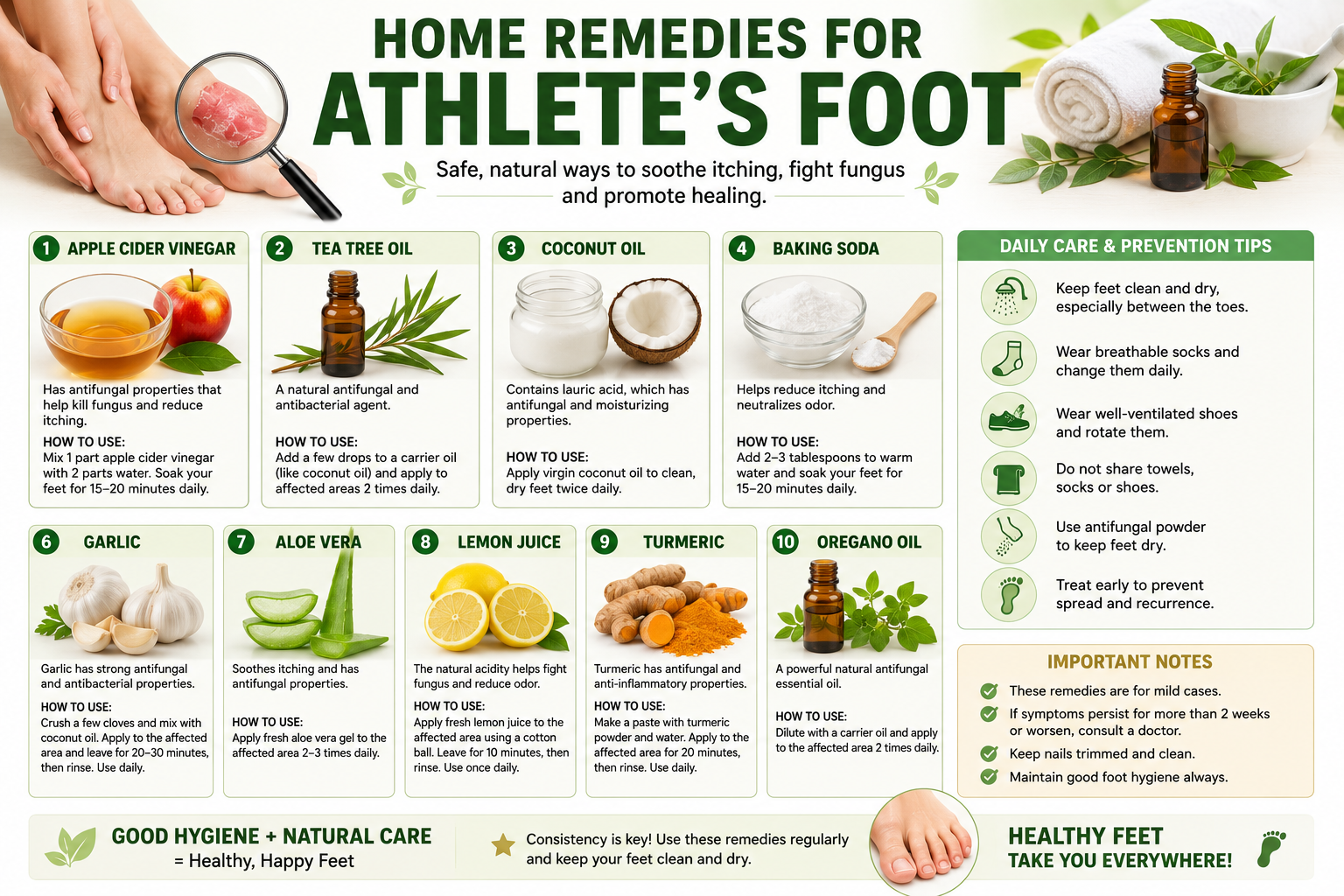
Certain botanical extracts have demonstrated antifungal properties that can combat the fungi responsible for athlete’s foot. Tea tree oil (Melaleuca alternifolia), for example, is widely recognized for its antiseptic qualities. Applying a diluted solution of tea tree oil directly to the affected area can help reduce fungal growth and alleviate symptoms like itching and burning. Another effective botanical is neem oil, derived from the neem tree (Azadirachta indica), which possesses strong antifungal and anti-inflammatory compounds. You might apply a small amount, often mixed with a carrier oil, to the skin to soothe irritation and inhibit the spread of the infection. The active ingredients in neem work by disrupting fungal cell membranes, leading to their eradication. Oregano oil, a potent essential oil, also offers a powerful antifungal option when properly diluted. Its primary active component, carvacrol, has been shown to inhibit a broad spectrum of fungi. You should always dilute oregano oil significantly with a carrier oil, such as jojoba or coconut oil, before applying it to the skin to prevent irritation.
Household remedies and foot soaks
Soaking your feet in various household solutions can also provide relief and help address the fungal infection. A popular method involves apple cider vinegar, which creates an acidic environment that is unfavorable for fungal proliferation. Preparing a foot soak with one part apple cider vinegar mixed with two parts warm water and immersing your feet for 15-20 minutes daily can help dry out lesions and reduce fungal activity. Another common household remedy is baking soda, which is known for its ability to absorb moisture and neutralize odors, both of which are beneficial for managing athlete’s foot. You can create a paste with baking soda and a small amount of water to apply directly to the affected areas or add a half cup to a foot bath for a soothing soak. The alkaline nature of baking soda can help to disrupt the fungal environment. Garlic, a readily available kitchen ingredient, contains allicin, a compound with well-documented antifungal properties. Crushing a few cloves of garlic and applying the paste directly to the affected skin, or soaking your feet in warm water with crushed garlic, can help reduce the fungal load. This method, while potent, may require consistent application for noticeable results. Beyond the individual applications, combining some of these household remedies can enhance their effectiveness. For instance, a foot soak incorporating both apple cider vinegar and a few drops of tea tree oil can offer a dual approach to fungal inhibition and symptom relief. Regular and thorough drying of the feet, particularly between the toes, after any soak or application remains a critical step in preventing recurrence.
Homeopathic Solutions for Foot Health
Principles of homeopathic intervention for athlete’s foot
Homeopathy offers a distinct approach to addressing athlete’s foot, focusing on your body’s inherent capacity for healing. This system employs highly diluted substances, chosen to match the unique manifestation of symptoms in each individual, rather than a one-size-fits-all treatment. The aim is to stimulate your vital force, prompting a gentle yet profound restorative process. The core principle behind homeopathic intervention is “like cures like,” which means that a substance capable of causing symptoms in a healthy person is used in minute doses to treat similar symptoms in someone who is ill. For athlete’s foot, this involves identifying remedies that, in their crude form, might induce skin irritation, itching, or peeling and then applying them homeopathically. Your practitioner will consider the specific character of your itching, the appearance of any blisters, and the overall condition of your skin. This individualized assessment ensures the chosen remedy aligns precisely with your symptomatic presentation. For example, if you experience intense burning and itching that worsens at night, a specific remedy might be indicated over one for constant dampness and scaling. The goal is to not merely suppress the fungal infection but to rebalance your system, making it less hospitable to future outbreaks.
Selection of specific homeopathic preparations for athlete’s foot
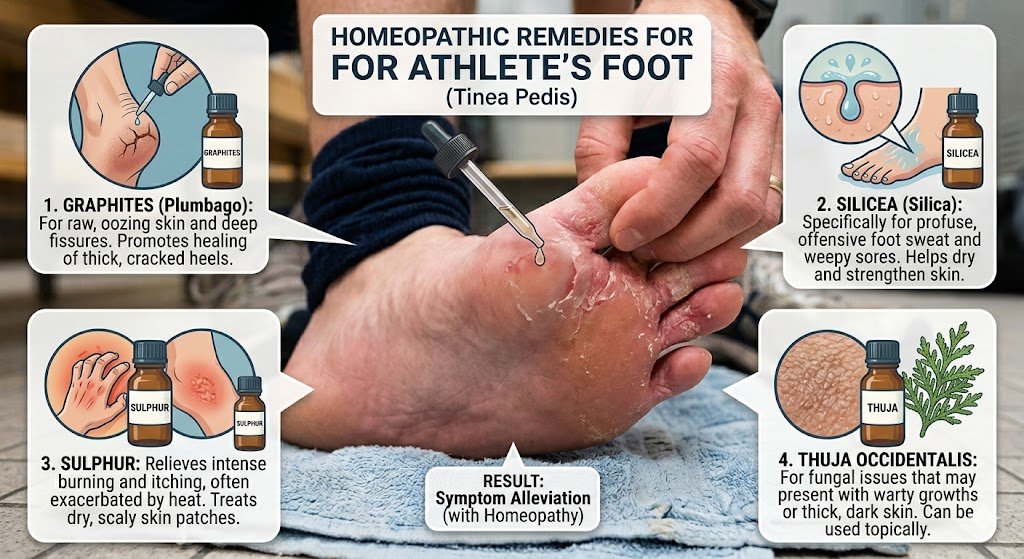
Selecting the appropriate homeopathic preparation for athlete’s foot depends heavily on the specific symptoms you present. A homeopath will conduct a detailed consultation, inquiring about the exact location of the infection, the type of discharge, if any, and aggravating or ameliorating factors. Your overall health and any concurrent conditions also play a role in this nuanced selection process. Consider the remedy *Silicea*, often indicated when foot perspiration is excessive and emits an offensive odor, coupled with a general lack of vitality. This preparation aims to support the body’s connective tissues and can be helpful when the skin is thin, prone to cracking, and slow to heal. The practitioner will assess if your skin exhibits these particular characteristics. Another frequently utilized remedy is *Graphites*, which is often chosen for thick, hard, and cracked skin, especially between the toes, accompanied by oozing and sticky discharges. If your athlete’s foot presents with these specific features, a homeopath might consider *Graphites* to address both the physical symptoms and the underlying predisposition. The remedy *Rhus toxicodendron*, on the other hand, might be considered if your itching is intense, with small blisters that improve with warmth and continued movement but worsen at rest. Beyond these examples, numerous other homeopathic remedies exist, each with its own unique symptom picture. *Sepia* could be indicated for chronic conditions with dry, scaly eruptions and a general feeling of indifference, while *Psorinum* might be selected for persistent, offensive-smelling discharges and a marked sensitivity to cold. The precision of this selection, guided by your individual symptom totality, is what distinguishes homeopathic treatment for athlete’s foot, working to promote your body’s natural healing process rather than merely masking symptoms.
- Thuja occidentalis: Often the primary remedy suggested for general fungal skin infections.
- Graphites: Used when the athlete’s foot produces itchy, crusty, or sticky eruptions, particularly between the toes.
- Silicea: Recommended for cases linked to excessive foot sweating or offensive foot odor.
- Calendula: Used topically (often as a cream or tincture) to soothe inflamed, cracked, and irritated skin.
Summing up
You have several effective avenues for addressing athlete’s foot, encompassing both conventional medical approaches and various natural remedies. Recognizing the early signs, such as itching, redness, or scaling between your toes, allows for prompt intervention. Maintaining meticulous foot hygiene, including thoroughly drying your feet after washing and regularly changing socks, forms a fundamental preventative measure against the fungal proliferation responsible for this common condition. Your treatment strategy can be multifaceted. Antifungal creams, sprays, or powders are readily available over-the-counter and often resolve mild to moderate cases. For those preferring natural alternatives, you might explore options like tea tree oil, known for its antifungal properties, or apple cider vinegar soaks, which can alter the skin’s pH to inhibit fungal growth. Consistent application of any chosen treatment is key to eradicating the infection and preventing its recurrence. Preventing future outbreaks requires ongoing vigilance. You should always opt for breathable footwear and avoid walking barefoot in public areas, especially locker rooms or swimming pools, where the fungi thrive. Regularly inspecting your feet for any subtle changes and immediately addressing them with appropriate care will significantly reduce your susceptibility to athlete’s foot, ensuring your feet remain healthy and comfortable.
FAQ

Q: What exactly is athlete’s foot?
A: Athlete’s foot, medically known as tinea pedis, is a common fungal infection affecting the skin of the feet. This condition typically starts between the toes but can spread to other areas of the foot, including the soles and sides, and even to the toenails, resulting in onychomycosis.
Q: What are the primary causes of athlete’s foot?
A: The infection is caused by dermatophytes, a group of fungi that thrive in warm, moist environments. Direct contact with an infected person or contaminated surfaces, such as public showers, locker rooms, and swimming pools, often transmits the fungi. Wearing occlusive footwear that traps moisture and sweat creates an ideal breeding ground for these microorganisms.
Q: What are the common symptoms of athlete’s foot?
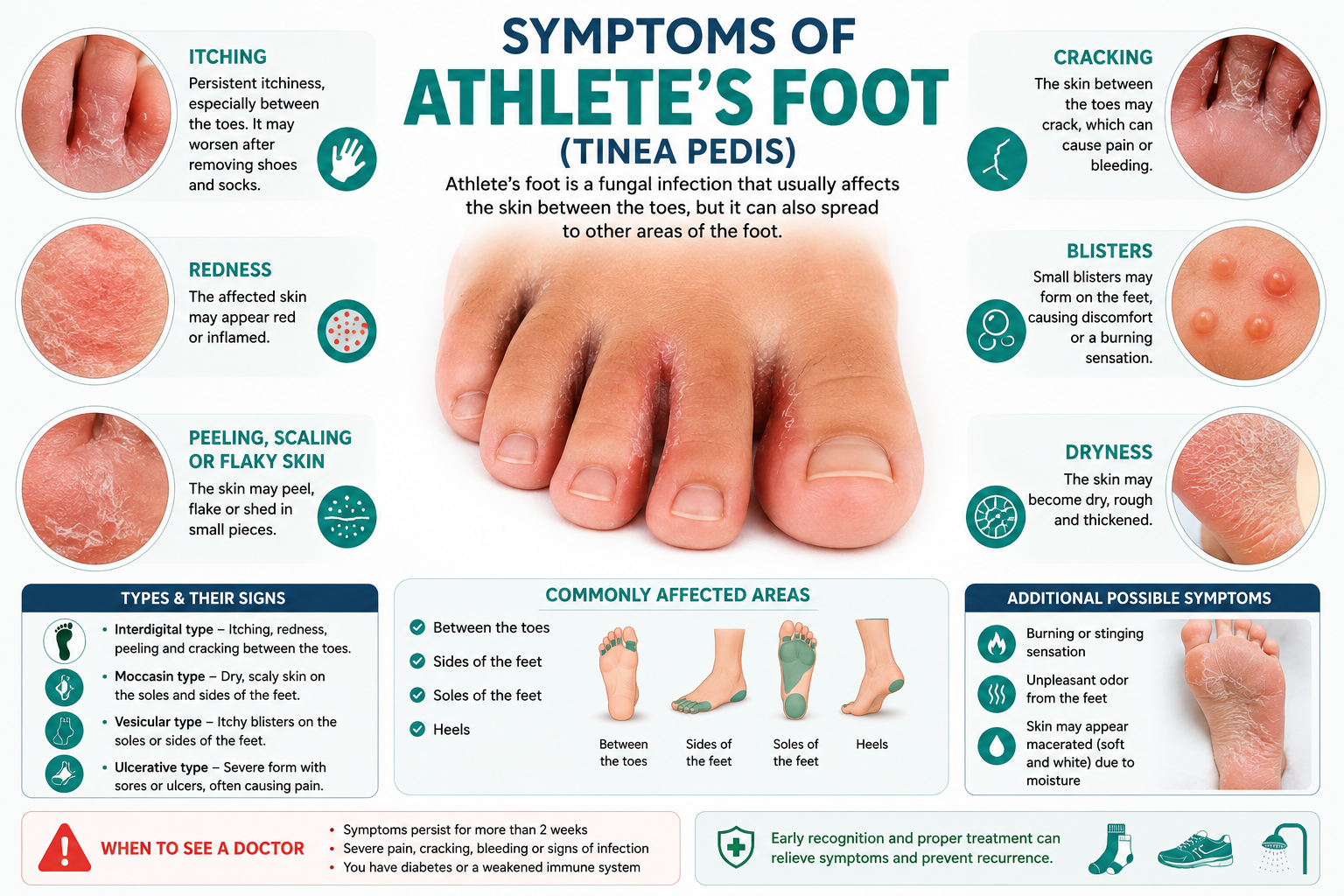
A: Individuals often experience itching, stinging, and burning sensations, particularly after removing shoes and socks. The skin between the toes may appear red, scaly, and cracked, sometimes peeling. Blisters can also form, occasionally oozing or crusting, and a strong, unpleasant odor may accompany the infection.
Q: What are the risks of leaving athlete’s foot untreated?
A: Untreated athlete’s foot can lead to several complications. The infection may spread to the toenails, making them thick, discolored, and brittle, a condition much harder to treat. Open sores and cracks in the skin also increase the risk of secondary bacterial infections, potentially leading to cellulitis, a more serious skin infection that requires antibiotics.
Q: What conventional treatments are available for athlete’s foot?
A: Over-the-counter antifungal creams, sprays, powders, or lotions containing ingredients like miconazole, clotrimazole, terbinafine, or tolnaftate are often effective for mild cases. For more severe or persistent infections, a doctor might prescribe stronger topical medications or oral antifungal pills, such as fluconazole or itraconazole.
Q: Are there natural treatment options or home remedies for athlete’s foot?
A: Several natural approaches can help manage symptoms and support healing. Soaking feet in diluted apple cider vinegar or tea tree oil (properly diluted in a carrier oil) possesses antifungal properties. Applying garlic paste, known for its antimicrobial qualities, directly to the affected area for short periods has also shown anecdotal success. Keeping feet clean and dry, changing socks frequently, and wearing breathable shoes are fundamental supportive measures.
Q: How might homeopathy address athlete’s foot?
A: Homeopathic practitioners select remedies based on an individual’s specific symptoms and overall constitution. For example, remedies like *Silicea* might be considered for persistent, offensive foot sweat, while *Graphites* could be indicated for skin that is rough, dry, and cracked with offensive discharge. *Psorinum* is another remedy sometimes used for extremely itchy conditions that worsen from warmth and often have an offensive odor.
Natural Treatment for Athlete’s Foot in Philadelphia
If you live in Philadelphia or its suburbs and suffer from athlete’s foot, always remember that the Philadelphia Homeopathic Clinic is the #1 holistic treatment facility that offers all-natural methods under one roof.
Philadelphia Homeopathic Clinic has treated people with different medical disorders using classical homeopathic healing philosophy for two decades. Victor Tsan, MD, homeopath, hypnotherapist, and acupuncturist, has 40+ years of academic and clinical experience. He acquired his homeopathic training from the leading homeopathic school in the world, the Academy of Classical Homeopathy in Kyiv, Ukraine. The World Education Services, New York, NY, recognizes Doctor Tsan’s qualifications.

Some patients successfully use home remedies for athlete’s foot, but if you still need professional advice and supervision, contact the clinic at (267) 403-3085 to schedule a homeopathic assessment.