Dizziness
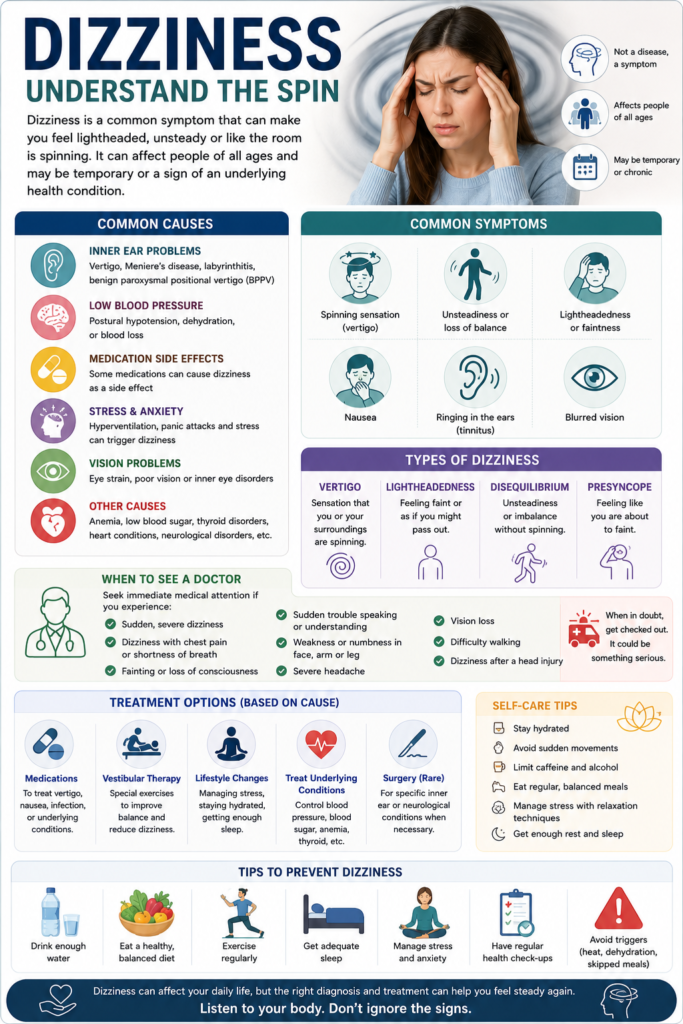
Dizziness is a broad term describing sensations like lightheadedness, faintness, or unsteadiness. It includes vertigo, which is the illusion that you or your surroundings are spinning. It is generally a symptom of another underlying condition rather than a disease itself.
Common Causes
- Inner Ear Problems: Conditions like Benign Paroxysmal Positional Vertigo (BPPV), vestibular neuritis, or Menière’s disease can severely affect balance.
- Circulation Issues: A sudden drop in blood pressure upon standing (orthostatic hypotension) or poor heart function can reduce blood flow to the brain.
- Dehydration or Hypoglycemia: Not drinking enough fluids or experiencing low blood sugar can trigger lightheadedness.
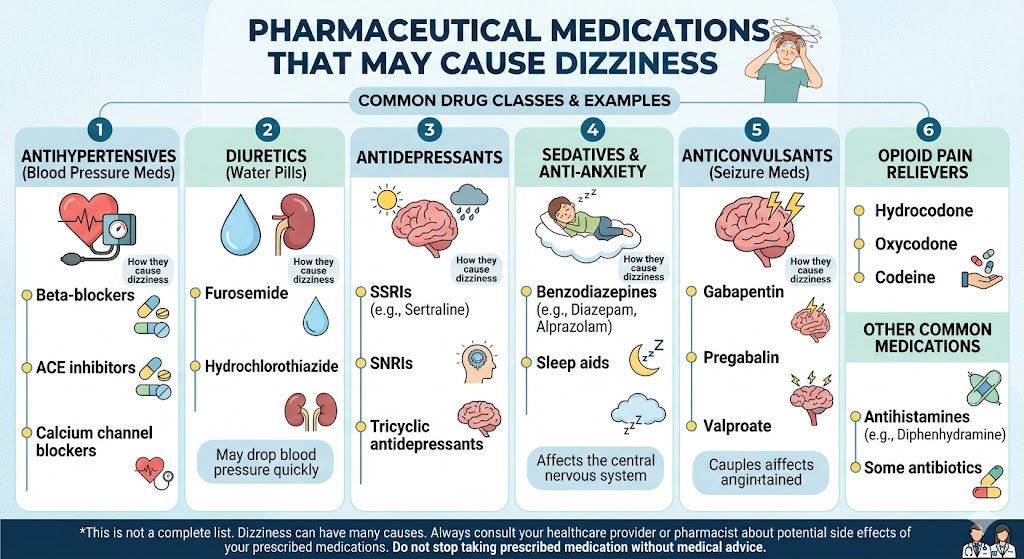
- Medications: Many prescription drugs, particularly those for blood pressure or sedatives, can cause drowsiness and dizziness.
What You Can Do
- Sit or lie down immediately to improve blood flow to your brain and prevent falls.
- Avoid sudden movements or rapid changes in posture.
- Stay hydrated and eat small, frequent meals if low blood sugar is a concern.
- Limit substances like caffeine, alcohol, and tobacco, which can negatively affect circulation and balance.
When to Seek Immediate Medical Care
While often harmless, dizziness can sometimes signal a medical emergency (such as a stroke or cardiac event). Seek emergency medical attention immediately if you experience dizziness alongside any of the following:
- Chest pain, shortness of breath, or an irregular heartbeat
- A sudden, severe headache or a stiff neck
- Numbness or weakness on one side of the body
- Fainting, confusion, or changes in vision or speech
Key Takeaways:
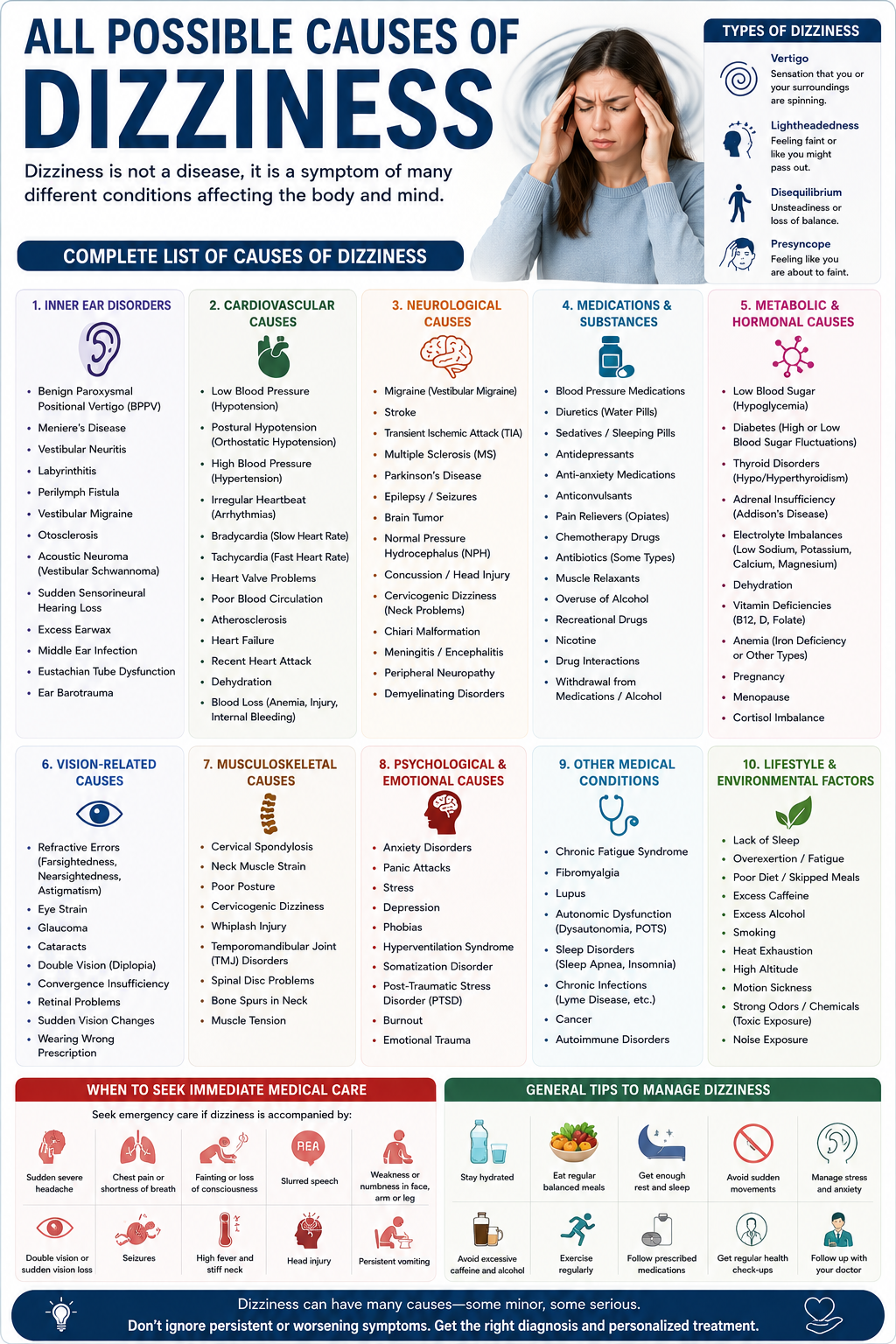
Dizziness is not a single condition but a symptom with various types, including vertigo (a spinning sensation), presyncope (feeling faint), disequilibrium (loss of balance), and lightheadedness, each pointing to different underlying causes.
Common causes of dizziness include inner ear disorders like benign paroxysmal positional vertigo (BPPV), Meniere’s disease, and vestibular neuritis, all of which disrupt the body’s balance system.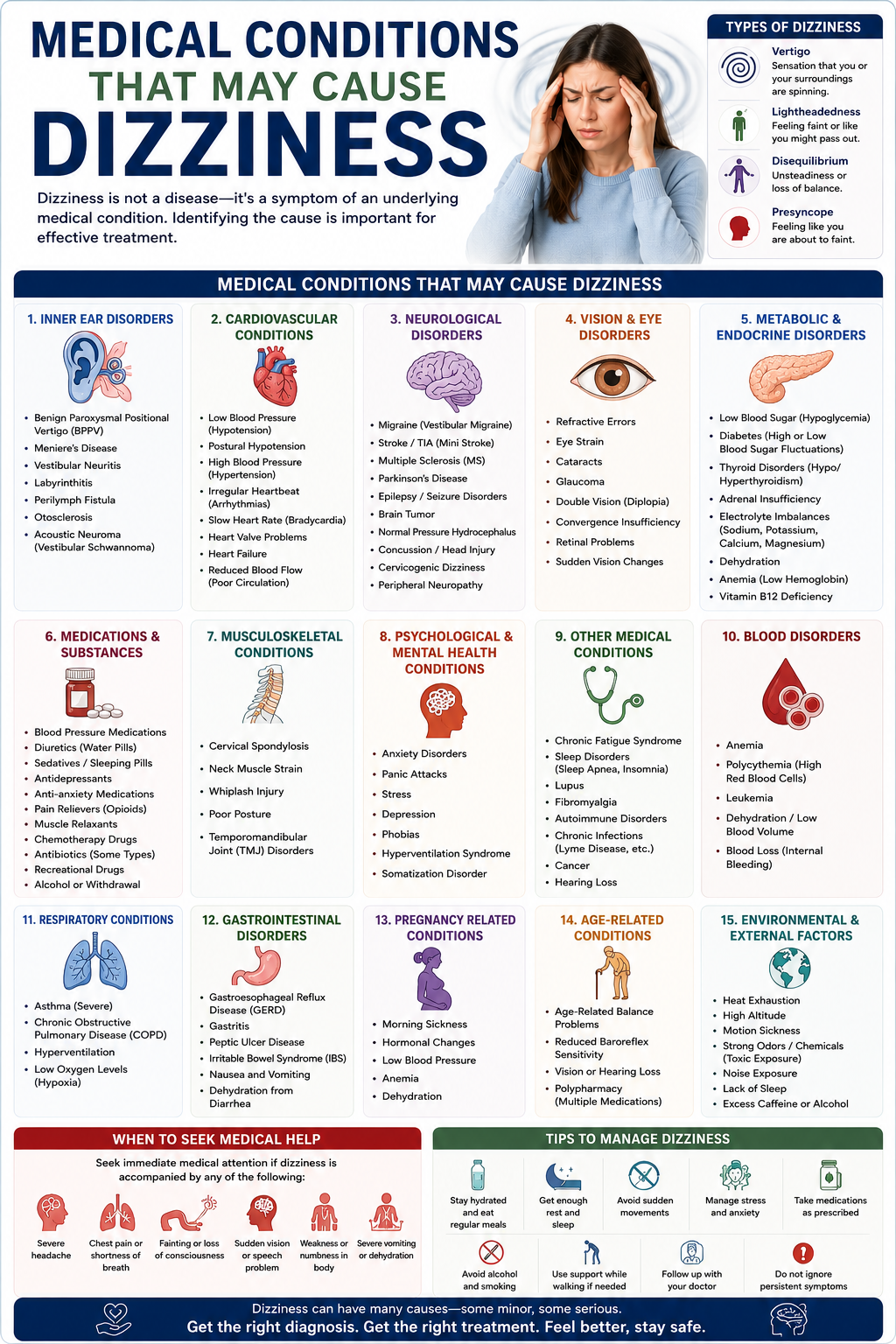
- Medical conditions such as low blood pressure, dehydration, anemia, low blood sugar, and heart rhythm issues can lead to dizziness, especially when standing up quickly or after physical exertion.
- Mental health factors like anxiety, panic attacks, and chronic stress often manifest with dizziness, sometimes causing a persistent feeling of unsteadiness or floating without vertigo.
- Medications including antihypertensives, sedatives, antidepressants, and certain antibiotics are known to cause dizziness as a side effect, particularly in older adults.

- Structural or sensory imbalances—such as misaligned eyes, neck tension, or vestibular dysfunction—can interfere with spatial orientation and contribute to chronic dizziness.
- Holistic approaches like acupuncture, specific vestibular rehabilitation exercises, hydration, stress reduction techniques, and addressing nutritional deficiencies (like vitamin D or B12) may support long-term relief, especially when combined with medical evaluation.
 Psychological and Stress-Related Factors in Balance Disorders
 Psychological and Stress-Related Factors in Balance Disorders
Anxiety doesn’t just affect your mood—it can directly disrupt your sense of balance. Research shows that over 60% of people with chronic dizziness have a diagnosable anxiety disorder, and many report that their dizziness worsens during panic attacks. When your nervous system is in a constant state of alert, it can misinterpret normal sensory input, leading to sensations of lightheadedness or unsteadiness. Stress activates the sympathetic nervous system, increasing heart rate and altering blood flow, which may trigger dizziness even in the absence of inner ear dysfunction. You might notice that crowded spaces, deadlines, or social situations bring on spinning or floating sensations—this phenomenon is psychogenic dizziness, a real condition rooted in brain-body communication.
Stress and fatigue are deeply intertwined with balance regulation. Prolonged mental or physical exhaustion depletes your body’s ability to maintain equilibrium, especially when combined with poor sleep or emotional strain. Can stress cause dizziness? Absolutely—studies confirm that elevated cortisol levels impair vestibular processing. Can fatigue cause dizziness? Yes, particularly when adrenal function is compromised due to chronic overstimulation. The body’s stress-response systems become less efficient, leading to blood pressure fluctuations and reduced cerebral perfusion. These physiological shifts mimic inner ear disorders, making diagnosis complex.
Perceiving your dizziness as purely physical may overlook key psychological contributors. Treating the whole person means addressing emotional health with the same care as neurological function.
The Gut-Brain-Balance Axis: Anxiety and Psychogenic Dizziness
Anxiety’s influence on dizziness extends beyond the mind—it’s wired into your gut. The gut-brain axis communicates bidirectionally, and imbalances in gut microbiota have been linked to increased anxiety and altered vestibular function. When your digestive system is inflamed or dysbiotic, it can send erratic signals to the brain, amplifying dizziness. Can anxiety cause dizziness through this pathway? Evidence suggests yes: patients with irritable bowel syndrome report higher rates of balance issues, even without ear abnormalities. This connection explains why some people feel “off” or floaty during periods of emotional distress.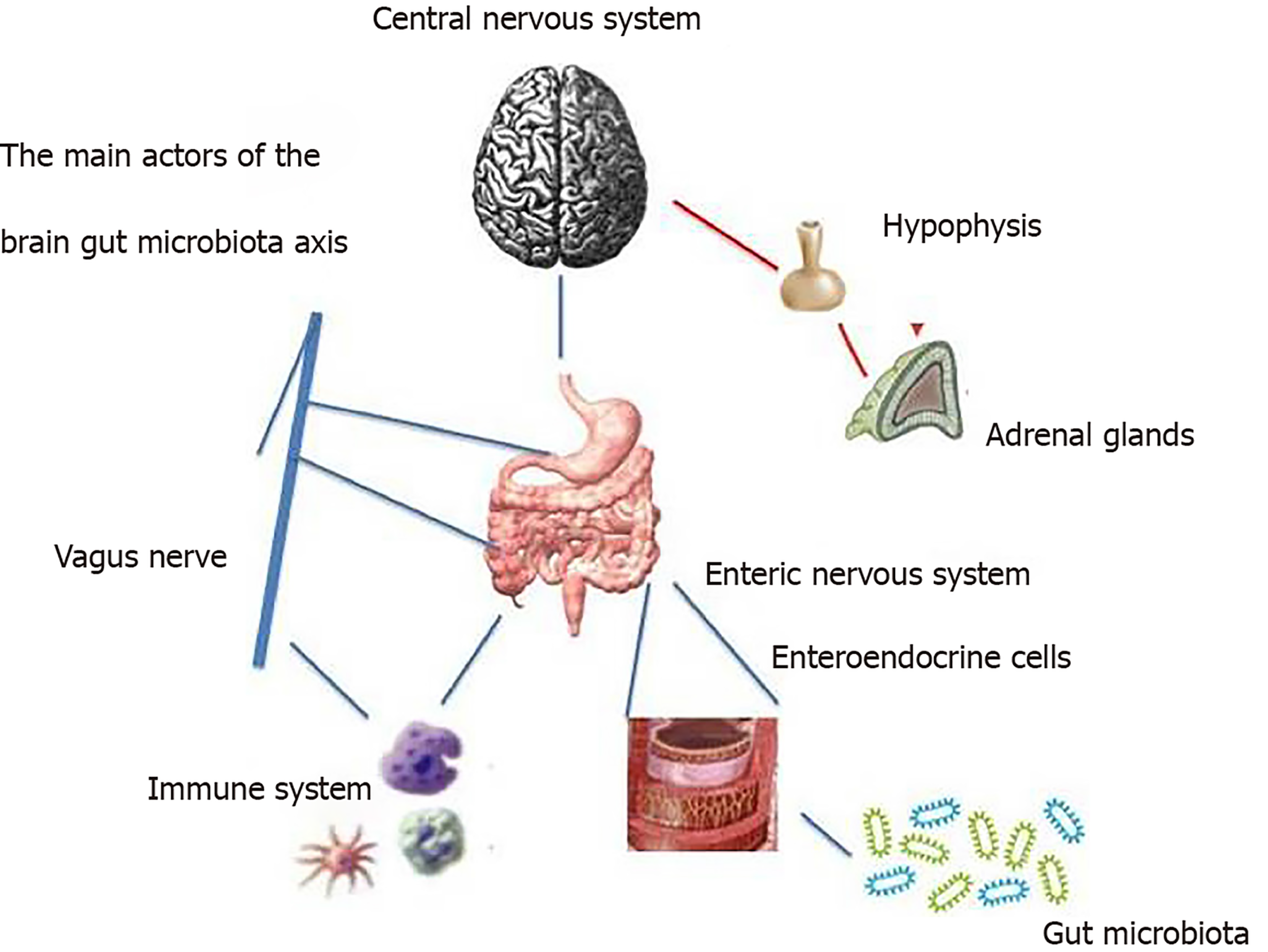
Your brain interprets sustained anxiety as a threat, recalibrating sensory processing to prioritize survival over stability. This hypervigilance can manifest as non-vertiginous dizziness—persistent lightheadedness or swaying without actual movement. Psychogenic dizziness often resists standard vestibular treatments because the root lies in neural circuitry shaped by chronic stress. Cognitive-behavioral therapy and mindfulness practices have shown measurable improvement in such cases, helping retrain the brain’s response to perceived imbalance.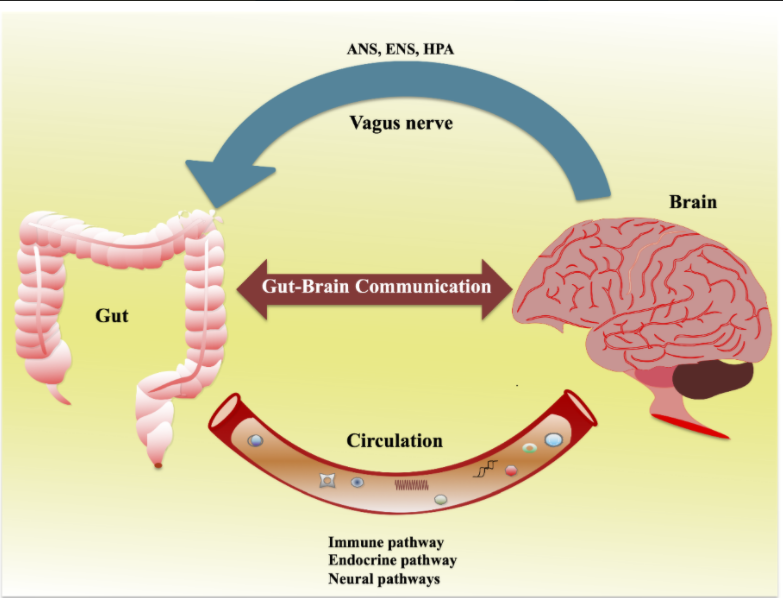
Perceiving dizziness as disconnected from emotional health ignores a core pathway of dysfunction—the gut-brain axis plays a measurable role in how you experience equilibrium.
Adrenal Fatigue and Chronic Stress Responses
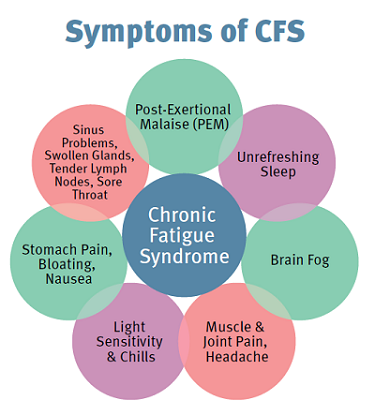 Adrenal fatigue, though not universally recognized in conventional medicine, describes a state where prolonged stress exhausts the adrenal glands’ capacity to regulate cortisol. When this happens, your body struggles to maintain blood pressure, energy levels, and glucose metabolism—all of which support stable balance. Can fatigue cause dizziness? In this context, yes: low cortisol can lead to orthostatic hypotension, where standing up triggers lightheadedness. Many people report dizziness upon rising, brain fog, and persistent exhaustion, especially in the afternoon when cortisol should peak.
Chronic stress keeps your body in a constant fight-or-flight mode, desensitizing receptors and disrupting hormonal rhythms. This dysregulation affects the vestibular system indirectly by altering blood flow, oxygen delivery, and neural signaling. Can stress cause dizziness through adrenal dysfunction? Clinical observations and patient reports confirm this link, even if formal diagnostic criteria remain debated. Symptoms often overlap with vestibular migraines or Meniere’s disease, complicating treatment.
Perceiving adrenal fatigue as purely metaphorical overlooks the physiological toll of unrelenting stress on your balance system.
Adrenal fatigue may not appear in standard medical textbooks, but the symptoms—dizziness, fatigue, and poor stress tolerance—are real and frequently reported by patients with long-term anxiety or burnout. To address this condition, you can regulate your sleep, reduce stimulants, support your adrenal function with nutrients like vitamin C and B5, and implement daily stress-reduction techniques. While mainstream medicine debates the term, researchers have well-documented the underlying physiology of HPA axis dysfunction, which offers a framework for holistic intervention.
Positional, Activity-Based, and Postural Dizziness
Orthostatic Hypotension and Postural Triggers: Bending, Stretching, and Standing
Feeling dizzy when you get up from a seated or lying position often points to orthostatic hypotension, a sudden drop in blood pressure upon standing. This condition commonly affects older adults and those on certain medications, such as diuretics or antihypertensives, and can lead to lightheadedness or even fainting within seconds of rising. Your body may fail to constrict blood vessels quickly enough, reducing blood flow to the brain temporarily.
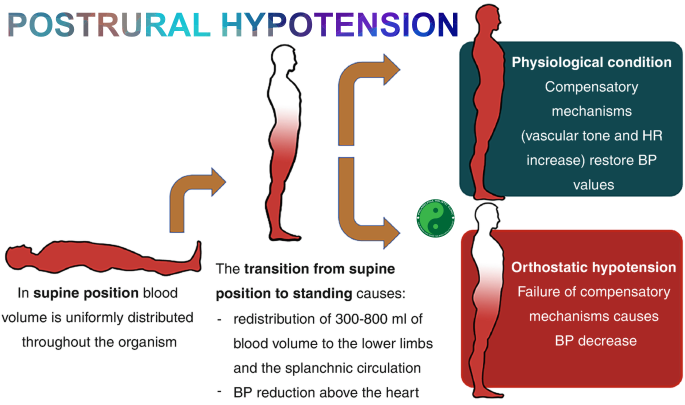
Bending over and experiencing dizziness may stem from changes in intracranial or inner ear pressure, especially if you have an underlying vestibular condition. When you stretch or rise quickly, blood redistribution can trigger symptoms if your autonomic nervous system doesn’t respond efficiently. Some people report a brief spinning sensation or imbalance, particularly if they have a history of inner ear disorders like benign paroxysmal positional vertigo (BPPV).
Episodes linked to standing or stretching are often preventable with simple behavioral adjustments. Rising slowly, staying hydrated, and avoiding prolonged standing in hot environments can reduce the frequency of these dizzy spells. If symptoms persist, a tilt-table test or autonomic function screening may be recommended to rule out dysautonomia or cardiovascular causes.
Nocturnal and Post-Prandial Dizziness: Issues During Sleep and Digestion
Feeling dizzy while sleeping or when you close your eyes to sleep may be tied to positional changes affecting the inner ear, especially if you shift onto a side that dislodges otoliths in the semicircular canals. This is common in people with BPPV, where specific head movements trigger brief but intense vertigo. The darkness and lack of visual input when closing your eyes can amplify the sensation, making it feel like the room is spinning.
Dizziness after eating, known as post-prandial hypotension, occurs when blood diverts to the digestive system, lowering blood pressure elsewhere. This is particularly noticeable after large, carbohydrate-heavy meals and affects those with autonomic dysfunction, diabetes, or Parkinson’s disease. Symptoms typically arise 30 to 60 minutes after eating and may include lightheadedness, fatigue, or blurred vision.
Managing nocturnal and digestive-related dizziness involves timing and diet. Eating smaller, more frequent meals can prevent drastic blood pressure shifts, while avoiding lying down immediately after eating reduces nighttime symptoms. Monitoring blood sugar and blood pressure before and after meals may help identify patterns, especially if you have a chronic condition contributing to these episodes.
Understanding the connection between digestion, sleep posture, and dizziness allows for more targeted interventions. Inner ear health, blood pressure regulation, and metabolic responses all play roles in these seemingly unrelated symptoms. Addressing them holistically—through positional therapy, dietary changes, and medical evaluation—can significantly improve nighttime comfort and post-meal stability.
Ambulation and Mobility: Managing Instability While Walking
Feeling dizzy when I walk could signal vestibular dysfunction, neuropathy, or even vision-related balance issues. The brain relies on input from the inner ear, eyes, and sensory nerves to maintain stability, and any disruption in these signals can lead to unsteadiness. Conditions like vestibular neuritis or peripheral neuropathy often manifest during movement, especially in people with diabetes.
Walking on uneven surfaces or in low light can worsen dizziness if your balance system is compromised. Some individuals experience a floating or swaying sensation, known as non-spinning vertigo, which can be disorienting. Physical therapy focusing on vestibular rehabilitation has shown effectiveness in retraining the brain to compensate for these deficits.
Using assistive devices like canes or wearing supportive footwear may reduce fall risk. Regular, controlled movement helps improve coordination over time. If dizziness persists during ambulation, a full neurological and vestibular assessment is vital to identify underlying causes and tailor treatment accordingly.
Improving mobility-related dizziness often requires a multidisciplinary approach, combining physical therapy, medical management, and environmental adjustments. Recognizing that walking-induced dizziness isn’t just a nuisance but a sign of system imbalance allows for earlier intervention and better long-term outcomes.
Specialized Causes of Dizziness: Sensory Impairment and Demographic Factors
Dizziness can stem from unexpected sources beyond the inner ear or cardiovascular system, including sensory impairments and demographic-specific conditions. Misaligned eyes, a condition known as binocular vision dysfunction, disrupt the brain’s ability to merge images from both eyes, leading to dizziness, headaches, and even motion sensitivity. When your eyes aren’t properly aligned, your brain works overtime to compensate, often resulting in chronic imbalance, especially during visually demanding tasks like reading or driving. Cataracts, which cloud the eye’s lens, can also contribute to dizziness by impairing depth perception and visual clarity, making it harder to navigate surroundings safely. Tooth infections, particularly those affecting the upper molars near the maxillary sinus, may radiate pressure into the inner ear, triggering vertigo-like symptoms. Allergies can cause dizziness and blurred vision when sinus congestion impacts the Eustachian tubes or inflames nasal passages, disrupting equilibrium. Recognizing these less obvious triggers expands your understanding of dizziness as a multifaceted symptom.
Ocular and Dental Health: Misaligned Eyes, Cataracts, and Oral Infections
Binocular vision dysfunction, where the eyes are misaligned, forces your brain to constantly reconcile mismatched visual input, often resulting in dizziness, especially during movement or prolonged screen use. This strain can mimic vestibular disorders, leading to misdiagnosis if eye alignment isn’t evaluated. Cataracts, particularly in advanced stages, degrade visual acuity and contrast sensitivity, increasing fall risk and contributing to spatial disorientation. Studies indicate that cataract surgery can reduce dizziness in older adults by improving visual input for balance. Dental issues like a tooth infection in the upper jaw may spread inflammation to nearby sinuses, affecting inner ear pressure and triggering vertigo. The proximity of dental nerves to cranial structures means oral infections can indirectly disrupt equilibrium pathways. Managing these conditions with vision therapy, timely cataract removal, or dental treatment often resolves associated dizziness.
Demographic-Specific Concerns: Geriatric Dizziness and Hormonal Shifts
Older adults frequently experience dizziness due to a combination of age-related sensory decline, medication side effects, and reduced cerebral blood flow. Causes of dizziness in elderly populations often include polypharmacy, vestibular degeneration, and hypotension, with over 30% of adults over 65 reporting episodic imbalance. Vision and proprioception weaken with age, making the elderly more dependent on vestibular function, so even minor disruptions can lead to significant instability. Feeling weak and dizzy during your period is common due to hormonal fluctuations, particularly drops in estrogen and progesterone that affect blood pressure and cerebral circulation. Menstrual-related anemia from heavy bleeding can further reduce oxygen delivery, compounding fatigue and lightheadedness. These demographic patterns emphasize the necessity of personalized assessment.
Dizziness in older adults isn’t an inevitable part of aging but rather a signal of underlying imbalances that require attention. Hormonal shifts during menstruation can trigger neurovascular changes, leading to feelings of weakness and dizziness, especially in those with pre-existing conditions like migraines or anemia. Tailoring treatment to these demographic factors improves outcomes significantly.
Environmental Sensitivities: Allergies and Atmospheric Triggers
Allergies can cause dizziness and blurred vision when nasal congestion blocks the Eustachian tube, creating inner ear pressure imbalances similar to those in motion sickness. Histamine release during allergic reactions may also directly affect the vestibular system, leading to vertigo, brain fog, and visual disturbances. Feeling dizzy after smudging may result from inhaling smoke particles that irritate the respiratory tract or trigger inflammatory responses in sensitive individuals, particularly those with asthma or chronic sinus issues. Airborne allergens like mold, dust, or strong fragrances can overwhelm sensory processing, especially in enclosed spaces with poor ventilation. These environmental triggers disrupt normal neurological signaling, contributing to disorientation. Recognizing these sensitivities allows you to modify your surroundings and reduce symptom frequency.
Exposure to smoke from smudging ceremonies, while culturally significant, can provoke dizziness in individuals with respiratory or vestibular sensitivity due to reduced air quality and neuroinflammatory responses. Managing environmental inputs is key to maintaining equilibrium.
Treatments for Dizziness
-
- Sit or lie down: Immediately stop what you are doing and sit or lie down in a dark, quiet room.
- Avoid sudden movements: Do not bend down or stand up quickly.
- Stay hydrated: Drink water or an electrolyte beverage to rule out dehydration or low blood sugar.
-
- Physical Therapy: Vestibular Rehabilitation Therapy (VRT) uses specialized exercises to train your brain to compensate for inner ear imbalances.
- Repositioning Maneuvers: If dizziness is caused by BPPV (vertigo from ear crystals), healthcare providers often use the Epley Maneuver—a specific sequence of head movements to guide crystals back to their proper place.
- Medications: Over-the-counter or prescription antihistamines (like meclizine) and anti-nausea medications can temporarily relieve spinning sensations and motion sickness.
- Managing Underlying Conditions: If your dizziness is caused by Meniere’s disease, diuretics and a low-salt diet may be prescribed. Infections may require antibiotics or steroids.
- Limit triggers: Reduce your intake of caffeine, alcohol, salt, and tobacco, as these can disrupt inner ear fluid levels and circulation.
- Move safely: When getting out of bed, sit on the edge for a minute before standing.
- Prevent falls: Remove tripping hazards like throw rugs, and use a cane or sturdy handrails when necessary.
Acupuncture Treatment for Dizziness
-
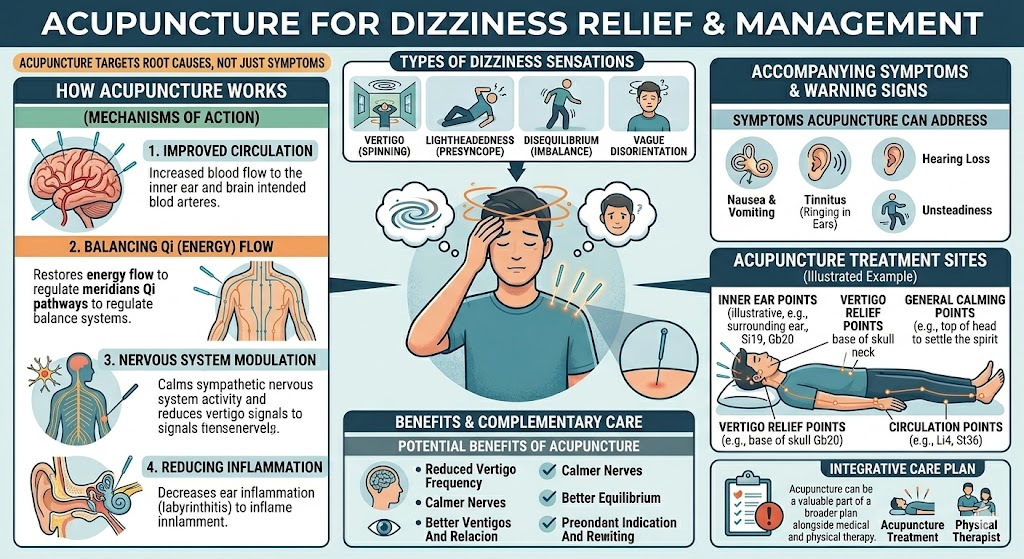
- Improved Circulation: Stimulating specific points can increase microcirculation to the brain and inner ear.
- Nervous System Regulation: It helps calm the sympathetic nervous system and releases endorphins, which can alleviate dizziness and nausea.
- Stress Reduction: By promoting relaxation, acupuncture helps manage anxiety or muscle tension that often exacerbates dizzy spells.
-
- GB-20 (Fengchi): Located at the base of the skull, used to relieve head tension and improve blood flow.
- GV-20 (Baihui): Located at the very top of the head, used to calm the mind and clear “wind.”
- PC-6 (Neiguan): Located on the inner wrist, known for reducing nausea and motion sickness.
- SI-19 (Tinggong): Located near the ear, often used specifically for inner ear disturbances and vertigo.
Homeopathic Treatment for Dizziness

-
- Cocculus Indicus: Used when dizziness is accompanied by nausea, vomiting, or motion sickness.
- Conium Maculatum: Indicated for a spinning sensation that worsens when turning the head or looking upward.
- Gelsemium: Recommended for dizziness accompanied by heaviness, sluggishness, or vision changes.
- Bryonia: Best when dizziness is aggravated by even the slightest motion or when sitting up.
Summing up
Conclusively, dizziness presents in multiple forms—vertigo, presyncope, disequilibrium, and nonspecific dizziness—each tied to distinct underlying mechanisms. You may experience vertigo due to conditions like benign paroxysmal positional vertigo (BPPV), Ménière’s disease, or vestibular neuritis, while presyncope often stems from cardiovascular irregularities such as orthostatic hypotension or arrhythmias. Disequilibrium commonly arises in older adults due to neurological or musculoskeletal decline, and nonspecific dizziness can be linked to anxiety, medication side effects, or metabolic imbalances. Identifying the specific type guides accurate diagnosis and targeted care.
Root causes span the vestibular, cardiovascular, neurological, and psychological systems. Inner ear disorders account for nearly 50% of chronic dizziness cases, with BPPV alone responsible for about 20%. Medications like antihypertensives, sedatives, and certain antibiotics contribute to symptoms in over 25% of older adults. You must consider systemic factors such as dehydration, hypoglycemia, or anemia, which are often reversible with appropriate intervention.
Holistic treatment combines medical evaluation with lifestyle adjustments and complementary practices. You benefit from vestibular rehabilitation therapy, which improves balance and reduces vertigo in 80% of eligible patients. Mind-body techniques like tai chi, controlled breathing, and mindfulness lower dizziness severity, particularly when stress or anxiety plays a role. Dietary modifications, hydration, and medication review further support long-term stability. Your active participation in diagnosis and self-care determines the outcome more than any single intervention.
FAQ

Q: What are the main types of dizziness?
A: Dizziness can be categorized into four primary types: vertigo, presyncope, disequilibrium, and lightheadedness. Vertigo gives a spinning sensation, often triggered by head movement or positional changes, and is commonly linked to inner ear issues like benign paroxysmal positional vertigo (BPPV) or Meniere’s disease. Presyncope refers to the feeling of nearly fainting, usually due to a drop in blood pressure or heart rhythm irregularities. Disequilibrium involves a loss of balance or unsteadiness, especially when walking, and is frequently seen in older adults with neurological or musculoskeletal conditions. Lightheadedness is a vague sense of wooziness, often occurring after standing too quickly, during dehydration, or in response to stress and anxiety.
Q: What are the most common causes of dizziness?
A: Dizziness arises from a range of factors involving the brain, inner ear, cardiovascular system, and metabolic health. Inner ear disorders such as BPPV, labyrinthitis, and vestibular neuritis disrupt the signals that help maintain balance sent to the brain. Low blood pressure, especially upon standing (orthostatic hypotension), reduces blood flow to the brain and triggers lightheadedness. Dehydration, low blood sugar, and anemia limit oxygen and nutrient delivery, leading to dizziness. Neurological conditions like migraines or Parkinson’s disease can interfere with balance centers. Medications including antihypertensives, sedatives, and certain antibiotics may also cause dizziness as a side effect. Psychological factors like anxiety and panic attacks often produce dizziness due to altered breathing patterns and heightened nervous system activity.
Q: Can anxiety and stress cause dizziness?
A: Yes, anxiety and chronic stress can directly lead to dizziness. When the body enters a state of heightened alert, breathing becomes rapid and shallow—a condition known as hyperventilation. This changes carbon dioxide levels in the blood, causing lightheadedness and a sense of floating. People with panic disorder often report sudden dizziness during attacks, sometimes mistaking these symptoms for heart problems. The vestibular system can also become oversensitive under prolonged stress, making individuals more aware of motion or imbalance. Managing stress through breathwork, mindfulness, and therapy often reduces the frequency and intensity of dizziness episodes.
Q: Why do some people feel dizzy when bending over or standing up?
A: Dizziness upon bending over or rising from sitting or lying down is typically due to orthostatic hypotension. When posture changes quickly, blood pools in the lower body, and the cardiovascular system must adjust to maintain brain perfusion. If this response is delayed or weak, a temporary drop in blood pressure occurs, leading to lightheadedness or blurred vision. Dehydration, aging, diabetes, and certain medications can impair this reflex. Inner ear disturbances may also contribute, especially if head motion triggers vertigo. Staying hydrated, rising slowly, and checking blood pressure can help identify and manage this issue.
Q: Can eye or dental problems cause dizziness?
A: Misaligned eyes or binocular vision dysfunction can cause dizziness because the brain receives conflicting visual signals, leading to confusion in spatial orientation. This often results in headaches, eye strain, and a sense of unsteadiness, particularly during reading or screen use. Vision therapy or prism glasses may correct the imbalance. Dental issues like tooth infections or jaw misalignment (TMJ disorder) can also contribute. Inflammation near the trigeminal nerve may affect signals related to balance, and muscle tension in the jaw and neck can influence the vestibular system. Treating the underlying dental condition often brings relief from dizziness.
Q: What holistic and natural treatments help with dizziness?
A: Holistic approaches focus on identifying root causes and supporting the body’s natural balance systems. Vestibular rehabilitation exercises, such as the Epley maneuver for BPPV, reposition inner ear crystals and are highly effective. Acupuncture may reduce dizziness by regulating nerve activity and improving circulation. Some people benefit from homeopathic remedies like *Cocculus indicus* for motion-related dizziness or *Bryonia* for vertigo with nausea, though scientific evidence is limited. Herbal support such as ginger for nausea or ginkgo biloba for circulation is used traditionally. Mind-body practices including yoga, tai chi, and breath regulation improve balance, reduce stress, and enhance coordination between sensory systems.
Q: Why is dizziness common in older adults, and how should it be managed?
A: Older adults are more prone to dizziness due to age-related changes in ears, brain, and blood circulation systems.
Homeopathic treatment for Dizziness in Philadelphia
If you suffer from chronic dizziness, vertigo or other vestibular diseases, consider the Philadelphia Homeopathic Clinic as your next treatment step. Under the supervision of internationally recognized homeopathic doctor Victor Tsan, this clinic has extended academic and clinical experience in vertigo treatment.

Contact Philadelphia Homeopathic Clinic at (267) 403-3085 to schedule an appointment for an initial homeopathic evaluation and discuss your treatment plan with Dr. Tsan.