Contact Dermatitis
Key Takeaways:
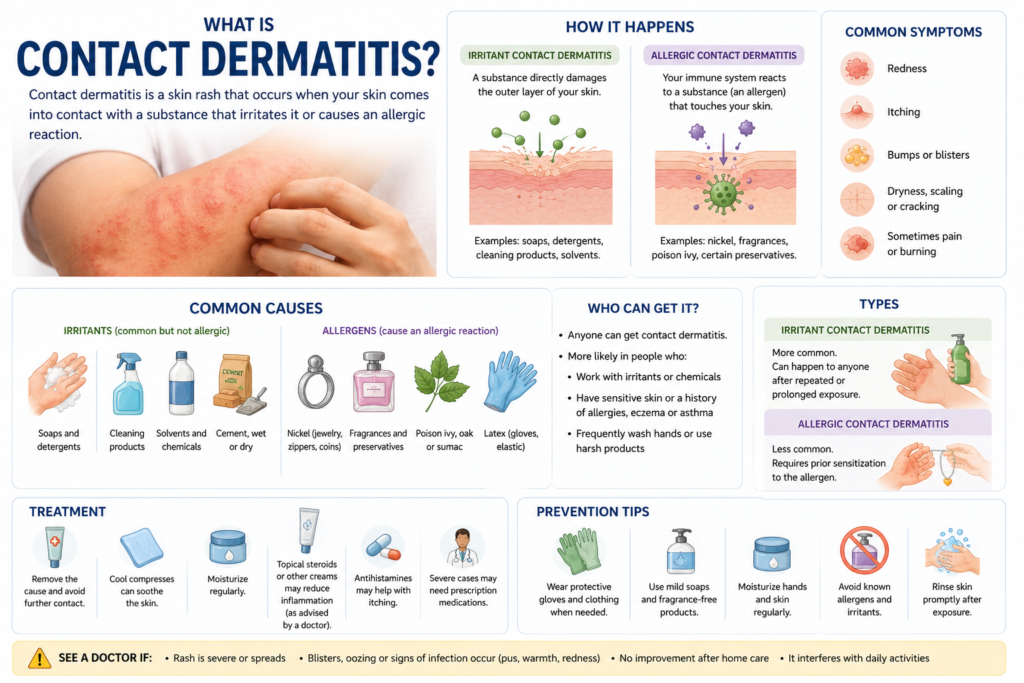
- Contact dermatitis is a skin reaction caused by direct contact with irritants or allergens, leading to inflammation, redness, and itching.
- There are two main types: irritant contact dermatitis, which results from exposure to substances like detergents or chemicals, and allergic contact dermatitis, triggered by an immune response to allergens such as nickel, fragrances, or poison ivy.
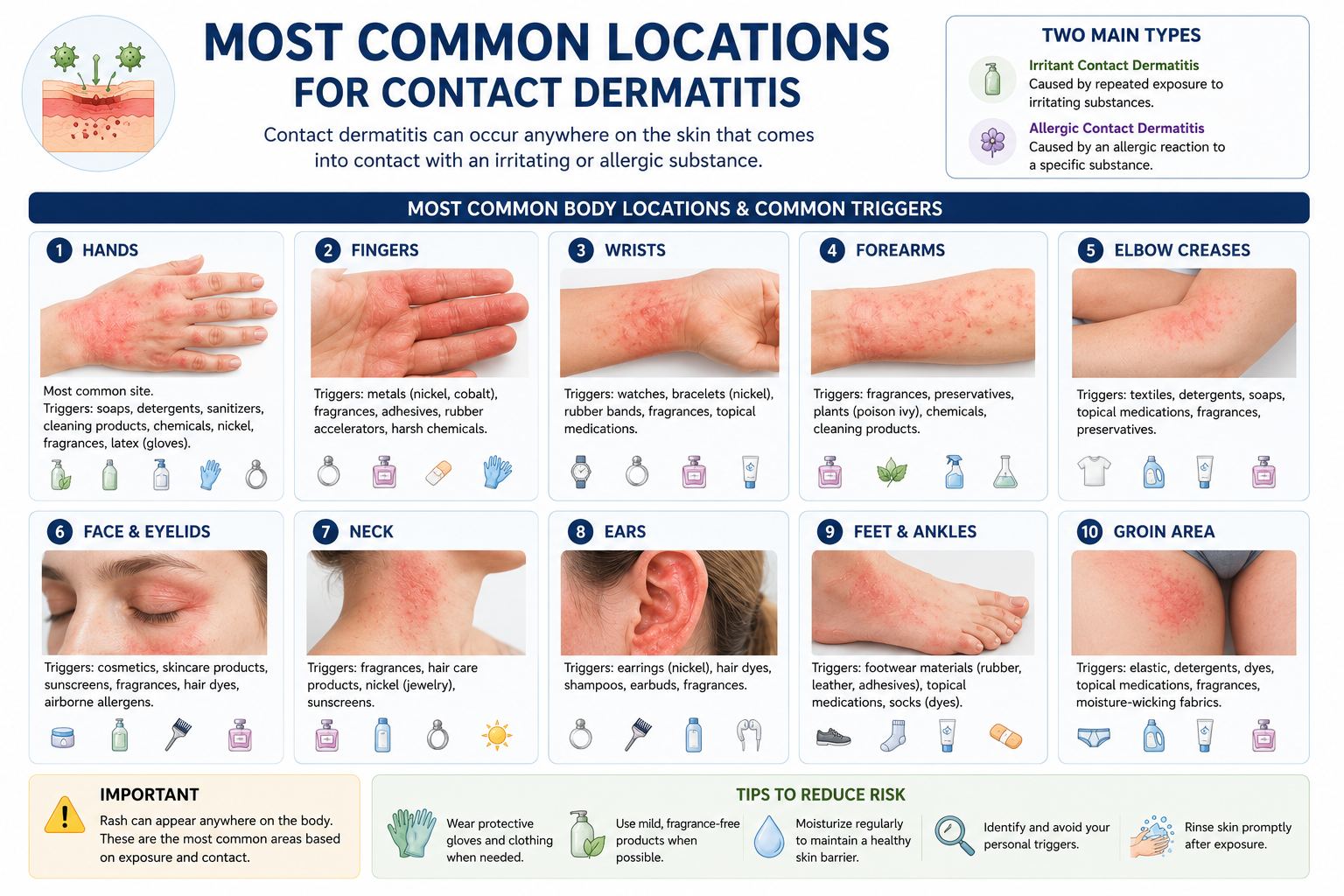
- Common locations for contact dermatitis include the hands, eyelids, scalp, and nipples—areas frequently exposed to potential irritants or allergens in daily life.
- Symptoms typically include a red rash, dry or cracked skin, blisters, itching, and swelling, often appearing at the site where the skin touched the triggering substance.
- Identifying and avoiding the causative agent is a primary step in managing contact dermatitis, whether it’s a cosmetic product, metal, cleaning agent, or plant.
- Homeopathic treatment focuses on individualized remedies based on symptoms and triggers, with common options including Rhus toxicodendron for itching and blistering and Sulphur for dry, scaly rashes.
- Natural approaches, including homeopathy, cold compresses, and soothing topical applications like aloe vera, may support relief, especially when used alongside avoidance of irritants.
Primary Classifications of the Contact Dermatitis
Contact dermatitis falls into two main types: allergic contact dermatitis and irritant contact dermatitis. Each form presents distinct mechanisms and triggers, though both result in inflammation of the skin. You may experience redness, itching, and swelling regardless of the type, but understanding the classification helps determine the appropriate treatment path.
- Allergic contact dermatitis occurs when your immune system reacts to a specific allergen after sensitization. Common triggers include nickel, poison ivy, fragrances, and certain preservatives in cosmetics. This type does not appear on first exposure; instead, your body must have been previously exposed to develop sensitivity, and it often takes days to weeks for the reaction to manifest upon re-exposure.
- Irritant contact dermatitis, the more common of the two types, results from direct damage to the skin by a chemical or physical agent. Unlike the allergic form, it does not involve the immune system and can occur after a single exposure to strong irritants like detergents, solvents, or acids. Frequent hand washing, occupational exposure, and prolonged contact with mild irritants can also lead to this condition over time.
Allergic Reactions and Immune Response
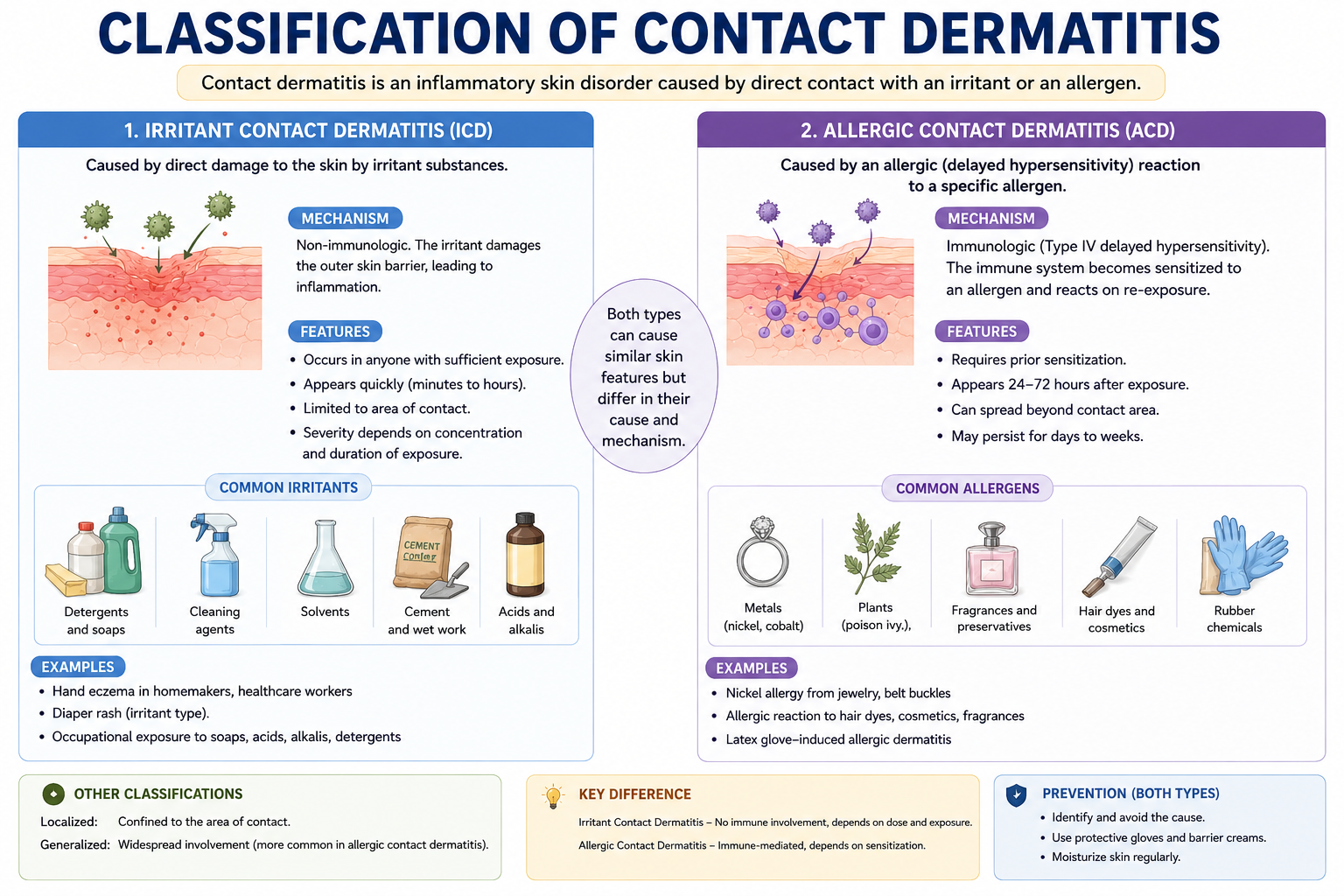
Your body mounts a specific immune response during allergic contact dermatitis, triggered by allergens like nickel, chromates, or poison ivy’s urushiol. This delayed hypersensitivity reaction, classified as Type IV, requires prior sensitization. The first exposure primes your T-cells, while subsequent contact leads to inflammation within 12 to 72 hours.
Symptoms typically appear at the site of contact and include intense itching, blistering, and erythema. Common culprits include jewelry, topical medications like neomycin, and rubber additives in gloves. Diagnosis often involves patch testing, where small amounts of allergens are applied to the skin to identify the specific trigger.
Once sensitized, your immune system remains alert to the allergen indefinitely. Avoidance is key, but homeopathic remedies may support symptom relief by modulating immune reactivity. Individualized treatments such as Rhus toxicodendron for poison ivy reactions or Graphites for weeping eczema are often considered based on your unique presentation.
Irritant-Induced Skin Damage
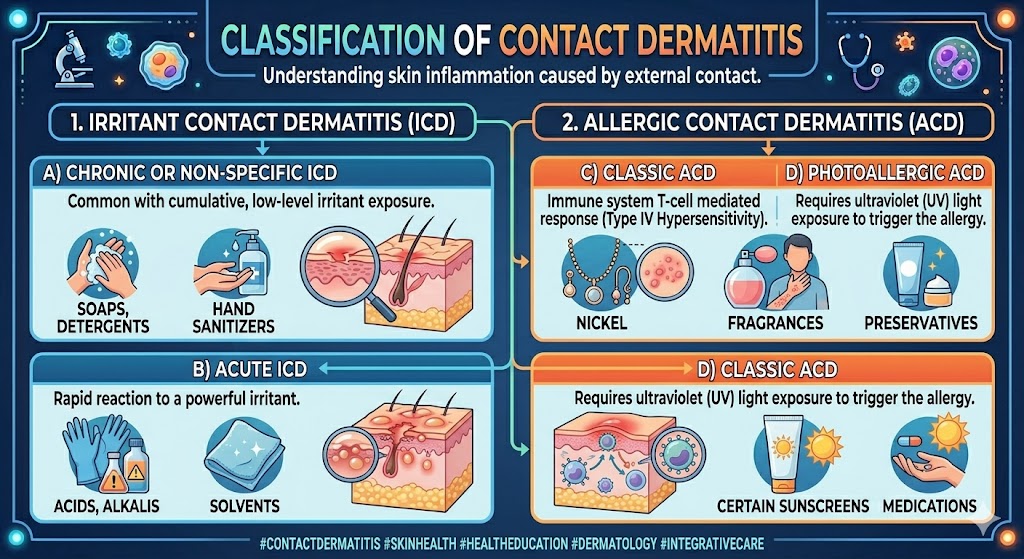
Direct exposure to harsh substances causes irritant contact dermatitis, accounting for up to 80% of all contact dermatitis cases in occupational settings. Unlike allergic forms, this type does not require prior sensitization and can affect anyone with sufficient exposure. Common irritants include soaps, bleach, cement, and industrial solvents.
Your skin barrier weakens when repeatedly exposed to mild irritants, allowing moisture loss and penetration of harmful agents. This cumulative damage leads to dryness, cracking, and inflammation, especially on the hands. Workers in healthcare, cleaning, and construction face higher risks due to frequent contact with damaging substances.
Severity depends on concentration, duration, and frequency of exposure. Even water, when in prolonged contact, can contribute to skin breakdown. Preventive measures, like protective gloves and emollients, are imperative, while homeopathic support with remedies like Petroleum may help soothe damaged skin and support healing.
Understanding the mechanism of irritant-induced skin damage reveals why prevention plays such a central role in management. Since this form arises from physical or chemical injury rather than immune activation, repeated exposure—even to seemingly harmless substances—can gradually compromise your skin’s protective function. Recognizing early signs like tightness, redness, or flaking allows timely intervention before chronic dermatitis develops.
Anatomical Locations of Contact Dermatitis
Facial and Ocular Involvement
You may notice contact dermatitis on eyelid skin due to its thin, sensitive nature, making it highly reactive to allergens like cosmetics, eye drops, or airborne irritants. Reactions around contact dermatitis on eyes often present with redness, swelling, and intense itching, sometimes mistaken for conjunctivitis. Because the periorbital area absorbs substances more readily, even trace exposures can trigger significant inflammation, requiring careful identification of the offending agent.
Fragrances in skincare products are among the most common culprits behind facial contact dermatitis, especially near the eyes. You might experience symptoms after using a new mascara, eyeliner, or moisturizer, with reactions appearing within hours or days. Patch testing can confirm specific sensitivities, guiding you toward safer product choices and reducing recurrence.
Chronic exposure to allergens can lead to persistent contact dermatitis on eyelid tissue, disrupting the skin barrier and increasing susceptibility to secondary infections. Avoiding known irritants and using hypoallergenic, fragrance-free formulations helps restore skin health. In some cases, homeopathic remedies like Rhus toxicodendron or Apis mellifica are considered to support symptom relief.
Specialized Areas: Scalp, Nipples, and Hands
Contact dermatitis on hands is one of the most frequent presentations, especially among healthcare workers, cleaners, and hairdressers exposed to chemicals, soaps, and gloves. Constant wet work and irritants compromise the skin’s protective layer, leading to dryness, cracking, and discomfort. You may develop allergic or irritant forms, with nickel, fragrances, or preservatives often identified through patch testing.
Your scalp can also be affected, particularly by natural scalp reactions of contact dermatitis that shampoos, dyes, or styling products containing paraphenylenediamine (PPD) trigger. Symptoms include itching, flaking, and sometimes oozing lesions along the hairline. Because scalp skin is covered, irritants remain in prolonged contact, intensifying the reaction and delaying healing.
Contact dermatitis of the nipple is less common but can occur due to allergens in soaps, laundry detergents, or even components of nursing pads and bras. You might experience pain, redness, or fissuring, which can be especially distressing during breastfeeding. Identifying and eliminating the trigger is crucial, and soothing homeopathic options like Graphites or Sulphur may be considered based on symptom profile.
These specialized areas—scalp, nipples, and hands—present unique challenges due to their distinct skin structure and exposure patterns. The scalp’s hair coverage traps allergens, prolonging contact and complicating treatment. Nipple skin is delicate and highly innervated, making inflammation particularly uncomfortable, especially when linked to breastfeeding. Hands, with frequent environmental exposure, endure repetitive trauma and chemical contact, increasing risk for both acute and chronic dermatitis. Each location demands targeted care, emphasizing avoidance, gentle cleansing, and individualized support, including homeopathic remedies matched to your specific symptoms and triggers.
Treatment Modalities and Natural Care for Contact Dermatitis
Standard Medical Interventions
Your doctor may recommend topical corticosteroids as a primary contact dermatitis treatment to reduce inflammation and relieve itching. These creams, such as hydrocortisone or stronger prescription options like triamcinolone, are typically applied directly to affected skin for short durations. If your symptoms include oozing or signs of infection, a healthcare provider might prescribe oral antibiotics or antihistamines to manage secondary complications. In more severe cases, systemic corticosteroids like prednisone may be used for a limited time to control intense flare-ups. Patch testing can help identify specific allergens responsible for allergic contact dermatitis, allowing you to avoid future exposure. How to treat contact dermatitis effectively often involves a combination of eliminating the irritant and using medically approved therapies under professional supervision.
Holistic and Natural Approaches to Contact Dermatitis Management
Many individuals seek natural treatment options for contact dermatitis to complement conventional care or reduce reliance on pharmaceuticals. Aloe vera gel, known for its soothing properties, can calm irritated skin when applied topically. Oatmeal baths, particularly colloidal oatmeal, have been shown to relieve itching and restore skin barrier function. Some people find relief using calendula cream or coconut oil, both of which possess anti-inflammatory and moisturizing effects. While these remedies don’t replace medical treatment in severe cases, they can support healing in mild episodes. Always patch test natural products first, as even plant-based substances may trigger reactions in sensitive individuals.
You may also benefit from dietary and lifestyle adjustments that support skin health from within. Increasing intake of omega-3 fatty acids through flaxseeds or fatty fish can help modulate inflammatory responses linked to dermatitis. Staying well-hydrated and avoiding known allergens like nickel, fragrances, or certain preservatives plays a key role in prevention. Some holistic practitioners recommend homeopathic remedies such as Rhus toxicodendron or Sulphur, tailored to individual symptom patterns. Though scientific evidence varies, many users report improvements with consistent, personalized use. These approaches work best when integrated thoughtfully into a broader care plan.
Homeopathic Management of Contact Dermatitis
Homeopathy for contact dermatitis focuses on treating the individual as a whole, not just the skin symptoms. This system of medicine operates on the principle of “like cures like,” using highly diluted natural substances to stimulate the body’s self-healing mechanisms. When you experience redness, itching, or blistering from contact with irritants like nickel, poison ivy, or detergents, homeopathic remedies for contact dermatitis aim to address both the immediate reaction and your body’s underlying sensitivity.
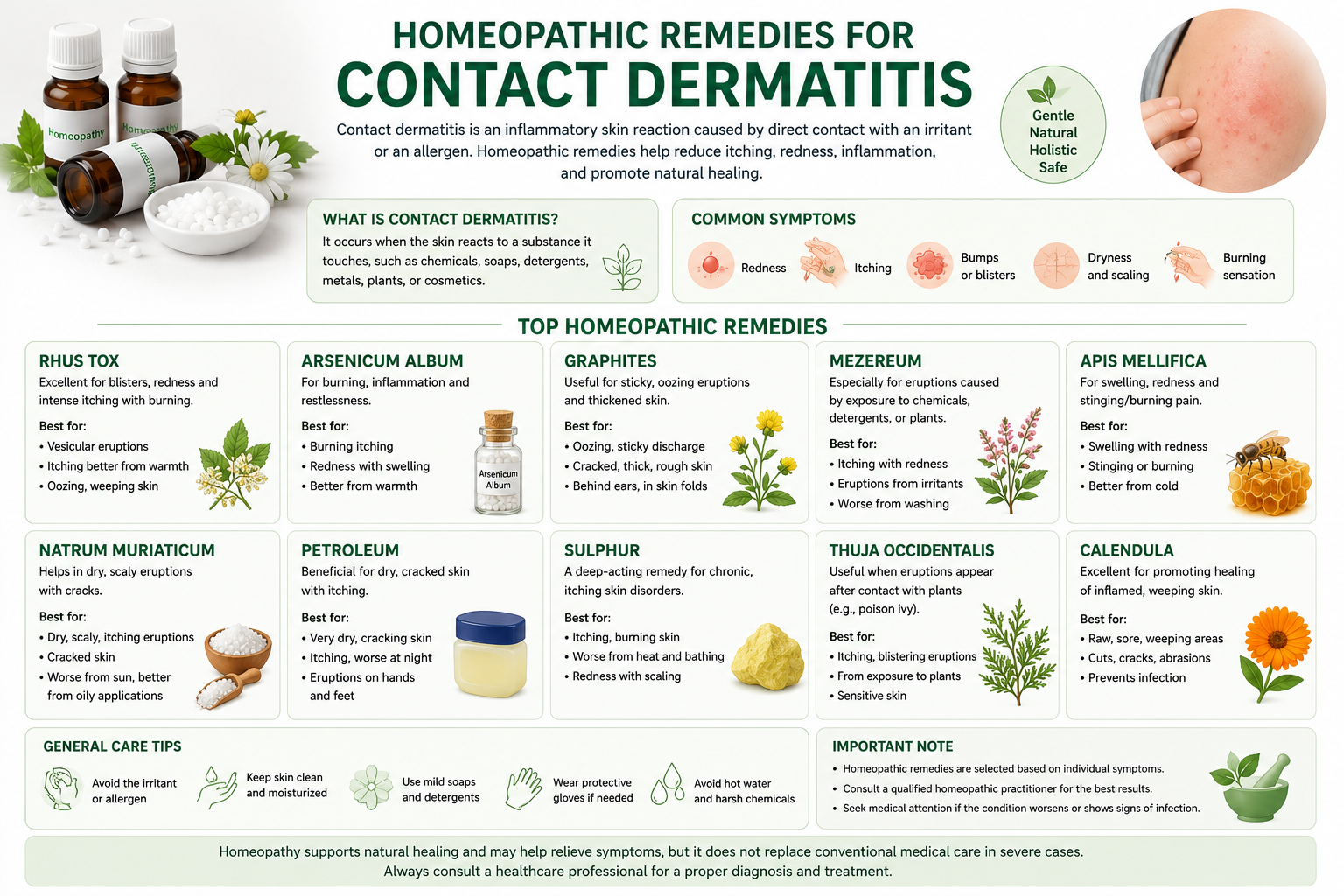
Healing in homeopathy is not standardized; it depends on your unique physical and emotional responses. A remedy that works for one person may not work for another, even if both have similar rashes. Your choice of treatment is guided by factors such as the location of the rash, the nature of the itching, and what makes symptoms better or worse. This personalized strategy ensures that homeopathy for contact dermatitis aligns with your specific symptom profile.
Long-term improvement often follows selecting the correct remedy, with many patients reporting reduced recurrence and heightened skin resilience. Unlike conventional treatments that suppress symptoms, homeopathic remedies for contact dermatitis support internal balance. You may notice gradual relief from inflammation, dryness, and discomfort as your body regains its natural equilibrium.
Individualized Homeopathic Selection
Your response to allergens and irritants reveals key clues for remedy selection in homeopathy for contact dermatitis. A skilled practitioner evaluates not only the appearance of your rash but also your emotional state, sleep patterns, and sensitivity to temperature. For instance, if your skin worsens from warmth and improves with cold applications, this detail helps narrow down the appropriate remedy.
Each person’s experience with contact dermatatitis varies, making individualized assessment crucial. You might develop blisters after handling certain metals, while another person reacts to cosmetics. These differences guide the choice among homeopathic remedies for contact dermatitis, ensuring treatment matches your unique reaction pattern. There is no one-size-fits-all solution in homeopathy.
Accurate prescribing depends on detailed symptom mapping over time. You are encouraged to observe and report changes in itching intensity, skin color, and triggers. This information allows for precise matching with remedies such as Rhus toxicodendron or Apis mellifica. Your active participation strengthens the effectiveness of homeopathy for contact dermatitis.
Common Remedies for Skin Restoration
Rhus toxicodendron is frequently recommended when your rash follows exposure to poison ivy or similar plants. You may experience intense itching that worsens at night and improves with warm baths. This remedy, derived from poison ivy itself, exemplifies the homeopathic principle of treating “like cures like” and is a cornerstone among homeopathic remedies for contact dermatitis.
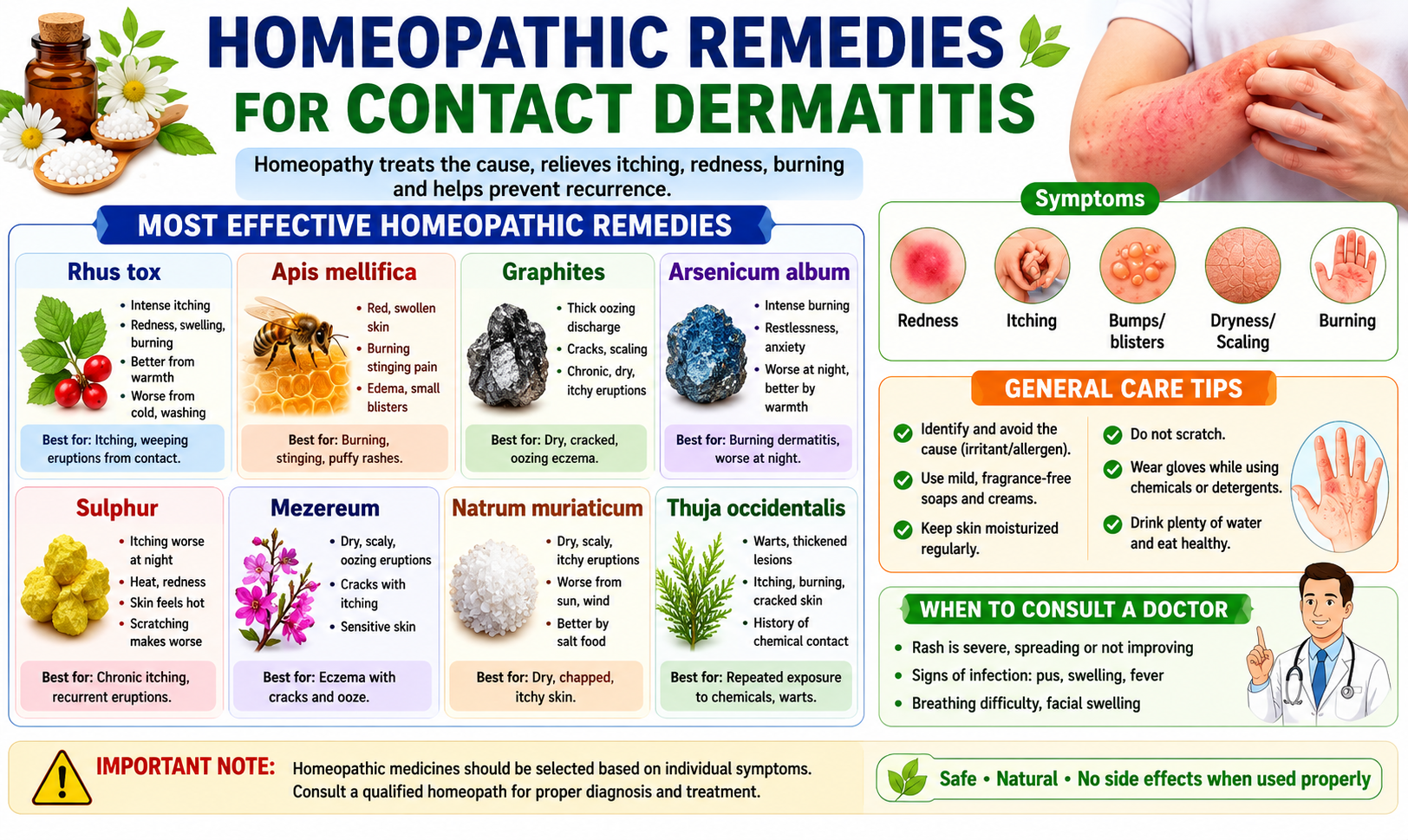
Apis mellifica is chosen when your skin appears swollen, red, and stings like a bee bite, often improving with cold compresses. You might notice these symptoms after insect stings or allergic reactions to chemicals. As part of homeopathy for contact dermatitis, Apis supports rapid reduction in inflammation and discomfort.
Graphites is suited for individuals whose skin becomes cracked, oozing, and itchy, especially around folds like elbows or behind ears. You may also feel chilly and experience worsening symptoms in damp weather. This remedy targets deeper skin imbalances and is commonly used in chronic cases of contact dermatatitis.
These remedies—Rhus toxicodendron, Apis mellifica, and Graphites—are among the most trusted in homeopathic practice for restoring skin health. Your symptoms guide which one aligns best with your condition, ensuring targeted, gentle healing without harsh side effects.
Summing up
Contact dermatitis presents in two primary forms—irritant and allergic—each arising from distinct triggers but producing similar discomfort. You experience redness, itching, and sometimes blistering when your skin reacts to substances like soaps, metals, or cosmetics. The location of the rash often provides clues to the cause, whether it’s on your hands, eyelids, scalp, or nipples, guiding both diagnosis and management.
Avoiding the offending agent remains your most effective step toward recovery. You may notice improvement simply by removing exposure to irritants or allergens, such as nickel, fragrances, or cleaning products. Over-the-counter relief can help, but long-term healing often requires a personalized approach that considers your unique sensitivity patterns and skin responses.
Homeopathic treatment offers a tailored alternative, using remedies like Rhus toxicodendron or Graphites based on your specific symptoms and triggers. You may find relief through these gentle, natural options when conventional methods fall short. Consistency and accurate remedy selection support lasting improvement in your skin’s health and resilience.
FAQ

Q: What are the main types of contact dermatitis?
A: The two primary types of contact dermatitis are irritant contact dermatitis and allergic contact dermatitis. Irritant contact dermatitis occurs when the skin comes into direct contact with a substance that damages the outer layer, such as harsh chemicals or detergents. This type can affect anyone, given enough exposure. Allergic contact dermatitis happens when the immune system reacts to a specific allergen, like nickel, poison ivy, or certain fragrances. This reaction only occurs in people who have become sensitized to the substance after prior exposure.
Q: What causes irritant contact dermatitis?
A: Irritant contact dermatitis is caused by repeated or prolonged exposure to substances that irritate the skin. Common triggers include soaps, detergents, solvents, bleach, cement, and even frequent hand washing with hot water. The damage occurs because these substances strip away natural oils, weakening the skin’s protective barrier. People in occupations like cleaning, healthcare, hairdressing, or construction are more likely to develop this form due to regular contact with harsh materials.
Q: How does allergic contact dermatitis develop?
A: Allergic contact dermatitis develops when the skin becomes sensitized to an allergen after initial exposure. The immune system identifies the substance as harmful and mounts a response upon future contact. Common allergens include metals like nickel, cosmetic ingredients, latex, certain plants like poison oak, and preservatives in skincare products. The reaction typically appears 12 to 72 hours after exposure and is often localized to the area that touched the allergen.
Q: Where does contact dermatitis commonly appear on the body?
A: Contact dermatitis often appears on areas directly exposed to the triggering substance. The hands are a frequent site, especially in people who handle chemicals or cleaning agents. Other common locations include the face—particularly the eyelids, which are sensitive and often exposed to cosmetics or airborne allergens—the scalp (from hair dyes or shampoos), the ears (from metal in earrings), and the nipple area (from reactions to laundry detergents or fabrics). The rash follows the pattern of contact, helping identify the cause.
Q: What are the typical symptoms of contact dermatitis?
A: Symptoms include redness, swelling, itching, dry or cracked skin, and sometimes blisters that may ooze or crust over. The affected area may feel sore or burn. In chronic cases, the skin becomes thickened and scaly from repeated scratching or exposure. The intensity of symptoms depends on the substance involved, duration of contact, and individual sensitivity. Allergic reactions may spread beyond the initial site, while irritant reactions usually stay confined to the contact zone.
Q: Can contact dermatitis be treated naturally or with homeopathy?
A: Some people find relief from contact dermatitis using natural approaches and homeopathic remedies. The first step is to avoid the irritant or allergen. Natural care includes using cool compresses, oatmeal baths, and moisturizers like coconut oil to soothe the skin. Homeopathic remedies are selected based on individual symptoms. For example, Rhus toxicodendron is often used for intense itching and blistering, especially after exposure to plants like poison ivy. Sulphur may be chosen for burning itchy rashes that worsen with heat. These treatments aim to support the body’s healing response without suppressing symptoms.
Q: What homeopathic remedies are commonly used for contact dermatitis on specific areas like the scalp or eyelids?
A: For contact dermatitis on the scalp, especially with dry, flaky skin and itching, Graphites or Mezereum might be considered. If the rash is linked to hair dye or chemical exposure, Nitricum acidum could be relevant, particularly if there are painful cracks or bleeding. On the eyelids, where skin is thin and reactions can be severe, Apis mellifica is often used when there is swelling, redness, and stinging pain improved by cold applications. For nipple dermatitis, especially with raw, sore skin, Urtica urens may be beneficial, particularly if symptoms follow contact with an irritant like detergent residue on clothing. A qualified homeopath evaluates the full symptom picture before recommending a remedy.
Treatment for Contact Dermatitis in Philadelphia
At the Philadelphia Homeopathic Clinic, internationally recognized homeopath Dr. Tsan and associates provide natural treatment for the main cause of contact dermatitis, using the most effective holistic techniques—acupuncture, homeopathy, and herbal medicine.
Contact our clinic to schedule the initial homeopathic evaluation if you are looking for dermatitis treatment.