Stomach Ulcer
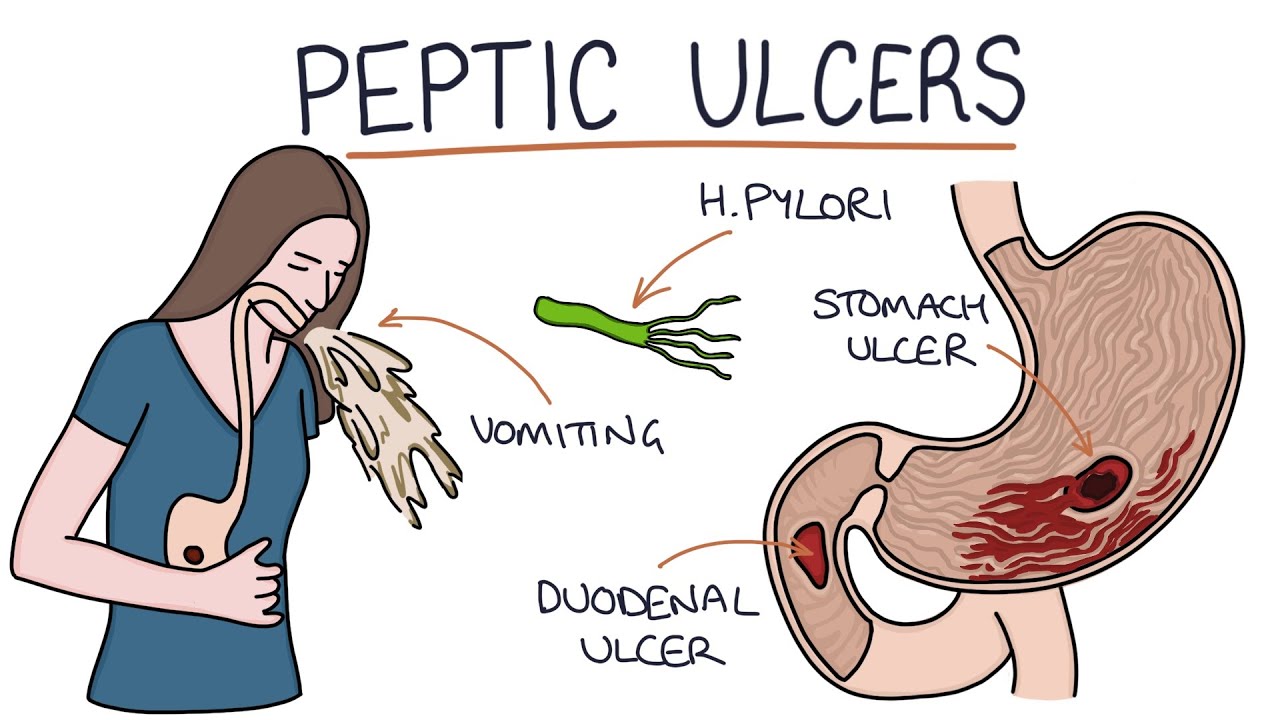
A stomach ulcer is an open sore in the stomach lining. It is usually caused by H. pylori bacterial infection or long-term use of NSAID pain relievers (like ibuprofen or aspirin). The hallmark symptom is a burning stomach ache that may briefly improve after eating or taking antacids. Treatments for a stomach ulcer focus on healing ulcers in the stomach, addressing H. pylori infection, NSAID avoidance, acid suppression, and lifestyle changes; you should watch for burning epigastric pain, nausea, weight loss, or black stools and seek medical evaluation promptly.
Key Takeaways:
- A stomach ulcer (peptic ulcer) is an open sore in the stomach lining or the first part of the small intestine (duodenum) caused by acid-related damage.
- Common causes include Helicobacter pylori infection and long-term use of nonsteroidal anti-inflammatory drugs (NSAIDs); less common causes include smoking, excessive alcohol, and stress-related acid increases.
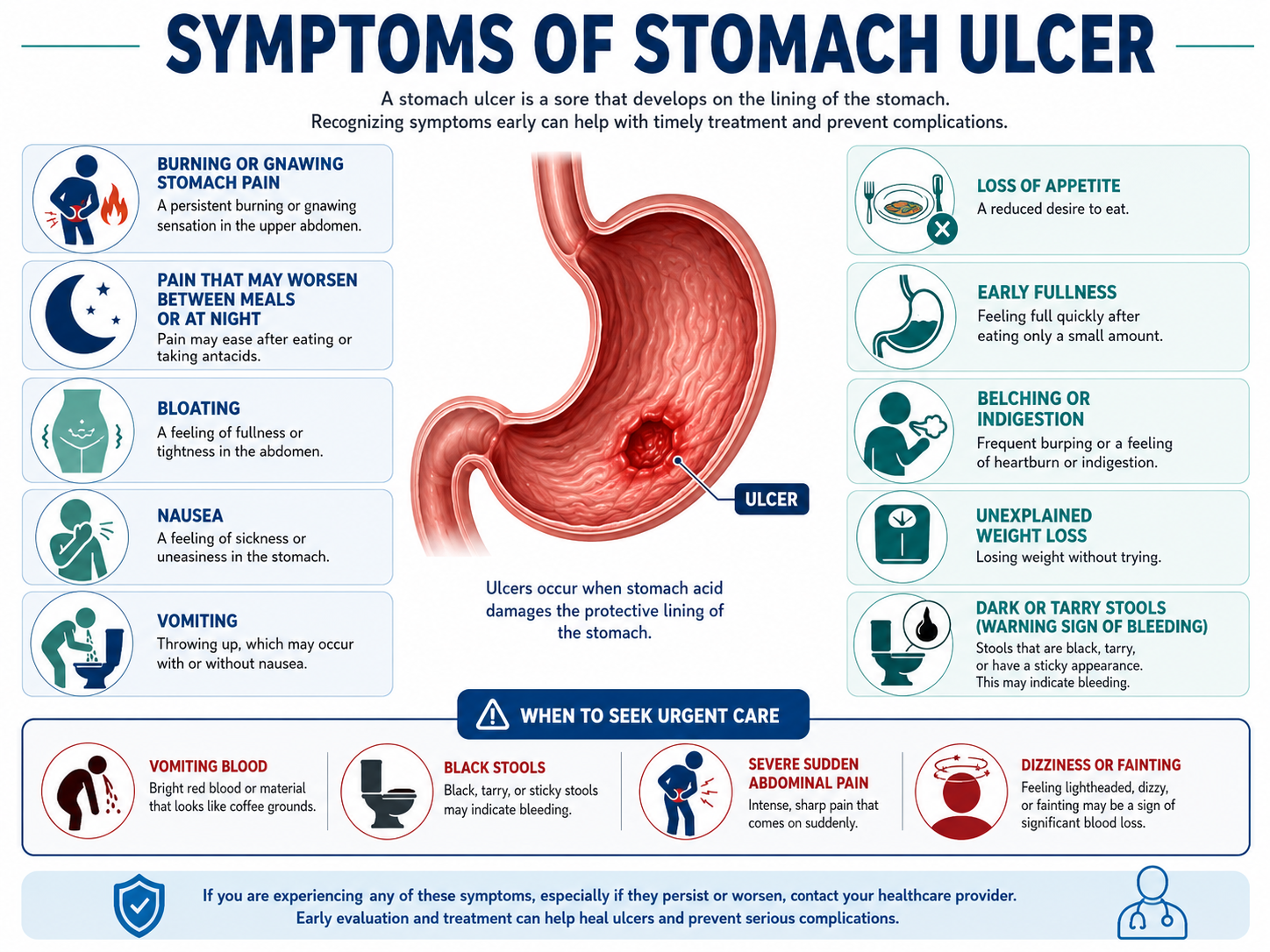
- Typical symptoms include burning or gnawing upper abdominal pain, bloating, nausea, heartburn, and unexplained weight loss; first signs can be intermittent discomfort after meals or between meals.
- Ulcer pain often improves with antacids or food and may worsen on an empty stomach; emergency signs such as severe abdominal pain, vomiting blood, or black stools indicate bleeding or perforation and require immediate care.
- Medical treatment targets the cause: antibiotics to eradicate H. pylori, proton pump inhibitors or H₂ blockers to reduce acid, and stopping NSAIDs; most ulcers heal in 4-8 weeks with appropriate therapy.
- Diet and lifestyle changes that reduce symptoms include avoiding alcohol, smoking, excessive caffeine, and spicy foods, eating smaller regular meals, and managing stress.
- Holistic or natural approaches people try include acupuncture, certain herbal remedies, probiotics, and homeopathy; clinical evidence for these varies and is limited, so discuss any alternative treatments with a healthcare professional before use.
Defining Gastric Ulceration
You should know that “What is a stomach ulcer?” refers to a localized lesion of the gastric mucosa where acid and pepsin damage tissue; common causes include Helicobacter pylori infection and NSAID use.
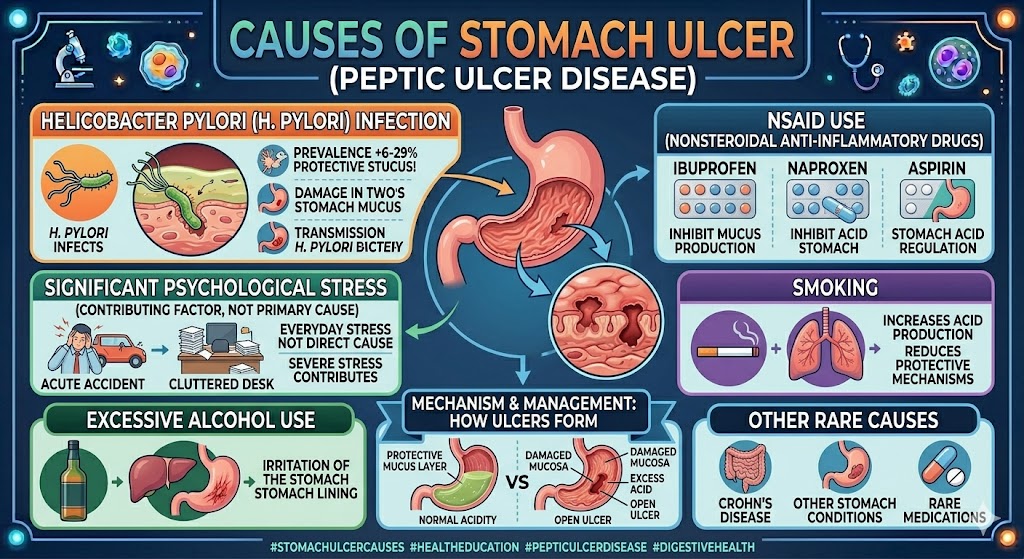
Stomach ulcers typically cause burning epigastric pain, nausea, early satiety, weight loss and sometimes melena; diagnosis relies on endoscopy with biopsy and noninvasive H. pylori testing.
Chronic ulcers increase risk of bleeding, perforation and gastric outlet obstruction if untreated, so you need targeted therapy including acid suppression and eradication of H. pylori.
Erosion of the protective stomach lining
Acid erosion breaks down the mucus-bicarbonate barrier and exposes epithelial cells to hydrochloric acid and pepsin, leading to mucosal defects that you will feel as localized pain.
When NSAIDs block prostaglandins and H. pylori damages the mucosa, mucus and bicarbonate secretion decrease, leading to loss of the protective lining and worsening erosion.
Visible ulceration on endoscopy is defined when a mucosal defect penetrates the muscularis mucosae; you may require biopsy to exclude malignancy.
Differences between acute and chronic stomach ulcers
Acute ulcers arise quickly after severe physiologic stress, burns or high-dose NSAID exposure and often resolve with short-term proton pump inhibitor therapy; you will notice rapid symptom onset.
Recurrent ulcers persist for months to years when H. pylori remains untreated or NSAID exposure continues, and you will often need eradication plus longer maintenance therapy.
Healing intervals differ: acute lesions can close in days to weeks, whereas chronic ulcers may take months to scar or recur unless you correct the underlying cause.
Management therefore diverges: acute cases focus on removing triggers and brief acid suppression, while chronic cases require H. pylori testing, combination antibiotic regimens, and prolonged proton pump inhibitor use to prevent recurrence.
Recognizing Symptoms and Early Warning Signs of Stomach Ulcer
Common physical indicators of gastric distress
Recognizing stomach ulcer symptoms requires attention to recurring upper abdominal discomfort that you feel as burning, gnawing, or pressure and may follow meals or occur on an empty stomach.
Early symptoms of a stomach ulcer can include bloating, nausea, belching, and a change in appetite that you notice alongside pain, which together form common symptoms of a stomach ulcer described by clinicians.
Frequent monitoring matters because stomach ulcer pain that awakens you at night or is relieved by antacids should prompt you to seek medical evaluation to rule out complications like bleeding.
Identifying the location and intensity of abdominal pain
Location often centers in the epigastric area between your navel and breastbone, where stomach ulcer pain typically presents as a focal, upper-abdominal ache you can point to.
Sharp or burning sensations vary in intensity and timing; you may notice symptoms of a stomach ulcer worsen when the stomach is empty or, alternatively, shortly after eating, depending on the ulcer location.
Chronic patterns matter, as persistent pain lasting weeks or recurring in cycles suggests an active ulcer rather than a transient stomach upset, and any vomiting of blood or black stools warrants urgent care.
Occasionally keeping a pain diary noting exact location, intensity on a 0-10 scale, relation to meals, and triggers will help you and your clinician distinguish stomach ulcer pain from other abdominal causes.
Clinical Treatment and Accelerated Recovery from Stomach Ulcer
You must follow a staged plan for stomach ulcer treatment: prompt testing for H. pylori, acid suppression with PPIs, and immediate cessation of NSAIDs to reduce mucosal damage and bleeding risk.
Clinical choices such as omeprazole or esomeprazole and a 14-day H. pylori triple therapy (PPI plus clarithromycin and amoxicillin or metronidazole) shape the speed of healing you experience.
Recovery improves when you combine medical therapy with lifestyle changes; addressing smoking, heavy alcohol, and stress can shorten symptom duration and lower recurrence after initial cure.
Standard medical interventions
Proton-pump inhibitors (PPIs) like omeprazole, esomeprazole, and pantoprazole form the backbone of most stomach ulcer treatment by reducing acid and allowing tissue repair while you heal.
Antibiotics for confirmed H. pylori, typically part of a 14-day regimen with clarithromycin 500 mg and amoxicillin 1 g twice daily alongside a PPI, answer the question: what is the fastest way to cure a stomach ulcer when infection is present?
H₂-receptor blockers, antacids, and sucralfate provide adjunct symptom relief, but you should prioritize eradication therapy and acid suppression for the fastest, most lasting resolution.
Protocols for the fastest relief and healing
Immediate measures for severe pain or bleeding include IV PPI therapy (for example, an 80 mg bolus followed by 8 mg/hour infusion) and urgent endoscopy when indicated to control hemorrhage.
Stop NSAIDs and aspirin under medical guidance and avoid smoking and alcohol to reduce ongoing mucosal injury while drug therapy and antibiotics work to close the ulcer you have.
Short-term follow-up with noninvasive testing for H. pylori at least four weeks after completing therapy helps confirm eradication and guides any necessary retreatment to prevent recurrence.
Adherence to prescribed PPI schedules, completing the full antibiotic course, and scheduling a urea breath test or stool antigen test four weeks post-therapy give you the best chance at the fastest, sustained cure for a stomach ulcer.
Holistic and Natural Healing Modalities for Stomach Ulcer Management
Holistic approaches to stomach ulcer natural treatment ask you to combine dietary shifts, stress reduction, and targeted botanicals so you address triggers rather than only symptoms. You can use probiotics, licorice DGL, and low-acid diets as part of a comprehensive plan while tracking pain patterns and antacid use. You should keep your clinician informed when you add supplements so interactions with prescribed therapies are avoided.
Herbal and manual therapies pair well with acupuncture for stomach ulcers. When you seek digestive balance, you may notice reduced epigastric pain and fewer reflux episodes with integrated care. You can expect providers to coordinate care around H. pylori testing and medication schedules while offering nonpharmacologic options. You should prioritize therapies that support mucosal recovery and symptom relief alongside standard medical care.
When pursuing homeopathy for stomach ulcers as part of natural treatment, clinical coordination is essential; you must not stop proton-pump inhibitors or antibiotics without your prescriber’s guidance. You can discuss homeopathy treatment for stomach ulcers with both your physician and a licensed homeopath to ensure safe adjunctive use, clear monitoring of bleeding risk, and timely follow-up if symptoms worsen.
Utilizing acupuncture for digestive balance and stomach ulcer healing
Acupuncture for stomach ulcers can be used to modulate visceral pain and reduce nausea; you will often see clinicians recommend point combinations along the stomach and spleen channels tailored to your symptom pattern. You can expect gentle needling sessions that aim to improve vagal tone and local circulation, and many patients report decreased epigastric burning within several treatments.
Session frequency commonly ranges from 1-2 times per week for an initial block of 6-12 sessions, depending on severity and response; you should track symptom scores so adjustments can be made. You can request qigong or breathing exercises alongside needling to reinforce digestive regulation and integrate acupuncture for stomach ulcers into daily self-care.
Needle placement often targets ST36, CV12, and SP4 points alongside auricular support for stress-related dyspepsia; you can ask your practitioner to explain point selection and expected outcomes. You should combine acupuncture with stomach ulcer natural treatment measures—dietary changes and smoking cessation—to maximize symptom control and mucosal healing support.
Homeopathic protocols for gastric ulcer relief

Homeopathy for stomach ulcers approaches treatment by matching remedies to your specific symptom picture, for example, using Belladonna for sudden intense gastric pain or Nux vomica for post-meal burning and irritability; you should report exact modalities of pain and times of day. You can pursue homeopathy treatment for stomach ulcers as an adjunct, ensuring it complements rather than replaces medical therapies for bleeding or H. pylori.
Remedies are typically prescribed in potencies such as 30C or 200C with individualized dosing schedules; you should follow the homeopath’s instructions regarding frequency and potency adjustments. You can document symptom changes between doses to help your practitioner refine the protocol and to ensure homeopathy for stomach ulcers integrates with any prescription medications.
Practitioners who offer homeopathy treatment for stomach ulcers usually recommend regular monitoring for weight loss, anemia, or melena; you should maintain communication with your gastroenterologist. You can expect collaborative plans that combine symptom-targeted remedies with natural strategies for treating stomach ulcers, such as diet modification and stress management.
Follow-up information on homeopathy treatment for stomach ulcers emphasizes individualized remedy selection, typical potencies (30C-200C), and careful symptom tracking; you should report any new bleeding, worsening pain, or systemic signs immediately. You can use homeopathy for stomach ulcers alongside lifestyle measures from your stomach ulcer natural treatment plan, but ensure that all providers are informed to prevent gaps in care.
Dietary Strategies for Long-term Management of Stomach Ulcer
You should follow a clear diet for stomach ulcers by eating 4-6 small meals daily that include low-acid, bland choices like cooked vegetables, bananas, and whole grains to reduce irritation and steady acid production.
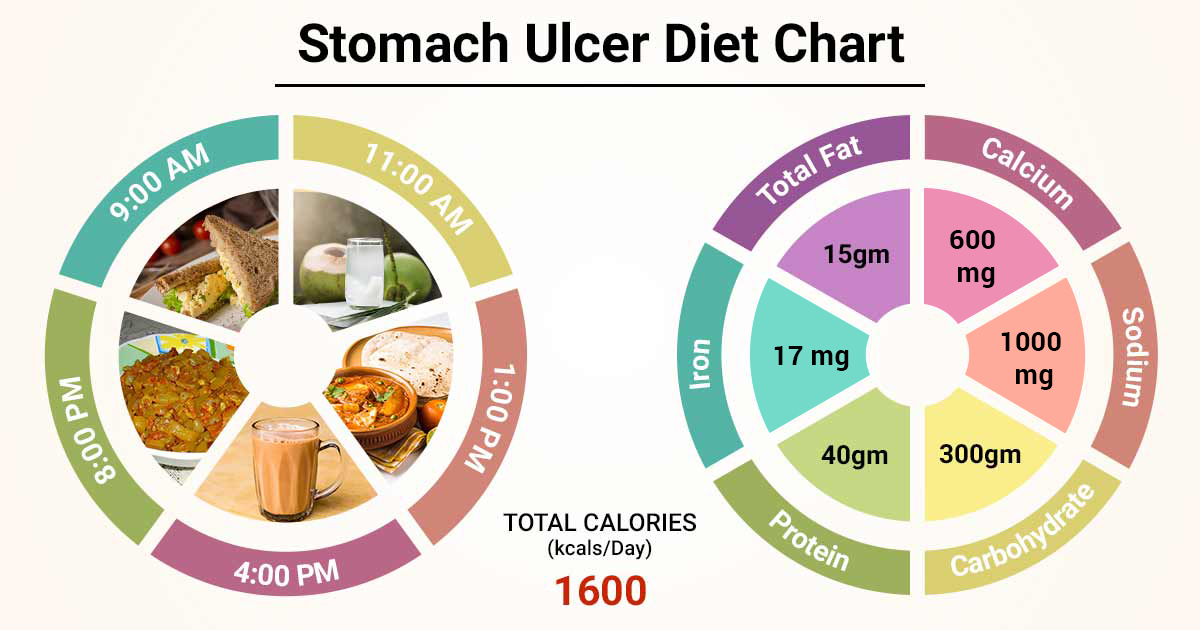
Oats, soluble fiber, and plain yogurt with live cultures (Lactobacillus) help soothe the mucosa; you can include one serving of probiotic yogurt and a bowl of oatmeal most days to support healing.
Regularly track symptoms in a food diary, avoid NSAIDs, smoking, alcohol, and high-caffeine drinks, and discuss H. pylori testing and appropriate antibiotics or proton-pump inhibitors with your clinician while maintaining dietary measures.
Therapeutic foods to soothe the stomach
Foods such as cooked oats, mashed bananas, applesauce, steamed leafy greens, and lean poultry fit a therapeutic diet for stomach ulcers because they are low in acid and easy to digest while supplying fiber and protein for repair.
Yogurt with live cultures or kefir can support microbiome balance; you should choose plain, low-fat options and aim for one serving daily to complement medical treatment and reduce dyspepsia.
Ginger tea, chamomile, and a teaspoon of honey may offer mild soothing and anti-inflammatory effects; you should introduce these slowly, sip in small amounts, and stop if symptoms increase.
Dietary triggers to avoid during recovery
Coffee and other high-caffeine beverages increase gastric acid and can worsen pain; you should limit caffeine to decaf or eliminate it while the ulcer heals.
Spicy foods, acidic citrus fruits, tomato-based sauces, and hot peppers commonly irritate the ulcer crater; you should avoid chili, hot sauce, and raw tomatoes until symptoms resolve.
Alcohol and NSAIDs (aspirin and ibuprofen) impede mucosal healing and raise bleeding risk; you must stop alcohol use and consult your provider about safer pain-relief options like acetaminophen.
NSAIDs such as aspirin, ibuprofen, and naproxen inhibit prostaglandin-mediated mucosal protection, so you should avoid them during the initial healing period—typically 4-8 weeks—and ask your clinician about alternatives and H. pylori eradication if symptoms persist.
Final Words
From above, you see that the causes of stomach ulcers most often include Helicobacter pylori infection and prolonged NSAID use, with acid hypersecretion and rare conditions like Zollinger-Ellison syndrome as additional contributors. You will recognize symptoms such as epigastric burning pain, nausea, bloating, weight loss, melena or hematemesis when bleeding occurs. You should expect diagnostic confirmation through upper endoscopy with biopsy when alarm signs appear, along with noninvasive testing using a urea breath test or stool antigen for H. pylori, plus basic labs like a CBC to check for anemia.
The Summary of holistic management and integrated pathways for curing stomach ulcers recommends combining targeted eradication, mucosal protection, lifestyle modification, and psychosocial support. You should follow an eradication regimen for H. pylori that includes a proton pump inhibitor plus clarithromycin and either amoxicillin or metronidazole for 7-14 days, along with mucosal agents like sucralfate and adjuncts such as probiotics or deglycyrrhizinated licorice when there is evidence of symptomatic benefit. You need to address NSAID cessation, alcohol reduction, smoking cessation, and stress-management practices to reduce recurrence risk.
Your practical care pathway must include testing of the cure at least four weeks after completing antibiotics and allow a minimum of two-week PPI washout before testing to avoid false negatives. You should complete PPI therapy for 4-8 weeks for healing, seek endoscopic follow-up if bleeding or persistent symptoms occur, and coordinate care with a gastroenterologist for tailored regimens. You must adhere to medication schedules, track symptom changes, and integrate dietary adjustments and mindfulness or cognitive-behavioral strategies to support mucosal healing.
You will achieve the best outcomes when you implement the integrated pathways outlined in the Summary of holistic management and integrated pathways for curing stomach ulcers: confirm H. pylori status, complete guideline-based antibiotic plus PPI therapy for 7-14 days, confirm eradication after four weeks, and combine medical treatment with NSAID avoidance, targeted mucosal protectants, probiotics or evidence-based herbal adjuncts, and sustained lifestyle change. You should maintain follow-up with your clinician for symptom monitoring and repeat endoscopy only when indicated.
FAQ

Q: What is a stomach ulcer?
A: A stomach ulcer, also called a gastric ulcer, is an open sore that forms in the lining of the stomach. A peptic ulcer is a broader term that includes ulcers in the stomach and the first part of the small intestine (duodenum). A damaged protective mucous layer and exposure to stomach acid lead to tissue erosion and the symptoms associated with ulcers.
Q: What causes stomach ulcers?
A: Infection with the bacterium Helicobacter pylori is the most common cause of peptic ulcers. Long-term use of nonsteroidal anti-inflammatory drugs (NSAIDs) such as ibuprofen and aspirin can damage the stomach lining and cause ulcers. Smoking and excessive alcohol use increase risk and slow healing. High stress and spicy foods do not directly cause ulcers but can aggravate symptoms and delay recovery.
Q: What are the symptoms and first signs of a stomach ulcer?
A: A burning or gnawing pain in the upper abdomen is the most common early sign of an ulcer. Additional early symptoms include bloating, belching, nausea, heartburn, and a feeling of fullness after small meals. Warning signs of a serious problem include vomiting blood, black or tarry stools, fainting, or sudden severe abdominal pain; these require immediate medical attention.
Q: How does stomach ulcer pain typically feel and where is it located?
A: Pain from a stomach ulcer is usually felt in the epigastric area (just below the breastbone) and is described as burning, aching, or gnawing. Pain from a duodenal ulcer may improve after eating, while pain from a gastric ulcer may worsen with food. Pain may also radiate toward the back and often occurs between meals or at night.
Q: What is the fastest medically proven way to heal a stomach ulcer?
A: For ulcers caused by H. pylori, a targeted antibiotic regimen combined with a proton pump inhibitor (PPI) to suppress acid production is the standard and fastest proven approach to heal the ulcer and eradicate the infection. For NSAID-induced ulcers, stopping the NSAID and starting a PPI or H2 blocker promotes healing; misoprostol is an alternative when NSAIDs cannot be stopped. It usually takes a few weeks for the body to heal. Follow-up tests or endoscopy may be needed to ensure the body has healed and the H. pylori has been eradicated.
Q: What dietary changes help with stomach ulcers?
A: Small, regular meals and a bland, low-acid diet often reduce discomfort. Foods that are generally beneficial include cooked vegetables, non-acidic fruits, whole grains, lean proteins, and probiotic-rich yogurt. Foods and substances to avoid or limit include alcohol, caffeinated beverages, spicy foods if they trigger symptoms, fatty fried foods, and smoking. A healthcare provider or dietitian can tailor recommendations to individual tolerance and medical needs.
Q: What holistic or natural treatments, acupuncture, and homeopathy options exist for stomach ulcers?
A: Some natural agents show supportive evidence when used alongside medical care: deglycyrrhizinated licorice (DGL), mastic gum, zinc carnosine, certain probiotics, and honey have modest data for symptom relief or mucosal support. Acupuncture may help reduce pain and nausea for some patients but has limited evidence for promoting ulcer healing. Homeopathy lacks reliable clinical evidence for treating stomach ulcers. A clinician should be consulted before starting supplements or alternative therapies because of possible interactions with prescribed medications and the risk of delaying important antibiotic or acid-suppression treatment.
Natural Treatment for Stomach Ulcers in Philadelphia
There are many different options if you choose a natural treatment for stomach ulcers. Just see which one works for you; you’ll be impressed by the value of most options above. They are very healthy and can help protect your stomach or heal ulcers naturally. Stay away from using too much of any compound, since even these stomach ulcer remedies can be problematic if you overdo it. Talking with a medical professional is important since you want to prevent any harmful interactions with your current treatments. These natural treatments are extraordinary and work well for most people, so they are worth a try! For your initial holistic evaluation by Victor Tsan, MD, contact our clinic at (267) 403-3085 or book it online.