Bell’s Palsy
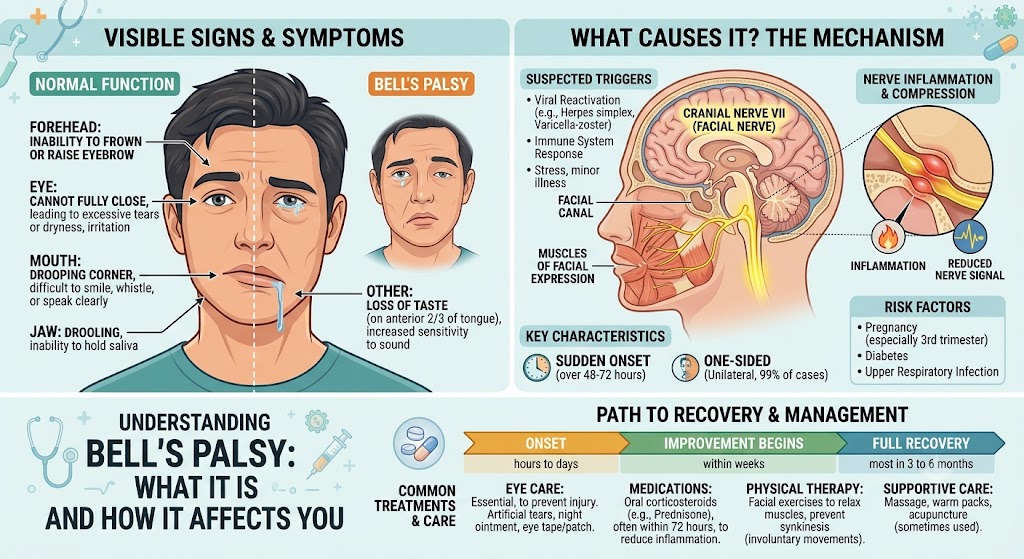
Bell’s palsy is a medical condition that causes sudden, temporary weakness or paralysis in the muscles on one side of the face. It happens due to swelling and irritation of the seventh cranial nerve, often linked to a viral infection. Most people start to get better in a few weeks and recover fully within six months. Many individuals experience sudden facial weakness, a condition known as Bell’s palsy. You might notice a drooping smile or difficulty closing one eye, impacting daily life. This condition affects your facial nerve, leading to temporary paralysis.
Primary Causes and Etiology of Bell’s Palsy
Viral infections and inflammatory triggers
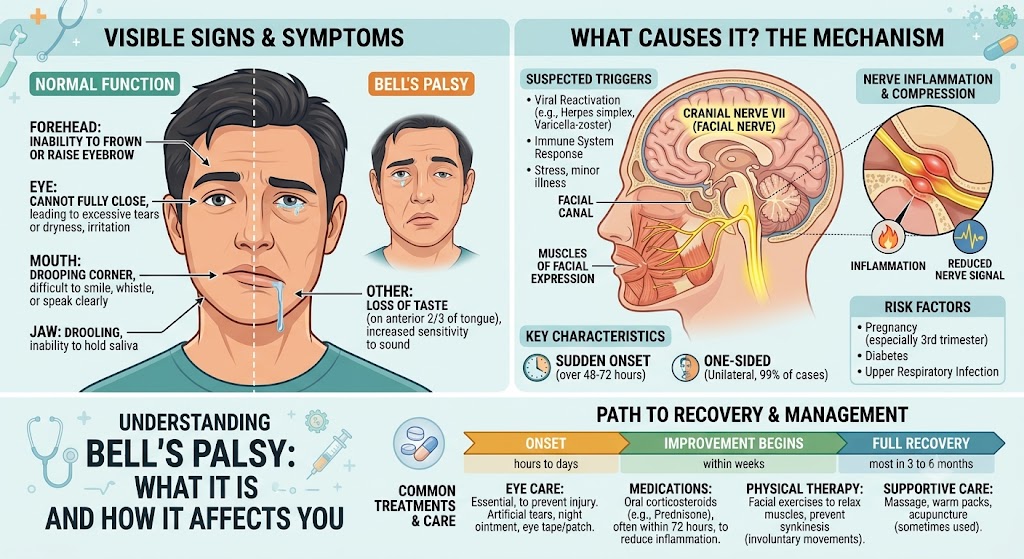
Viral infections represent a significant underlying factor in the development of Bell’s palsy, often initiating the inflammatory cascade that affects the facial nerve. Herpes simplex virus (HSV), the common cause of cold sores, is frequently implicated, with studies suggesting its presence in the geniculate ganglion of individuals experiencing facial paralysis. Reactivation of latent HSV, possibly triggered by stress or immune suppression, can lead to inflammation and swelling of the seventh cranial nerve. Other viruses also contribute to the etiology of Bell’s palsy, including the varicella-zoster virus (VZV), which causes chickenpox and shingles. When VZV reactivates in the facial nerve, it can result in Ramsay Hunt syndrome, a condition similar to Bell’s palsy but often accompanied by a painful rash in the ear canal or on the tongue. Epstein-Barr virus (EBV), responsible for mononucleosis, and cytomegalovirus (CMV) have also been identified in some cases. Inflammation, regardless of its viral origin, directly impacts the facial nerve’s function. Swelling within the narrow bony canal (Fallopian canal) through which the nerve passes can compress it, disrupting nerve signal transmission. This compression leads to the characteristic symptoms of facial weakness or paralysis, affecting muscles responsible for expressions like smiling, blinking, and wrinkling the forehead.
Facial nerve compression and trauma
Direct physical compression of the facial nerve is another primary mechanism leading to Bell’s palsy symptoms. The nerve’s path through the temporal bone, particularly within the unyielding Fallopian canal, makes it vulnerable to any increase in pressure. Even minor swelling from inflammation, as discussed, can lead to significant compression and subsequent nerve dysfunction. Trauma to the head or face, even seemingly minor impacts, can also contribute to nerve compression. A direct blow near the ear or jawline might induce swelling in the surrounding tissues, which then impinges on the facial nerve. Such mechanical stress can compromise blood flow to the nerve, further exacerbating its impairment and leading to the characteristic unilateral facial weakness. Surgical procedures in the head and neck region, particularly those involving the parotid gland or mastoid bone, carry a risk of facial nerve injury or compression. While surgeons take precautions, accidental manipulation or post-operative swelling can sometimes affect the nerve, leading to iatrogenic (medically induced) facial paralysis. This type of compression can manifest immediately after surgery or develop as swelling progresses in the days following the procedure.
Differential Diagnosis: Bell’s Palsy vs. Cerebral Palsy
Distinguishing peripheral nerve issues from central nervous system disorders
Differentiating between Bell’s Palsy and Cerebral Palsy requires a clear understanding of their origins. Bell’s palsy involves a unilateral facial paralysis resulting from inflammation or compression of the facial nerve, which is a peripheral nerve. The affected individual typically experiences sudden onset weakness or paralysis on one side of the face, impacting movements like smiling, blinking, or raising an eyebrow.
Cerebral palsy, by contrast, stems from nonprogressive brain damage that occurs during fetal development, at birth, or shortly after birth. This damage affects muscle control and coordination throughout the body, not just the face. The neurological deficits associated with cerebral palsy are central, originating from the brain itself, and manifest as a range of motor impairments, including spasticity, ataxia, or dyskinesia.
You will observe a key distinction in the presentation of symptoms: Bell’s palsy is characterized by a relatively acute onset of facial weakness, often developing over hours or a few days. Cerebral palsy, however, presents with chronic motor difficulties that typically emerge in infancy or early childhood, when children miss or achieve developmental milestones atypically.
Key diagnostic indicators for accurate identification
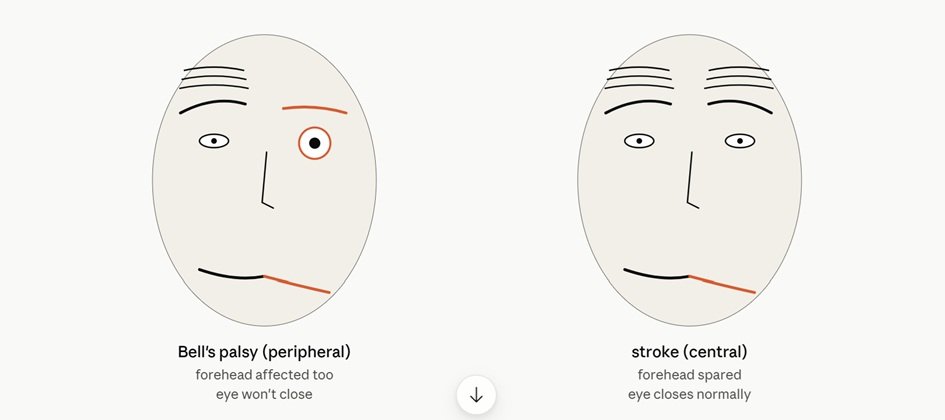
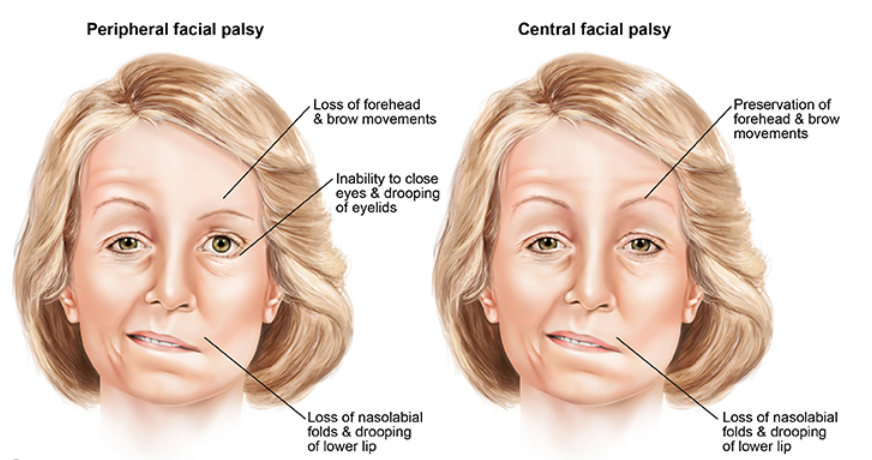
Observing the pattern of muscle weakness is usually the first step in distinguishing these conditions. With Bell’s Palsy, you will typically see complete paralysis or paresis affecting all branches of the facial nerve on one side, including the forehead. This means the individual cannot wrinkle their brow, close their eye tightly, or smile symmetrically on the affected side.
Cerebral palsy presents with a broader spectrum of motor deficits, which can include facial involvement, but the condition is usually part of a more generalized motor impairment. For example, someone with cerebral palsy might have spasticity in their limbs, trouble speaking (dysarthria), or trouble with balance and coordination, in addition to any facial asymmetry. The facial weakness in cerebral palsy is often less complete and may spare the forehead, a crucial difference from Bell’s palsy.
Consider the timing and progression of symptoms as well. Bell’s palsy has a sudden onset, often reaching its peak severity within 72 hours, and many individuals experience significant recovery within weeks or months. Cerebral palsy, conversely, involves motor impairments that are typically stable over time, though their manifestations can change as a child grows and develops.
Further diagnostic clarity comes from examining associated symptoms and patient history. Individuals with Bell’s Palsy may report pain behind the ear preceding the facial paralysis, altered taste sensation, or increased sensitivity to sound (hyperacusis). Cerebral palsy, however, may be associated with other developmental delays, seizures, or cognitive impairments, reflecting the broader impact of central nervous system damage. A detailed neurological examination and, in some cases, imaging studies like an MRI, can further confirm the diagnosis by revealing the presence or absence of brain lesions or nerve inflammation.
Conventional Treatment and Pharmacological Options
Standard Medical Protocols and Drug Therapy
When you receive a Bell’s palsy diagnosis, your doctor will likely discuss a course of conventional medical treatment. Corticosteroids, such as prednisone, are frequently prescribed to reduce inflammation and swelling of the facial nerve. Starting these medications within 72 hours of symptom onset generally offers the best chance for recovery, as early intervention can significantly impact the outcome. Antiviral medications, like acyclovir or valacyclovir, are sometimes prescribed in conjunction with corticosteroids, particularly if a viral infection, such as herpes simplex virus, is suspected as the underlying cause. While their effectiveness in Bell’s palsy treatment is debated, some practitioners believe they may offer an additional benefit, especially in severe cases. You might also receive pain relievers, such as ibuprofen or acetaminophen, to manage any discomfort or pain associated with the condition. Many individuals experience significant improvement with this combination of bell’s palsy medication, often seeing a return of facial function within a few weeks or months. You should always adhere strictly to the prescribed dosage and duration for these drugs, as improper use can lead to side effects or reduce their therapeutic efficacy.
Physical Therapy and Supportive Care
Physical therapy plays a significant role in your recovery from Bell’s palsy. You will often be guided through specific exercises designed to stimulate the facial muscles and prevent atrophy. These exercises might include gentle massages, facial stretches, and movements aimed at re-educating the muscles to respond correctly. Keeping your eye on the affected side is also a critical aspect of supportive care, as Bell’s palsy can prevent complete eyelid closure. You might be advised to use eye drops or artificial tears during the day to prevent dryness and irritation. At night, applying an eye patch or taping the eyelid shut can help protect the cornea from damage and maintain moisture. Beyond physical exercises, you might find relief from warm compresses applied to the affected side of your face, which can help soothe muscle stiffness and promote blood circulation. You can also learn techniques for facial muscle re-education, which involves consciously trying to move your facial muscles in front of a mirror to re-establish neural pathways. These combined efforts aim to restore symmetry and function to your face.
Integrative Approaches: The Role of Acupuncture in Treatment of Bell’s Palsy

Evaluating the efficacy of acupuncture in facial nerve recovery
Acupuncture offers a complementary pathway for individuals seeking relief from Bell’s palsy symptoms. This traditional Chinese medicine technique aims to stimulate nerve function and reduce inflammation by inserting fine needles into specific points on the body. Research indicates that acupuncture for Bell’s palsy can significantly contribute to facial nerve recovery, especially when initiated early in the condition’s progression. Many patients report improvements in facial muscle control and a decrease in associated pain after undergoing acupuncture sessions. The mechanism is thought to involve increased blood flow to the affected facial nerves, promoting regeneration and reducing the severity of paralysis. You might find that integrating acupuncture with conventional treatments yields more comprehensive results than either approach alone. Consider, for instance, a course of treatment involving regular acupuncture sessions over several weeks. This consistent stimulation of specific points can help re-educate facial muscles and improve the symmetry of your smile, eyebrow movement, and eyelid closure. Does acupuncture help Bell’s palsy? Clinical observations and patient testimonials frequently support its beneficial role in accelerating recovery.
Specific anatomical points for nerve stimulation
Acupuncturists target particular Bell’s palsy acupuncture points to maximize therapeutic effect. These points are often located along the pathways of the facial nerve and surrounding musculature. Common points include those around the eye, cheek, and jawline, which directly correspond to the areas affected by facial paralysis. For example, points such as St 7 (Xiaguan) and St 6 (Jiache) are frequently utilized, situated near the temporomandibular joint and along the jaw, respectively. Another important point is Gb 1 (Tongziliao), located at the outer corner of the eye, which addresses issues with eyelid closure and eye dryness. Targeting these specific points helps to stimulate the underlying nerves and muscles. You will also find points like Li 4 (Hegu) on the hand and Liv 3 (Taichong) on the foot often incorporated into treatment protocols. While not directly on the face, these distal points are believed to influence the flow of Qi (energy) throughout the body, providing a systemic effect that supports facial nerve recovery. The selection of points is always tailored to your individual presentation of Bell’s palsy.
Homeopathic Remedies and Therapeutic Applications for Bell’s Palsy

Principles of individualized homeopathic treatment
Homeopathy approaches Bell’s Palsy with an emphasis on the individual’s unique presentation of symptoms, rather than a one-size-fits-all protocol. Practitioners conduct a thorough case-taking, considering not only the physical paralysis but also any accompanying sensations, modalities (factors that make symptoms better or worse), and emotional states. This holistic assessment helps in identifying a remedy that matches the complete symptom picture. Understanding the person’s overall health and constitutional type plays a significant role in selecting the most appropriate homeopathic medicine. For example, some individuals might experience facial twitching along with the paralysis, while others might report a dry eye or an altered sense of taste. Each of these details guides the homeopath toward a different potential remedy. The principle of “like cures like” forms the foundation of homeopathic treatment, in which highly diluted substances that produce similar symptoms in healthy people are used to treat those same symptoms in ill people. This individualized approach ensures that the chosen homeopathic remedy aligns precisely with the specific manifestations of Bell’s palsy in each patient, aiming to stimulate the body’s self-healing mechanisms.
Selection of specific remedies for symptom management
Several homeopathic remedies are frequently considered for Bell’s palsy, each addressing a distinct set of symptoms.
*Causticum* is often indicated when there is gradual paralysis, particularly on the right side of the face, accompanied by a feeling of numbness and perhaps difficulty closing the eye. Patients needing *Causticum* might also experience a drawing sensation in the affected muscles.
*Nux vomica* might be considered for individuals whose Bell’s Palsy developed after exposure to cold, dry winds or from emotional stress, often presenting with twitching and irritability. The paralysis could be on either side, but the associated symptoms like digestive disturbances or hypersensitivity to stimuli further point to this remedy.
*Aconitum napellus* proves useful in cases where Bell’s palsy has a sudden onset, especially after exposure to cold, dry air or a fright. You might observe intense numbness and tingling, with the patient feeling anxious or restless. The rapid appearance of symptoms without a clear preceding illness is a key indicator for this particular homeopathic medicine.
Other remedies like *Gelsemium* are also employed, especially when the paralysis is marked by a feeling of heaviness and weakness, with little to no pain. The affected side of the face might feel droopy, and expressions become difficult, often accompanied by general fatigue and drowsiness.
Final Words
You have explored the multifaceted nature of Bell’s Palsy, a condition characterized by sudden facial muscle weakness or paralysis. Understanding its causes, which often link to viral infections like herpes simplex virus, provides a foundation for appreciating the range of treatment strategies available. Symptoms, such as the inability to close one eye, a drooping mouth, and difficulty with facial expressions, can significantly impact daily life, necessitating a comprehensive approach to recovery and management. Treatments for Bell’s Palsy span conventional medicine, including corticosteroids like prednisone and antiviral drugs, alongside complementary therapies. Acupuncture, for instance, offers a non-pharmacological option that some individuals find beneficial in stimulating nerve function and reducing inflammation. Your consideration of these diverse approaches, from medication to physical therapy, reflects a holistic perspective on managing the condition and supporting your recovery journey. Homeopathy, another complementary modality, provides individualized remedies based on your specific symptom presentation. While conventional treatments focus on addressing inflammation and viral activity, homeopathic practitioners aim to stimulate the body’s self-healing mechanisms. You have several options for managing Bell’s palsy, each with its philosophy and method of application, allowing for a personalized treatment plan tailored to your unique needs and preferences.
FAQ

Q: What exactly is Bell’s palsy?
A: Bell’s palsy is a form of temporary facial paralysis resulting from damage or trauma to the facial nerves. The condition typically affects only one side of the face, leading to a sudden weakness in the muscles that control facial expressions, such as smiling or closing an eye. This neurological disorder is named after Scottish anatomist Charles Bell, who first described the condition in the 19th century.
Q: What are the primary causes of Bell’s palsy?
A: The precise cause of Bell’s palsy is often unknown, though it is strongly associated with viral infections. Reactivation of the herpes simplex virus (HSV), the same virus that causes cold sores, is a leading theory. Other viruses, including those responsible for chickenpox, shingles (varicella-zoster virus), Epstein-Barr virus (mononucleosis), and the flu, have also been implicated. Inflammation and swelling around the facial nerve, often triggered by these viral infections, can compress the nerve within its bony canal, leading to its dysfunction.
Q: What are the common symptoms of Bell’s palsy?
A: Symptoms of Bell’s palsy typically appear suddenly and can worsen over a few days. Individuals may experience a rapid onset of mild weakness to total paralysis on one side of the face. A drooping appearance of the mouth, an inability to close the eye on the affected side, and difficulty making facial expressions are characteristic. Some patients also report pain around the ear, increased sensitivity to sound (hyperacusis), a loss of taste, or changes in tear and saliva production. The affected eye may become dry, requiring lubricating eye drops to prevent corneal damage.
Q: How does Bell’s palsy differ from cerebral palsy?
A: Bell’s palsy is distinctly different from cerebral palsy. Bell’s palsy is an acute, usually temporary condition affecting the facial nerve, resulting in unilateral facial paralysis. Cerebral palsy, in contrast, is a group of permanent neurological disorders that appear in early childhood, affecting muscle movement, coordination, and posture. Cerebral palsy is caused by damage to the developing brain, often before or during birth, and its effects are typically more widespread, impacting various motor functions throughout the body, not just the face.
Q: Can acupuncture help individuals with Bell’s palsy?
A: Many individuals explore acupuncture as a complementary therapy for Bell’s palsy. This traditional Chinese medicine technique involves inserting thin needles into specific points on the body to stimulate nerves and muscles. For Bell’s palsy, acupuncture aims to reduce inflammation, improve blood circulation to the affected facial nerve, and promote nerve regeneration. Practitioners often target points around the face, ear, and neck to help restore muscle function and alleviate pain. Early intervention with acupuncture, ideally within the first few weeks of symptom onset, is often suggested for potentially better outcomes.
Q: What homeopathic remedies are typically used for Bell’s palsy?
A: Homeopathic treatment for Bell’s Palsy focuses on individualized remedies based on the patient’s specific symptoms and overall constitution. Some commonly considered homeopathic remedies include *Causticum*, often indicated for paralysis that develops slowly, particularly on the right side, with a feeling of numbness or stiffness. *Gelsemium* may be suggested for cases with sudden onset, marked by weakness, dizziness, and a heavy, droopy sensation in the eyelids. *Aconitum napellus* could be considered if symptoms appear suddenly after exposure to cold, accompanied by fear or anxiety. *Arnica montana* might be used if there is a history of trauma or injury preceding the paralysis, helping to reduce inflammation and bruising. A qualified homeopath will assess the totality of symptoms to determine the most appropriate remedy and potency for each individual case.
Q: What is the typical recovery time for Bell’s palsy?
A: The recovery time for Bell’s palsy varies significantly among individuals. Most people begin to see improvement within two to three weeks after the onset of symptoms, and full recovery often occurs within three to six months. Approximately 85% of individuals experience a complete recovery, especially with prompt treatment. A smaller percentage, around 15%, may experience some residual weakness or long-term complications, such as synkinesis (involuntary muscle movements when attempting other facial movements) or persistent facial asymmetry. Factors influencing recovery include the severity of nerve damage and the individual’s overall health status.
Holistic Treatment for Bell’s palsy in Philadelphia
Finding the best acupuncturist to treat Bell’s palsy is crucial. An inexperienced practitioner may use too much stimulation, which causes facial muscle contraction. An acupuncturist who works under the supervision of a medical doctor would be your best choice. Understanding the anatomy and physiology of 12 pairs of cranial nerves is essential in treating Bell’s palsy. Don’t settle for less—get the best. Please enter the Google search box keyword “treatment for Bell’s palsy near me” and see our clinic at the top of the page.

At the Philadelphia Acupuncture Clinic, all treatments were performed under the strict supervision of Victor Tsan, MD. With more than 40 years of experience in medicine and surgery, Dr. Tsan helps his associates with diagnostic and treatment protocols. Each patient at Philadelphia Homeopathic Clinic must see Dr. Tsan before treatment with any of his associates. This is our rule, and we are staying with our patients.
Contact our clinic at 267-403-3085 for your appointment, or use our online scheduling application.