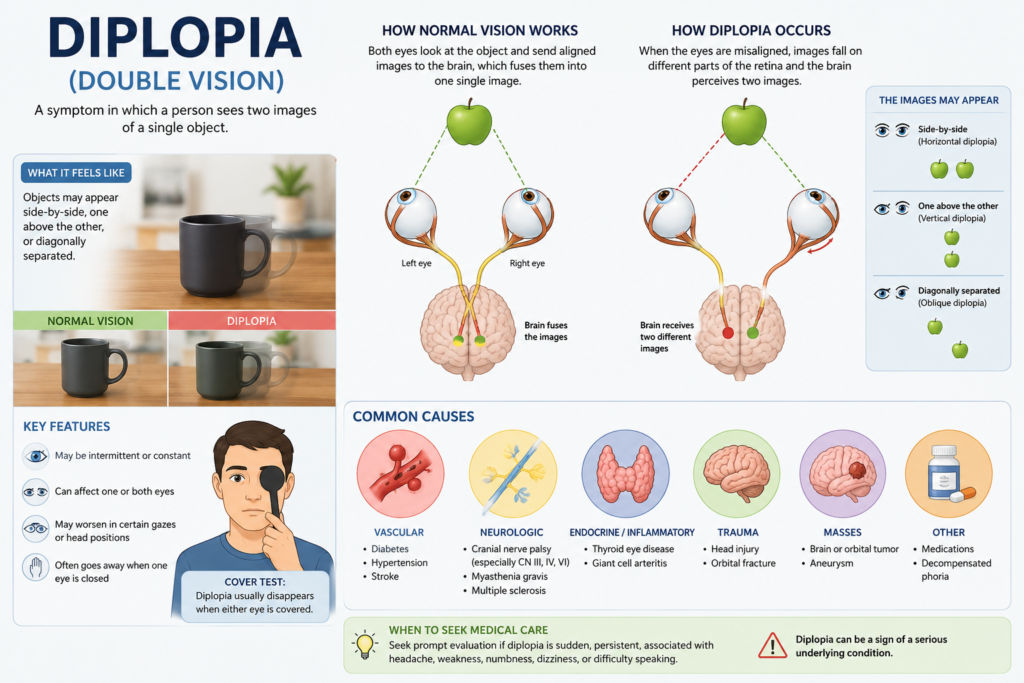
Double Vision (Diplopia)
There’s nothing quite like seeing two of everything, a condition medically known as double vision or diplopia. You might experience this unsettling visual symptom, where a single object appears as two. Understanding the diplopia definition, its various types, underlying causes, and effective treatment options is imperative for you to regain clear vision.
Primary Classifications of Diplopia (Double Vision)
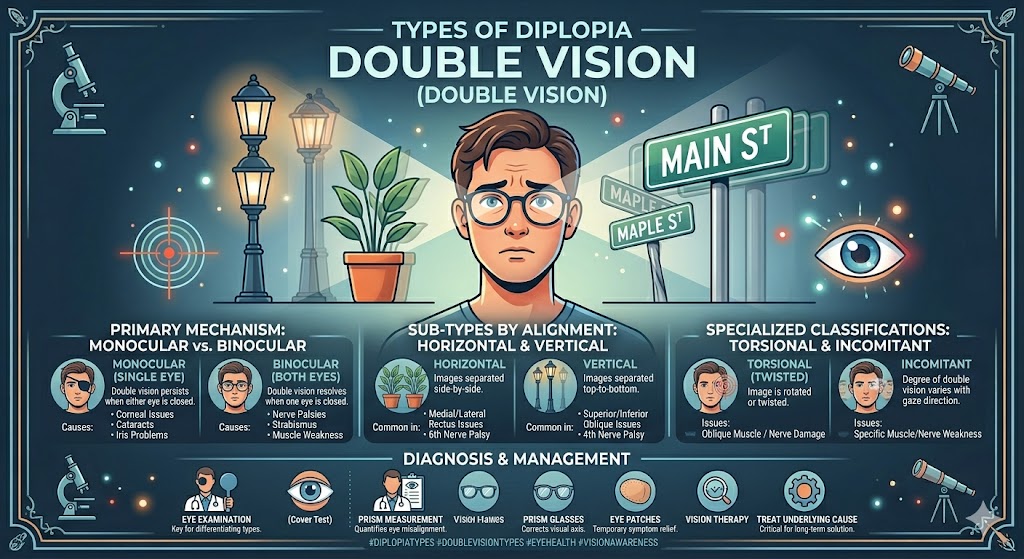
Exploring the fundamental classifications of diplopia helps you understand the various ways this visual disturbance can manifest. You typically encounter two main types of diplopia: binocular diplopia and monocular diplopia. Each type points to different underlying causes and requires distinct diagnostic approaches. Identifying which category your double vision falls into is the first critical step towards effective management and treatment.
When you understand binocular diplopia, you will find that it resolves when one eye is covered. This indicates a misalignment of the eyes, where both eyes are receiving different images that the brain cannot fuse into a single perception. Conditions affecting eye muscles, nerves controlling eye movement, or the brain’s coordination centers are often responsible for binocular diplopia, necessitating a thorough neurological and ophthalmic examination.
Conversely, monocular diplopia persists even when the unaffected eye is covered, meaning the problem lies within a single eye. This form of double vision is less common but can stem from issues like cataracts, corneal irregularities, or problems with the retina. You might experience monocular diplopia as a ghosting or shadowing effect rather than two distinct images, distinguishing it from the more pronounced separation seen in binocular cases.
Distinguishing Monocular from Binocular Diplopia Presentations
Determining whether your double vision is monocular or binocular is straightforward and can be performed with a simple test. You can easily differentiate between these two primary types of diplopia by covering one eye at a time. If the double vision disappears when either eye is covered, you are experiencing binocular diplopia, indicating an issue with eye alignment.
If, however, the double vision persists even after covering one eye, you are dealing with monocular diplopia. This means the problem originates within the uncovered eye itself, suggesting an intrinsic issue with that particular eye’s optics or internal structures. This distinction is paramount for guiding further diagnostic investigations and pinpointing the exact cause of your visual disturbance.
Knowing this initial classification significantly narrows down the potential causes and directs your healthcare provider towards the most appropriate specialists. For instance, binocular diplopia often necessitates evaluation by a neurologist or an ophthalmologist specializing in strabismus, while monocular diplopia typically points to an ophthalmologist focused on anterior segment diseases or retinal conditions.
Understanding Vertical Deviations and Rare Variants of Diplopiia
Beyond the primary classifications, you might encounter specific manifestations like vertical diplopia, where one image appears above the other. This particular type of binocular diplopia often indicates an imbalance in the vertical eye muscles or the nerves controlling them. Vertical diplopia can be particularly disorienting, impacting your depth perception and daily activities.
Rare variants of diplopia also exist, such as “diplopia isaac,” which presents particular difficulties with diagnosis and treatment. While less common, these specific presentations require specialized knowledge and diagnostic tools to accurately identify their underlying etiology. You should always provide your doctor with a detailed description of how you perceive the double images to help in this process.
The complexity of vertical diplopia and other rare forms emphasizes the necessity of a comprehensive eye examination by an experienced ophthalmologist or neuro-ophthalmologist. They can utilize specialized tests to identify muscle imbalances or neurological deficits contributing to these less common forms of double vision. Your detailed account of symptoms, including the orientation and separation of the images, is crucial for an accurate diagnosis.
Further investigation into vertical diplopia might involve prism testing to measure how much the eyes are misaligned vertically or even specialized imaging techniques to examine the eye muscles and their innervation. Understanding these specific deviations helps your doctor tailor a treatment plan, which could range from prism glasses to surgical intervention, aiming to restore proper eye alignment and single vision.
Identifying the Root Causes of Double Vision
Understanding the underlying reasons for double vision is the first step toward effective management. You might experience diplopia due to issues within the eye itself, problems with the muscles that control eye movement, or even neurological conditions affecting the brain’s ability to process visual information. Pinpointing the exact cause of diplopia often requires a comprehensive evaluation, as the symptom can manifest from a wide array of physiological disruptions. This thorough investigation helps differentiate between benign and more serious conditions that require immediate attention. Investigating the various causes of double vision reveals a complex interplay of factors. You could be experiencing monocular diplopia, where double vision persists even when one eye is closed, often stemming from issues like cataracts, astigmatism, or dry eye syndrome. Binocular diplopia, which disappears when one eye is covered, points to problems with eye alignment or the coordination between both eyes. These distinct categories of diplopia guide specialists in narrowing down the potential culprits, ensuring a more focused diagnostic approach to uncover what can cause double vision. Discovering the specific origin of your double vision is paramount for appropriate treatment. Causes of diplopia range from relatively minor conditions, such as uncorrected refractive errors, to more severe issues like nerve damage or brain tumors. Your medical history, along with a detailed description of your symptoms—including when the double vision started, if it’s constant or intermittent, and if it’s horizontal, vertical, or oblique—provides valuable clues. This initial information helps healthcare providers formulate a strategy for identifying the root cause and developing a personalized treatment plan for you.
Systemic Health and Lifestyle Factors
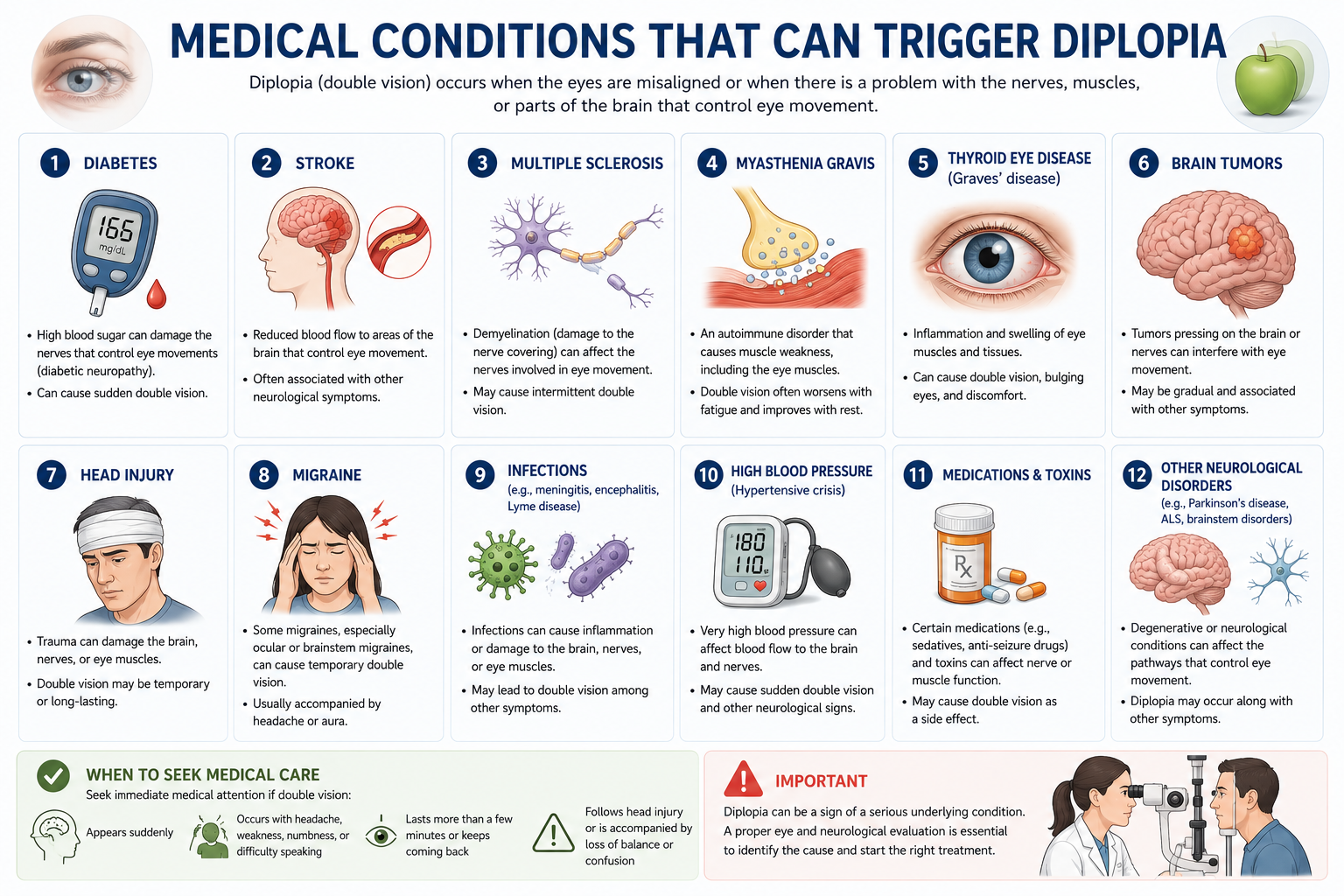 Your overall health significantly influences the likelihood of experiencing double vision. Certain systemic diseases, such as diabetes, can damage the small blood vessels supplying the nerves that control eye movement, leading to conditions like diabetic oculomotor palsy. Thyroid disorders, particularly Graves’ disease, can cause inflammation and enlargement of the eye muscles, resulting in misalignment and double vision. You might also discover that autoimmune conditions, like myasthenia gravis, directly affect the communication between nerves and muscles, manifesting as fluctuating diplopia. Lifestyle choices and habits also contribute to the development of double vision in some individuals. Excessive alcohol consumption can temporarily impair coordination and muscle function, leading to transient diplopia. Certain medications, including anticonvulsants and antihistamines, are known to have side effects that include visual disturbances like double vision. You should always discuss your medication regimen with your doctor if you experience new onset diplopia. Neurological conditions, while not strictly lifestyle factors, often have systemic health implications that can lead to double vision.
* Multiple sclerosis, a demyelinating disease, can affect the nerve pathways responsible for eye movement.
* Strokes or transient ischemic attacks (TIAs) in specific brain regions can disrupt the brain’s ability to coordinate the eyes.
* Brain tumors or aneurysms can exert pressure on nerves or brain areas involved in vision. Any of these systemic or neurological factors can be a primary cause of diplopia.
Diagnostic Procedures for Underlying Conditions
A thorough eye examination is the starting point for diagnosing the cause of your double vision. You will likely undergo tests to assess your visual acuity, eye muscle movements, and pupil reactions. Specialized equipment might be used to measure eye alignment and detect any subtle deviations, providing critical information about binocular vision. This initial assessment helps differentiate between ocular and neurological origins of your symptoms. Further diagnostic steps often involve imaging studies to visualize the structures of your brain and orbits. You might be referred for a magnetic resonance imaging (MRI) scan to detect brain tumors, strokes, or multiple sclerosis lesions that could be affecting the nerves controlling eye movement. Computed tomography (CT) scans are useful for identifying orbital fractures, thyroid eye disease, or other structural abnormalities around the eyes. These imaging techniques provide a detailed view of the underlying anatomy. Blood tests are frequently ordered to screen for systemic conditions that cause double vision. You might have tests for diabetes, thyroid function, or autoimmune markers if your doctor suspects a systemic disease. These laboratory investigations help confirm or rule out conditions like Graves’ disease or myasthenia gravis, which are known causes of diplopia. The combination of comprehensive eye exams, advanced imaging, and targeted blood tests allows for a precise diagnosis of the root cause of your double vision.
Neurological and Medication-Induced Triggers
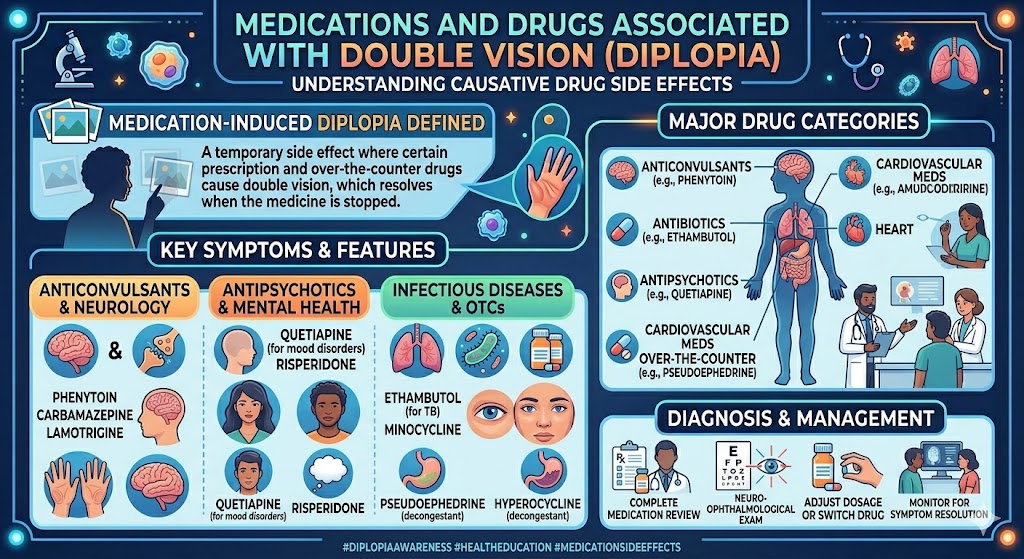 You might find that your double vision stems from underlying neurological conditions, which directly impact the intricate pathways responsible for eye movement and coordination. Conditions like multiple sclerosis (MS) can cause diplopia by damaging the myelin sheath around nerve fibers, disrupting the signals sent to your eye muscles. Understanding these connections is necessary for identifying the root cause of your double vision and guiding effective treatment strategies. Certain medications can also induce double vision as an adverse effect, temporarily interfering with your visual system. For instance, muscle relaxants like Robaxin (methocarbamol) are known to cause diplopia in some individuals, altering the normal communication between your brain and eye muscles. Identifying drug-induced diplopia often involves reviewing your current prescriptions and considering potential alternatives or dosage adjustments with your healthcare provider. Vascular issues, such as an aneurysm, represent another serious neurological cause of double vision, exerting pressure on cranial nerves that control eye movement. An aneurysm can lead to sudden-onset diplopia, requiring immediate medical attention to prevent further complications. You should be aware that prompt diagnosis and treatment for double vision from an aneurysm are critical for preserving vision and overall neurological health.
Impact of Multiple Sclerosis on Visual Path
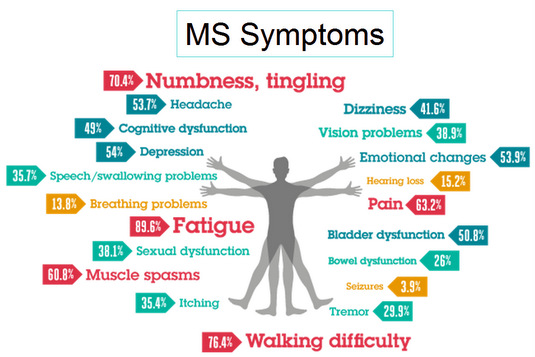
Multiple Sclerosis (MS) frequently manifests with visual disturbances, and double vision is a common symptom you might experience. This autoimmune disease attacks the central nervous system, including the optic nerves and the brain regions responsible for coordinating eye movements. Demyelination, the destruction of the protective myelin sheath, disrupts the electrical signals that allow your eyes to work together. You might notice that the double vision in MS can be intermittent or persistent, varying in intensity depending on the specific areas of demyelination. Lesions in the brainstem, which houses the cranial nerves controlling eye movement (oculomotor, trochlear, and abducens nerves), are particularly prone to causing diplopia. These lesions interfere with the precise synchronization required for single vision. Fortunately, treatment for double vision in MS often involves managing the underlying disease activity and addressing the symptoms directly. Corticosteroids can reduce acute inflammation and speed recovery during relapses, while prism glasses or patching one eye can provide symptomatic relief. Your neurologist will work with you to find the most effective approach to alleviate your double vision.
Adverse Effects of Muscle Relaxants and Vascular Issues
Muscle relaxants, while beneficial for alleviating muscle spasms, can sometimes induce double vision as a side effect, impacting your visual clarity. Robaxin (methocarbamol), a commonly prescribed muscle relaxant, is known to cause diplopia in some individuals by affecting the nerve signals that control eye movement. You might find that this type of double vision typically resolves once the medication is discontinued or the dosage is adjusted. You should be aware that the mechanism behind muscle relaxant-induced diplopia often involves a temporary disruption in the precise coordination between your eye muscles. The medication can interfere with the finely tuned communication required for your eyes to focus on the same point simultaneously. This imbalance can lead to the perception of two images instead of one. Vascular issues, such as an aneurysm, present a more urgent and serious cause of double vision, requiring immediate medical intervention. An aneurysm, a bulging or ballooning of a blood vessel, can press on the cranial nerves that control eye movement, leading to the sudden onset of diplopia. Your prompt recognition of this symptom is crucial for timely diagnosis and treatment. An aneurysm causing double vision, particularly if it’s compressing the third cranial nerve (oculomotor nerve), can also be accompanied by a drooping eyelid (ptosis) and a dilated pupil. This specific presentation indicates a potentially life-threatening condition that necessitates immediate neurosurgical evaluation. Treatment for double vision from an aneurysm often involves surgical clipping or endovascular coiling to prevent rupture and relieve pressure on the affected nerve.
Surgical Complications and Trauma-Related Scenarios
Occasionally, you might experience diplopia as an unforeseen outcome of surgical procedures or a consequence of traumatic events. Addressing these specific scenarios requires a tailored approach, as the underlying mechanisms causing the double vision can vary significantly. Understanding the origin of your diplopia is the first step toward finding an effective solution that can restore your clear, single vision. You may find that double vision, whether monocular or binocular, can emerge following interventions meant to improve your health or after an accident. These situations often pose unique obstacles to diagnosis and treatment, necessitating careful evaluation by an ophthalmologist or neuro-ophthalmologist. Your treatment plan will depend on the precise nature of the surgical complication or the specific area of the brain affected by trauma. Identifying the exact cause of your post-surgical or post-traumatic diplopia is paramount for effective management. Whether it’s a subtle shift in ocular alignment after an operation or a more complex neurological disruption from a head injury, a thorough diagnostic workup will guide the most appropriate therapeutic interventions. You should always seek expert medical advice to ensure the best possible outcome for your vision.
Visual Disturbances Following Ocular Surgery
Experiencing double vision after cataract surgery can be unsettling, but it is often manageable. This type of diplopia can occur due to various reasons, such as a misaligned intraocular lens (IOL) or pre-existing strabismus that becomes more apparent after cataract removal. Your ophthalmologist will carefully assess your vision to determine the precise cause. Treatment for double vision after cataract surgery often involves conservative measures initially. You might find relief with prism glasses, which can help realign the images your brain receives, or through vision therapy exercises designed to improve eye coordination. In some cases, if the IOL is significantly decentered, surgical repositioning or exchange might be considered. Your doctor will monitor your vision closely to ensure that the diplopia resolves or significantly improves over time. Patience is key, as your eyes and brain adjust to the changes brought about by the surgery. Open communication with your eye care professional about your symptoms is important for guiding your treatment plan effectively.
Managing Diplopia After Vascular Embolization or Head Trauma
Double vision can happen after complex procedures like embolization of an arteriovenous malformation (AVM), which is a treatment that blocks blood flow to abnormal vessels in the brain. This form of diplopia often stems from the procedure affecting neurological pathways or from the AVM itself. Your neuro-ophthalmologist will work to understand the specific neurological impact. Treatment for double vision after embolization of an AVM typically focuses on addressing the underlying neurological disruption. This could involve prism lenses to correct image displacement, or in some instances, therapies aimed at strengthening eye muscles or improving neural communication. Each case is unique, requiring a personalized approach to restore comfortable vision. You might also experience monocular diplopia due to brain injury, even if the eyes themselves appear healthy. This type of double vision is not caused by misaligned eyes but rather by a disruption in how the brain processes visual information from a single eye. Your rehabilitation team will consider various strategies to help your brain re-learn how to interpret visual input correctly. For monocular diplopia due to brain injury, treatment often involves a multi-faceted approach. This can include specialized vision therapy exercises designed to retrain your brain’s visual processing centers, as well as the use of therapeutic filters or patches to modify the visual input. Your neurological team will collaborate with vision specialists to develop a comprehensive rehabilitation plan tailored to the specific areas of your brain that have been affected by the injury, aiming to improve your visual clarity and reduce the perception of double images.
Standard Clinical Treatment Modalities for Double Vision
Addressing double vision, whether it’s a persistent annoyance or a sudden concern, requires a tailored approach based on its underlying cause. You will find that effective treatment for double vision hinges on a precise diagnosis, often involving a comprehensive eye examination and possibly further neurological assessments. Your treatment plan will vary significantly depending on whether you are experiencing binocular double vision, where both eyes contribute to the double image, or monocular diplopia, which occurs in just one eye. Understanding the specific type of diplopia you have is the first step towards finding relief and restoring clear vision. Your journey to clearer vision will often begin with conservative measures, especially for less severe cases or those with identifiable, treatable causes. For instance, sometimes simple corrective lenses or prisms can effectively manage certain types of double vision. Your eye care professional will carefully evaluate your unique situation, considering factors like the severity of your symptoms, your overall health, and any co-existing medical conditions. The goal is always to not only alleviate the double vision but also to address the root cause, ensuring a more lasting solution. Some cases of double vision may resolve on their own, especially if temporary or related to fatigue. However, persistent double vision always warrants medical attention to rule out serious underlying conditions. Your doctor will discuss all available options, from optical aids to surgical interventions, providing you with a clear roadmap for treatment. The comprehensive management of your double vision is paramount to improving your quality of life and preventing potential complications.
Corrective Approaches for Binocular Misalignment
Correcting binocular double vision often focuses on realigning your eyes to work together harmoniously. You may find that prism lenses are a highly effective initial treatment for binocular double vision, especially when the misalignment is relatively stable and constant. These specialized lenses bend light in a way that shifts the image seen by one eye, allowing the two images to fuse into a single, clear perception. Your optometrist will determine the precise prism strength and orientation needed to compensate for your specific eye deviation. Eye exercises, sometimes referred to as vision therapy, can also play a role in improving eye muscle coordination and reducing the effects of binocular double vision. Your therapist will guide you through a series of exercises designed to strengthen weaker eye muscles or improve the communication between your eyes and brain. These exercises are often most beneficial for conditions like convergence insufficiency, where your eyes struggle to turn inward to focus on near objects. Consistency with these exercises is key to achieving optimal results. Surgical intervention, specifically strabismus surgery, is considered when prism lenses or vision therapy do not adequately resolve binocular double vision or when the misalignment is significant. This procedure involves adjusting the length or position of the eye muscles to correct the deviation and improve eye alignment. Your ophthalmologist will carefully assess the extent of your misalignment and discuss whether surgery is the most appropriate treatment for your double vision, aiming to restore proper eye coordination and eliminate the double image.
Targeted Interventions for Single-Eye Vision Impairment
Treating monocular diplopia, which manifests as double vision in one eye, primarily involves addressing the specific issue within that eye. You will discover that a common cause of monocular diplopia is astigmatism, an irregularity in the curvature of your cornea or lens. Corrective lenses, such as eyeglasses or contact lenses, are typically the first line of treatment for double vision in one eye caused by astigmatism, effectively reshaping the light entering your eye to create a single, clear image. Regular eye exams ensure your prescription remains accurate. Cataracts, a clouding of the eye’s natural lens, can also lead to monocular diplopia, as the cloudy lens scatters light unevenly. Your ophthalmologist will likely recommend cataract surgery as the most effective treatment for double vision in one eye when cataracts are the cause. During this procedure, the cloudy lens is removed and replaced with a clear artificial intraocular lens, restoring clear vision and eliminating the double image. This is a very common and successful surgical intervention. Other localized eye conditions can also contribute to monocular diplopia, such as corneal irregularities, dry eyes, or retinal issues. Your eye care professional will conduct a thorough examination to pinpoint the exact cause of your double vision in one eye. Treatment will then be tailored to that specific condition, which could involve medicated eye drops for dry eyes, specialized contact lenses for corneal irregularities, or, in some cases, laser treatments for certain retinal problems. Your eye care professional will carefully investigate the specific cause of your monocular diplopia. This comprehensive approach ensures that the chosen treatment for double vision in one eye directly targets the underlying problem, whether it’s a simple refractive error, a developing cataract, or a more complex ocular surface or retinal condition.
Alternative and Home-Based Management of Double Vision
Exploring complementary approaches can offer additional avenues for managing diplopia, particularly when conventional treatments are ongoing or when seeking supportive care. You might find that certain alternative therapies, when integrated thoughtfully, can contribute to your overall well-being and potentially alleviate some symptoms associated with double vision. Always discuss any alternative or home-based treatments with your healthcare provider to ensure they are safe and appropriate for your specific condition and do not interfere with prescribed medications or therapies. Considering various holistic methods can provide a broader spectrum of options for addressing the discomfort and challenges of double vision. You have several choices, from ancient practices like acupuncture to the subtle remedies of homeopathy, all aimed at supporting your body’s natural healing processes. These approaches often focus on treating the individual as a whole, rather than just the symptom, which can be particularly beneficial for complex conditions like diplopia. Many individuals seek out these alternative strategies as a way to enhance their quality of life while living with double vision. You may discover that a combination of these approaches, tailored to your unique needs, can help you better cope with your symptoms and improve your daily functioning. The key is to approach these options with an open mind and a commitment to working collaboratively with your medical team.
Integrative Medicine and Specialized Therapies for Double Vision
Individuals often explore acupuncture, a traditional Chinese medicine practice, to relieve various conditions, including diplopia. Practitioners insert fine needles into specific points on the body, aiming to rebalance energy flow and promote healing. You might find this ancient therapy appealing as a way to potentially reduce eye strain or improve muscle coordination, though scientific evidence specifically for diplopia is still developing. Ophthalmologists and optometrists often recommend specialized therapies, such as vision therapy, to help retrain your eyes and brain to work together more effectively. These therapies involve a series of exercises designed to improve eye tracking, focusing, and coordination, which can be particularly beneficial for certain types of double vision. You might engage in activities that strengthen eye muscles or improve binocular vision under the guidance of a trained professional. Homeopathic treatments for diplopia involve highly diluted substances aimed at stimulating the body’s self-healing mechanisms. A homeopathic practitioner will conduct a thorough consultation to select a remedy that matches your individual symptoms and overall health profile. You may find this gentle approach appealing if you are looking for a non-invasive treatment option that considers your complete symptom picture.
Self-Care Strategies and Homeopathic Options for Diplopia
Daily self-care practices can play a significant role in managing double vision and supporting your overall eye health. You can implement simple strategies at home, such as ensuring adequate rest for your eyes, taking regular breaks during screen time, and maintaining proper lighting to reduce strain. These small adjustments can make a noticeable difference in your daily comfort and reduce the severity of your symptoms. Exploring homeopathic remedies for diplopia involves a personalized approach, where a practitioner selects remedies based on your specific symptoms and constitution. You might be recommended a particular remedy designed to address the underlying causes or symptomatic manifestations of your double vision. The aim is to stimulate your body’s innate healing response rather than directly suppress symptoms. Another self-care strategy involves incorporating specific eye exercises into your routine, often recommended by eye care professionals. These exercises can help improve eye muscle strength and coordination, potentially reducing the impact of double vision. You should consult your doctor or an eye therapist to determine which exercises are appropriate for your specific type of diplopia. When considering homeopathic treatment for double vision, it’s important to understand that these remedies are highly individualized. A qualified homeopath will assess not just your diplopia symptoms, but also your general health, lifestyle, and emotional state to determine the most suitable remedy. This holistic approach aims to address the root cause of the imbalance rather than just the symptom itself, offering a complementary path to managing your condition.
Natural remedies are an effective way to treat diplopia. An examination and assessment by an ophthalmologist and neurologist is necessary prior to starting homeopathic treatment for diplopia. A thorough case analysis is required before taking medication from a homeopath; self-prescription is not advised. Gelsemium, Arnica, Zincum Met, Causticum, Natrum Mur, Phytolacca, Belladonna, Syphilinum, and Pulsatilla are the most commonly used homeopathic remedies for diplopia. They work magically if prescribed based on the “like cures like” philosophy.
1. Gelsemium: For headache and diplopia
Yellow jasmine, or Gelsemium Sempervirens, is a plant whose bark is used to make gelsemium. This plant belongs to the Loganiaceae natural order. When combined with a headache, gelsemium helps with diplopia. There is pain across the forehead and above the eyes. The area surrounding the skull feels like a band. There is a noticeable fullness in the head. When looking sideways, people who require gelsemium typically experience double vision. When moved, the eyeballs hurt, and vertigo may be present. Ptosis, or drooping eyelids, may occur in a few instances. Both impaired vision and ocular heaviness are present. This treatment is also recommended for astigmatism and diplopia.
2. Arnica: For Diplopia in Eye Injury (Bruise)
The root of the plant Arnica Montana, which belongs to the natural order Compositae, is used to make arnica. When diplopia results from an eye injury (bruise around the eye), arnica can help. Vertigo is a symptom of double vision that worsens as one looks down. The eye is red, swollen, aching, and sore. The form of eye pain might be tearing or shooting. Additionally, there is a sense of heavy weight in the eyes. In addition to the symptoms listed above, a headache could also be present.
3. Zincum Met: For Squint and Diplopia
For diplopia with a squint, Zincum Met is a useful medication. When Zincum Met is needed, double vision affects the left eye more than the right. The objects may appear enlarged in addition to having double vision. Dim vision and weak eyes are possible. One may also have eye pain. Another associated symptom is dry eyes.
4. Causticum: For Ptosis and Diplopia (Droopy Eyelids)
When ptosis (drooping eyelids) is present, causticum can help with diplopia. Eyelids are hefty. Where Causticum is advised, diplopia may worsen when gazing sideways. There could be a sharp discomfort in the eyes. There is dryness in the eyes. Additionally, eyes may be light-sensitive.
5. Natrum Mur: For Weak Eyes and Diplopia
Natrum Mur is recommended for weak-eyed diplopia. When reading or writing, the eyes become strained and fatigued. The muscles in the eyes may weaken and vision may become blurry. The eyes hurt and the eyelids feel heavy.
6. Phytolacca: For Vertigo and Diplopia
The plant Phytolacca Decandra, which belongs to the natural order Phytolaccaceae, is used to make phytolacca. One important medication for diplopia accompanied by vertigo is phytolacca. There is frequently a headache as well. Dimness of vision, light sensitivity, and dull eye ache are all present.
7. Belladonna: For Eye Pain and Diplopia
The plant used to make belladonna is called Deadly Nightshade and belongs to the Solanaceae natural order. Belladonna provides assistance for diplopia accompanied by eye pain. Double vision may also cause the items to feel distorted. Deep in the eyes, the pain may be shooting, agonizing, or stinging. Movement exacerbates the eye pain. The eyes feel dry and burning, and there is a noticeable sensitivity to light. Along with inflammation or corneal ulcers, there could be pain in the forehead and temple area.
8. Syphilinum: For Vertical Diplopia
For the treatment of vertical diplopia, syphilinum is highly recommended. When Syphilinum is needed, one image of an object appears lower than the other. There may be eye pain, which is worst at night. Strabismus and drooping eyelids are possible additional accompanying problems.
9. Pulsatilla: For Diplopia in the Horizontal
The plant Pulsatilla Nigricans, which belongs to the natural order Ranunculaceae, is used to make pulsatilla. When horizontal diplopia occurs, pulsatilla is a helpful medication. A few attendant signs of double vision in situations where Pulsatilla is recommended include light sensitivity, eye stitching, eye pressure, and dry eyes. In certain instances, keratoconus complaints may be present.
To wrap up
Hence, a comprehensive understanding of diplopia is key to effective management. You’ve noticed that treatment strategies are as varied as the causes themselves, ranging from simple corrective lenses to complex surgical interventions. For instance, if you’re experiencing monocular diplopia, an optometrist might prescribe specialized glasses or contact lenses to correct refractive errors or address issues with the cornea. Binocular diplopia, often more intricate, may necessitate prism lenses to realign images or even surgical procedures to adjust extraocular muscle function.
Your journey to understanding diplopia highlights the importance of an accurate diagnosis. You’ve learned that a thorough eye examination, potentially including neurological assessments, is important to pinpoint the underlying cause. Once you identify the root issue, your healthcare provider can tailor a treatment plan specifically for you. This might involve treating conditions like thyroid eye disease with medication or addressing nerve palsies through a combination of observation and targeted therapies.
You can find relief from double vision through various approaches. Your treatment will always depend on the specific type and cause of your diplopia, emphasizing the personalized nature of care. Whether it involves optical aids, medication, or surgical intervention, the goal remains the same: to restore clear, single vision and improve your quality of life. Always consult a qualified eye care professional to determine the most appropriate course of action for your unique situation.
FAQ

Q: What is double vision (diplopia) and how does it manifest?
A: Double vision, medically known as diplopia, is the perception of two images of a single object. These two images can appear side-by-side, one above the other, or diagonally offset. The clarity of these images can vary; sometimes they are distinct, while at other times one image might be fainter or ghost-like. Diplopia indicates an underlying issue affecting the visual system, ranging from problems within the eye itself to issues with the nerves or brain pathways responsible for vision.
Q: What are the main types of diplopia and how do they differ?
A: Diplopia primarily divides into two categories: monocular and binocular. Monocular diplopia occurs when double vision persists even with one eye closed. This form of double vision originates from an issue within the affected eye, such as an uncorrected refractive error, cataracts, astigmatism, or problems with the iris. Binocular diplopia, the more common type, resolves when either eye is closed. This suggests a misalignment of the eyes, where both eyes are unable to focus on the same point simultaneously. Causes of binocular diplopia often involve problems with the extraocular muscles, the nerves controlling these muscles, or conditions affecting the brain regions that coordinate eye movement. Vertical diplopia, a specific presentation of binocular diplopia, causes one image to appear above the other, indicating a vertical misalignment.
Q: What causes double vision (diplopia)?
A: Numerous conditions can lead to double vision. Monocular diplopia can happen because of corneal irregularities, cataracts (clouding of the lens), iris problems (like a coloboma or polycoria), or significant uncorrected astigmatism. Binocular diplopia has a broader range of causes. These include issues with the extraocular muscles themselves, such as strabismus (crossed eyes); thyroid eye disease, which can inflame and thicken eye muscles; or myasthenia gravis, an autoimmune condition affecting muscle weakness. Nerve problems, like those seen in cranial nerve palsies (e.g., third, fourth, or sixth nerve palsy), can disrupt the signals to eye muscles. Brain conditions, including strokes, tumors, aneurysms, or multiple sclerosis, can also interfere with the visual pathways or eye movement control centers, causing double vision. Certain medications, like Robaxin, can list diplopia as a side effect.
Q: How is binocular diplopia typically treated?
A: Treatment for binocular diplopia targets the underlying cause. If a cranial nerve palsy is present, observation may be the initial approach, as some resolve spontaneously. Prism lenses can help merge the two images by bending light before it enters the eye, providing symptomatic relief. Eye muscle surgery can correct severe misalignments by strengthening or weakening specific muscles. Botox injections into overactive eye muscles can temporarily reduce their pull. For conditions like thyroid eye disease, medical management of the thyroid condition is important, and sometimes surgery or radiation is necessary to reduce muscle inflammation. Aneurysm-induced diplopia might require surgical clipping or endovascular coiling of the aneurysm. After embolization of an AVM, diplopia can sometimes occur due to changes in blood flow or pressure, and management will depend on the specific cause and severity. For diplopia in MS, managing the underlying neurological condition with disease-modifying therapies is vital, and sometimes steroids are used for acute exacerbations.
Q: What are the treatment options for monocular diplopia?
A: Treatment for monocular diplopia focuses on resolving the issue within the affected eye. Corrective lenses, such as glasses or contact lenses, can resolve double vision caused by uncorrected refractive errors like astigmatism. Cataract surgery removes the cloudy lens and replaces it with an artificial one, eliminating diplopia caused by cataracts. Corneal irregularities might be addressed with special contact lenses or, in some cases, corneal surgery. If a brain injury is suspected as the cause of monocular diplopia, a thorough neurological evaluation is necessary. Vision therapy exercises might be recommended to help the brain adapt to the altered visual input. Addressing the primary cause remains the most effective strategy.
Q: Are there any home remedies or complementary treatments for double vision?
A: Home remedies and complementary treatments generally offer symptomatic relief rather than a cure for the underlying cause of double vision. Resting your eyes and avoiding prolonged visual tasks can reduce eye strain. Using an eye patch on one eye can temporarily eliminate double vision, but this method does not address the root problem and can hinder the development of binocular vision. Some individuals explore acupuncture or homeopathic treatments for diplopia, though limited scientific evidence supports their efficacy for treating the underlying causes of double vision. These approaches should not replace conventional medical evaluation and treatment. Always consult a healthcare professional before trying any alternative therapies.
Q: What should I do if I experience double vision?
A: Experiencing double vision warrants prompt medical attention. A sudden onset of double vision, especially if accompanied by other symptoms like headache, dizziness, weakness, or changes in speech, could indicate a serious neurological condition. An ophthalmologist or optometrist can perform a comprehensive eye exam to identify the type of diplopia and potential ocular causes. Depending on their findings, they may refer you to a neurologist or other specialists for further investigation. Early diagnosis and treatment are important to address the underlying cause and prevent potential complications.
Holistic Treatments for Double Vision in Philadelphia
At the Philadelphia Homeopathic Clinic, the internationally recognized homeopath Victor Tsan performs treatment for double vision based on the philosophy of classical homeopathy.

Call our clinic at (267) 403-3085 or use our online scheduling system to schedule the appointment for the homeopathic evaluation and treatment.