Adult ADHD
There’s a growing recognition that adult ADHD is not simply a childhood condition carried into later years but a distinct clinical reality affecting daily functioning, relationships, and career performance. You may experience persistent patterns of inattention, impulsivity, or hyperactivity that interfere with managing responsibilities, organizing tasks, or maintaining focus, even if these traits were overlooked during childhood. Adult ADHD affects millions, yet remains underdiagnosed, particularly among women and nonbinary individuals who often present with less overt symptoms.
Clinical Presentation of Adult ADHD and Gender-Specific Symptoms
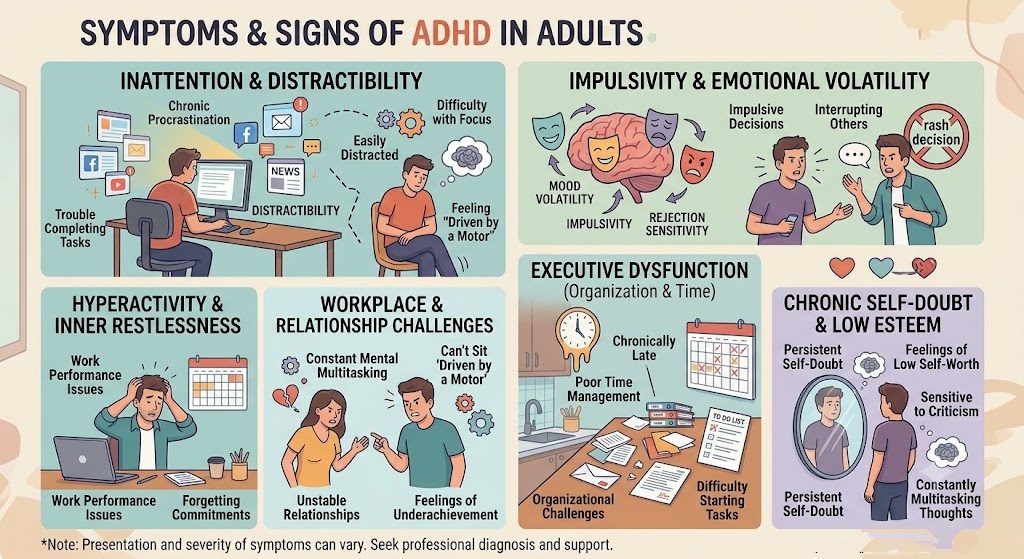
Common manifestations of inattention and hyperactivity in adults
Adult ADHD symptoms often present as chronic disorganization, difficulty sustaining focus during meetings or tasks, and frequent misplacement of imperative items like keys or wallets. Symptoms of adult ADHD may also include restlessness, excessive talking, and an inability to remain seated during long work sessions, affecting productivity and interpersonal dynamics in professional settings.
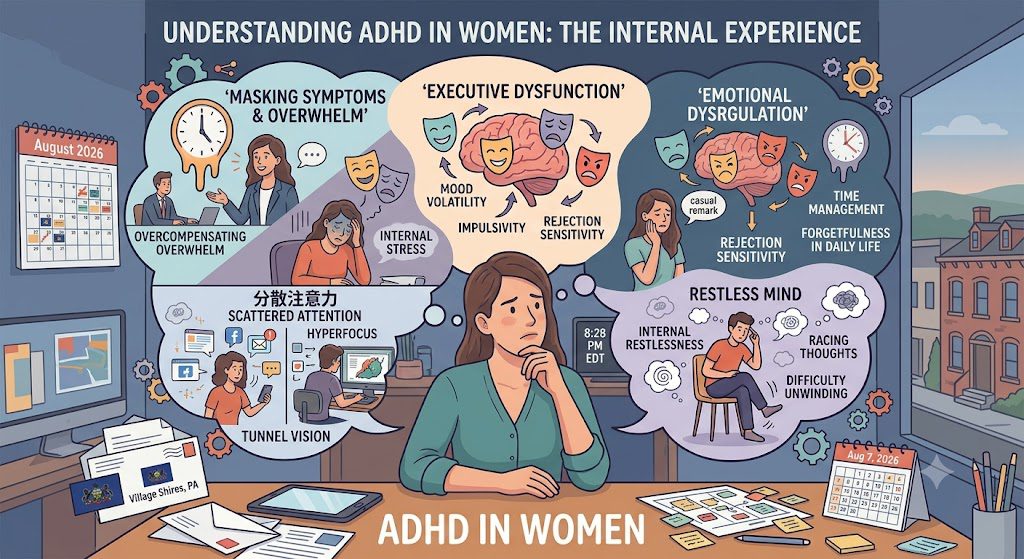
Distinctive symptom profiles in adult women versus men
 |
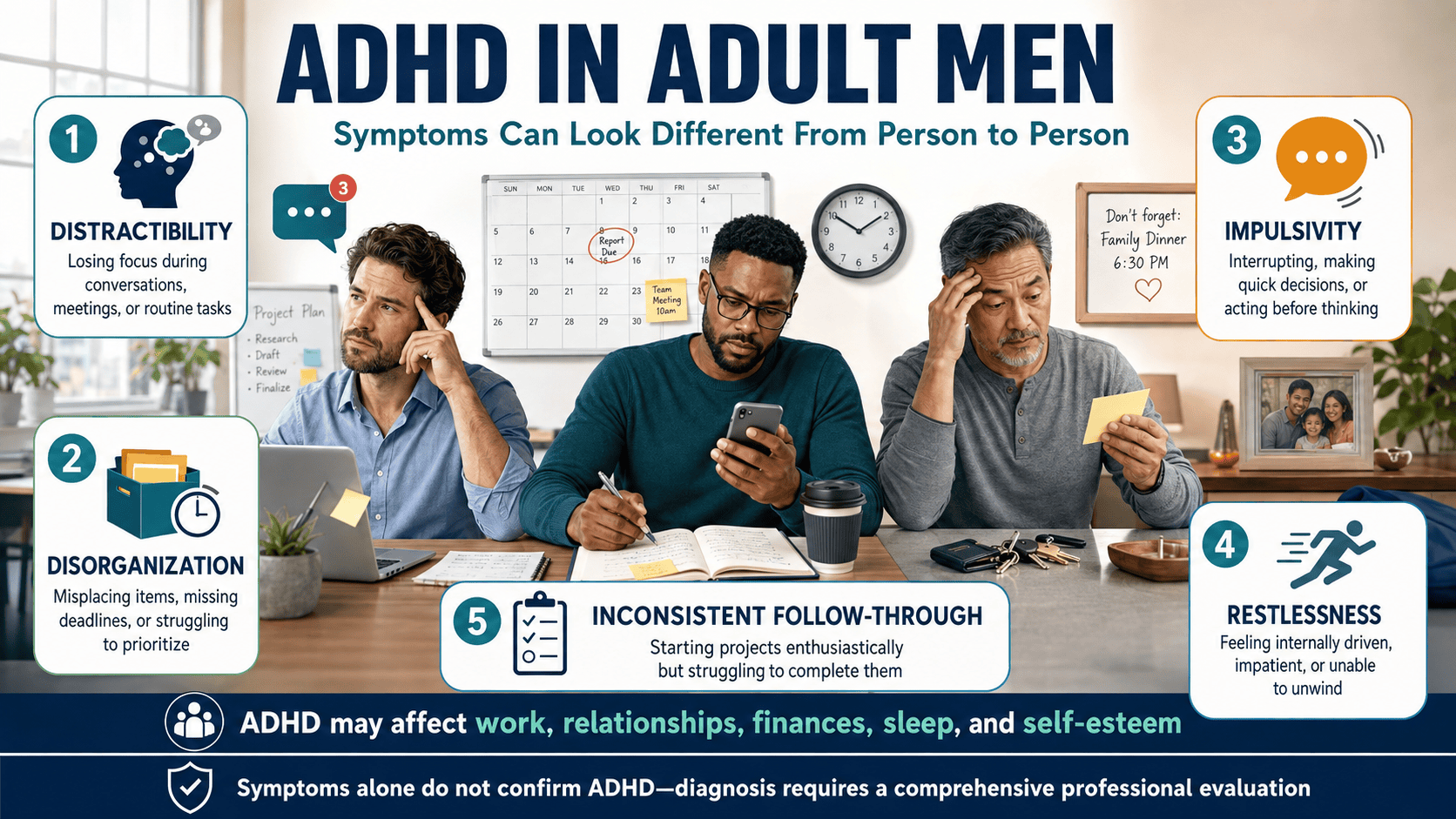 |
ADHD symptoms in adult women frequently manifest as internalized restlessness, emotional dysregulation, and chronic procrastination, often leading to misdiagnosis as anxiety or depression. In contrast, ADHD symptoms in adult men are more likely to involve impulsivity, risk-taking behaviors, and externalized hyperactivity, contributing to higher rates of traffic violations or occupational instability.
Women with ADHD commonly report difficulty managing household responsibilities and maintaining social relationships due to persistent forgetfulness and time blindness. Men often struggle with anger regulation and task completion, particularly in structured environments like offices, where sustained attention and deadline adherence are expected. These divergent patterns reflect how biological, social, and cultural factors shape the expression of adult ADHD symptoms across genders.
Diagnostic Procedures and Classification
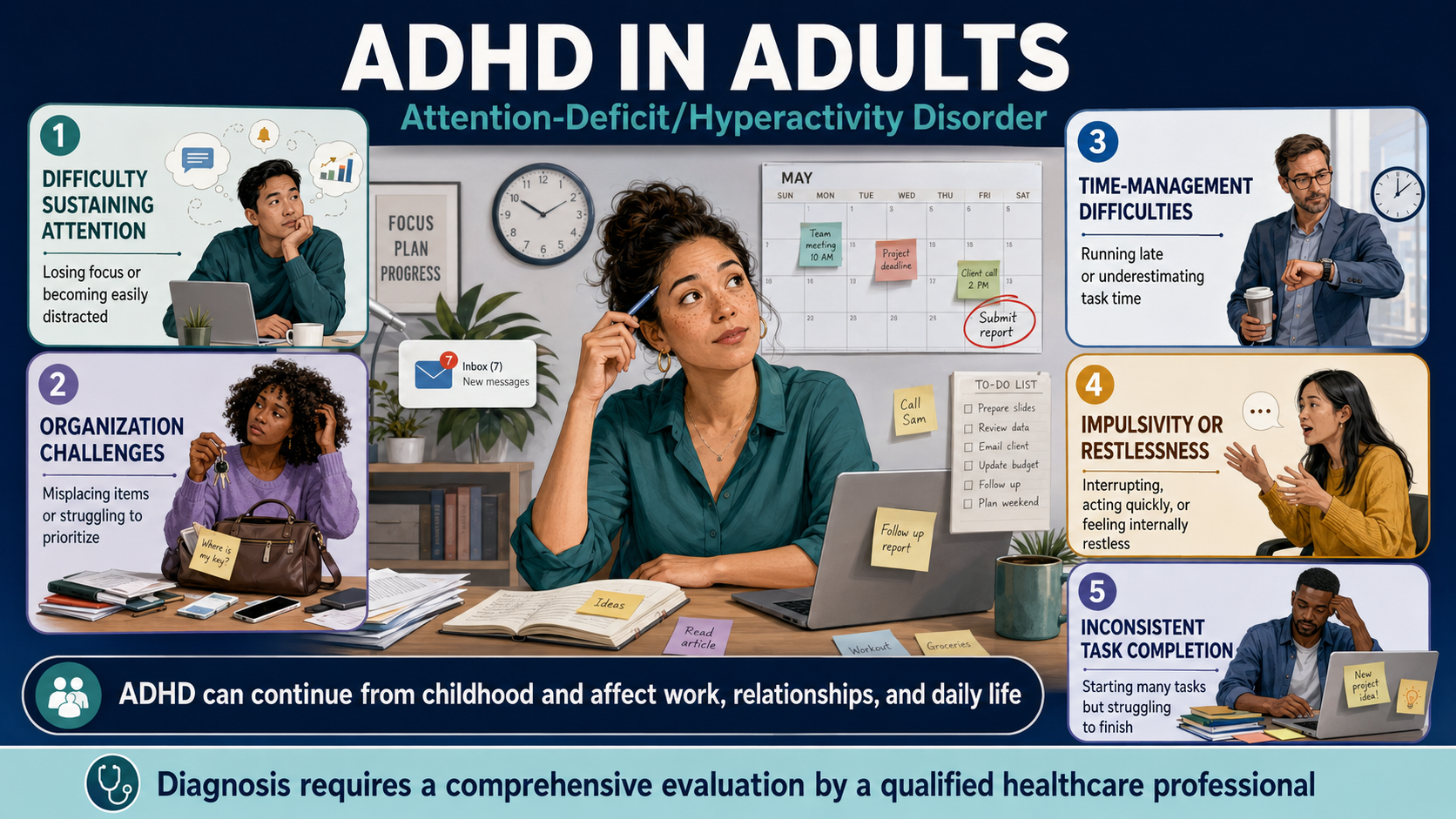
Utilizing a standardized adult ADHD test for clinical assessment
Administering a validated adult ADHD test helps clinicians differentiate ADHD from other psychiatric conditions with overlapping symptoms. These assessments often include structured interviews, behavior rating scales, and cognitive performance measures tailored to adult functioning in work, relationships, and daily organization.
Clarifying the distinction between ADD and ADHD in adult populations
The term “ADD” was historically used before the current ADHD classification system. Today, what was once called ADD is recognized as ADHD, predominantly inattentive presentation. Adults seeking diagnosis often reference ADD, but current diagnostic criteria use ADHD with specific subtypes.
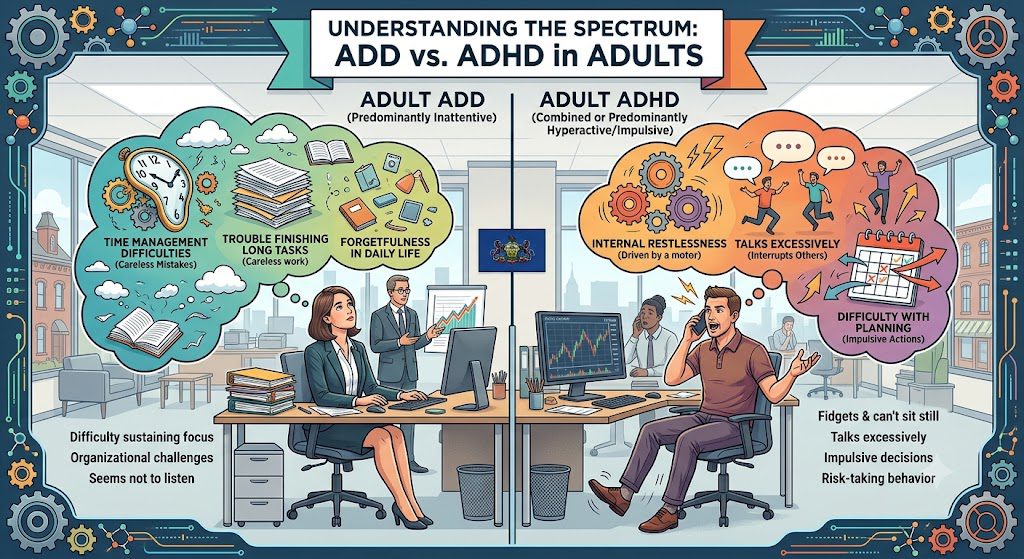
Understanding the evolution from ADD to ADHD in diagnostic manuals clarifies why clinicians no longer use ADD as a standalone diagnosis. The shift reflects research showing attention deficits are part of a broader neurodevelopmental condition, now classified in the DSM-5 under ADHD with three presentations: inattentive, hyperactive-impulsive, and combined. An adult ADHD test evaluates for these presentations using symptom checklists and functional impairment benchmarks.
Complications of Untreated ADHD
Impact on professional and personal functionality
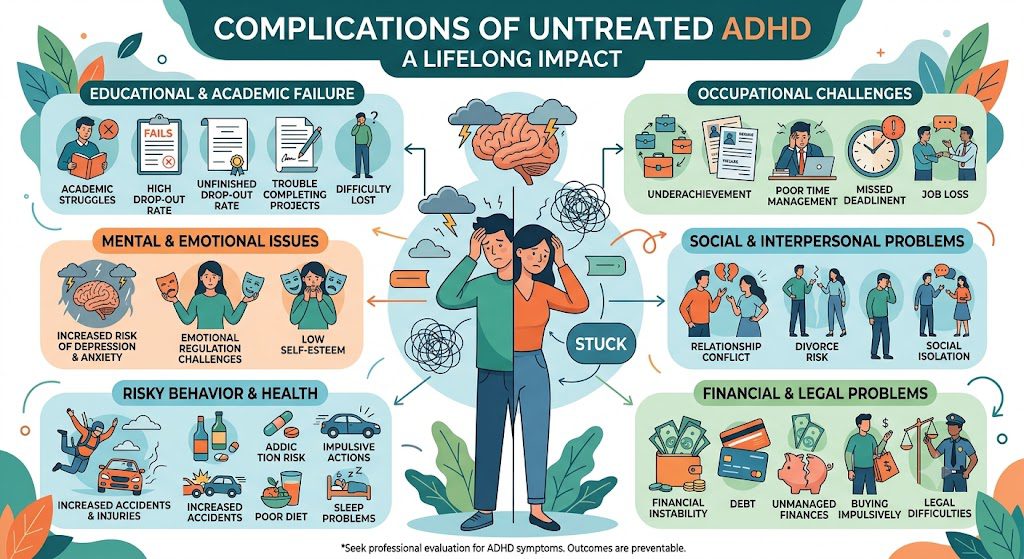
Untreated adult ADHD often leads to chronic disorganization, missed deadlines, and difficulty maintaining employment. You may find yourself struggling to follow through on tasks at work or frequently losing important items, affecting both productivity and relationships. Interpersonal conflicts arise more often due to impulsivity or perceived inattention during conversations.
Long-term risks associated with delayed intervention
Adults with untreated ADHD face higher rates of comorbid mental health conditions, including anxiety and depression. You are also more likely to develop substance use disorders as a form of self-medication. Without intervention, these patterns can become entrenched, reducing overall quality of life over time.
Long-term risks associated with delayed intervention include increased likelihood of financial instability, legal issues, and chronic stress-related illnesses. A mid-sized SaaS firm once reported that an employee with undiagnosed ADHD had accumulated over 18 months of unresolved performance reviews before receiving a diagnosis. Persistent symptoms can lead to repeated job loss, marital strain, and social isolation, reinforcing cycles of low self-esteem and functional impairment. Early recognition disrupts this trajectory, allowing for targeted support and improved long-term outcomes.
Pharmacological and Clinical Management
Overview of ADHD medications for adults
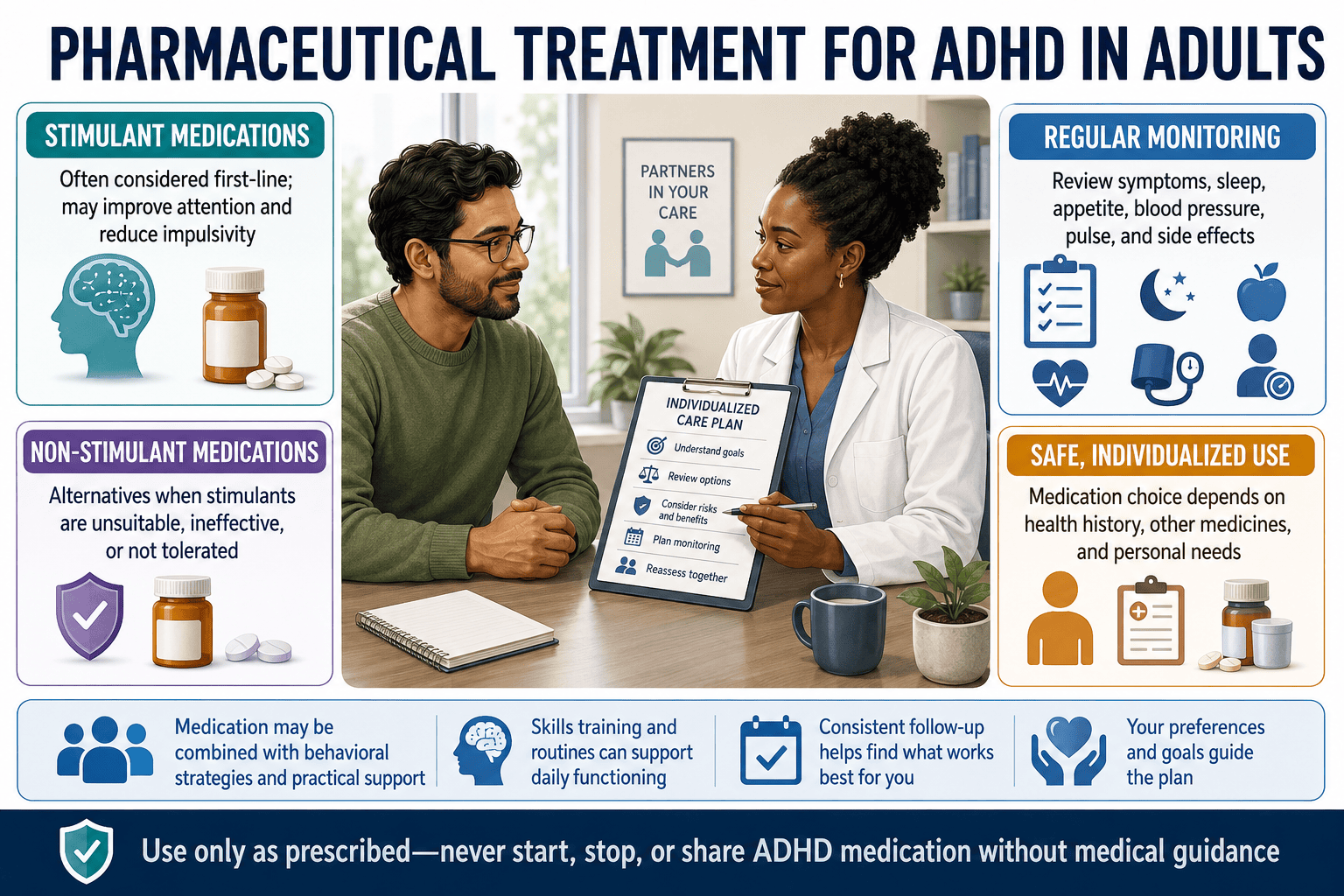
Stimulant medications such as methylphenidate and amphetamines are commonly prescribed as first-line treatments in ADHD medications for adults, with non-stimulants like atomoxetine serving as alternatives when stimulants are contraindicated or ineffective. Response rates vary, but many adults experience improved focus and impulse control within weeks of starting therapy.
Locating qualified adult ADHD doctors near me requires checking credentials through professional directories like those from the American Professional Society of ADHD and Related Disorders (APSARD) or the ADHD Specialty Clinic Network. Primary care providers can initiate referrals, but specialists in adult ADHD offer more targeted evaluations and treatment plans.
Board-certified psychiatrists or neurologists with specific training in adult ADHD are best equipped to manage complex cases, particularly when comorbid conditions like anxiety or bipolar disorder are present. Telehealth platforms now expand access to these specialists, even in regions where local adult ADHD doctors near me are limited, allowing for consistent follow-up and medication adjustments.
Holistic and Complementary Therapeutic Modalities
Some adults explore natural treatment for adult ADHD alongside conventional approaches, seeking methods that align with personal health philosophies. Holistic treatment for adult ADHD often emphasizes lifestyle adjustments, mindfulness practices, and nutritional support to complement clinical care, offering a broader framework for daily functioning.
Natural and holistic treatment strategies for symptom management
Your routine may benefit from dietary modifications, regular physical activity, and sleep optimization as part of a holistic treatment for adult ADHD. Mindfulness meditation and cognitive behavioral techniques help you manage attention and emotions, giving you practical tools for long-term symptom management without medication.
Specialized interventions: Acupuncture, homeopathy, and hypnotherapy
- Aerobic exercise: Running, swimming, or cycling boosts brain dopamine and norepinephrine to sharpen attention.
- Mindfulness and yoga: Meditation and breathwork train emotional control and reduce impulsive reactions.
- Structured routines: Visual planners, task lists, and broken-down steps ease executive dysfunction.
- Sleep hygiene: Consistent bedtimes and cool, dark rooms improve rest quality.
- Protein-rich foods: Starting the day with eggs, nuts, or Greek yogurt stabilizes morning energy.
- Whole foods over sugar: Minimizing processed foods, artificial dyes, and heavy sugars prevents energy crashes.
- Targeted nutrients: Omega-3 fatty acids, magnesium, and zinc support cognitive clarity, and users report that low-dose L-Theanine (around 100 mg) helps manage task anxiety.
- Cognitive Behavioral Therapy (CBT): Teaches practical problem-solving and stress coping mechanisms.
- ADHD Coaching: Provides personalized accountability and custom organizational frameworks.
Acupuncture for adult ADHD is used to balance energy flow and may reduce hyperactivity and anxiety. Homeopathic treatment for ADHD in adults relies on highly diluted substances tailored to individual profiles, while hypnotherapy for adult ADHD targets subconscious patterns affecting focus and impulse control. Studies on acupuncture for adult ADHD suggest potential improvements in attention and emotional regulation through repeated stimulation of specific meridian points.
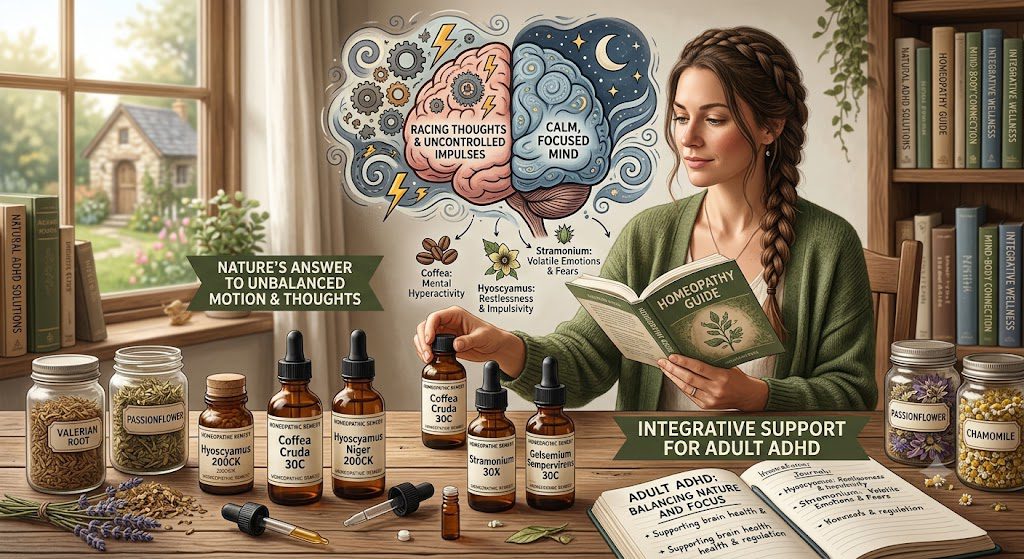
Homeopathic treatment for adult ADHD involves individualized remedies such as *Veratrum album* or *Stramonium*, selected based on symptom clusters.
Hypnotherapy for adult ADHD often includes guided visualization and suggestion techniques aimed at reinforcing concentration and reducing distractibility during daily tasks.
Acupuncture for ADHD
Children and teenagers all around the world suffer from Attention Deficit Hyperactivity Disorder (ADHD), which is characterized by symptoms such as hyperactivity, impulsivity, and inattention. Even if conventional therapies like medicine and behavioral therapy are frequently employed, some people are seeking assistance from complementary and alternative therapies (CAM). Acupuncture is one such treatment that is becoming more popular. Does it, however, actually help with ADHD?

A new extensive study sought to assess acupuncture’s efficacy in treating symptoms of ADHD. The research’s age groups and its implications for ADHD treatment options are highlighted in this summary of the results.
What the Research Examined
In order to compare the effects of acupuncture with more conventional therapies like medication and behavioral therapy, the study in question performed a systematic review and meta-analysis (SR/MA) of acupuncture trials for ADHD. In addition to examining how acupuncture might address additional problems, such as learning challenges and psychosomatic symptoms, the researchers concentrated on its effects on basic symptoms of ADHD, including hyperactivity, impulsivity, inattention, and behavior concerns.
The inclusion of individuals from a wide age range, particularly children and adolescents, was a crucial aspect of this study. These two populations receive ADHD diagnoses the most frequently, and their reactions to therapies can differ greatly. Evaluating acupuncture’s efficacy as a treatment for ADHD requires an understanding of how it functions for these age groups.
The study’s findings for each age group are as follows:
- Children: In younger children with ADHD, acupuncture seemed to be very successful in lowering hyperactivity and impulsivity. When combined with other therapies, such as medication, acupuncture effectively addressed these symptoms, which are frequently more severe in younger populations.
- Teenagers: Acupuncture appeared to alleviate hyperactivity and inattention in teenagers, two symptoms that frequently worsen as kids become older. The potential of acupuncture to lessen the negative effects of ADHD drugs, like irritability or sleep problems, was similarly beneficial to this age group.
- Combined Effects for Both Groups: When acupuncture was used in conjunction with medication, it also assisted in reducing adverse effects in children and adolescents, such as appetite loss and sleep issues. For people who are currently taking medication but are having negative side effects, this could make it a desirable supplemental treatment.
- Inattention and Conduct Issues: Two of the most challenging symptoms of ADHD to treat, inattention and conduct issues, were improved in children and teenagers when acupuncture was combined with either medication or behavioral therapy.
Learning challenges and psychosomatic symptoms: It’s interesting to note that acupuncture and medicine together significantly improved learning challenges, which are especially important for kids with ADHD. Acupuncture and behavioral treatment, on the other hand, had a beneficial effect on psychosomatic symptoms that frequently accompany ADHD, such as tension or anxiety.
Notwithstanding these encouraging outcomes, the study also identified several limitations:
- Problems with Study Quality: Many trials lacked the strict controls required for high confidence in their findings, and the quality of the examined studies was frequently poor. For instance, there may be biases in evaluating the efficacy of acupuncture because only a limited percentage of trials used objective ADHD diagnostic criteria.
- More Research is Needed: It is difficult to ascertain if acupuncture’s benefits are genuinely therapeutic or only a placebo due to the dearth of large-scale, high-quality randomized controlled trials (RCTs) comparing acupuncture with placebo therapies.
In conclusion, is acupuncture a viable treatment for ADHD?
In summary, as is frequently the case with evidence-based medicine, we are still unable to make a definitive determination. These studies may have the potential to improve conduct issues, impulsivity, hyperactivity, and inattention in kids and teenagers. Nevertheless, there is currently insufficient evidence to suggest it as a main treatment. More research is required to determine its efficacy, even though it might be a useful addition to conventional therapies, particularly for people who have trouble accessing behavioral therapy or dealing with pharmaceutical side effects.
A Homeopathic Method of Treatment for ADHD
Due to the highly customized nature of the homeopathic approach, two children with ADHD may receive different remedies depending on their distinct symptoms, personalities, and triggers. Homeopathy restores emotional and mental equilibrium by activating the body’s inherent healing processes rather than actively treating the condition. It aims to identify and address the underlying reason, be it lifestyle choices, mental stress, or heredity.
Frequently Used Homeopathic Remedies for ADHD
Stramonium
Uses: For kids who have night terrors, severe dread, or violent outbursts. They can exhibit extreme hyperactivity, fear the dark, or see imagined threats.
Personality Type: aggressive, restless, and fearful.
Hyoscyamus Niger
Indications: Beneficial for kids who are extremely impulsive and hyperactive. They could act improperly, disrupt discussions, and exhibit attention-seeking behavior.
Mischievous, hyperactive, and occasionally envious is the personality type.
Tuberculinum
Indications: Administered to kids who have a propensity for boredom, restlessness, and frequent mood changes. They can be prone to destructive activity or be on the lookout for novel stimuli all the time.
Personality Type: Rebellious, restless, and unhappy.
Tarentula Hispanic
Indications: Ideal for kids who are agitated, restless, and hyperactive. They might act impulsively, react violently when irritated, and be very sensitive to music.
Personality Type: Impatient, vivacious, and erratic.
Calcarea Phosphorica
Indications: Children with delayed cognitive development and learning challenges are frequently prescribed this medication. These kids could have trouble concentrating and feel overburdened by mental duties.
Personality Type: Slow learners, easily irritated, and forgetful.
Lachesis Mutus
Indications: For people who tend to be chatty, irritable, and combative. When they are not the focus of attention, they could become irritable and feel frustrated.
Personality Type: Emotionally intense, expressive, and competitive.
Homeopathy Research for ADHD
Although there is little scientific proof that homeopathy can cure ADHD, certain research has produced encouraging findings:
- Placebo-controlled, double-blind trials:
Children with ADHD showed improved conduct after receiving customized homeopathic treatment, according to a 2005 study published in the European Journal of Pediatrics. - Longitudinal research:
In certain observational studies, children who received homeopathic remedies gradually improved their impulsivity, focus, and emotional control without experiencing the negative effects of stimulant pharmaceuticals. - Improvements in behavior:
Children treated with customized homeopathic remedies showed behavioral benefits similar to those of children treated with conventional medications, but without the side effects, according to a small 2011 study.
These preliminary findings imply that homeopathy may be a useful supplemental treatment for ADHD symptoms, but bigger, more thorough trials are required.
Benefits of Homeopathy for Treating ADHD
- Personalized Care: Homeopathy treats every individual differently, taking into account their physical, mental, and emotional traits.
- Safe and Non-Addictive: Homeopathic treatments do not result in dependency or withdrawal symptoms, in contrast to stimulants.
- Minimal Side Effects: Homeopathic remedies are safe and mild, especially for young children, when recommended by a skilled practitioner.
- Holistic Approach: Homeopathy takes into account the underlying triggers, such as stress, emotional trauma, or environmental variables, in addition to the behavioral symptoms.
Adult ADHD and Hypnotherapy
Although these findings may provide researchers hope for hypnotherapy’s future, there aren’t many solid clinical trials. Researchers evaluated the outcomes of cognitive behavioral therapy (CBT) with hypnotherapy in a small trial with 17 participants in 2014. While all treatment groups saw improvements, the hypnotherapy patients reported far greater psychological health and a reduction in symptoms of anxiety, sadness, and ADHD.
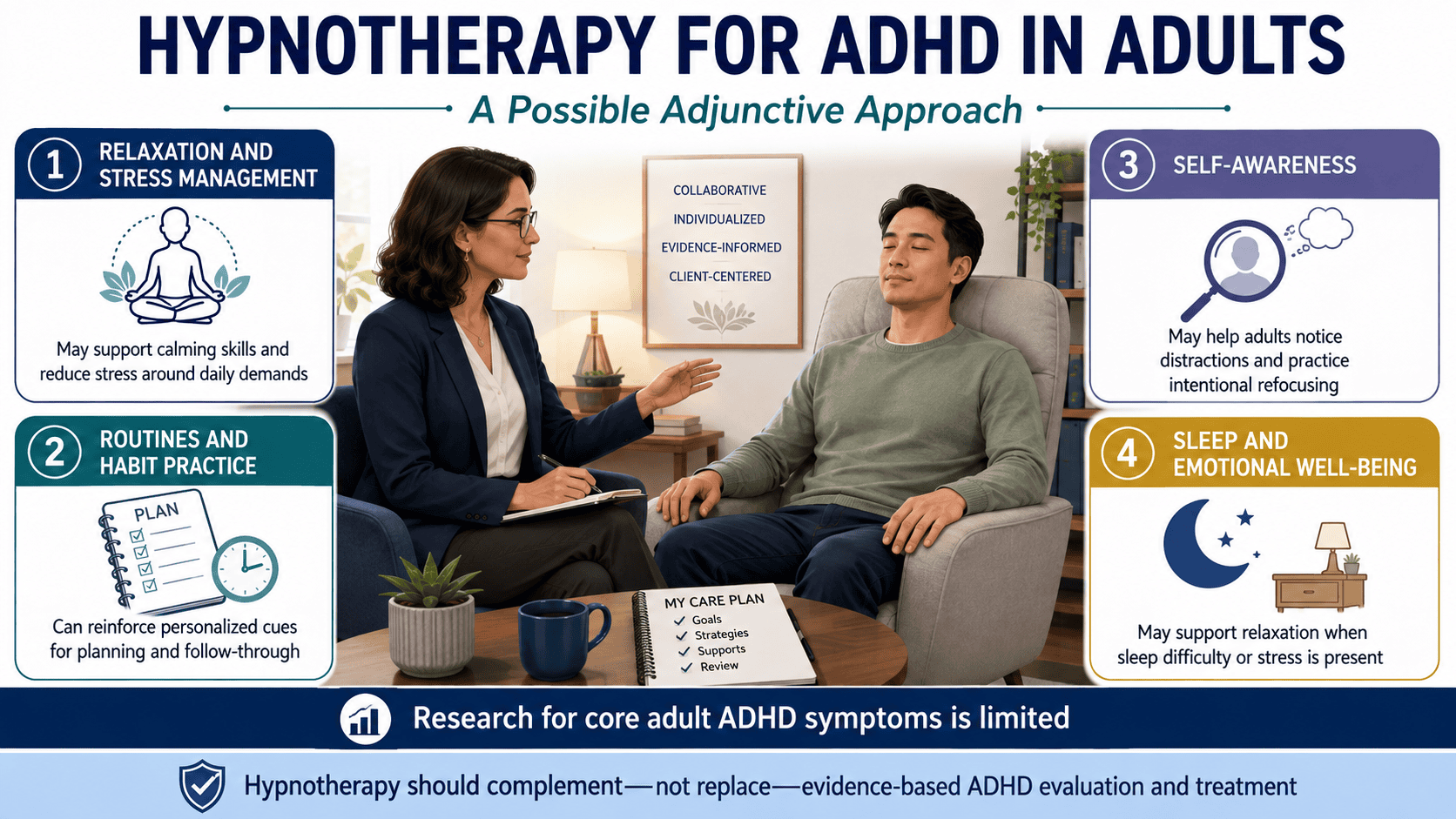
According to Jeffrey Rose, the founder of the Advanced Hypnosis Center in New York City and a trained clinical hypnotist, some of his patients experience improvement after just one hypnotherapy session. They can complete tasks more quickly and retain information better, he claims. Additionally, he claims that patients have “an improved capacity for self-care, they feel more positive, and they’re able to cope more effectively with stress.”
Similar changes have been noted by Fishbach, who claims that hypnosis enables her patients to control their emotional and mental processes. According to her, a lot of her customers “go through life feeling a lack of control over their thoughts, feelings, or behaviors.” “People feel empowered through hypnosis.”
Final Words
You manage adult ADHD through a combination of pharmacological treatment, behavioral interventions, and environmental adjustments tailored to your daily functioning. A mid-sized SaaS firm recently implemented workplace accommodations for employees with ADHD, including flexible deadlines and noise-reducing workspaces, resulting in measurable improvements in task completion and job satisfaction. Stimulant medications like methylphenidate and amphetamines are still the first-line treatments, and they are often combined with cognitive behavioral therapy that is specifically adapted for ADHD. Your long-term outcomes improve significantly when diagnosis is followed by consistent, multimodal care that addresses both symptom reduction and functional impairments in work, relationships, and self-regulation.
FAQ

Q: What are the most common symptoms of adult ADHD?
A: Adults with ADHD often struggle with sustained attention, time management, and task completion. They may frequently misplace items, overlook details, or start projects without finishing them. Impulsivity can manifest as interrupting others or making hasty decisions. A mid-sized SaaS firm employee, for example, might consistently miss deadlines despite working long hours, not due to lack of effort but because of difficulty organizing priorities and estimating time.
Q: How do ADHD symptoms differ between adult men and women?
A: Adult women with ADHD are more likely to present with inattentive symptoms such as daydreaming, forgetfulness, or chronic disorganization, while men often exhibit more noticeable hyperactive or impulsive behaviors like restlessness or risk-taking. Women may internalize struggles, leading to misdiagnosis as anxiety or depression. A teacher in her late 30s, for instance, might be treated for chronic stress for years before an evaluation reveals underlying ADHD.
Q: Is there a reliable test to diagnose adult ADHD?
A: Diagnosis relies on a comprehensive clinical evaluation rather than a single test. Clinicians use standardized rating scales like the Adult ADHD Self-Report Scale (ASRS), combined with patient history, symptom duration, and functional impairment across multiple settings. Input from family members or school records can help confirm childhood onset, a diagnostic requirement. Brain imaging and blood tests are not used to diagnose ADHD.
Q: Can untreated ADHD lead to long-term complications in adulthood?
A: Yes. Adults with untreated ADHD face higher risks of academic underachievement, job instability, and relationship strain. They are also more likely to develop comorbid conditions such as substance use disorders, chronic anxiety, or mood disorders. One longitudinal study followed individuals into their 40s and found that those undiagnosed in youth had significantly more traffic violations and accidents.
Q: What is the difference between ADD and adult ADHD?
A: The term ADD, or Attention Deficit Disorder, was used in earlier diagnostic manuals to describe individuals without hyperactivity. Today, the correct clinical term is ADHD, with three presentations: predominantly inattentive, predominantly hyperactive-impulsive, and combined. Adults previously labeled with ADD typically fall under the inattentive presentation, characterized by distractibility and poor focus without overt restlessness.
Q: What medications are commonly prescribed for adult ADHD?
A: Stimulants such as methylphenidate and amphetamines are first-line treatments and effective for most adults. Non-stimulant options like atomoxetine, guanfacine, or bupropion may be used when stimulants are contraindicated or poorly tolerated. A financial analyst in his early 30s might find that a morning dose of extended-release lisdexamfetamine improves his ability to prepare complex reports without constant redirection.
Q: Are there evidence-based holistic or complementary treatments for adult ADHD?
A: While no alternative therapy replaces medication or behavioral intervention, some approaches show supportive benefits. Regular aerobic exercise, structured mindfulness practices, and cognitive training apps have demonstrated modest improvements in attention and executive function. Acupuncture and homeopathy lack robust clinical evidence, though some patients report subjective relief. Hypnotherapy may help with specific habits like nail-biting or procrastination but does not address core ADHD symptoms.
Natural Remedies for Adult ADHD in Philadelphia
At the Philadelphia Holistic Clinic, we have specialists who may help you with natural treatments for ADHD. The available natural remedies for ADHD at the clinic include acupuncture, homeopathy for ADHD, hypnosis for ADHD, herbal medicine for ADHD, and other natural medicines for ADHD.
Contact Philadelphia Holistic Clinic at (267) 403-3085 or use an online scheduling system to schedule your appointment for an initial evaluation to discuss which alternative treatment for ADHD is best for you.