Melasma (Hyperpigmentation)
Key Takeaways:
- Hormones: Pregnancy, birth control pills, and hormone replacement therapy.
- Sunlight: Ultraviolet (UV) rays and visible blue light make pigment cells overactive.
- Genetics: A family history of the condition.
- Skin Type: More common in people with darker or olive skin tones who tan easily.
Symptoms and Signs
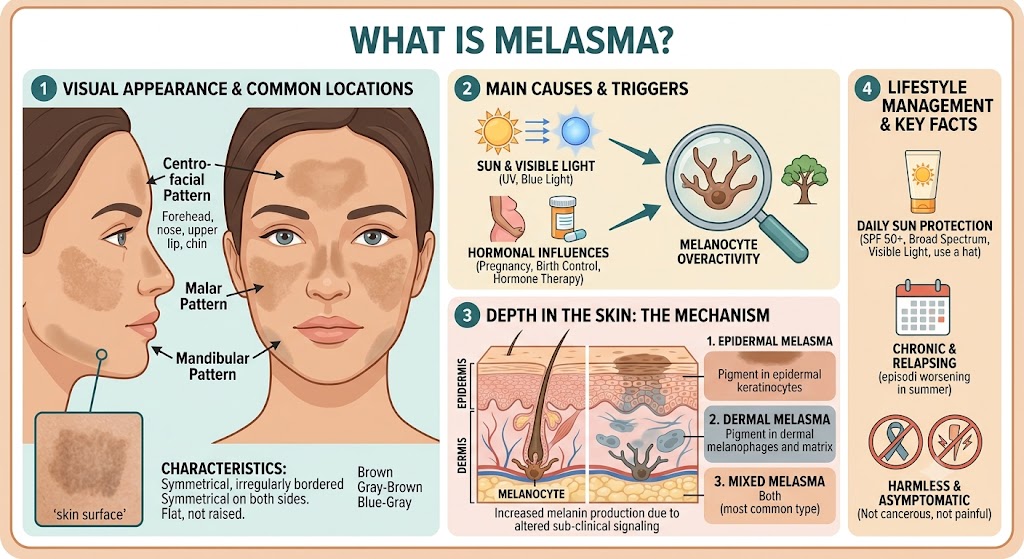
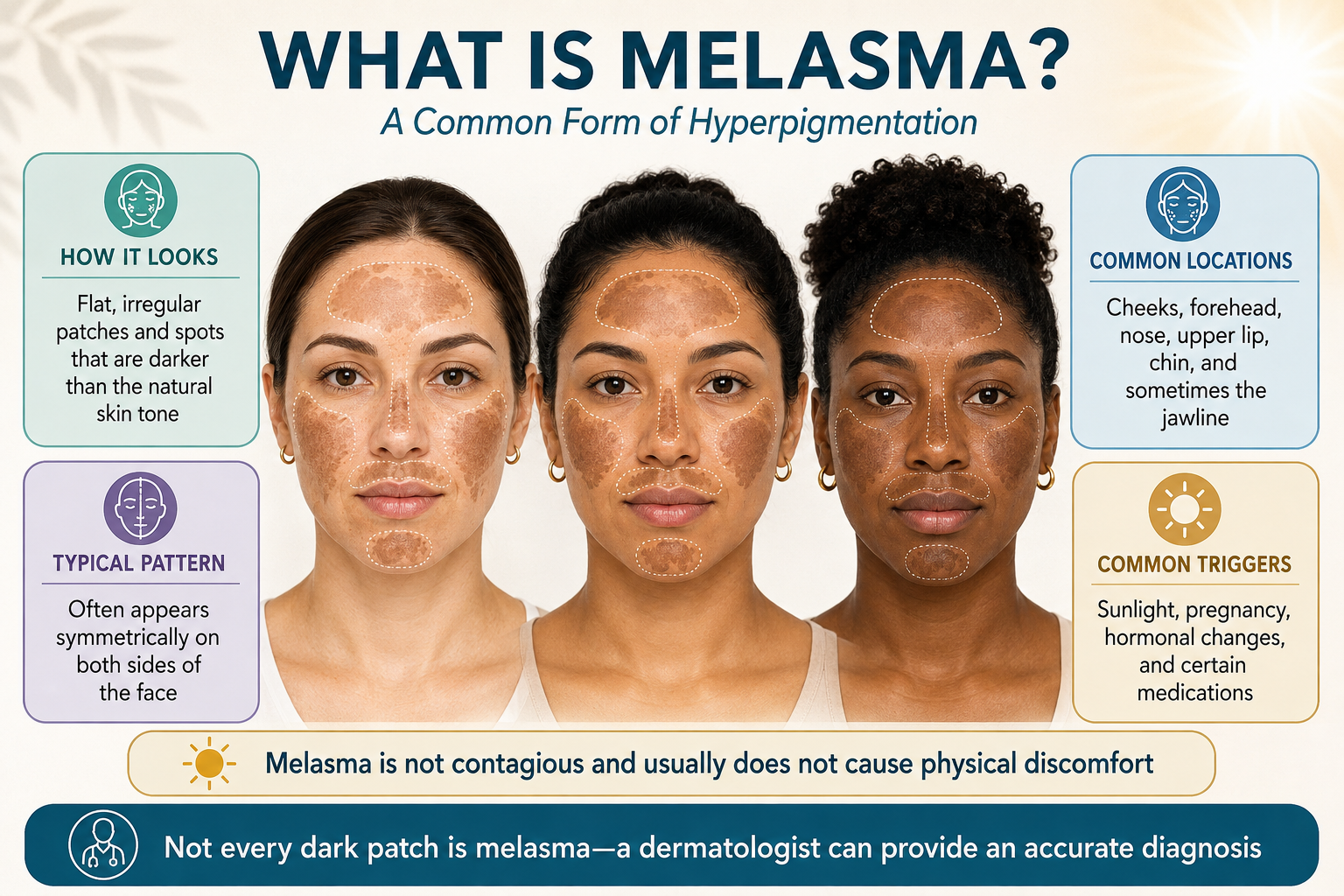
- Symmetrical Patches: Dark spots usually match on both sides of the face.
- Common Locations: Cheeks, bridge of the nose, forehead, and chin.
- No Pain or Itching: The spots are harmless, flat, and non-scaly.
- Seasonal Changes: Often darkens in summer and fades in winter.
What types of melasma are there?
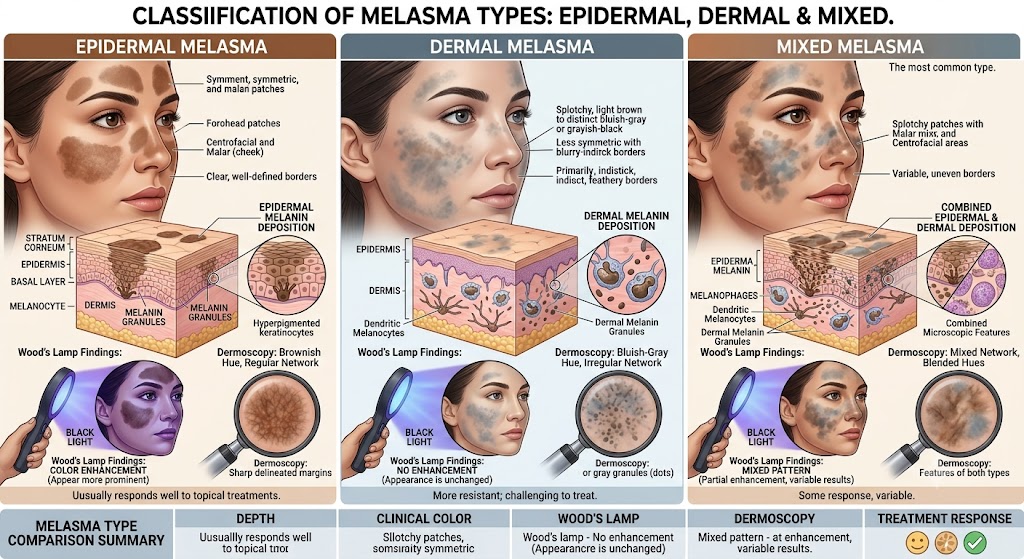
Melasma comes in three different forms, each of which is related to the pigment’s depth. The depth of the pigment can be ascertained using a Wood’s lamp that generates black light. These three categories are
Epidermal: Epidermal melasma is dark brown in color, has a distinct border, is visible under black light, and occasionally reacts favorably to therapy.
Dermal: Dermal melasma is light brown or bluish in color, has a hazy border, doesn’t change when exposed to black light, and doesn’t react well to therapy.
The most prevalent of the three types of melasma, mixed melasma, exhibits both bluish and brown patches, a mixed pattern when exposed to black light, and some response to treatment.
What are the causes of melasma?
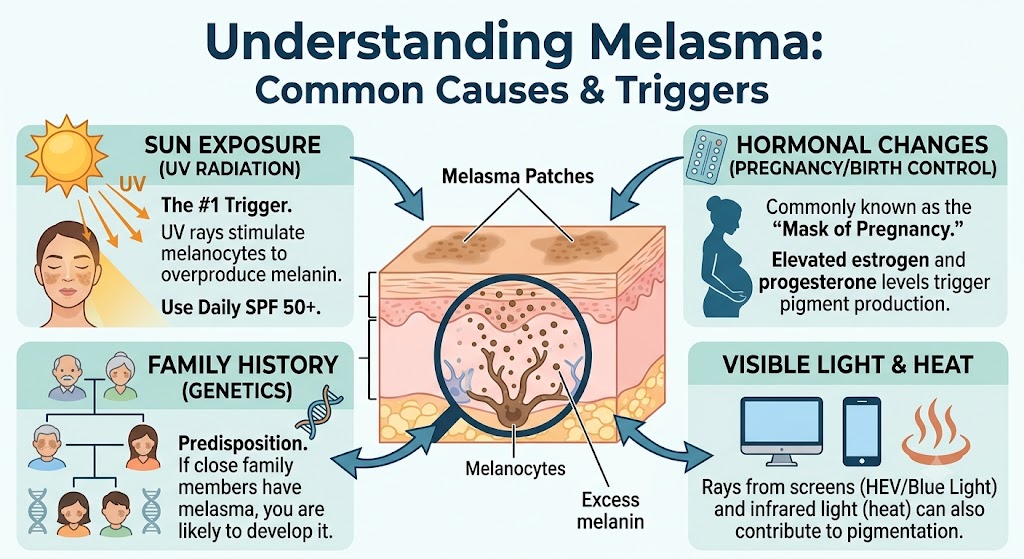
Melasma is primarily caused by two factors: hormones and radiation, including ultraviolet, visible, and infrared (heat) light. The sun’s ultraviolet and infrared radiation has a major role in exacerbating melasma. Additional potential reasons for melasma include:
- Antiseizure drugs: Melasma may be brought on by drugs that stop seizures. Clobazam (Onfi®) is an example of an antiseizure drug. Contraceptive medication (birth control): Oral contraceptive tablets containing progesterone and estrogen have been linked to melasma.
- Diethylstilbestrol is a synthetic (man-made) version of the hormone estrogen. It is frequently utilized in prostate cancer therapies. Once more, there is a correlation between melasma and elevated estrogen.
- Genetics: Between 33% and 50% of melasma sufferers report having a family member with the condition. Melasma affects most identical twins.
- Your thyroid is underactive if you have hypothyroidism.
- LED Screens: The LED lights on your laptop, tablet, phone, and television may be the cause of melasma.
- Pregnancy: The reason why pregnant women experience “the mask of pregnancy” is unknown. Nonetheless, specialists speculate that the third trimester of pregnancy’s elevated levels of progesterone, estrogen, and melanocyte-stimulating hormones may be involved.
- Hormones: Hormones such as progesterone and estrogen may affect some individuals. Progesterone is occasionally administered to postmenopausal women, who have been known to develop melasma. Your melasma lesions probably include higher numbers of estrogen receptors if you are not pregnant.
- Makeup (cosmetics): A phototoxic reaction can be triggered by certain cosmetics.
- Phototoxic drugs are medications that increase your sensitivity to sunshine. Nonsteroidal anti-inflammatory medicines (NSAIDs), diuretics, retinoids, hypoglycemics, antipsychotics, targeted treatments, and a few more medications are among them.
- Skin care products: Your melasma will probably get worse if you use a product that irritates your skin in general.
- Soaps: It is believed that certain perfumed soaps aggravate or induce melasma.
- Tanning beds: UV radiation from tanning beds can cause skin damage that is on par with or even worse than UV light from the sun.
Hormonal and Lifestyle Influences on Pigmentation
Estrogen is the hormone most directly linked to melasma, and you will see flare-ups during periods when estrogen rises, such as pregnancy or when you start combined oral contraceptives; expect onset or worsening often in the second trimester or after initiating a combined pill.
Progesterone can also influence pigmentation, and you may notice darker patches when synthetic progestins are part of your contraception or when progesterone rises alongside estrogen during pregnancy, though its effect is generally additive rather than solely causative.
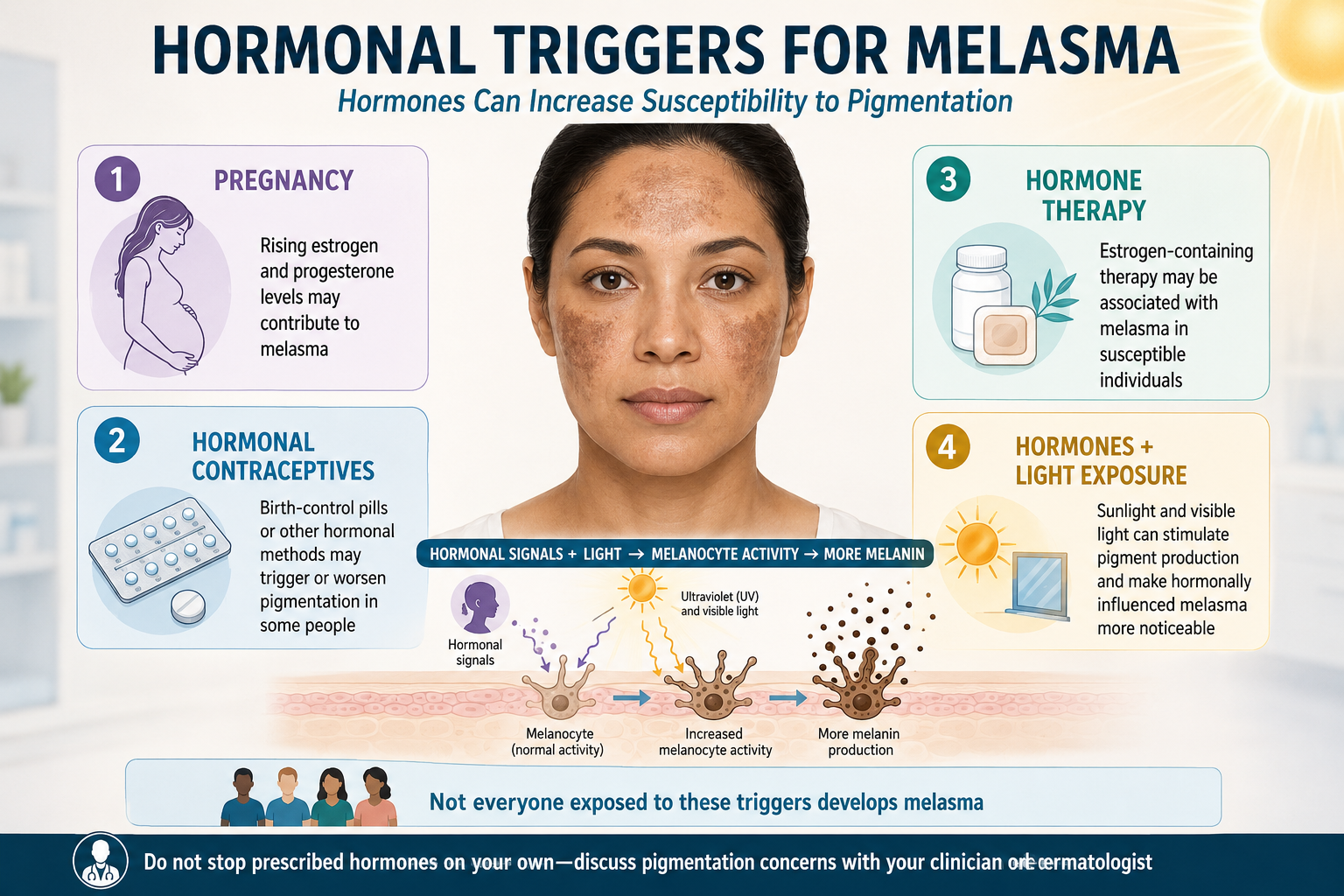
Certain lifestyle and medicinal factors modify risk, so you should review habits and prescriptions with your clinician; examples you need to consider include smoking as a possible exacerbant and drugs such as oral contraceptives, hormone replacement therapy, minocycline, amiodarone, antimalarials, and some chemotherapeutic agents.
The impact of progesterone and hormonal fluctuations
During pregnancy your hormonal milieu changes sharply, and you will commonly see melasma emerge or intensify in the second trimester because estrogen and progesterone both stimulate melanocyte activity.
If you use combined oral contraceptives or hormone replacement, you may observe new or worsening hyperpigmentation, and some patients report improvement after stopping the offending preparation, particularly with estrogen-containing formulations.
Clinical management for you should include a medication review and discussion about switching contraceptive methods when feasible, guided by your dermatologist or primary care provider and focused on minimizing estrogen exposure where appropriate.
Environmental factors: smoking and medicinal triggers
Smoking increases oxidative stress in skin and can aggravate existing melasma, so you should consider cessation as part of a comprehensive plan to reduce hyperpigmentation severity.
Many prescription drugs are known to produce or worsen hyperpigmentation, and typical examples you should be aware of include:
- Combined oral contraceptives and hormone replacement therapies
- Antibiotics such as minocycline
- Antiarrhythmics such as amiodarone
- Antimalarials like chloroquine
- Certain chemotherapeutic agents
Recognizing these agents on your medication list can guide targeted adjustment with your prescriber.
To address environmental triggers, you should prioritize sun protection, smoking cessation, and a full audit of topical and systemic medications with your clinician, and then follow a tailored plan that may include stopping or substituting a suspected drug under medical supervision.
Additional practical steps for the environmental and medicinal contributors include a focused medication history and documentation of exposure, and you should track any changes after stopping a suspected drug to observe resolution of pigmentation. Recognizing the temporal link between a new medication and the onset of melasma often clarifies cause and effect.
Specific Demographics and Secondary Conditions
As a focused demographic note, men can and do develop melasma, so when you consider the question “What are the causes of melasma in men?” evaluate ultraviolet exposure, androgen-related medications, metabolic or endocrine disturbances, and a history of facial inflammation as potential contributors on the cheeks.
For patients with overlapping inflammatory disease, you should consider that melasma caused by rosacea occurs when recurrent flushing and papulopustular activity stimulate melanocytes, producing hyperpigmented patches most often on the malar areas and forehead.
Sun exposure and occupational patterns markedly influence presentation, so you must document daily sun habits, outdoor work hours, and any photosensitizing treatments to correlate worsening pigmentation on the forehead and nose.
Pigmentary changes associated with rosacea
Rosacea frequently creates mixed erythema and pigment, so when you have chronic flushing, you may see perifollicular brown macules that reflect melasma caused by rosacea, especially across the malar cheeks.
Chronic vascular dilation in rosacea produces oxidative stress that increases melanin production, and you should ask about trigger frequency, alcohol or heat exposure, and lesion distribution to distinguish rosacea-related pigment from classic centrofacial melasma.
Inflammation-driven pigmentary changes in you often follow papulopustular flares, resulting in post-inflammatory hyperpigmentation that can coexist with true melasma, which you can help differentiate at the bedside using a Wood’s lamp or dermoscopy on the cheeks.
Clinically, you should treat both conditions together with anti-inflammatory rosacea management, strict photoprotection, and targeted pigment therapies, while monitoring for improvement in the nasolabial folds.
Clinical causes of melasma in the male population
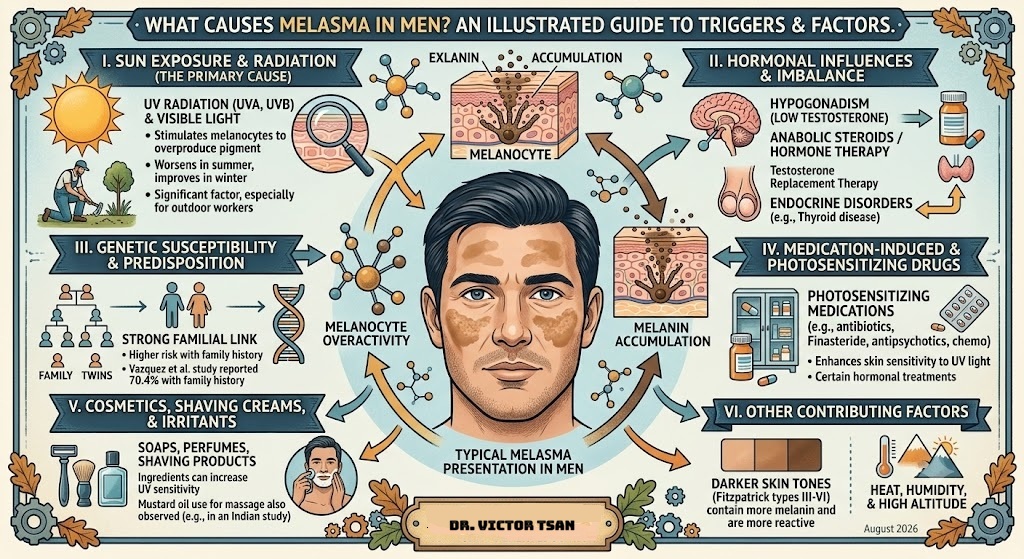
Men presenting with new centrofacial hyperpigmentation should be asked directly, “What are the causes of melasma in men?” because common clinical drivers you will find include cumulative UV damage, medication effects, hormonal shifts, and prior inflammatory skin conditions affecting the cheeks.
Outdoor employment increases the cumulative UV you receive, and when you work outside for extended years, expect earlier onset or deeper pigment on exposed sites such as the forehead and bridge of the nose.
Medication histories reveal causes you should not overlook, for example, androgenic agents, photosensitizing drugs, or topical steroid misuse that can precipitate or exacerbate melasma on the upper lip and periorbital area.
What symptoms indicate melasma?
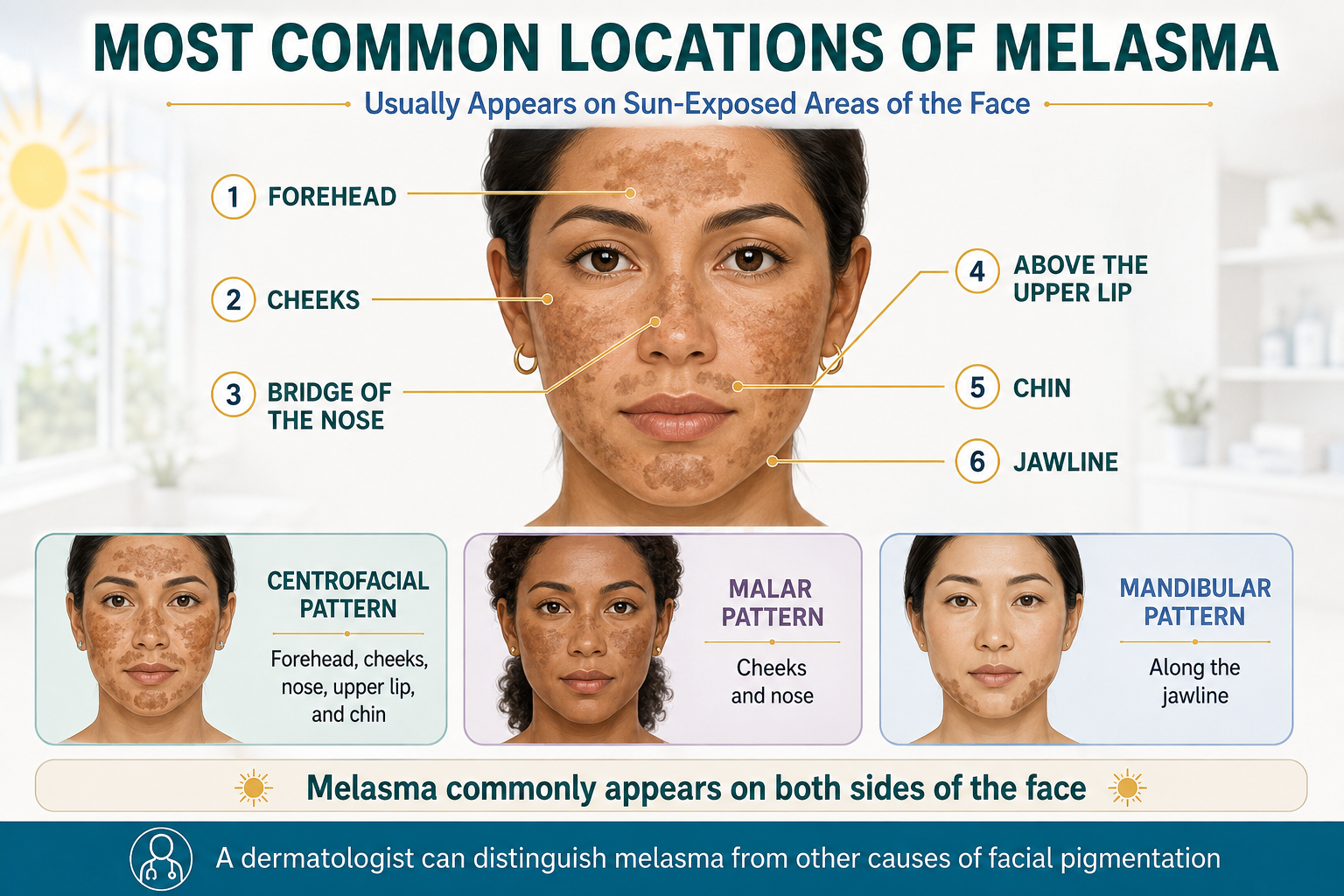
Light brown, dark brown, bluish, or freckle-like patches on your skin are caused by melasma. The areas may occasionally turn red or swell. There are six places on your skin where melasma can occur, or it might appear in multiple places:
- Brachial: The melasma develops on your upper arms and shoulders.
- Centrofacial: Your nose, top lip, cheeks, and forehead all have melasma.
- Lateral cheek pattern: Both cheeks have melasma.
- Malar: Your nose and cheeks show melasma.
- Mandibular: The jawline is where the melasma appears.
- Neck: Melasma can develop on either side of the neck in individuals 50 years of age or older.
Your healthcare provider will determine whether you have melasma or another kind of skin condition.
Principles of Homeopathic Treatment for Melasma
Treatment with homeopathy for melasma chloasma centers on individualized prescribing, where you receive a remedy matched to your full symptom picture rather than a topical for the lesion; a typical plan at a clinic might include five follow-up visits across three months to assess change. Individual symptoms such as menstrual timing, appetite, and emotional state guide remedy choice, and you are asked about sun exposure and contraceptive use as potential triggers. Monitoring proceeds with potency adjustments and case reviews, so you can expect a reassessment around four to six weeks and concrete notes on pigmentation change at each visit.
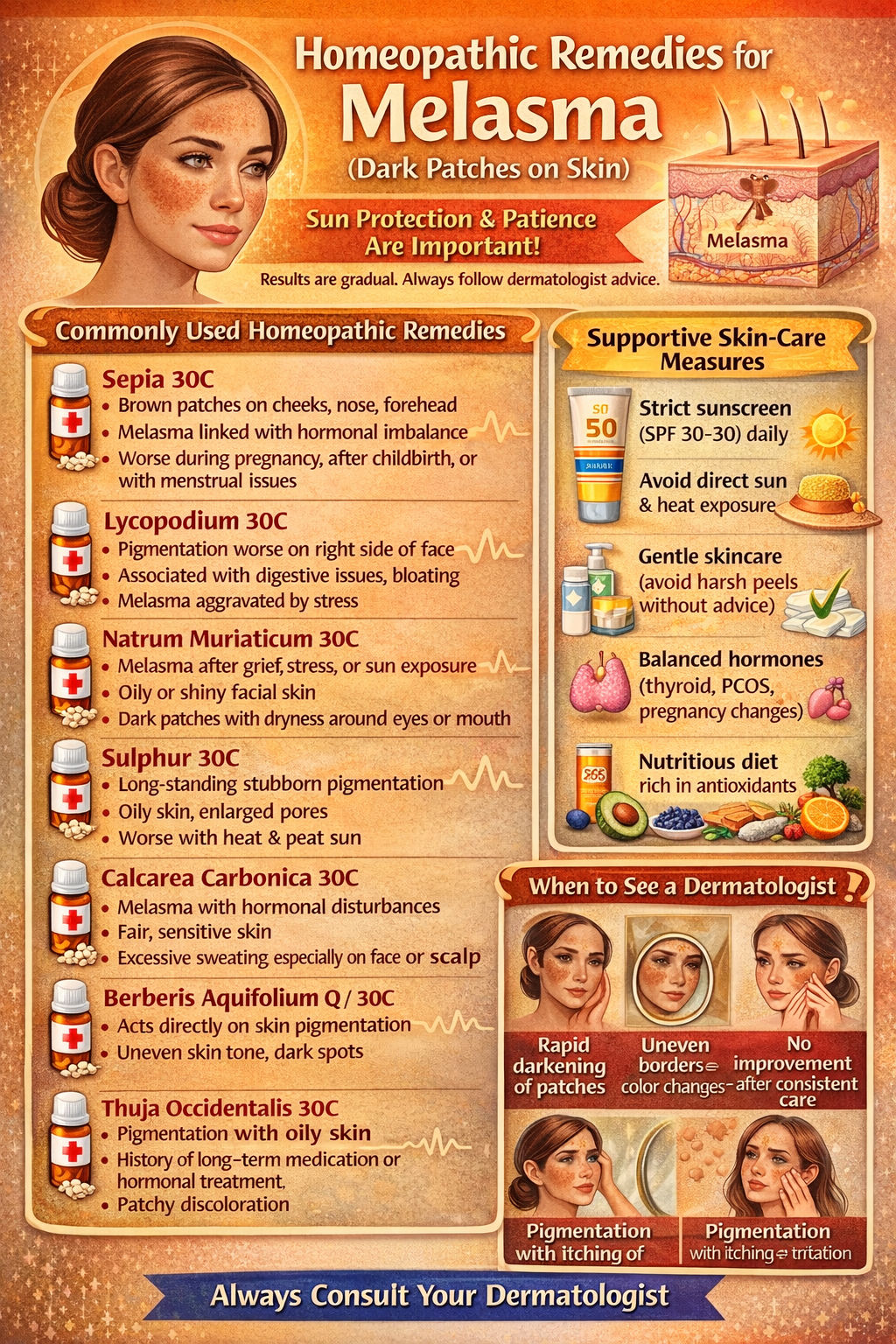
Holistic homeopathic treatment for melasma and chloasma
Lifestyle measures are paired with homeopathic remedies for melasma, so you will be advised on rigorous sun protection and a review of hormonal treatments (for example, switching a contraceptive with your prescriber) while your remedy acts. Case-taking documents reproductive history and symptom modalities, and you may receive a constitutional prescription such as Sepia or Natrum muriaticum when hormonal patterns are evident. Adjunctive coordination with an integrative practitioner often means combined care, for instance, topical sunscreen plus homeopathy over a six-month observational window.
Selecting a homeopathic remedy for hyperpigmentation
Assessment begins with detailed questioning, after which a homeopathic remedy for hyperpigmentation is chosen to match your distinctive signs and symptoms rather than the pigment alone, and you should expect named remedies like Sepia, Thuja, or Natrum muriaticum to be considered depending on mood and skin characteristics. Potency selection typically ranges from low potencies given frequently to higher potencies given singly, with 30C commonly used as an initial option in practice and follow-up timing set to observe response. Follow-up reviews check for initial improvement or aggravation, and if no change appears by eight to twelve weeks, the remedy and potency are re-evaluated.
More information on selection notes: single-remedy prescribing is preferred in many practices; you may encounter combination homeopathic products, but a practicing homeopath usually starts single remedies to isolate response, and dose adjustments are guided by clinical feedback at each appointment.
To wrap up
Aim to make sun protection and trigger avoidance the foundation of any melasma treatment plan you follow, since consistent broad-spectrum sunscreen use and physical barriers reduce recurrence. Clinicians select topical depigmenting agents, chemical peels, or procedural options based on skin type and severity, and some cases are managed with a Q-switched laser session.
Combine topical agents, such as hydroquinone or alternatives like azelaic acid and kojic acid, with retinoids under clinician supervision to see gradual improvement over months; you should monitor for post-inflammatory hyperpigmentation in darker skin and ask for a conservative starting concentration, using a test patch on the jawline first.
Consider homeopathic consultation as a complementary option alongside conventional melasma treatments rather than a replacement, because practitioners often individualize remedies such as Natrum muriaticum, Sepia, or Thuja to your symptom pattern; coordinate care so your dermatologist and homeopath agree on a documented care plan in your medical record.
FAQ


Q: What does melasma look like, and how is it classified clinically?
A: Melasma usually shows up as symmetric brown to gray-brown patches, most often on the cheeks, forehead, upper lip, and chin. Dermatologists classify the distribution patterns as centrofacial, malar, or mandibular, and the depth of pigment as epidermal, dermal, or mixed types, using Wood’s lamp examination or dermoscopy. Epidermal pigment becomes more visible under ultraviolet light.
Q: What are the main causes and immediate triggers of melasma?
A: Ultraviolet exposure and cumulative sun damage drive melanocyte activity and are primary external triggers, while internal factors include genetic predisposition, hormonal shifts such as pregnancy or use of combined oral contraceptives, and endocrine disorders like thyroid disease; for example, many patients first notice patches during pregnancy, a presentation historically called chloasma or the “mask of pregnancy.”
Q: Which hormones are implicated, and does progesterone specifically cause melasma?
A: Estrogen and progesterone both affect melanogenesis by changing the way melanocyte receptors work. This is why melasma often gets worse during pregnancy or when taking estrogen-containing birth control pills. Progesterone is also often involved when it is part of combined hormonal therapy instead of acting alone. Clinicians often see melasma start or flare up when people start or stop taking combined oral contraceptives.
A: Smoking increases oxidative stress and may aggravate existing pigmentary disorders, though direct causation of classic melasma is not firmly established; rosacea itself presents primarily with persistent facial redness and telangiectasia, yet inflammatory flares or aggressive treatments for rosacea can produce post-inflammatory hyperpigmentation that mimics melasma, particularly in darker skin types where lasers and chemical peels carry a higher risk of PIH.
Q: What causes melasma in men, and how does presentation differ from women?
A: Melasma in men is less common and is often linked to exogenous factors such as medication use, occupational ultraviolet exposure, or endocrine therapies; clinical appearance mirrors female patterns, but misdiagnosis as lentigines or post-inflammatory hyperpigmentation is frequent, so a careful medication and sun-exposure history is necessary when evaluating a male patient.
Q: What conventional treatments exist, and what risks should patients know about?
A: Topical agents like hydroquinone, azelaic acid, and tretinoin are first-line therapies, with the triple-combination cream (hydroquinone, tretinoin, and topical corticosteroid) frequently used under supervision; procedural options include chemical peels and lasers, which can accelerate clearance but pose a concrete risk of worsening pigmentation or PIH in Fitzpatrick skin types IV through VI when improperly applied.
Q: How do homeopathic practitioners approach melasma, and what remedies are commonly used?
A: Homeopaths typically take a constitutional case, assessing menstrual history, sleep, appetite, and emotional state before selecting individualized remedies; practitioners commonly prescribe remedies such as Sepia for hormone-related pigmentation after pregnancy, Natrum muriaticum for sun-exacerbated spots in sensitive individuals, Lycopodium for asymmetrical liver-spot-type patches, Graphites or Kali bromatum for stubborn brown stains, and Thuja when lesions follow prior skin eruptions, and they advise concurrent sun protection and dermatologic evaluation rather than sole reliance on topical procedures.
Homeopathic Treatment for Leukoderma in Philadelphia
At the Philadelphia Homeopathic Clinic, a team of practitioners treats vitiligo/leukoderma naturally, using ancient techniques of Traditional Chinese Medicine and traditional homeopathic remedies.
The leader of the provider’s team, Dr. Victor Tsan, is an internationally recognized homeopathic practitioner.
To book an appointment for your homeopathic evaluation at the Philadelphia Homeopathic Clinic, contact our office at (267) 403-3085 or use our online scheduling system.