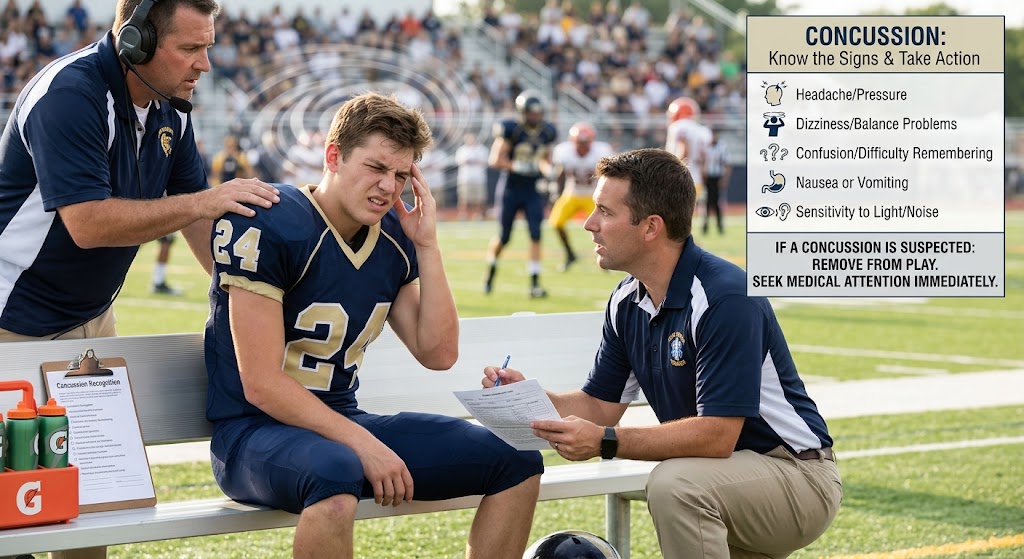
Concussion
With an estimated 1.6 to 3.8 million concussions occurring annually in the United States, you may be wondering how to best address this common yet complex brain injury. You will learn about the causes and diverse symptoms associated with concussions, gaining insight into both immediate and delayed indicators. This guide also explores comprehensive, holistic treatment approaches, including the Best Natural Remedies for Post-Concussion Syndrome.
Key Takeaways:
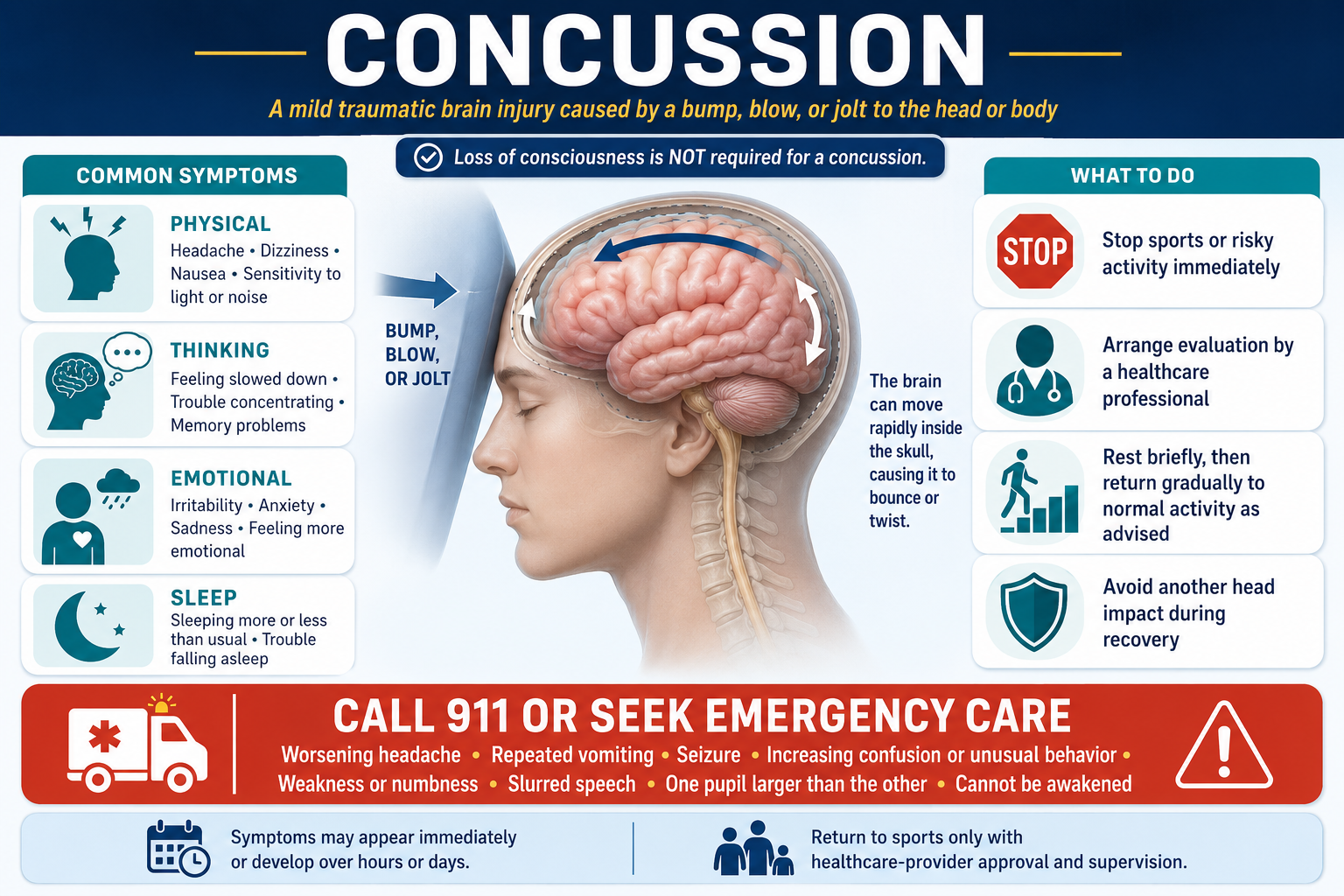
- A concussion is a traumatic brain injury (TBI) resulting from a direct blow to the head or an indirect force causing the brain to move rapidly within the skull, disrupting normal brain function without necessarily causing structural damage visible on standard imaging.
- Common symptoms include headaches, dizziness, confusion, memory problems, and sensitivity to light or sound; children may exhibit irritability, changes in sleep patterns, or a loss of interest in favorite activities.
- Post-Concussion Syndrome (PCS) can develop in a subset of individuals, where symptoms persist for weeks, months, or even years after the initial injury, impacting daily life and requiring comprehensive management strategies.
- Clinical recovery protocols emphasize cognitive and physical rest in the initial phase, followed by a gradual, supervised return to activity, with specific guidelines for athletes and academic settings to prevent re-injury or prolonged recovery.
- Acupuncture offers a complementary therapeutic approach by targeting specific points to potentially reduce inflammation, alleviate pain, and improve neurological function, addressing symptoms such as persistent headaches and sleep disturbances.
- Homeopathic interventions, selected based on the individual’s specific symptom presentation, aim to support the body’s natural healing processes, with remedies like Arnica montana often considered for acute trauma and Natrum sulphuricum for chronic post-concussion complaints.
- Effective concussion management integrates conventional medical oversight with holistic modalities, creating a personalized treatment plan that addresses both the physical and neurological aspects of recovery for optimal patient outcomes.
Identifying Signs and Clinical Symptoms
Common physical and cognitive indicators
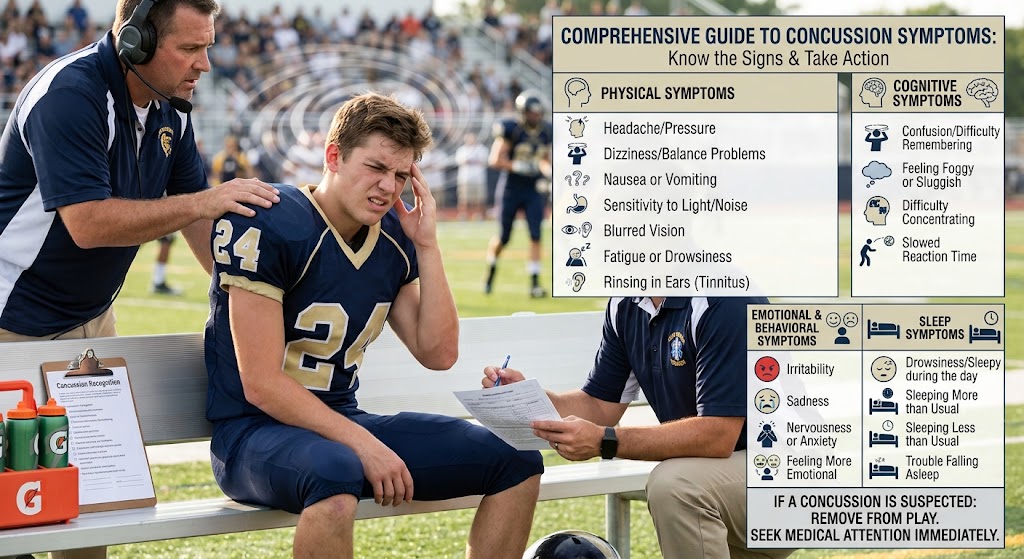
Recognizing the immediate signs of a concussion is paramount for prompt intervention. You might experience a range of physical symptoms, including headaches, which can vary in intensity, along with dizziness or a sense of imbalance. Nausea and vomiting sometimes occur, especially in the initial hours following an impact. Sensitivity to light (photophobia) and sound (phonophobia) are also common, making bright rooms or noisy environments particularly uncomfortable. Cognitive changes are another hallmark of concussion symptoms, affecting your mental clarity and processing. You may notice difficulty concentrating or problems with memory, such as forgetting recent events or conversations. A general feeling of mental fogginess or “not feeling right” is frequently reported. Processing information can feel slower, making tasks that once seemed simple now challenging or fatiguing. Emotional and sleep disturbances can also manifest as symptoms of concussion. You might find yourself more irritable, anxious, or prone to mood swings. Sleep patterns often become disrupted; some individuals experience insomnia, while others feel excessively drowsy and sleep more than usual. These changes, though sometimes subtle, indicate the brain’s attempt to heal and regulate its functions. For more information on recovery, see Concussion Recovery: Holistic Treatments for Healing the Brain.
Pediatric-specific warning signs and behavioral changes during concussion
Identifying signs of concussion in kids often requires careful observation, as young children may not articulate their symptoms clearly.
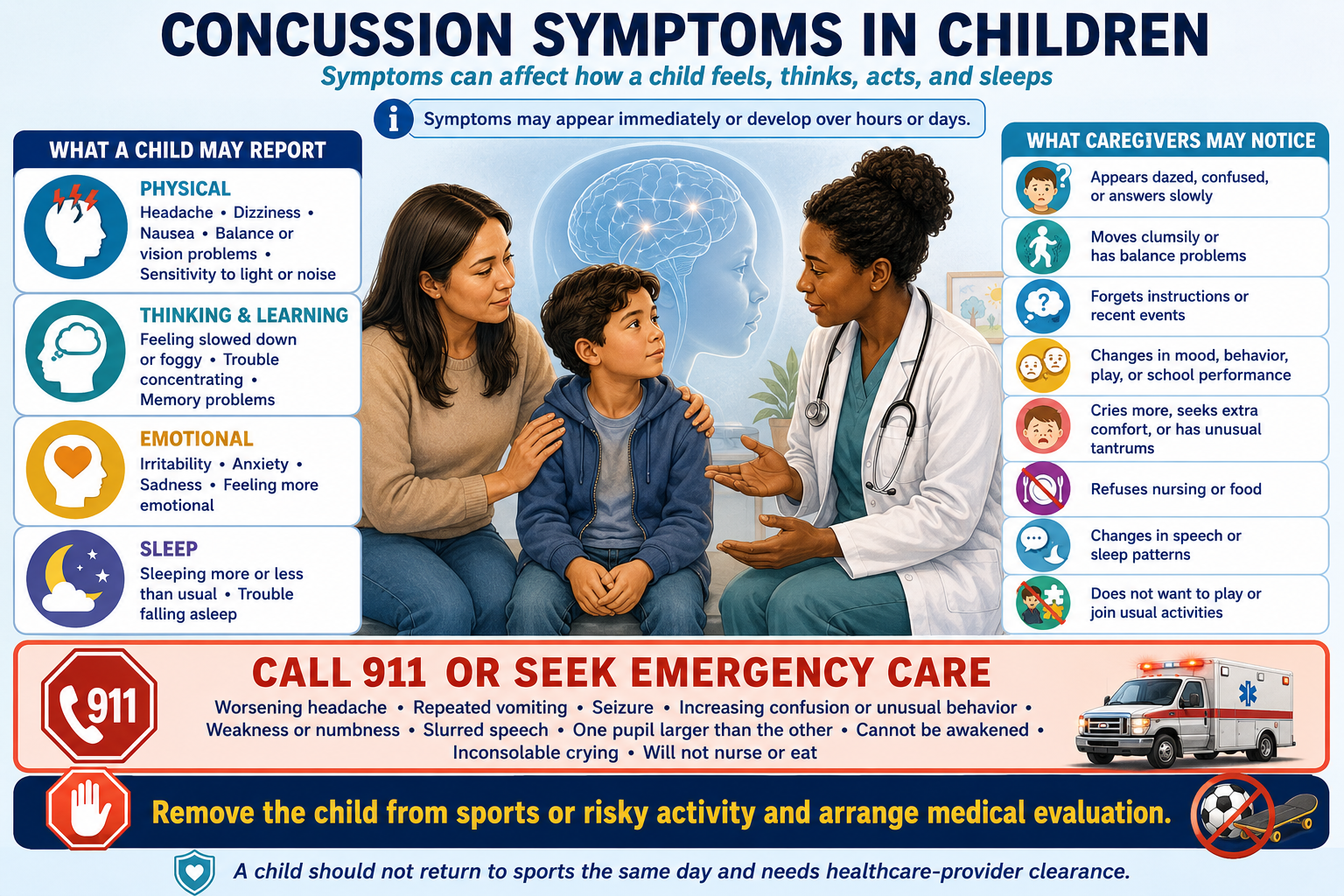 Parents might notice changes in their child’s eating or sleeping patterns, such as a refusal to eat or significant alterations in their usual sleep schedule. Increased irritability, crying more than usual, or a general lack of interest in favorite toys or activities are also important indicators. Observing your child’s behavior for subtle shifts is key. They might appear dazed, sluggish, or unusually tired. A child might also lose new skills they recently acquired, such as toilet training or specific words. These regressive behaviors, while concerning, often point to the brain’s effort to cope with the injury and should prompt immediate medical evaluation. School-aged children may exhibit more overt signs of a concussion, impacting their academic performance and social interactions. Teachers might report a decline in grades, difficulty paying attention in class, or problems completing homework assignments. Socially, a child might withdraw from friends, become more easily frustrated during playtime, or display uncharacteristic aggression.
Understanding Post-Concussion Syndrome (PCS)
Defining the persistence of neurological symptoms
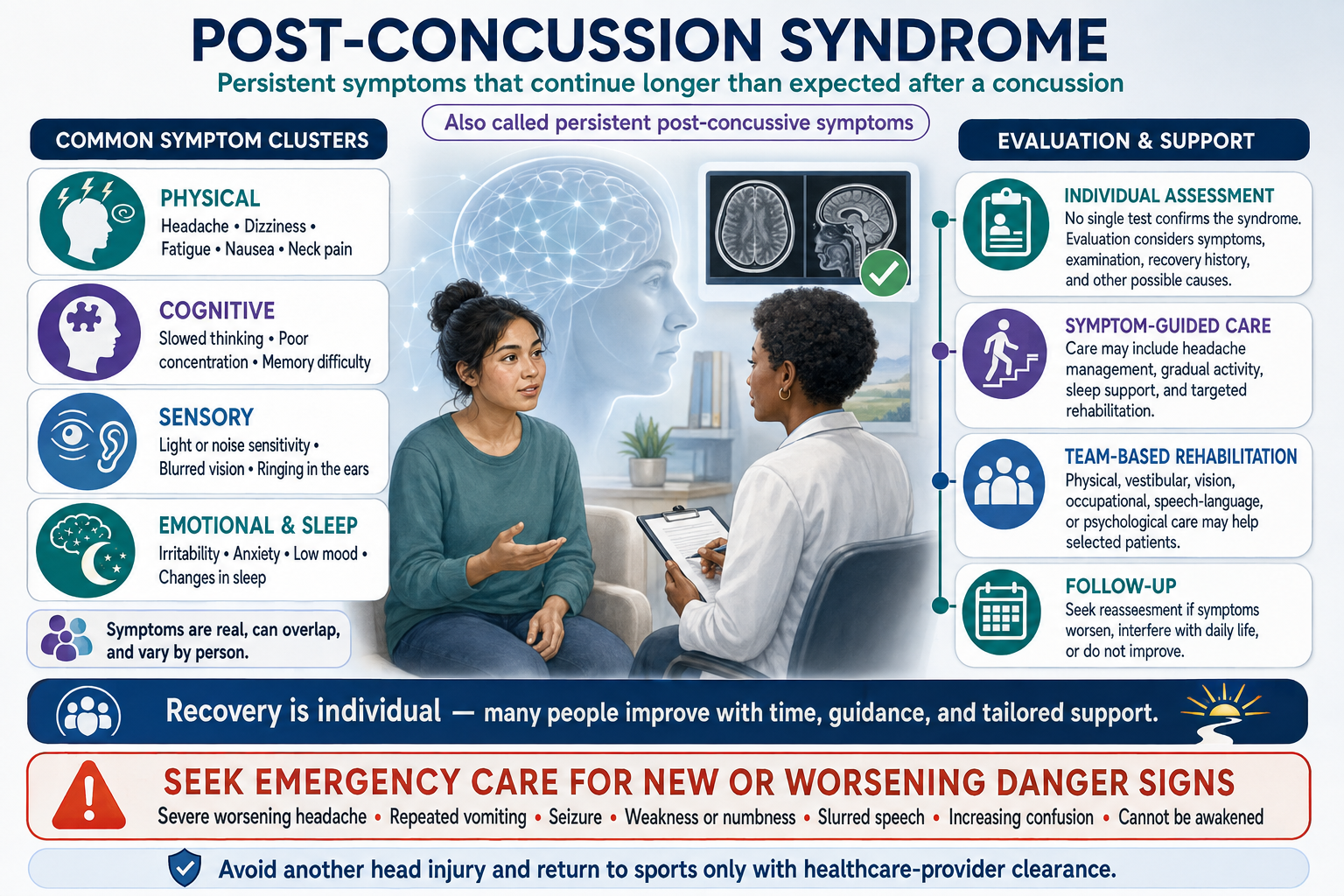
You may find that symptoms persist for an extended duration, a condition frequently referred to as post-concussion syndrome (PCS). This diagnosis typically applies when concussion symptoms continue for weeks, months, or even years after the initial injury. The syndrome encompasses a constellation of physical, cognitive, and emotional challenges that significantly impact daily functioning.
Individuals often report various persistent issues, including headaches, dizziness, fatigue, and sensitivity to light and sound. Cognitive difficulties, such as problems with memory, concentration, and processing speed, are also common. These symptoms, while often invisible to others, can profoundly affect your work, social interactions, and overall quality of life.
Understanding that these enduring symptoms are part of post-concussion syndrome, rather than isolated occurrences, is key to effective management. The prolonged nature of these challenges differentiates PCS from the acute phase of concussion recovery, requiring a distinct and often multidisciplinary approach to treatment and support.
Long-term management of symptoms of concussion appearing years later
Managing symptoms that manifest years after an initial concussion requires a comprehensive and individualized strategy. You might experience a resurgence or new onset of difficulties, even if you believed your recovery was complete. These delayed manifestations often necessitate a re-evaluation of your condition and a tailored therapeutic plan.
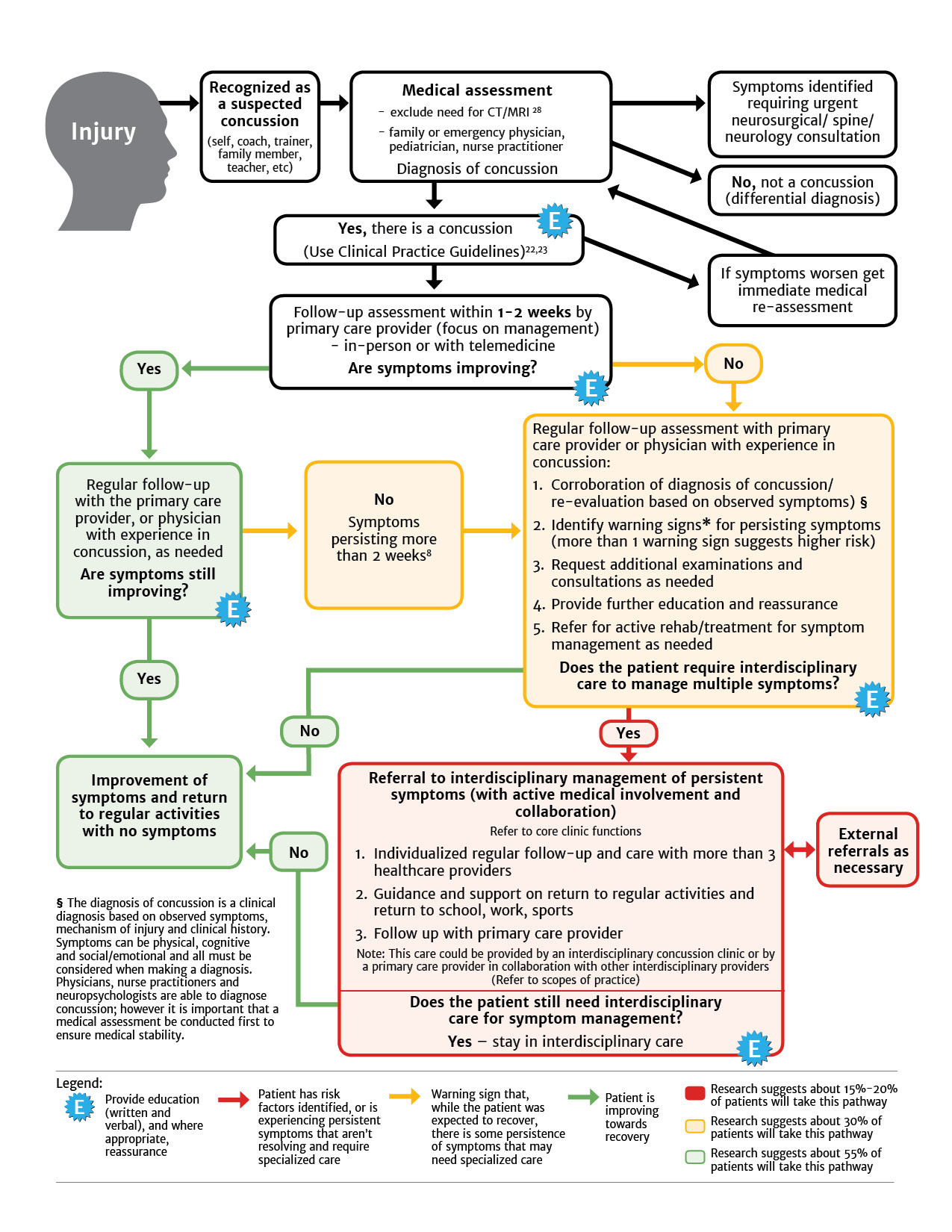
Addressing post-concussion syndrome symptoms years later involves a combination of medical, rehabilitative, and supportive interventions. Physical therapy, for instance, can help with persistent balance issues or neck pain, while cognitive rehabilitation targets memory and attention deficits. A holistic approach considers all aspects of your well-being.
Psychological support, including counseling or therapy, also plays a crucial role in managing the emotional and psychological impact of chronic symptoms. Many individuals find that symptoms like anxiety, depression, or irritability, which may appear years later, significantly benefit from targeted mental health interventions, improving coping mechanisms and overall resilience.
Exploring alternative and complementary therapies can also be beneficial when addressing post-concussion syndrome symptoms years later. Approaches such as acupuncture, massage therapy, or nutritional counseling may offer additional avenues for symptom relief and overall neurological support. These methods can often work in conjunction with conventional treatments, providing a more integrated care plan tailored to your evolving needs.
Clinical Recovery from Concussion: Protocols and Timelines
Establishing an effective recovery window
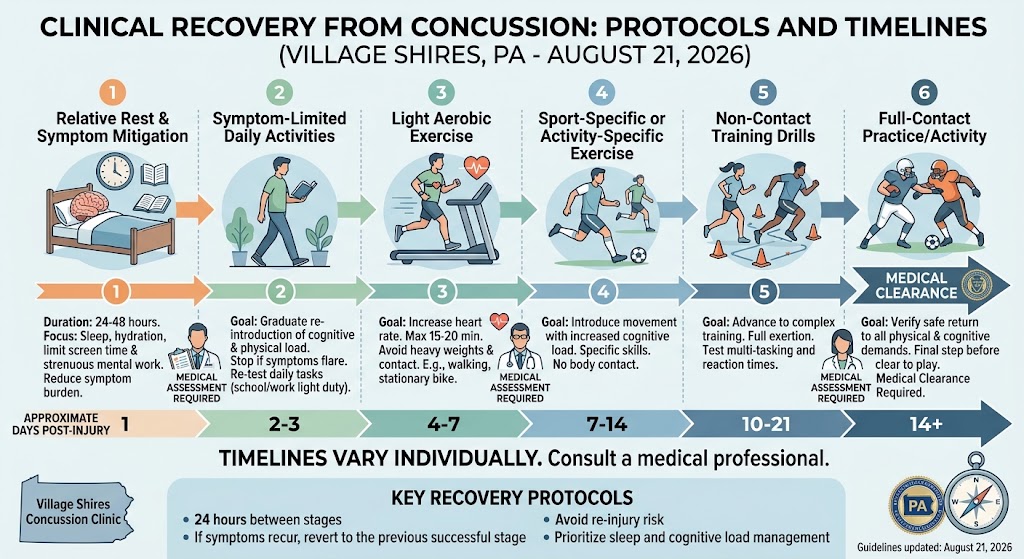
You should understand that the initial period following a concussion is critical for establishing an effective recovery window. During this phase, which often lasts 24-72 hours, strict physical and cognitive rest is paramount to prevent further injury and allow the brain to begin its healing process. Limiting exposure to screens, loud noises, and strenuous activities directly supports neurological recuperation. Individuals experiencing a concussion benefit significantly from early intervention and monitoring. A healthcare provider will typically conduct a thorough assessment, including neurological exams and symptom checklists, to gauge the severity of the injury and tailor a preliminary concussion protocol. This initial evaluation helps set realistic expectations for concussion recovery time. Establishing clear boundaries for activity modification is a cornerstone of this early recovery period. For example, a student might be advised to attend school for only half days, or an athlete might be restricted from any physical exertion beyond light walking, ensuring the brain is not overstimulated. This careful management directly impacts the overall concussion treatment strategy.
Adherence to standard return-to-activity guidelines
You must follow a structured, stepwise approach to return to activity after a concussion. This concussion protocol typically involves several stages, each contingent upon the absence of symptoms at the previous level. Attempting to rush this process can prolong recovery and increase the risk of re-injury, making adherence critical for effective concussion treatment. Typically, the guidelines begin with light aerobic exercise, such as stationary cycling or brisk walking, for short durations. If no symptoms reappear after 24 hours at this level, you can progress to moderate activities, which might include more intense cardio or sport-specific drills without head impact. Each stage of the concussion recovery time is carefully monitored. Progression through these stages is individualized; one person may advance quickly while another may need more time at each level. A healthcare professional will guide this process, ensuring that any return to full contact sports or demanding cognitive tasks is gradual and safe. This careful supervision is a key component of how to treat a concussion effectively. The final stages of the return-to-activity guidelines involve full-contact practice (for athletes) or a complete return to normal academic or work duties. This progression is only permitted when you are entirely symptom-free at rest and during all previous stages of activity. A full medical clearance from a physician is required before resuming activities that carry a risk of head impact, ensuring the brain has adequately healed.
Acupuncture as a Holistic Neurological Support
Therapeutic applications for head injuries
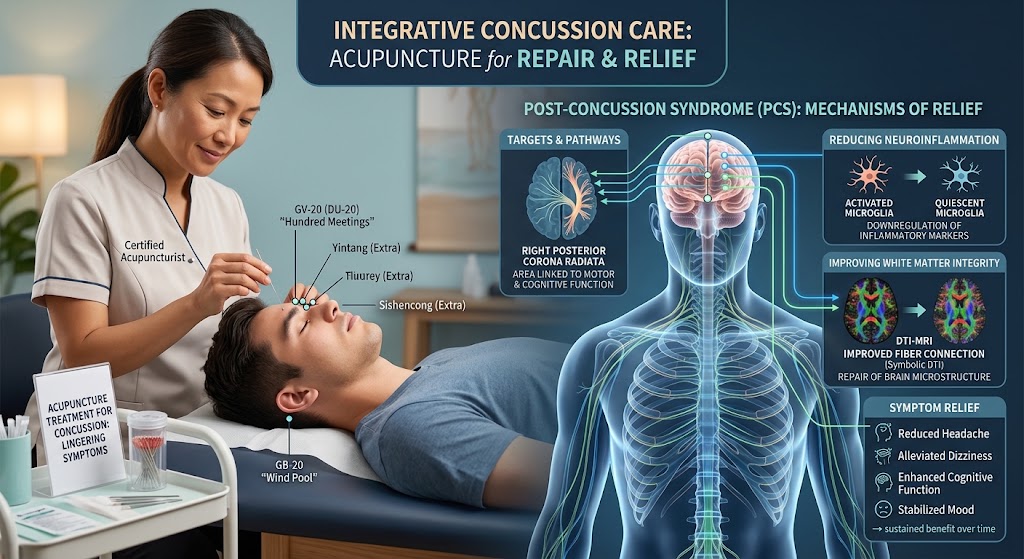
Traditional Chinese Medicine (TCM) offers acupuncture as a complementary therapy, addressing the complex neurological and physiological disruptions following a concussion. This ancient practice aims to restore balance and promote the body’s natural healing mechanisms by inserting fine needles into specific points on the body. You will find that acupuncture can help mitigate symptoms such as headaches, dizziness, and cognitive fogginess often associated with mild traumatic brain injury (mTBI). Acupuncture works by stimulating the central nervous system, which in turn can influence the release of neurochemicals, including endorphins and neurotransmitters. These physiological responses contribute to pain relief, reduced inflammation, and improved cerebral blood flow, all beneficial in the context of concussion recovery. You might experience a reduction in the intensity and frequency of post-concussion headaches through regular sessions. The holistic nature of acupuncture means it treats the individual, not just the symptoms, considering the patient’s overall health and unique presentation of concussion-related issues. Practitioners tailor treatments to address specific imbalances identified during a comprehensive TCM diagnosis, which includes pulse and tongue examination. Your treatment plan will likely evolve as your recovery progresses, adapting to changes in your symptoms.
Strategic selection of acupuncture points for symptom relief
 Selecting appropriate acupuncture points is paramount for effectively managing concussion symptoms. Practitioners often target points on the head, such as Baihui (GV20), located at the crown, and Yintang (EX-HN3), situated between the eyebrows, to address headaches, dizziness, and mental clarity. These points are believed to calm the spirit and open the sensory orifices. Other frequently utilized points include those on the limbs, like Hegu (LI4) on the hand and Taichong (LR3) on the foot, which are known for their analgesic and stress-reducing effects. Combining these distal points with local head points helps create a comprehensive treatment strategy, promoting systemic healing. You may feel a sense of relaxation throughout your body during these treatments. The practitioner may also choose points to support specific organ systems believed to be affected by the concussion according to TCM theory, such as the Liver and Kidney meridians. For example, points along the liver meridian can help regulate emotional disturbances and reduce irritability, a common sequelae of head injuries. Your individualized treatment plan will reflect these targeted selections. Acupuncture points for concussion are often chosen based on their ability to address symptoms like nausea, fatigue, and sleep disturbances, which can significantly impact recovery. For instance, Neiguan (PC6) on the forearm is frequently used to alleviate nausea, while Sanyinjiao (SP6) on the lower leg can improve sleep quality and reduce fatigue. These strategic choices aim to provide comprehensive relief, supporting your journey back to optimal health.
Homeopathic Interventions for Acute and Chronic Phases of Concussion
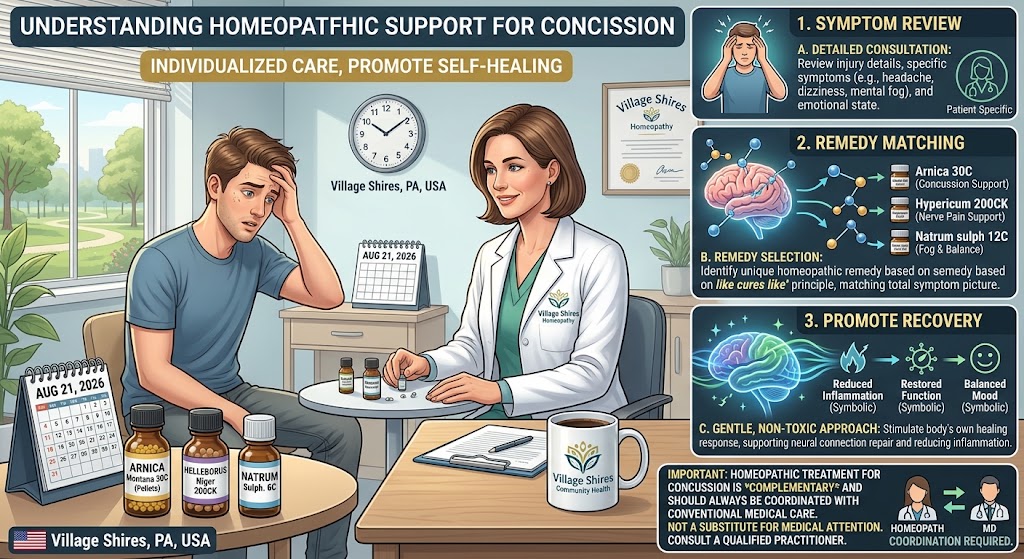
Natural remedies for acute trauma response
Immediately following a concussion, specific homeopathic remedies can address the initial shock and physical trauma. You might consider *Arnica montana*, a well-known remedy for blunt trauma, bruising, and soreness, often administered shortly after the injury to mitigate swelling and discomfort. This remedy aims to reduce the immediate inflammatory response and the feeling of being “beaten up” that often accompanies a head injury. Another valuable remedy for the acute phase is *natrum sulphuricum*, particularly when there is a history of head injury or if the person experiences mental dullness, irritability, or depression after a concussion. It is often indicated when symptoms are worse in damp weather or from living in damp places. Administering this remedy can help manage the immediate neurological symptoms and emotional distress that can arise. You could also use *Hypericum perforatum*, especially if nerve damage or sharp, shooting pains are a prominent feature of the concussion. This remedy is specifically indicated for injuries to nerve-rich areas, such as the spine or head, and can be beneficial for nerve pain or tingling sensations that occur directly after the impact. It helps with the acute pain response and potential nerve irritation.
Homeopathic support for lingering post-concussion syndrome
Addressing the persistent symptoms of post-concussion syndrome (PCS) often requires a different set of homeopathic remedies, tailored to the individual’s specific, long-term complaints. You might find *Helleborus niger* useful for a dull, heavy feeling in the head or for a general mental slowness and difficulty concentrating, which are common in PCS. This remedy is often considered when there is an overall apathy or a slow comprehension. Consider *Cicuta virosa* if the concussion has led to spasms, convulsions, or severe neurological disturbances, even if these symptoms manifest long after the initial injury. It is indicated for conditions where there is a history of head trauma followed by violent neurological reactions or a profound sensitivity to touch and noise. This remedy helps with the more severe neurological sequelae of PCS. Another remedy, *Ruta graveolens*, can be beneficial for chronic symptoms affecting the periosteum (bone covering) or tendons, such as persistent headaches or eye strain following a concussion. It is often chosen when the pain feels deeply seated or when there is a sensation of bruising in the bones of the skull. This remedy helps alleviate the chronic aches and pains associated with the long-term effects of head trauma. You might also explore *opium* for persistent drowsiness, a lack of reaction to stimuli, or a stupor that can sometimes follow a severe concussion, even weeks or months later. This remedy is indicated when there is a history of head injury leading to a deep, heavy sleep or a general dulling of the senses and mental faculties. It helps address the profound lethargy and altered consciousness that can linger.
Final Words
You have gained insight into concussion, from its causes and varied symptoms to the comprehensive strategies available for recovery. Recognizing the signs promptly, whether they manifest immediately or with a delay, allows for timely intervention, which is paramount in mitigating long-term complications such as post-concussion syndrome (PCS). Understanding that recovery is not a linear path but a dynamic process, often requiring patience and adaptive care, will help you manage expectations and adhere to your personalized treatment plan. Your recovery journey can significantly benefit from a multi-faceted approach, incorporating both conventional medical protocols and complementary therapies. While rest and a gradual return to activity form the bedrock of most concussion management plans, integrating modalities like acupuncture can help address persistent symptoms such as headaches, dizziness, and sleep disturbances, offering neurological support. Homeopathic interventions, tailored to your specific symptomatic presentation, can further aid in both acute and chronic phases of healing, working to restore your body’s natural balance and accelerate recovery. You can proactively manage your recovery by exploring various self-care strategies and understanding the resources available. For a deeper understanding of practical daily steps and comprehensive support during your healing process, you may find an Overview of Self-Care particularly beneficial. This holistic perspective, combining clinical guidance with supportive therapies, provides a robust framework for you to regain your well-being and return to your daily activities with confidence.
FAQ

Q: What exactly is a concussion?
A: A concussion represents a mild traumatic brain injury (TBI) resulting from a direct blow to the head or an indirect force causing rapid head movement, such as whiplash. This sudden motion causes the brain to move inside the skull, potentially stretching and damaging brain cells and causing chemical changes. While often considered a mild injury, its effects can disrupt normal brain function, leading to a range of physical, cognitive, and emotional symptoms.
Q: What are the common symptoms of a concussion?
A: Concussion symptoms vary widely among individuals but generally include headaches, dizziness, nausea, and sensitivity to light or sound. Cognitive difficulties, such as problems with memory, concentration, and processing speed, frequently appear. Emotional changes like irritability, anxiety, or sadness are also common manifestations, often presenting within hours or days of the initial injury, although some symptoms may have a delayed onset.
Q: How long does concussion recovery typically take?
A: The recovery timeline for a concussion is highly individual, with many people feeling better within a few days to a few weeks. Children and adolescents often require longer recovery periods than adults, sometimes extending to several months. A small percentage of individuals may experience symptoms that persist for an even longer duration, potentially developing into post-concussion syndrome.
Q: What is Post-Concussion Syndrome (PCS)?
A: Post-Concussion Syndrome (PCS) describes a condition where concussion symptoms persist for weeks, months, or even years after the initial injury. Headaches, dizziness, fatigue, and cognitive issues like brain fog are common complaints in PCS patients. Emotional disturbances, including increased anxiety, depression, and mood swings, also frequently accompany the physical and cognitive challenges, significantly impacting daily life.
Q: Can acupuncture help with concussion symptoms?
A: Acupuncture offers a complementary approach to managing various concussion symptoms, particularly chronic headaches, dizziness, and fatigue. Practitioners target specific acupoints to help restore neurological balance and reduce inflammation. For instance, points like GV20 (Baihui) and GB20 (Fengchi) are frequently used to address head pain and improve cerebral blood flow, potentially alleviating persistent symptoms.
Q: Are there homeopathic remedies for concussions?
A: Homeopathy provides individualized treatments aimed at supporting the body’s natural healing processes after a concussion. Arnica montana is a frequently recommended remedy in the acute phase, particularly for bruising and shock following trauma. Other remedies, such as Natrum sulphuricum, might be considered for chronic symptoms like headaches or mood changes, especially when symptoms worsen with damp weather or head injuries.
Q: When should someone seek medical attention for a concussion?
A: If a head injury results in unconsciousness, frequent vomiting, an intensifying headache, convulsions, uneven pupils, or disorientation. Make an appointment for a medical assessment within 24 to 72 hours if you have fewer symptoms.
Treatment for post-concussion syndrome in Philadelphia
If you prefer to take a holistic treatment for concussion at the Philadelphia Holistic Clinic, it is recommended that you prepare well for the appointment.
What can you do?
- Jot down any signs and symptoms you are experiencing, consisting of any type that might appear unconnected to why you made the appointment.
- Document crucial individual information, including any major anxieties or current life changes.
- List any medicines, vitamins, or supplements you are taking.
- Ask a family member or trusted friend to be with you, preferably ahead of time. Often, it can be difficult to remember all the details given to you during a visit. Someone who accompanies you might bear in mind something you lost or forgot.
- Write down questions to ask your medical professional.
Contact our clinic at (267) 403-3085 to schedule your appointment with Dr. Tsan, or use our automatic online booking application.