Flatulence (Farting)
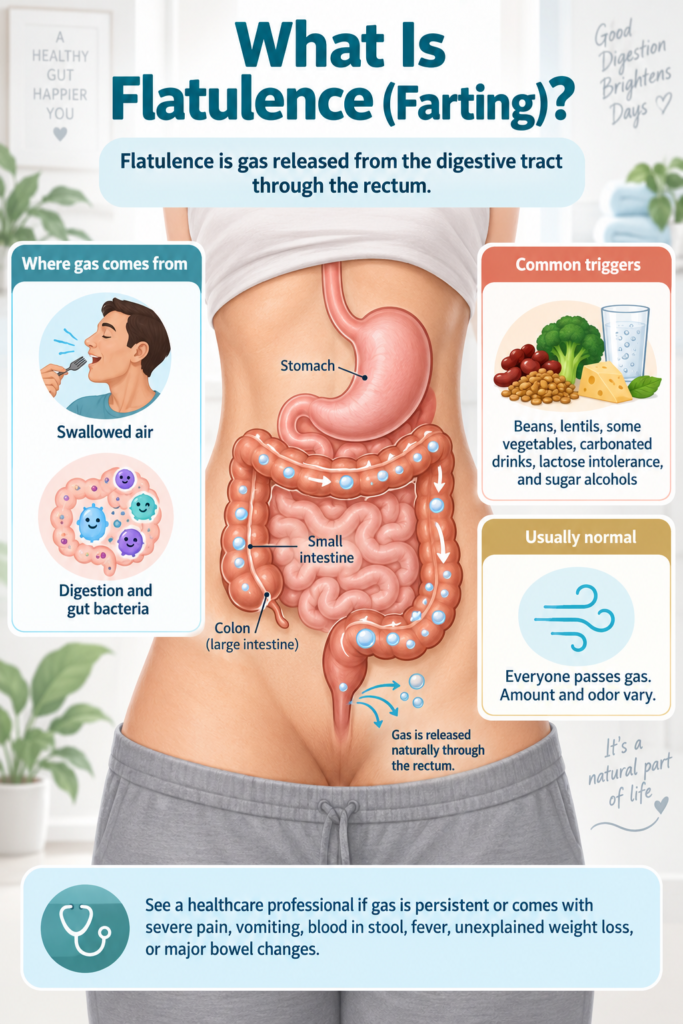
Flatulence, commonly called “farting” in slang, means releasing gas from the digestive system through the anus. Just as a natural bodily function, flatulence (farting) affects everyone, yet understanding its nuances can significantly improve your digestive comfort. You might experience this common occurrence daily, but its frequency and intensity can vary widely depending on diet and lifestyle. This guide explores the underlying causes, common symptoms, and effective holistic strategies to manage flatulence.

Key Takeaways:
- Digestive processes, particularly the fermentation of undigested carbohydrates by gut bacteria, produce the gases that result in flatulence. Certain foods, like beans, lentils, broccoli, and some fruits, contain complex sugars that resist digestion in the small intestine, reaching the colon, where microbial breakdown generates significant gas.
- Symptoms of flatulence extend beyond the mere expulsion of gas and can include abdominal bloating, discomfort, and occasional sharp pains. The sensation of fullness or a distended abdomen often accompanies increased gas production, indicating an imbalance in the digestive system.
- Preventative measures for reducing flatulence often involve careful dietary adjustments and mindful eating habits. Chewing food thoroughly, eating slowly, and avoiding carbonated beverages can significantly reduce the amount of air swallowed, a common contributor to gas.
- Numerous nutritional strategies can help manage chronic flatulence, such as incorporating enzyme-rich foods or supplements. Papain (from papaya) and bromelain (from pineapple) are natural enzymes that aid in protein digestion and may lessen the burden on gut bacteria.
- Traditional home remedies offer accessible approaches to alleviating flatulence; for instance, ginger tea has long been used for its carminative properties. The active compounds in ginger, such as gingerols, help relax the smooth muscles of the gastrointestinal tract, facilitating gas expulsion and reducing discomfort.
- Herbal treatments, including peppermint and fennel, demonstrate effectiveness in reducing gas and bloating. Peppermint’s menthol content can soothe the digestive tract, while fennel seeds are known to relax intestinal muscles and decrease gas formation.
- Integrative medicine, encompassing Ayurvedic and homeopathic protocols, provides individualized treatments for flatulence. Ayurvedic practices might recommend specific dietary regimens based on an individual’s dosha, while homeopathic remedies like Lycopodium or Carbo Vegetabilis are selected based on the precise presentation of symptoms.
Primary Etiology and Dietary Triggers
Biological and Physiological Drivers
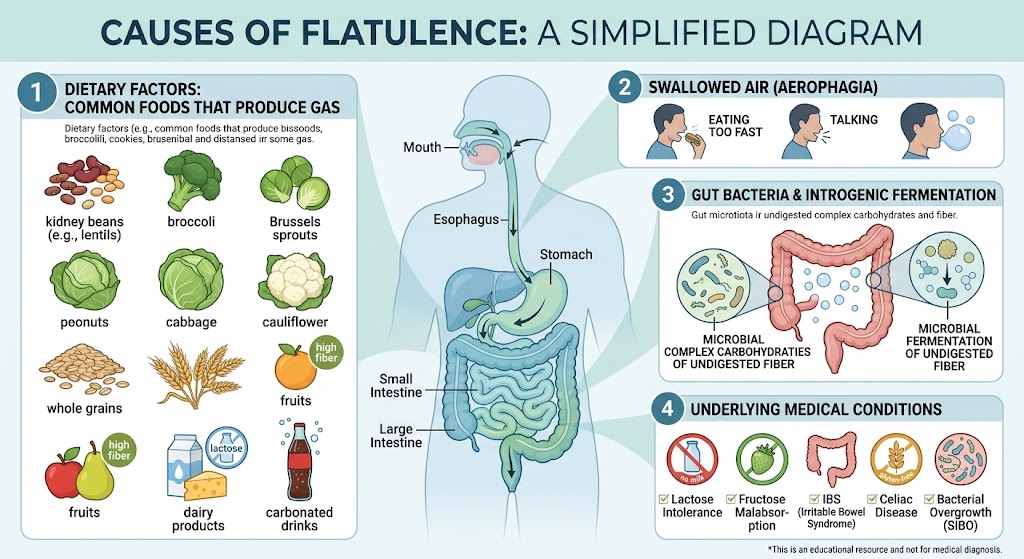
The primary cause of flatulence often stems from the natural processes within your digestive tract. When you consume food, particularly carbohydrates, bacteria in your large intestine ferment undigested components, producing various gases such as hydrogen, methane, and carbon dioxide. This fermentation is a normal part of digestion, but the volume and type of gas produced can vary significantly among individuals. Swallowing air (aerophagia) also contributes to the gas expelled as flatulence, though a substantial portion of swallowed air is typically released through belching. Eating too quickly, drinking carbonated beverages, or chewing gum can all increase the amount of air you ingest, leading to a greater accumulation of gas in your system. Certain medical conditions, such as irritable bowel syndrome (IBS) or celiac disease, can disrupt normal digestive function and exacerbate gas production, sometimes leading to uncontrollable flatulence. Your gut microbiome, the complex community of microorganisms residing in your intestines, plays a significant role in determining the amount and type of gas you produce. An imbalance in these bacterial populations, often referred to as dysbiosis, can lead to increased fermentation and, consequently, more pronounced flatulence. Genetic predispositions can also influence how efficiently your body processes certain foods and the composition of your gut flora, which affects your susceptibility to gas.
The Impact of Specific Food Groups on Gas Production
Certain food groups are particularly notorious for their gas-producing potential due to their high content of fermentable carbohydrates. Legumes, including beans, lentils, and chickpeas, contain oligosaccharides that are not easily digested in the small intestine, leading to extensive fermentation by gut bacteria in the colon. Broccoli, cabbage, Brussels sprouts, and other cruciferous vegetables also contain these complex sugars, contributing to increased gas production. Dairy products, for individuals with lactose intolerance, present another common trigger for flatulence. The inability to break down lactose, the sugar found in milk and other dairy items, means it passes undigested into the large intestine, where bacteria ferment it, resulting in gas, bloating, and sometimes diarrhea. Even seemingly healthy foods, such as whole grains and some fruits like apples and pears, can contribute to flatulence because of their fiber content and specific types of sugars, like fructose and sorbitol. Artificial sweeteners, including sorbitol and mannitol, frequently found in sugar-free candies and chewing gums, are poorly absorbed by the body and become readily available for fermentation by gut bacteria. These sugar alcohols can cause significant gastrointestinal distress, including excessive gas, even in relatively small quantities. Consuming these products regularly can lead to a consistent pattern of increased flatulence. Onions and garlic, while flavorful, also contain fructans, another type of fermentable carbohydrate that can lead to increased gas for many individuals. These ingredients are ubiquitous in many cuisines, making them a common, sometimes overlooked, source of dietary flatulence. Identifying these specific triggers in your diet can be a crucial step in managing excessive gas.
Symptomatology of Flatulence and Associated Gastrointestinal Distress
Identifying Common Physical Indicators
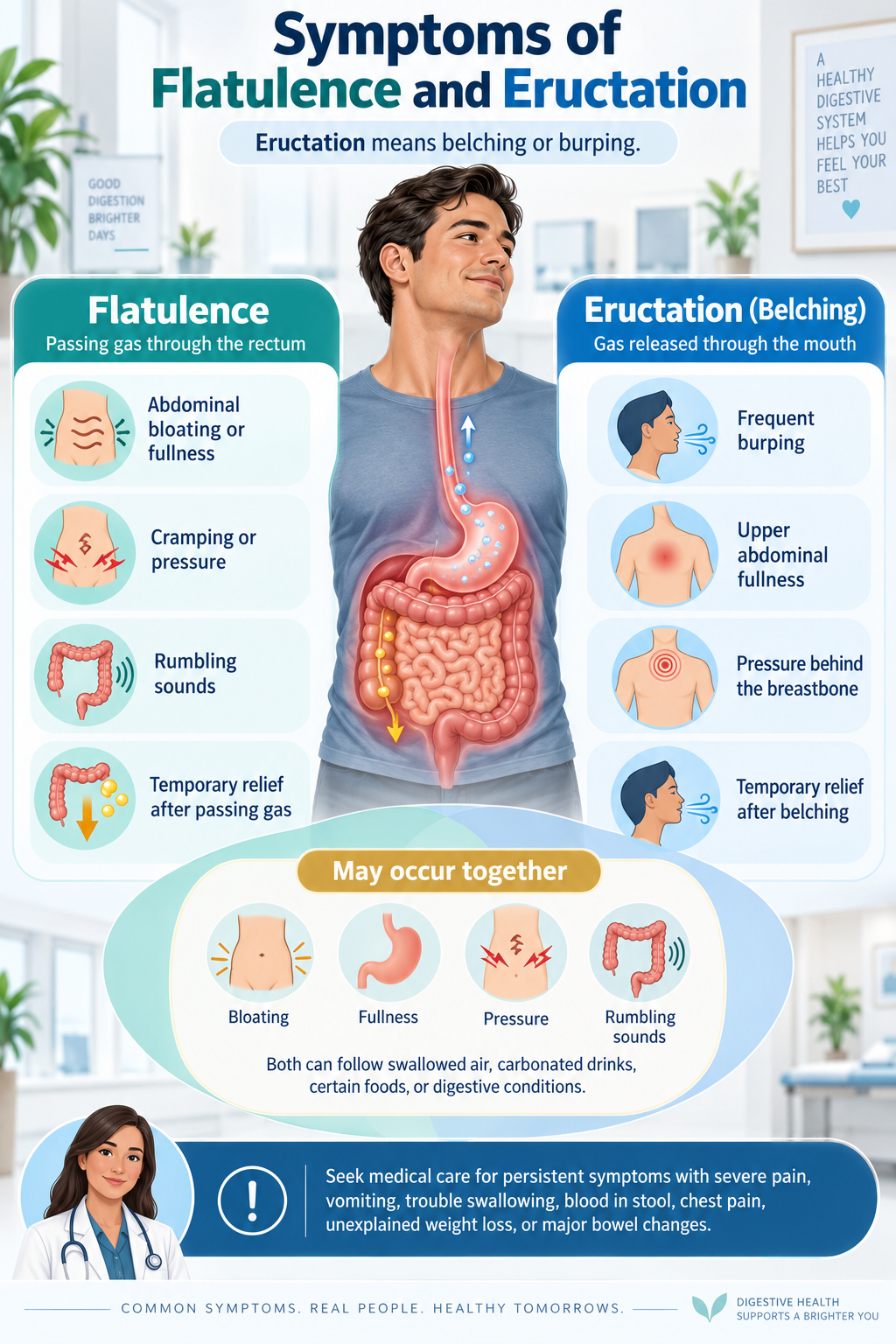
Recognizing the common physical indicators of flatulence is essential for understanding and managing this condition. You may experience a feeling of fullness or distension in your abdomen, often described as bloating. This sensation arises from the accumulation of gas within the digestive tract, pressing against the intestinal walls. Another frequent symptom involves audible bowel sounds, sometimes referred to as borborygmi, which are the sounds of gas and fluid moving through your intestines. These sounds can range from soft gurgles to more pronounced rumbling noises, often varying in intensity depending on the amount of gas present. Passing gas, the most direct manifestation of flatulence, can occur with varying frequency and intensity. While occasional flatulence is a normal physiological process, an increase in its occurrence, particularly when accompanied by discomfort, suggests a need for closer examination of your dietary and lifestyle habits.
The Correlation Between Excessive Burping and Flatulence
Excessive burping, medically known as belching, often accompanies flatulence, indicating a broader pattern of gas retention within the digestive system. You might notice an increased frequency of burping after meals, especially if you consume carbonated beverages or eat quickly. This occurs because air is swallowed while eating or drinking, which accumulates in the stomach. This swallowed air, if not expelled through burping, can then pass into the intestines, contributing to the overall gas load and subsequently increasing flatulence. The connection between these two symptoms highlights how processes in the upper gastrointestinal tract can directly influence conditions in the lower digestive system. Addressing both excessive burping and flatulence often requires a comprehensive approach, as they frequently stem from similar underlying causes, such as diet, eating habits, or specific gastrointestinal sensitivities. For instance, a diet rich in fermentable carbohydrates can produce gas that manifests as both burping and flatulence. The act of swallowing air, known as aerophagia, is a primary contributor to both burping and the subsequent passage of intestinal gas. You might inadvertently swallow more air when chewing gum, smoking, or drinking through a straw, directly increasing the volume of gas in your digestive system.
Preventative Protocols for Digestive Health and Flatulence

Behavioral Modifications to Reduce Air Ingestion
Minimizing air ingestion represents a primary strategy for preventing excessive burping and flatulence. Eating and drinking too briefly introduces substantial air into the digestive tract, a common trigger for discomfort. Slower consumption allows for less air to be swallowed with each bite and sip. Chewing gum is another significant contributor to air ingestion, as the constant chewing motion encourages swallowing air frequently. Eliminating gum chewing can noticeably reduce the volume of swallowed air. Similarly, consuming carbonated beverages, which contain dissolved gases, directly introduces gas into the stomach, leading to increased burping. Smoking also causes individuals to swallow air, compounding the issue of gas accumulation. Quitting smoking, or at least reducing intake, offers digestive benefits beyond general health improvements, specifically by decreasing swallowed air. Using loose-fitting dentures, if applicable, also prevents air from being trapped and swallowed during meals.
Proactive Habits for Long-Term Relief
Addressing underlying conditions significantly impacts long-term digestive comfort. Treating conditions such as irritable bowel syndrome (IBS), gastroesophageal reflux disease (GERD), or celiac disease can alleviate chronic burping and flatulence, as these conditions often disrupt normal digestive processes and gas regulation. Consulting a healthcare professional for proper diagnosis and management of these issues is a logical first step. Dietary adjustments play a critical role in managing gas production. Identifying and reducing intake of gas-producing foods, like beans, lentils, broccoli, cabbage, and certain artificial sweeteners, can lead to substantial relief. Keeping a food diary helps pinpoint specific triggers. Regular physical activity supports overall digestive function, including the efficient movement of gas through the intestines. Even moderate exercise, such as a daily walk, can stimulate gut motility, thereby reducing gas buildup and promoting its natural expulsion. Staying hydrated by drinking plenty of water also aids digestion and helps prevent constipation, which can exacerbate gas issues. Furthermore, managing stress effectively has a direct impact on gut health. The gut-brain axis means that stress can alter digestive processes, potentially leading to increased gas production and discomfort. Incorporating relaxation techniques, such as meditation or deep breathing exercises, into your daily routine can offer tangible benefits for digestive well-being.
Clinical and Nutritional Management Strategies for Flatulence and Eructation

Interventions for Persistent and Chronic Flatulence
Addressing persistent or chronic flatulence often requires a multifaceted approach, beginning with a thorough evaluation of underlying causes. You might find relief through over-the-counter medications designed to reduce gas, such as simethicone, which works by breaking down gas bubbles in the digestive tract, making them easier to pass. For individuals experiencing chronic symptoms, a physician may recommend prescription medications that target specific issues, like antibiotics for small intestinal bacterial overgrowth (SIBO) if it’s identified as the root cause. Your doctor might also suggest enzyme supplements, particularly if digestive enzyme deficiencies are contributing to your flatulence. Lactase supplements, for instance, can be highly effective for individuals with lactose intolerance, allowing them to digest dairy products without experiencing excessive gas. Similarly, alpha-galactosidase can help break down complex carbohydrates found in beans and certain vegetables, preventing their fermentation in the colon. Identifying and managing underlying gastrointestinal conditions remains paramount for effective treatment of chronic flatulence. Conditions such as irritable bowel syndrome (IBS), celiac disease, or inflammatory bowel disease (IBD) can significantly contribute to gas production. Successful treatment of these primary conditions, often involving specific dietary changes, medications, or lifestyle adjustments, will typically lead to a substantial reduction in flatulence.
Nutritional Adjustments and Dietary Therapy
Implementing specific nutritional adjustments forms a cornerstone of managing flatulence. You can begin by keeping a detailed food diary to identify personal triggers, noting which foods consistently lead to increased gas production. Common culprits include high-FODMAP foods (fermentable oligosaccharides, disaccharides, monosaccharides, and polyols), certain fibers, and artificial sweeteners. Reducing your intake of gas-producing foods is a practical first step in dietary therapy. This often means temporarily limiting foods like beans, lentils, broccoli, cabbage, onions, and carbonated beverages. You do not need to eliminate these foods permanently, but rather identify your personal tolerance levels and reintroduce them gradually while monitoring your symptoms. Consider increasing your intake of easily digestible foods and incorporating digestive aids. Fermented foods, like sauerkraut or kimchi, introduce beneficial bacteria to the gut, potentially improving digestion and reducing gas. Drinking peppermint tea, known for its carminative properties, can also help to soothe the digestive tract and alleviate gas discomfort after meals. Many individuals benefit from a low-FODMAP diet, which systematically eliminates and then reintroduces specific carbohydrates to pinpoint triggers. This approach, guided by a registered dietitian, can be highly effective in identifying the exact foods responsible for your flatulence. By carefully following the phases of a low-FODMAP diet, you can significantly reduce symptoms and gain a clearer understanding of your personal dietary sensitivities, ultimately creating a more sustainable and comfortable eating plan.
Natural and Traditional Home Remedies for Flatulence and Eruption

Application of Herbal Therapeutics
Many herbal remedies offer a gentle approach to mitigating flatulence. Carminative herbs, for instance, are particularly effective, as they help to expel gas and soothe the digestive tract. Peppermint, known for its active compound menthol, relaxes the muscles of the gastrointestinal system, thereby reducing spasms that can trap gas. Ginger, a well-regarded digestive aid, stimulates digestive enzymes and can accelerate gastric emptying, which in turn minimizes the fermentation time of food in the gut. You can consume it as a tea, often steeped with fresh slices, or incorporate it into your meals. Fennel seeds contain anethole, a compound that helps to relax the smooth muscles of the digestive tract and reduce gas. Chamomile, while often associated with relaxation, also possesses anti-inflammatory and antispasmodic properties beneficial for digestive discomfort. Brewing a strong chamomile tea can help calm an upset stomach and alleviate the pressure associated with trapped gas. Other beneficial herbs include dill, caraway, and anise, all recognized for their carminative effects.
Effective Home-Based Interventions
Beyond herbal applications, several practical home remedies can provide relief from flatulence. Warm compresses applied to the abdomen can help relax the bowel muscles and facilitate the passage of gas. This simple technique offers a non-invasive way to alleviate discomfort. Gentle abdominal massage, performed in a clockwise direction, can also encourage the movement of gas through the intestines. You can use a carrier oil, such as almond or coconut oil, to reduce friction during the massage. Remaining adequately hydrated throughout the day supports overall digestive function, aiding in the smooth passage of food and waste, thereby reducing gas buildup. Regular physical activity, even light walking, stimulates intestinal motility and can help prevent gas from becoming trapped. Engaging in a 30-minute walk after meals, for example, can significantly improve digestion and reduce post-meal bloating and gas. Taking the time to eat slowly and chew food thoroughly also minimizes the amount of air swallowed, a common contributor to flatulence.
Integrative Medicine: Ayurvedic and Homeopathic Protocols for Flatulence

Ayurvedic Principles for Digestive Balance
Ayurveda, an ancient Indian system of medicine, approaches flatulence as an imbalance in the digestive fire, or Agni. Proper digestion is paramount in Ayurvedic philosophy, and treatments for flatulence often focus on restoring this balance through dietary adjustments, herbal remedies, and lifestyle modifications. You might find that consuming warm, cooked foods and avoiding cold or raw items can significantly improve your digestive comfort, aligning with Ayurvedic principles. Observing your body’s unique constitution, known as your Dosha (Vata, Pitta, or Kapha), guides individualized Ayurvedic treatment. For instance, individuals with a predominant Vata Dosha are often more prone to gas and bloating due to Vata’s inherent qualities of air and space. Ayurvedic protocols frequently recommend specific herbs like hing (asafoetida), ajwain (carom seeds), and cumin to aid digestion and reduce gas formation.  Incorporating gentle yoga poses and mindful eating practices also complements Ayurvedic treatments for flatulence. These practices help to reduce stress, which directly impacts digestive function, and promote a more harmonious flow of energy within the body. You can support your Agni by sipping warm water throughout the day and avoiding iced beverages, a simple yet effective Ayurvedic recommendation.
Homeopathic Solutions for Bloating and Gas
Homeopathy offers a range of individualized remedies for flatulence, focusing on the totality of your symptoms rather than just the gas itself. A practitioner will consider the specific character of your bloating, the timing of your gas, and any accompanying symptoms to select the most appropriate homeopathic medicine. For example, some remedies are better suited for gas with an offensive odor, while others target gas that is painless but persistent.  You might find relief with homeopathic remedies for flatulence and bloating that address specific triggers or sensations. Lycopodium is often indicated when gas accumulates in the lower abdomen, accompanied by a feeling of fullness after eating only a small amount. Another common remedy, Carbo Vegetabilis, is frequently used for severe bloating and belching, particularly when accompanied by a sensation of internal coldness and a desire for fresh air. Nux Vomica is a homeopathic remedy frequently considered for flatulence arising from overindulgence in rich foods, coffee, or alcohol. Individuals who benefit from Nux Vomica often experience irritability and constipation alongside their digestive discomfort. Pulsatilla, conversely, is often helpful for bloating and gas that shifts locations, particularly in individuals with a milder, more emotional disposition, who may find relief from warm applications and fresh air. Chamomilla, while often associated with teething in infants, can also be a useful homeopathic remedy for flatulence accompanied by extreme irritability and restlessness, particularly when pain is present. You will notice that the choice of homeopathic remedy is highly specific to your unique presentation of symptoms, underscoring the personalized nature of this therapeutic approach.
To wrap up
You possess several avenues for managing flatulence, ranging from straightforward dietary adjustments to more comprehensive lifestyle changes. Identifying your specific triggers is a primary step; keeping a food diary can illuminate connections between what you consume and your symptoms. Limiting fermentable carbohydrates (FODMAPs), reducing carbonated beverages, and chewing food thoroughly are practical starting points that can significantly diminish gas production.
Should initial dietary modifications prove insufficient, you might explore various therapeutic approaches. Over-the-counter remedies, such as alpha-galactosidase supplements, can assist in breaking down complex carbohydrates found in beans and certain vegetables. Activated charcoal may offer temporary relief by absorbing excess gas in the digestive tract, though its long-term use requires careful consideration due to potential nutrient absorption interference.
For persistent or severe flatulence, you will benefit from consulting a healthcare professional to rule out underlying conditions. A doctor can assess whether your symptoms indicate issues like irritable bowel syndrome (IBS), small intestinal bacterial overgrowth (SIBO), or food intolerances, offering targeted interventions. You may also find relief through exploring integrative medicine practices, such as specific Ayurvedic protocols designed to balance digestive fire (agni) or individualized homeopathic remedies aimed at addressing your unique symptom presentation.
FAQ

Q: What are the primary causes of flatulence?
A: The main causes of flatulence stem from the digestive process itself, specifically the fermentation of undigested carbohydrates by gut bacteria in the large intestine. Swallowed air, known as aerophagia, also contributes; this phenomenon can occur from eating too quickly, chewing gum, or drinking carbonated beverages. Certain medical conditions, such as irritable bowel syndrome (IBS), celiac disease, or lactose intolerance, can significantly increase gas production due to impaired digestion of specific food components.
Q: Which foods are commonly associated with increased flatulence?
A: Various foods are well-known flatulence triggers due to their high content of fermentable carbohydrates. Legumes, including beans, lentils, and chickpeas, are prominent examples. Cruciferous vegetables such as broccoli, cauliflower, cabbage, and Brussels sprouts also contribute. Whole grains, certain fruits (apples, pears), and dairy products (for lactose-intolerant individuals) frequently lead to gas. Sugar alcohols, often found in sugar-free products, can also cause digestive upset and increased flatulence.
Q: What symptoms are typically associated with excessive flatulence?
A: Beyond the passage of gas itself, excessive flatulence can present with several uncomfortable symptoms. Abdominal bloating, characterized by a feeling of fullness or distension in the belly, is a common companion. Some individuals experience abdominal pain or cramping, which can range from mild discomfort to sharp spasms. Frequent burping, especially after meals, often accompanies increased intestinal gas. The sound and odor of the passed gas can also be a source of distress for many.
Q: How can one prevent continuous burping and flatulence?
A: Preventing continuous burping and flatulence often involves a combination of dietary adjustments and behavioral changes. Eating meals slowly and chewing food thoroughly reduces swallowed air. Avoiding carbonated drinks, chewing gum, and hard candies can also help. Identifying and limiting personal trigger foods through a food diary provides a personalized approach. Smaller, more frequent meals, rather than large ones, can ease the digestive burden. Regular physical activity supports healthy gut motility, which can reduce gas buildup.
Q: What nutritional strategies can help manage chronic flatulence?
A: Nutritional strategies for chronic flatulence focus on optimizing digestion and reducing fermentable substrates. A temporary low-FODMAP (Fermentable Oligosaccharides, Disaccharides, Monosaccharides, and Polyols) diet, guided by a dietitian, can be highly effective in identifying specific triggers. Incorporating digestive enzymes, particularly lactase for lactose intolerance, can help break down difficult-to-digest carbohydrates. Probiotic supplements may help balance gut flora, potentially reducing gas production in some individuals. Staying well-hydrated supports overall digestive function.
Q: Are there natural home remedies for treating flatulence?
A: Several natural home remedies are traditionally used to alleviate flatulence. Herbal teas made from peppermint, ginger, or chamomile are popular choices, known for their carminative properties that help expel gas. Fennel seeds, either chewed directly or steeped as a tea, have long been used for digestive relief. Activated charcoal supplements can absorb excess gas in the digestive tract, offering temporary relief. Warm compresses applied to the abdomen can also soothe discomfort and aid gas passage.
Q: How do Ayurvedic and homeopathic approaches address flatulence?
A: Both Ayurvedic and homeopathic systems offer distinct approaches to flatulence. Ayurveda focuses on balancing the digestive fire (Agni) and specific doshas, and it often recommends herbs like Hing (asafoetida), Ajwain (carom seeds), and Triphala to improve digestion and reduce gas. Dietary recommendations are tailored to an individual’s dosha. Homeopathy focuses on individualized remedies based on the specific symptoms and constitution of the person. Common homeopathic remedies for flatulence might include Carbo Vegetabilis for bloating with belching, Lycopodium for gas in the lower abdomen, or Nux Vomica for gas associated with indigestion and irritability.
Homeopathic Treatment for Flatulence, Bloating, and Burping
If you suffer from stomach gas and bloating and prefer natural treatment, contact the Philadelphia Holistic Clinic at (267) 403-3085 to book a homeopathic evaluation appointment and treatment with Dr. Tsan. You can also schedule the appointment by yourself using this link.