Hypotension
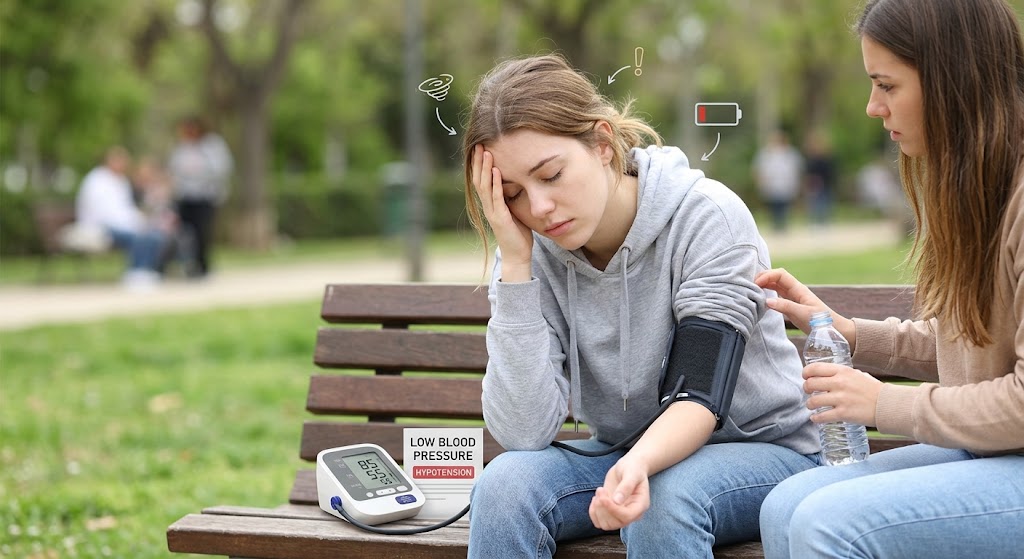
Ever felt that dizzying rush when you stand up too fast or a sudden wave of lightheadedness that makes you grab onto something nearby? You’re not alone. Many people experience these sensations, and often, it’s a sign of hypotension—commonly known as low blood pressure. While often less discussed than its high blood pressure counterpart, hypotension can significantly impact your daily life, making even simple tasks feel like a challenge. It’s not always a cause for alarm, but understanding what’s happening in your body is the first step toward feeling better.
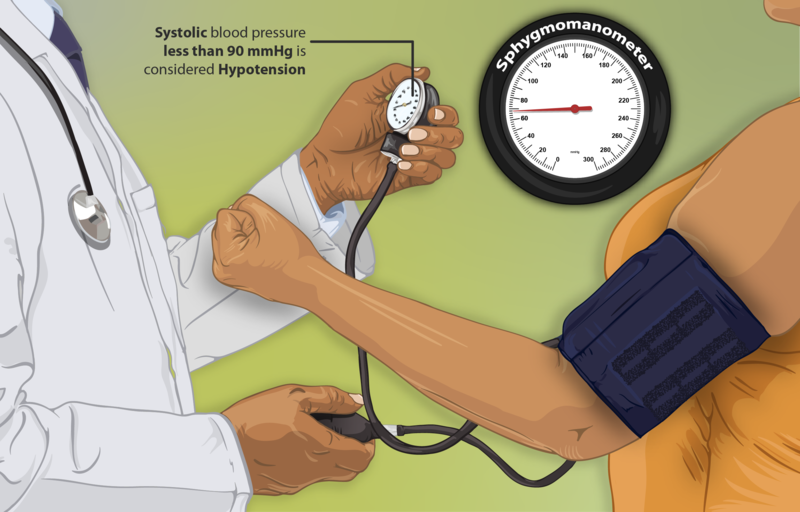
You might be surprised to learn that what’s considered “low” can vary quite a bit from person to person. Generally, a blood pressure reading below 90/60 mmHg is classified as hypotension, but your normal might be different from someone else’s. And there isn’t just one type of low blood pressure; different underlying causes lead to distinct forms, each with its own set of triggers and implications. For instance, some people experience it only after eating, while others find it’s a constant companion.
But what does this condition really mean for you? We’ll look at the different types of hypotension, examine the common causes of sudden drops in pressure, and discuss the symptoms you should be aware of. More importantly, we’ll discuss practical, holistic treatments that can help you manage your symptoms and improve your overall well-being, moving beyond just quick fixes to address the root causes.
Key Takeaways:
- Hypotension isn’t just one thing; it shows up in various forms like orthostatic (when you stand up), postprandial (after eating), and even supine hypotensive syndrome, which is particularly relevant for pregnant women.
- The reasons your blood pressure might drop can be pretty diverse, ranging from simple dehydration or certain medications to more serious underlying conditions such as heart issues, endocrine problems, or even severe infections.
- You’ll likely know something’s up if you experience dizziness, lightheadedness, blurred vision, or feel unusually weak—these are classic signs your brain isn’t getting enough blood flow.
- Treating low blood pressure often starts with identifying and addressing the root cause, whether that means adjusting medication dosages or managing a chronic illness more effectively.
- Lifestyle changes play a giant role in managing hypotension. Think about increasing your fluid intake, adding more salt to your diet (if your doctor approves, of course), eating smaller, more frequent meals, and avoiding sudden position changes.
- Natural approaches, including specific dietary adjustments and herbal remedies, can offer supportive care, helping to stabilize blood pressure without relying solely on pharmaceuticals.
- Acupuncture and homeopathy are also options for some people, providing complementary methods that aim to balance the body’s systems and potentially alleviate symptoms, though it’s always best to discuss these with a healthcare provider.
So, what is actually causing your blood pressure to drop?
Common triggers you might be overlooking
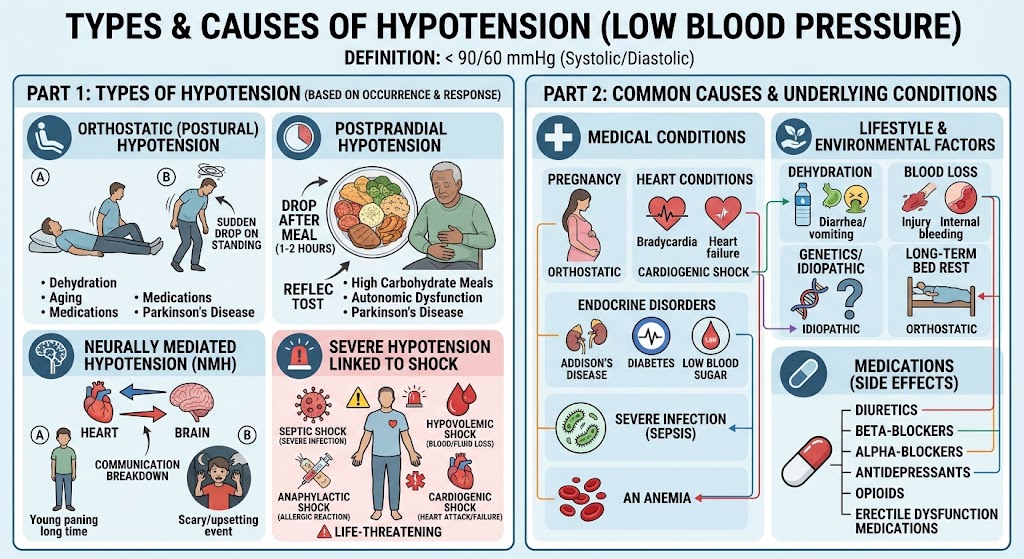
Dehydration is a big one, and it’s something many of us just don’t think about enough. If you’re not drinking enough fluids, especially water, your blood volume decreases. Less blood volume means less pressure pushing against your artery walls, and bingo—your blood pressure dips. This is a super common scenario, particularly during hot weather or if you’re exercising intensely without replenishing those lost fluids. Think about that afternoon slump: sometimes it’s not just tiredness, but your body telling you it needs a tall glass of water.
Certain medications can also play a sneaky role in lowering your blood pressure. Diuretics, for example, are designed to make you urinate more, which reduces fluid in your body and can definitely bring your pressure down. Medications for high blood pressure, heart conditions, or even some antidepressants and Parkinson’s disease drugs can have hypotension as a side effect. It’s always worth checking the leaflet or chatting with your doctor if you’ve started a new prescription and are feeling a bit lightheaded.
Did you know that even some over-the-counter medications can contribute? Alcohol, for instance, acts as a diuretic and can also relax your blood vessels, both of which lead to lower blood pressure. And if you’re taking certain herbal supplements, there’s a chance they could be interacting with your body in ways that affect your circulatory system. It’s not always about a serious illness; sometimes, it’s the everyday things you’re consuming that are gently nudging your pressure downwards.
Why your body isn’t keeping up
Occasionally, the issue isn’t just external triggers but how your body is internally managing things. Heart conditions, for example, can significantly impact your blood pressure. If your heart isn’t pumping blood effectively—maybe it’s too slow, too fast, or just not strong enough—then it can’t maintain the necessary pressure throughout your circulatory system. Conditions like bradycardia (a very slow heart rate), heart valve problems, or even a heart attack can reduce the amount of blood your heart pumps with each beat.
Endocrine problems are another less obvious culprit that can throw your blood pressure out of whack. Your endocrine system produces hormones that regulate a ton of bodily functions, including blood pressure. Issues like an underactive thyroid (hypothyroidism), adrenal insufficiency (Addison’s disease), or even low blood sugar (hypoglycemia) can lead to a drop in blood pressure. These conditions mess with your body’s fluid balance and how your blood vessels constrict or relax.
Severe infections, like sepsis, can also cause a dramatic and dangerous drop in blood pressure. When your body is fighting a widespread infection, it can trigger a systemic inflammatory response that causes blood vessels to widen significantly. This widespread vasodilation means there’s less pressure in your vessels, leading to septic shock, which is a life-threatening form of hypotension. It’s a stark reminder of how interconnected our bodily systems truly are and how one severe issue can cascade into another.
It’s not all the same: The different types of hypotension you should know
You might think low blood pressure is just low blood pressure, but it’s actually a bit more nuanced than that. But it’s actually a bit more nuanced than that. There are distinct types of hypotension, and knowing which one you have is key to understanding what’s going on and how to address it. Each type has its own triggers and characteristics, meaning what helps one person might not do much for another.
Knowing the specific kind of hypotension you’re experiencing is key because the underlying causes and even the timing of symptoms can vary significantly. For instance, some types pop up when you change positions, while others are linked to something as common as eating a meal. So, let’s break down the main players you should be aware of.
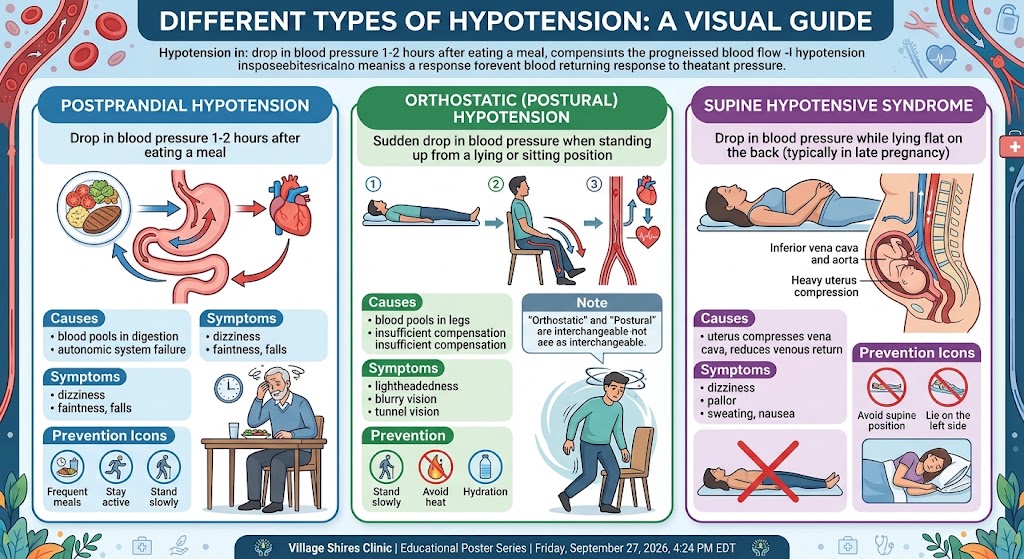
It’s worth noting that these types can overlap or mimic each other, so understanding your symptoms and when they occur is important. Don’t just assume all lightheadedness is the same; it truly isn’t.
| Type of Hypotension | Key Characteristic |
|---|---|
| Orthostatic Hypotension | Blood pressure drops upon standing from a sitting or lying position. |
| Postural Hypotension | Another term often used interchangeably with orthostatic hypotension. |
| Postprandial Hypotension | Blood pressure drops significantly after eating a meal. |
| Supine Hypotensive Syndrome | Occurs when lying on your back, particularly an issue during pregnancy. |
| Neurally Mediated Hypotension | Blood pressure drops after prolonged standing, often due to faulty brain-heart signals. |
Why standing up makes your head spin
Have you ever stood up quickly and felt like the room was spinning, or everything went momentarily dark? That’s the classic experience of orthostatic hypotension, sometimes also called postural hypotension. This happens when your blood pressure takes a sudden dip as you transition from sitting or lying down to a standing position. Your body’s automatic systems don’t adjust quickly enough to gravity, causing blood to pool in your legs and leading to a temporary reduction in blood flow to your brain.
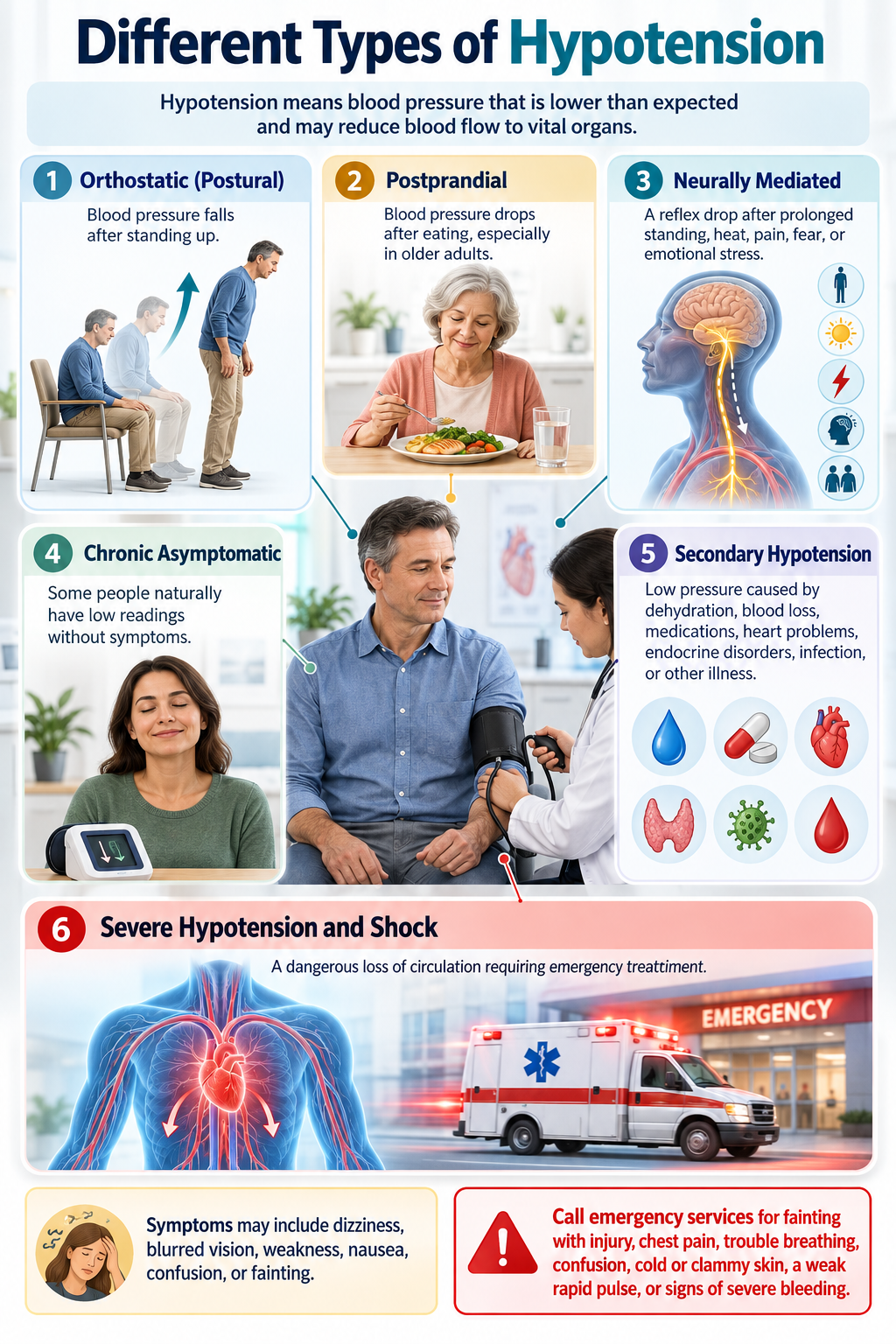
The temporary drop can be quite noticeable, bringing on symptoms like dizziness, lightheadedness, or even a brief fainting spell. It’s not just a minor annoyance; for some, it can be a real fall risk. This type of hypotension is often seen in older adults, but it can affect anyone, especially if they’re dehydrated, on certain medications, or have underlying health conditions that impact their nervous system’s ability to regulate blood pressure.
And while it’s usually a quick sensation that passes, repeated or severe episodes warrant a closer look. It’s your body telling you something isn’t quite right with its internal pressure regulation, and that’s definitely worth paying attention to.
That sleepy feeling after you eat
Ever finish a big meal and feel incredibly drowsy, almost to the point of needing a nap? You might be experiencing postprandial hypotension. This type of low blood pressure occurs specifically after you’ve eaten, particularly larger meals rich in carbohydrates. What happens is that your digestive system demands a significant increase in blood flow to help process the food you’ve just consumed.
Your body, in an effort to meet this demand, diverts blood to your gut. For some people, this redirection of blood flow means there’s less available to circulate elsewhere, including to your brain and other vital organs, causing a temporary drop in overall blood pressure. You might feel lightheaded, dizzy, or just generally weak and fatigued after eating.
It’s more common in older adults and those with certain conditions like Parkinson’s disease or diabetes. Eating smaller, more frequent meals, and limiting refined carbohydrates can sometimes help mitigate these post-meal dips, but it’s a distinct type of hypotension worth recognizing.
The deal with supine hypotensive syndrome
Supine hypotensive syndrome is a very specific type of low blood pressure that occurs when you’re lying flat on your back, or supine. While it can affect anyone, it’s most commonly associated with pregnancy, particularly in the later stages. This isn’t just a random drop; it’s directly related to the physical pressure exerted by the growing uterus.
When a pregnant person lies on their back, the weight of the uterus can compress the inferior vena cava, which is a major vein that carries deoxygenated blood from the lower body back to the heart. This compression reduces the amount of blood returning to the heart, which in turn decreases the heart’s output and ultimately lowers blood pressure. Symptoms can include dizziness, nausea, shortness of breath, and feeling faint.
That’s why healthcare providers strongly advise pregnant individuals to avoid lying flat on their backs, especially during the second and third trimesters. Sleeping or resting on your side, particularly your left side, helps alleviate this compression and ensures better blood flow for both the parent and the baby. It’s a prime example of how physical positioning can directly impact blood pressure.
How do these symptoms of hypotension actually feel?
Spotting the warning signs early
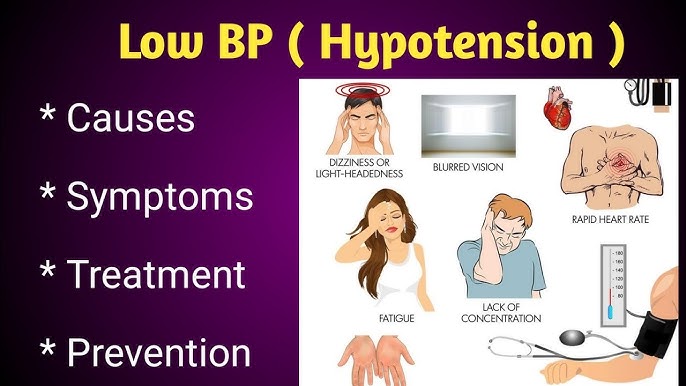
You might be standing up from a chair, minding your own business, and suddenly the room spins. That’s often one of the first clues—that lightheadedness or dizziness. It’s not just a little woozy feeling; sometimes it’s so pronounced that you feel like you might actually pass out, especially after sitting or lying down for a while and then quickly standing up. This sensation, known as orthostatic hypotension, is your body struggling to pump enough blood up to your brain against gravity when you change positions, and it can be quite unsettling.
But it’s not just about feeling dizzy. Many people describe a general feeling of weakness or fatigue that just won’t quit. You might find yourself more tired than usual, even after a good night’s sleep, or feel like every task requires more effort than it should. This pervasive tiredness isn’t just about being sleepy; it’s a lack of energy at a fundamental cellular level because your tissues aren’t getting the oxygen and nutrients they need due to reduced blood flow.
Occasionally, you’ll notice more specific physical sensations, like blurred vision. The world might seem a little hazy or out of focus, almost like looking through a smudged window. You might also experience nausea, that queasy, upset stomach feeling that can range from mild discomfort to an urgent need to vomit. These symptoms often happen at the same time, which is not a good sign for your circulatory system.
When your body is trying to tell you something
Your brain is incredibly sensitive to changes in blood flow, and when it’s not getting enough, it certainly lets you know. Think about how difficult it is to concentrate when you’re really tired or unwell; with hypotension, that mental fog can become a persistent issue. You might find yourself struggling to focus on conversations, forgetting things more easily, or simply feeling like your thoughts are moving through molasses. This cognitive slowdown is a direct result of reduced oxygen supply to your brain cells.
And then there’s the cold, clammy skin. Your body, in an attempt to maintain blood flow to vital organs, will sometimes constrict blood vessels in your extremities. This shunts blood away from your skin, making it feel cool to the touch and occasionally a bit sweaty. It’s a survival mechanism, but it’s also a clear indication that your circulatory system is under stress, trying to compensate for lower blood pressure.
A rapid, shallow breathing pattern can also be a sign. If your blood pressure is too low, your heart might try to beat faster to compensate, increasing your heart rate. Your body also tries to get more oxygen in by making you breathe more quickly. This isn’t usually a gasping for air but rather a subtle increase in your breathing speed, often accompanied by a feeling of being generally unwell or slightly anxious, as your body works harder just to maintain basic functions.
The real deal about how to treat hypotension
Fixing the dizzy spells when you’re on the move
Treating hypotension, especially those annoying dizzy spells when you stand up too quickly—what we call orthostatic hypotension—often starts with some simple, yet highly effective, lifestyle adjustments. You’d be surprised how much of a difference increasing your fluid intake can make; aiming for around 8-10 glasses of water daily helps maintain your blood volume. And don’t shy away from salt unless your doctor has told you otherwise, as it can also help your body retain fluids, keeping your blood pressure from dipping too low when you change positions. Think about adding an extra sprinkle to your meals or even enjoying some salty snacks throughout the day.
Another practical step for orthostatic hypotension is to make sure you’re moving slowly and deliberately. Instead of jumping out of bed, try sitting on the edge for a minute or two first, letting your body adjust. You might also find it helpful to wear compression stockings. These aren’t just for older folks or long flights; they gently squeeze your legs, helping to push blood back up to your heart and brain, preventing it from pooling in your lower extremities. This simple addition can help reduce those sudden head rushes.
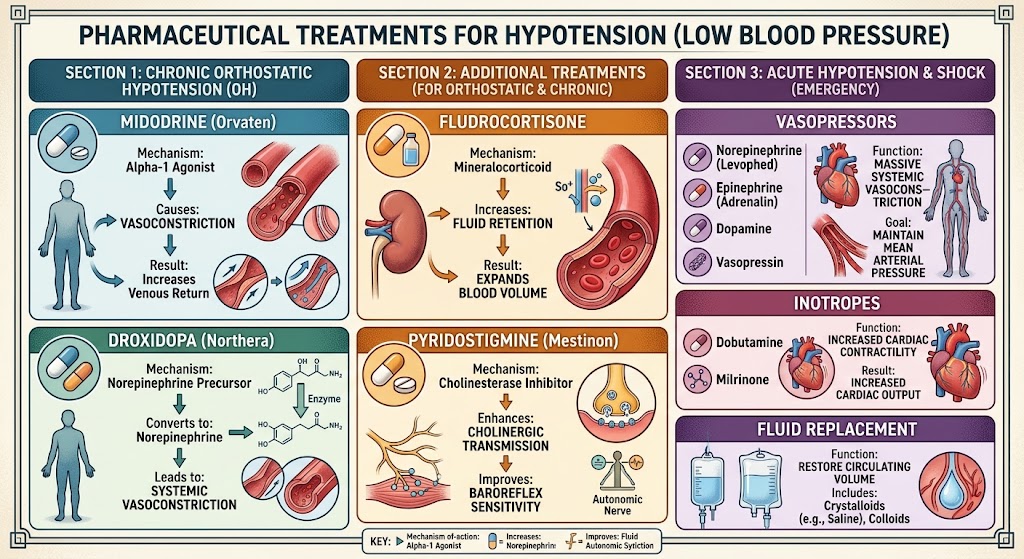
Sometimes, if these initial steps aren’t quite enough, your doctor might consider medication. Fludrocortisone, for instance, is a common choice. It helps your body retain sodium and water, directly boosting blood volume and, consequently, blood pressure. Midodrine is another option; it works by constricting your blood vessels, which in turn raises blood pressure. These pharmacological interventions are usually reserved for more persistent cases of orthostatic hypotension where lifestyle changes alone haven’t provided sufficient relief.
Managing your levels after a big meal
Dealing with postprandial hypotension—that sleepy, sometimes dizzy feeling after you’ve eaten a big meal—requires a slightly different approach than orthostatic issues. The key here is to modify your eating habits. Instead of three large meals a day, try splitting your food intake into smaller, more frequent meals. This prevents your digestive system from needing to divert a massive amount of blood all at once, which can cause your overall blood pressure to drop. Think five or six smaller portions throughout the day rather than just a few big ones.
What you eat also plays a significant role in managing postprandial hypotension. Reducing your carbohydrate intake, especially simple carbs found in sugary drinks and refined grains, can be very beneficial. These types of foods are digested quickly, leading to a more rapid and pronounced drop in blood pressure. Opt for complex carbohydrates, lean proteins, and plenty of fiber instead, as they digest more slowly and steadily, helping to keep your blood pressure more stable after eating.
A simple trick that can offer immediate relief after meals is to avoid lying down right after you’ve finished eating. Staying upright for at least an hour or two can help mitigate the blood pressure drop. And, just like with orthostatic hypotension, increasing your fluid intake, particularly water, can be helpful. Drinking a glass of water before a meal can sometimes lessen the postprandial drop by slightly increasing your blood volume. It’s all about making those small, consistent changes to how and what you consume.
My take on the best natural ways to relieve hypotension
Simple lifestyle changes that make a difference
You’d be surprised how much simple, everyday habits can impact your blood pressure. For instance, staying properly hydrated is huge; dehydration is a common culprit for low blood pressure, so aim for at least eight glasses of water daily, maybe even more if you’re active or it’s hot out. Think about adding electrolyte-rich fluids too, like coconut water, which can really help your body maintain that fluid balance. And please keep in mind the power of a good night’s sleep—consistent, quality rest helps regulate all sorts of bodily functions, including your circulatory system, making it less likely you’ll experience those dizzy spells.
Eating smaller, more frequent meals throughout the day can also help, especially if you’re prone to post-meal drops in blood pressure. Large meals can divert a lot of blood to your digestive system, leaving less for your brain and other organs, which can lead to lightheadedness. Instead of three big meals, try five or six smaller ones. And consider increasing your salt intake slightly—but talk to your doctor first, of course, as sodium can help raise blood pressure by increasing fluid retention, though this approach isn’t for everyone.
Regular, moderate exercise is another game-changer. It strengthens your cardiovascular system, improving circulation and helping your body adapt better to changes in position. You don’t need to become a marathon runner; even a brisk 30-minute walk most days of the week can yield significant benefits. Be mindful of sudden movements during exercise, and stay well-hydrated before, during, and after workouts to prevent drops in pressure.
Why you don’t always need a prescription
Sometimes, the solution to feeling better isn’t found in a pill bottle. Many people find significant relief from hypotensive symptoms through non-pharmacological treatments alone, especially when their low blood pressure isn’t due to a serious underlying condition. For instance, simply adjusting how you stand up from sitting or lying down—doing it slowly, with a moment to pause—can prevent orthostatic hypotension symptoms like dizziness and fainting. This is often called the “tilt table maneuver” in a simplified sense, and it’s incredibly effective for many.
Compression stockings, the kind often used for varicose veins, can also be incredibly helpful. They gently squeeze your legs and abdomen, which helps push blood back up to your heart and brain, preventing it from pooling in your lower extremities. This simple device can make a world of difference for people who experience symptoms primarily when standing for long periods. It’s a low-tech solution that tackles a common physiological problem head-on.
Even certain dietary adjustments beyond just hydration can play a role. For example, some individuals find that increasing their intake of B vitamins, particularly B12 and folate, can support healthy blood cell production and nerve function, indirectly aiding blood pressure regulation. While you won’t find a magic herb that instantly cures hypotension, a holistic approach that combines these natural strategies often provides a sustainable path to better health without the need for medication.
Why I think acupuncture and homeopathy for hypotension are worth a look
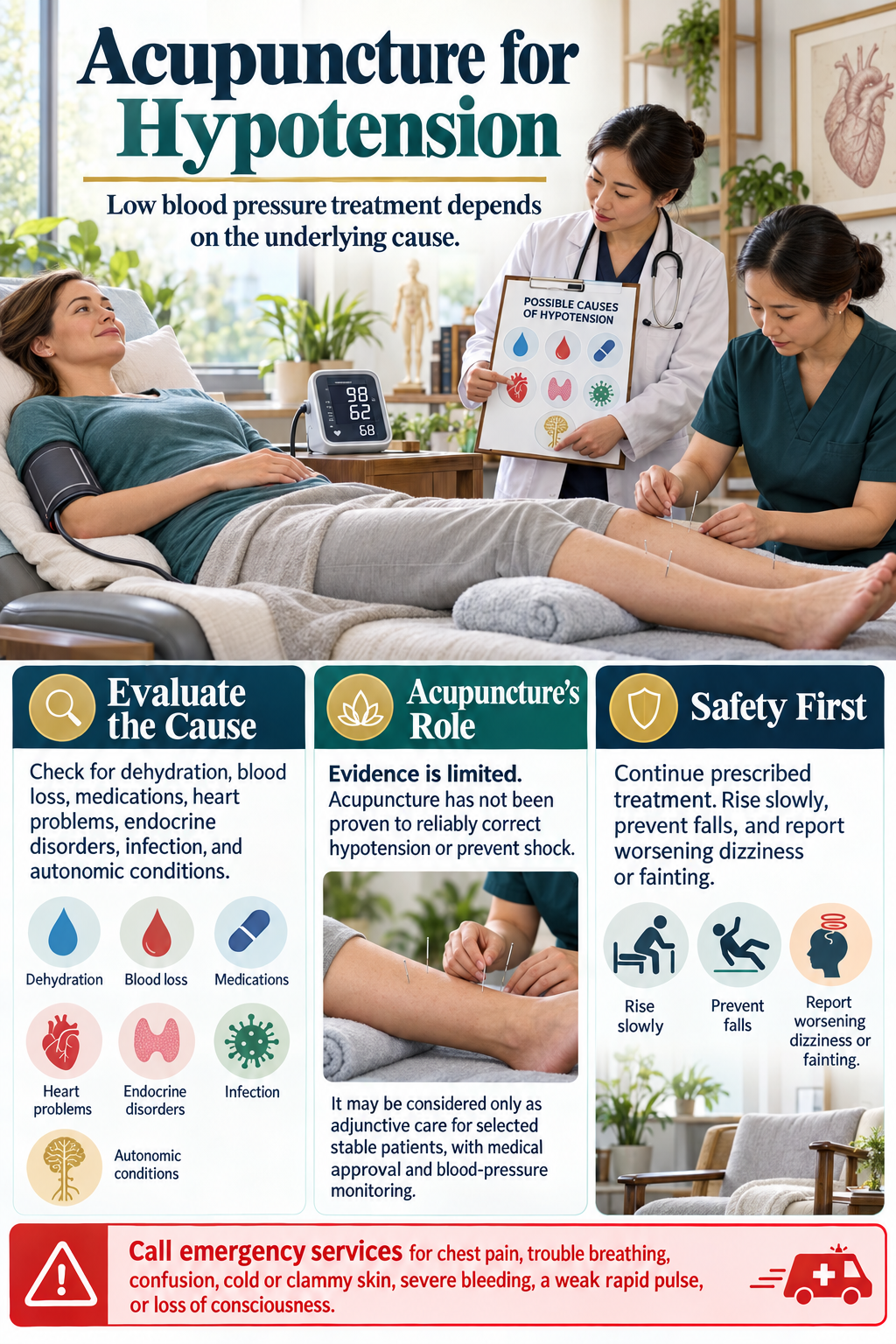
Finding relief with specific acupuncture points for hypotension
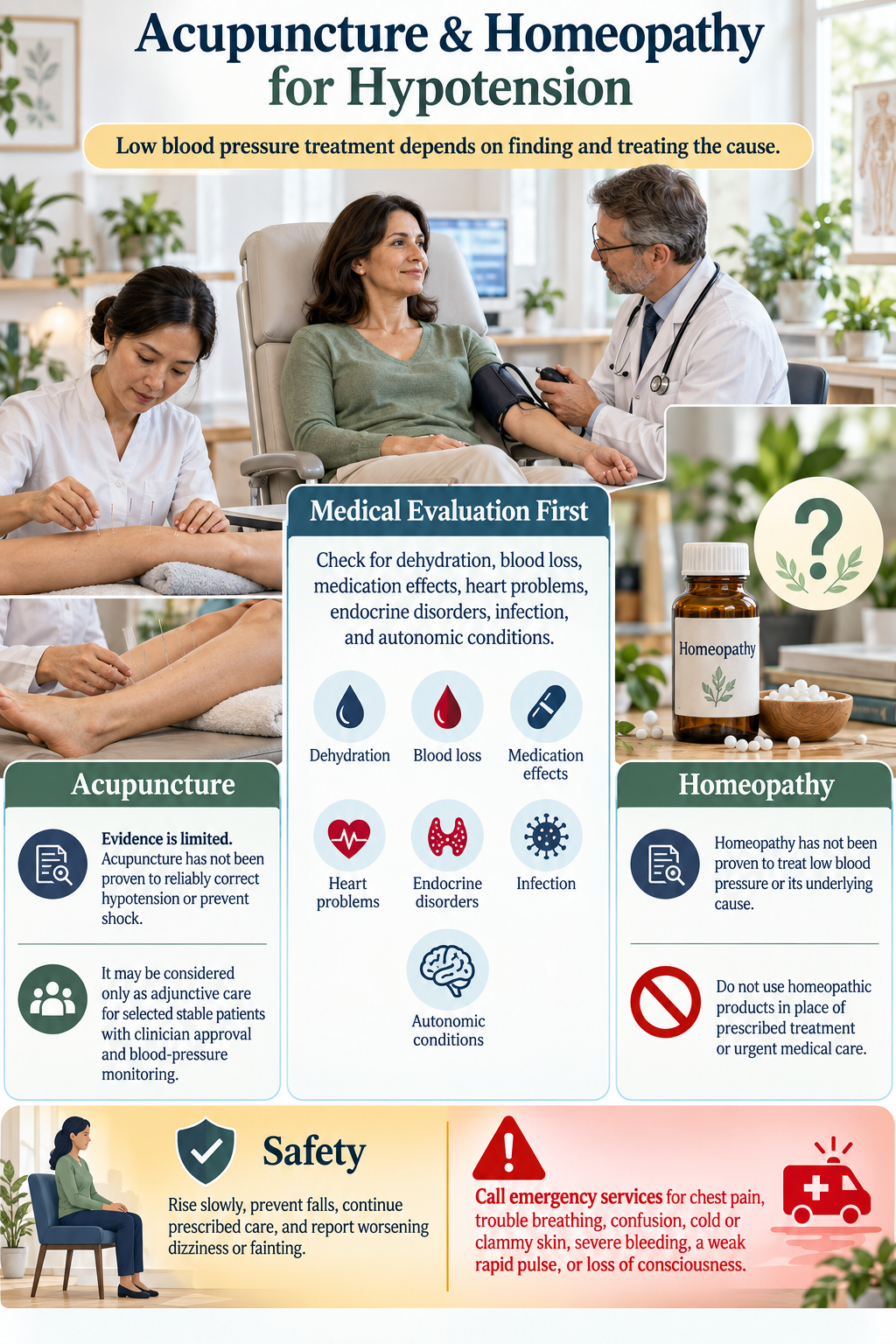
Acupuncture, a cornerstone of traditional Chinese medicine, offers a fascinating avenue for those exploring complementary therapies for hypotension. The idea is that by stimulating specific points on the body, you can encourage the body’s natural healing processes and restore balance. For conditions like low blood pressure, practitioners often focus on points believed to influence circulation and overall energy flow. It’s not about a quick fix but rather a gentle encouragement for your system to regulate itself more effectively over time.
You’ll find that practitioners frequently target points like PC 6 (Neiguan) and ST 36 (Zusanli). PC 6, located on the inner forearm, is often used for its broad regulatory effects, including calming the heart and improving circulation. ST 36, just below the knee, is a classic point known for its ability to tonify Qi and blood, which can be particularly beneficial for individuals experiencing fatigue or weakness associated with hypotension. These aren’t just random spots; they’re part of a sophisticated system that has been refined over thousands of years.
Other points that might be considered include SP 6 (Sanyinjiao), located on the inner ankle, which is believed to nourish blood and yin, and GV 20 (Baihui) on the crown of the head, often used for its uplifting and harmonizing effects. The specific combination of points will always be tailored to your individual diagnosis and symptoms, as determined by a qualified acupuncturist. They’ll consider your overall health picture, not just your blood pressure reading, to create a truly personalized treatment plan.
What’s the story with homeopathic remedies for hypotension?
Homeopathy, another holistic system, approaches health by using highly diluted substances to stimulate the body’s self-healing mechanisms. The principle of “like cures like” is central here; a substance that causes symptoms in a healthy person is used in minute doses to treat similar symptoms in someone who is unwell. For hypotension, the approach means looking at remedies that, in larger quantities, might affect blood pressure or circulation in a particular way.
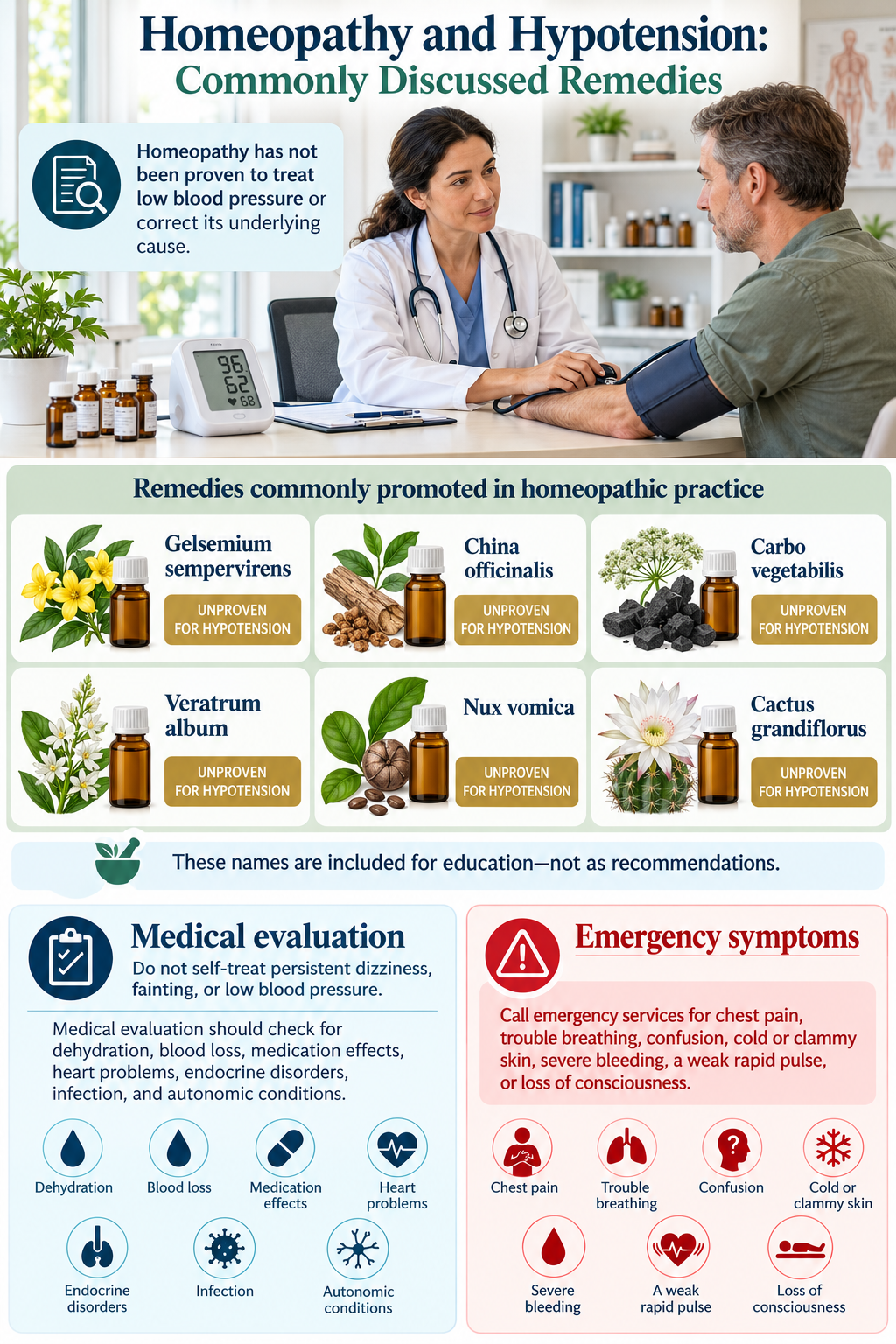
You might encounter homeopathic remedies like Veratrum album, which is often considered when hypotension is accompanied by extreme weakness, cold sweats, or even fainting spells. This remedy is traditionally indicated for collapse states, which can certainly mimic severe hypotensive episodes. Another common one is Gelsemium, particularly if your low blood pressure comes with dizziness, drowsiness, or a general feeling of sluggishness, especially after an illness or emotional shock.
Lachesis could be suggested if your symptoms are worse with heat or sleep, or if you experience a feeling of constriction. And then there’s Carbo vegetabilis, often recommended for circulatory collapse, where there’s a marked coldness, blueness, and a desire for air, sometimes seen in fragile hypotensive patients. Just like with acupuncture, a professional homeopath will take a detailed case history to determine the most appropriate remedy for your unique symptom picture, ensuring the treatment is as specific and effective as possible.
Conclusion
You’ve now got a much clearer picture of hypotension, from its various forms like orthostatic and neurally mediated, to the surprising range of things that can cause it—dehydration, certain medications, or even underlying heart conditions. Understanding your specific type and what’s triggering your low blood pressure is truly the first step toward feeling better. And that’s where working closely with your healthcare provider comes in, because they can help you differentiate between, say, a temporary dip from standing up too fast and something more persistent that needs a closer look, perhaps ruling out issues like adrenal insufficiency or a vagal response that’s just a bit too enthusiastic.
You’ve also seen that managing hypotension requires a tailored approach. While conventional medicine offers solutions, often involving adjustments to medication or addressing primary conditions, there’s a whole world of holistic strategies that can significantly support your well-being. Think about the simple power of increasing your fluid intake, opting for smaller, more frequent meals, or even just crossing your legs when you feel a spell coming on to improve venous return. These aren’t just old wives’ tales; they’re practical, evidence-backed methods that can make a real difference in your daily life, helping to stabilize your blood pressure without always resorting to pharmaceuticals.
Ultimately, your journey with hypotension is a personal one. You’re empowered with knowledge about how lifestyle adjustments—like boosting your sodium intake slightly (under medical guidance, of course), incorporating regular, moderate exercise, or even exploring stress-reduction techniques like meditation—can play a pivotal role. It’s about building a comprehensive strategy that feels right for you, combining the best of conventional advice with thoughtful, natural approaches. And remember, consistency is key when you’re trying to implement these changes; give them time to work, and don’t hesitate to fine-tune your approach as you learn what truly helps you thrive.
FAQ
Q: What exactly is hypotension, and how is it different from “normal” blood pressure?
A: Hypotension simply means low blood pressure. While “normal” blood pressure is generally considered to be around 120/80 mmHg, hypotension is typically defined as a reading below 90/60 mmHg. But here’s the catch: what’s low for one person might be perfectly fine for another. Some people naturally run a bit lower and never have any issues, while others might feel terrible even with just a slight dip. It’s all about how you feel, not just the numbers on the cuff.
Q: What are the main types of hypotension I should be aware of?
A: The following types of hypotension are the most common:
- Orthostatic (Postural) Hypotension occurs when your blood pressure drops suddenly when you stand up from a sitting or lying position, often causing dizziness or lightheadedness. It is frequently linked to dehydration, certain medications, or autonomic nervous system conditions like Parkinson’s disease.
- Postprandial Hypotension is a sudden dip in blood pressure that happens 1 to 2 hours after eating a meal, particularly meals high in carbohydrates. This type mostly affects older adults and individuals with autonomic dysfunction.
- Neurally Mediated Hypotension is triggered by a miscommunication between the heart and the brain, usually happening after standing for a long time or during intense emotional stress. It is more commonly seen in children and young adults.
- Absolute (Chronic) Hypotension means your resting blood pressure is consistently low below 90/60 mm Hg throughout the day. Many people with this type experience no symptoms at all and do not require treatment.
Q: Can acupuncture help to keep hypotension under control?
Acupuncture can both raise low blood pressure and lower high blood pressure. It has been discovered that acupuncture is especially beneficial for elevated blood pressure. To control brain chemistry and the cardiovascular system, acupuncture needles are applied to precise meridian locations that are located over nerve channels. Blood pressure then rises as a result. Additionally, dizziness, exhaustion, or fainting, as well as other blood pressure-related complications, are treated with acupuncture.
Q: Can homeopathic medicine help to keep hypotension under control?
Homeopathy offers customized medications designed to treat the symptoms of hypotension, or low blood pressure. These medications seek to normalize blood pressure and encourage the body’s own healing processes. Homeopathy recognizes that every individual presents differently, taking into account symptoms like weariness, lightheadedness, and fainting linked to low blood pressure. By focusing on these particular symptoms, homeopathic remedies provide a thorough method of controlling low blood pressure.
Holistic Treatment for Low Blood Pressure in Philadelphia
You must follow a healthy lifestyle to prevent hypotension. Take routine blood pressure measurements to ensure that there is no abnormality. If you do suffer from high blood pressure, contact your doctor immediately. The above-mentioned natural remedies for hypotension can help you fight this condition.
For a professional approach to holistic remedies for hypotension, contact the Philadelphia Holistic Clinic at (267) 403-3085 and schedule your first appointment for evaluation with Dr. Tsan. You can also use our secure online scheduling application. Under his supervision, the best homeopathic, acupuncture, and hypnosis practitioners work under one roof, providing holistic treatment.