Arrhythmia
A single skipped heartbeat can stop you mid-sentence, a flutter in the chest that turns an ordinary moment into a pointed question about your mortality. That sensation, whether a fleeting pause or a sudden racing gallop, signals a disruption in the complex electrical system governing your heart’s rhythm. Medically termed an arrhythmia, this condition represents any deviation from the heart’s normal sequence of electrical impulses, causing it to beat too fast, too slow, or with an erratic pattern. You might hear the terms arrhythmia and dysrhythmia used interchangeably in clinical settings, though both point to the same fundamental issue: a fault in the precise bioelectric choreography that pumps life through your body roughly 100,000 times each day.
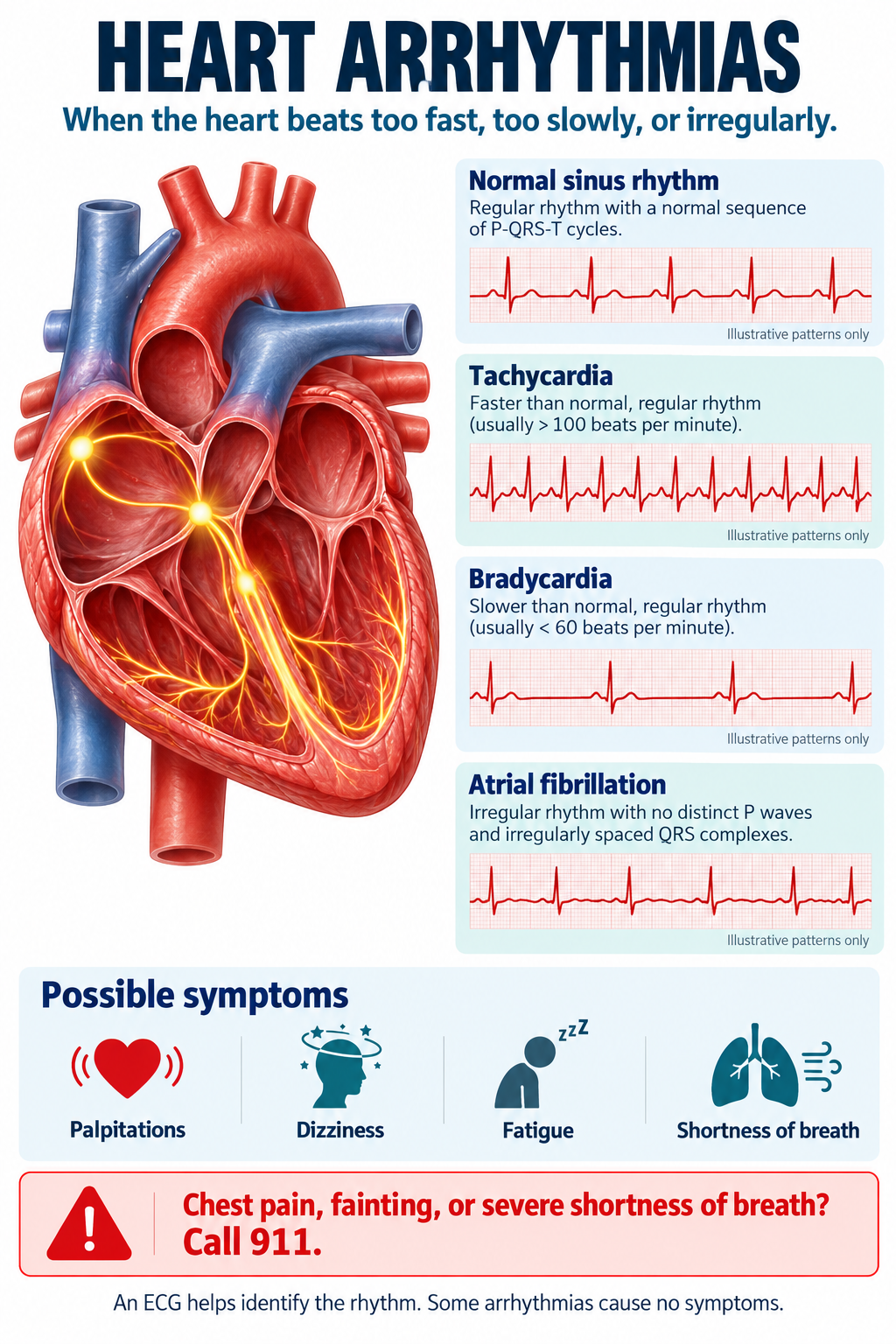 Understanding what an arrhythmia truly means requires moving past the generic label and recognizing its many distinct faces. The spectrum ranges from benign ectopic beats, which you may never physically notice, to profound conduction disorders that can collapse a cardiac output within minutes. Symptoms, when they do surface, are your body’s coded messages and can include a disconcerting awareness of your heartbeat known as palpitations, a sudden shortness of breath even without exertion, lightheadedness, or unexplained fatigue. The core question of seriousness, ‘How serious is a heart arrhythmia?,’ finds its answer in context: a single atrial premature contraction is typically a normal variant, while sustained ventricular tachycardia can degrade into a life-threatening emergency without immediate defibrillation.
Your exploration of rhythm disorders sits at the intersection of two powerful medical paradigms. On one side, Western cardiology offers precise diagnostic mapping through electrocardiograms and electrophysiology studies, backed by interventions like antiarrhythmic drugs, catheter ablation, and implantable devices. On the other, holistic traditions target the autonomic nervous system tone and inflammatory pathways that often act as triggers, using breath regulation, specific electrolyte balancing through magnesium and potassium, and acupuncture points linked to cardiac vagal modulation. A 2023 review in arrhythmia management noted that patients combining standard beta-blocker therapy with structured vagal toning exercises reported a more stable profile of heart rate variability than those relying on medication alone, pointing to a truth your own physiology might echo: the heart’s rhythm is not merely a mechanical event but a dynamic conversation between mind, body, and environment.
Key Takeaways:
- An arrhythmia represents any deviation from the heart’s normal sinus rhythm, a distinction captured by the clinical comparison of arrhythmia vs. dysrhythmia, where both terms describe irregular electrical activity but stem from different linguistic roots in medical literature.
- Sinus arrhythmia, particularly respiratory sinus arrhythmia, is a benign phenomenon that commonly occurs in children and young adults, as the heart rate accelerates with inhalation and slows with exhalation, rather than being a pathological condition requiring intervention.
- Ventricular arrhythmia originating in the lower chambers carries the highest risk profile, as sustained ventricular tachycardia can degrade into ventricular fibrillation, a leading cause of sudden cardiac arrest that demands immediate defibrillation.
- Supraventricular arrhythmias, including atrial fibrillation and re-entry arrhythmia mechanisms like Wolff-Parkinson-White syndrome, involve accessory pathways that create circular electrical loops, often mapped and eliminated through arrhythmia ablation procedures with success rates above 90% in experienced centers.
- Causes of arrhythmia span structural damage from prior heart attacks to reversible triggers such as electrolyte imbalances, with magnesium treatment for cardiac arrhythmias showing particular efficacy in torsades de pointes and digoxin-related rhythm disturbances when serum levels are aggressively normalized.
- Pharmacological management divides into rate control and rhythm control strategies, with medications for arrhythmia treatment including beta-blockers like propranolol for treatment of arrhythmia that work by blunting sympathetic stimulation, though patient compliance often falters due to fatigue and other side effects.
- Holistic modalities offer adjunctive pathways for symptom modulation, with acupuncture for arrhythmia demonstrating modest reductions in atrial fibrillation episodes in small trials and homeopathic remedies for arrhythmias such as digitalis purpurea in ultra-dilute preparations remaining controversial due to the implausibility of their mechanisms under conventional pharmacological scrutiny.
Arrhythmia Types and Their Patterns
Distinguishing between the many arrhythmia types begins with recognizing where in the heart the electrical misfire originates. Ventricular arrhythmia, for example, starts in the lower chambers and often carries a more immediate risk profile because it disrupts the heart’s primary pumping action. A classic ventricular pattern is the rapid, disorganized signal of ventricular fibrillation, which prevents any meaningful blood circulation and constitutes a medical emergency. Supraventricular arrhythmias, by contrast, arise above the ventricles in the atria or the atrioventricular node and include atrial fibrillation, the most common sustained rhythm disorder seen in clinical practice. Mapping these anatomical origins gives a cardiologist the first major clue for diagnosis, steering the choice between rate control medication, a catheter ablation procedure targeting a specific ectopic focus, or an implantable device.
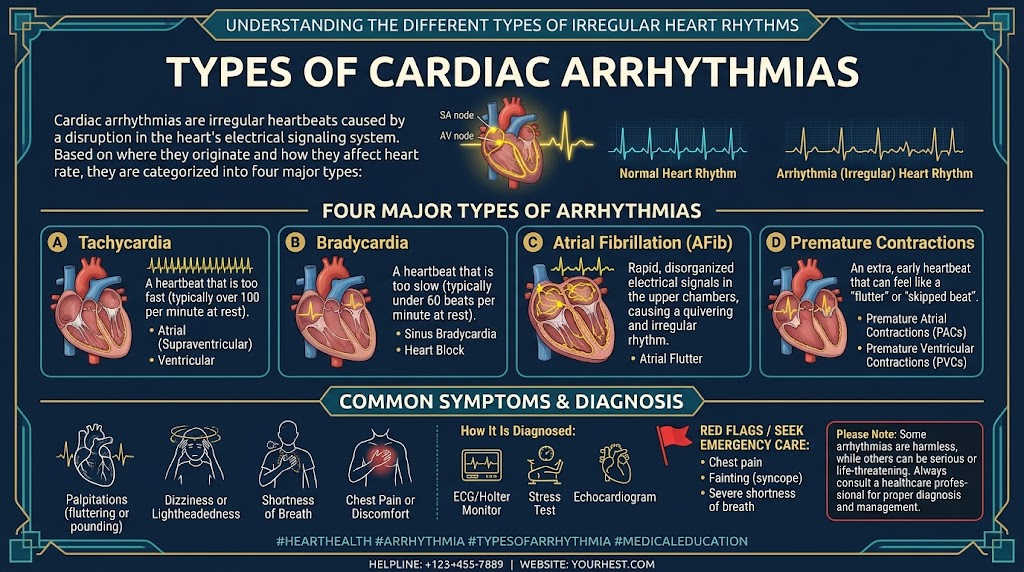
Sinus arrhythmia occupies a unique category that is often benign and tied directly to the body’s breathing mechanics. During inhalation, an increased volume of blood returning to the right atrium triggers a reflex that speeds up the heart rate, a phenomenon known as respiratory sinus arrhythmia, and the rate slows again with exhalation. This cyclical variation is a standard finding on electrocardiograms of young, healthy adults and well-conditioned athletes, generally requiring no intervention. A loss of this natural variability can, in some contexts, be a subtle indicator of autonomic dysfunction or diabetic neuropathy. Clinicians evaluating pacemaker function monitor this pattern as a sign of normal sinus node responsiveness rather than a fixed, metronomic beat.
A re-entry arrhythmia describes a circuit problem rather than a single irritable spot, where an electrical impulse becomes trapped in a looping pathway, repeatedly exciting heart tissue at high speeds. Atrial flutter stands out as a textbook example, its hallmark “sawtooth” wave pattern on an EKG arising from a macro-reentrant circuit circling the tricuspid valve about 150 times per minute. Wolff-Parkinson-White syndrome involves an accessory pathway that creates a short circuit between atria and ventricles, predisposing you to episodic tachycardias that can sometimes be terminated with specific physical maneuvers like bearing down. The dimensional nature of such circuits explains why a precisely mapped ablation line can cure the condition permanently by creating a scar barrier that blocks the electrical loop, transforming a life-disrupting rhythm into a stable one.
| Arrhythmia Classification | Typical Rate (BPM) | Origination Site | Common First-Line Approach |
|---|---|---|---|
| Atrial Fibrillation | 100-175 (ventricular response) | Pulmonary veins / atrial tissue | Rate control with beta blockers |
| Atrial Flutter | ~150 (ventricular response) | Right atrium (cavotricuspid isthmus) | Radiofrequency catheter ablation |
| Ventricular Tachycardia | 100-250 | Ventricular myocardium | Antiarrhythmic drug or ICD |
| Respiratory Sinus Arrhythmia | Variable; accelerates/slows with breath | Sinus node (normal variation) | Observation (typically benign) |
How Arrhythmias Are Classified
Classification systems first split arrhythmias by the heart rate they produce, with bradycardia covering rhythms below 60 beats per minute and tachycardia covering those above 100. This simple binary, however, provides only a starting point for electrophysiologists who drill down into the mechanism of onset, the width of the QRS complex on an EKG, and symptom correlation. A wide-complex tachycardia, for instance, demands an immediate assumption of ventricular origin in an emergency setting until proven otherwise, given the high stakes of misdiagnosing a supraventricular rhythm with aberrant conduction. Your experience of whether a rhythm feels like a sudden on-off switch palpitation or a gradual fading in and out can offer a clinician valuable diagnostic texture before a single monitor lead is placed.
Anatomically based classification groups the many arrhythmia types into supraventricular, ventricular, and those arising from the atrioventricular junction. Supraventricular arrhythmias, such as AV nodal re-entrant tachycardia, often present in bursts with a perfectly regular rate of 150 to 220 beats per minute, frequently in younger patients with structurally normal hearts. The underlying substrate can vary from a congenital accessory pathway present since birth to scarring from previous cardiac surgery that creates barriers around which electrical waves pivot. Recognizing onset patterns helps narrow the field: a patient who describes their tachycardia beginning with a sudden positional shift or a bout of coughing is describing a mechano-electric feedback trigger, while one who wakes from sleep with a racing heart may be experiencing heightened vagal tone withdrawal.
Machine learning algorithms in wearable monitors are now refining classification by analyzing photoplethysmography signals to distinguish ventricular arrhythmia patterns from artifact, a task that challenged earlier consumer devices. These neural networks compare inter-beat interval variability against massive databases of confirmed rhythm labels, flagging asymptomatic atrial fibrillation with a positive predictive value exceeding 90 percent in some clinical validation studies. For re-entry arrhythmia mechanisms, high-density electroanatomic mapping during an electrophysiology study visualizes the exact circuit pathway as a color-coded activation map, identifying the critical isthmus where a single radiofrequency lesion can interrupt the loop. The objective integration of these signals, from a smartwatch tracing to an invasive electrode catheter, forms a continuous classification spectrum that informs precise therapeutic targeting.
Common Rhythm Patterns
Atrial fibrillation’s irregularly irregular pattern remains unmistakable once you have seen it on a rhythm strip, the R-waves marching out at completely inconsistent intervals without any discernible repeating motif. A resting EKG captures the quivering baseline oscillations that replace organized P-waves, while the ventricular response typically runs between 100 and 175 beats per minute when uncontrolled, generating the symptom of a chaotic, fluttering sensation in the chest. Paroxysmal forms of this rhythm start and stop spontaneously, often within 48 hours, while persistent atrial fibrillation hangs on until medical or electrical cardioversion restores sinus rhythm. The thromboembolic risk rises with time, not just in days but also in total hours, which is why anticoagulation must start before any attempt to change the rhythm.
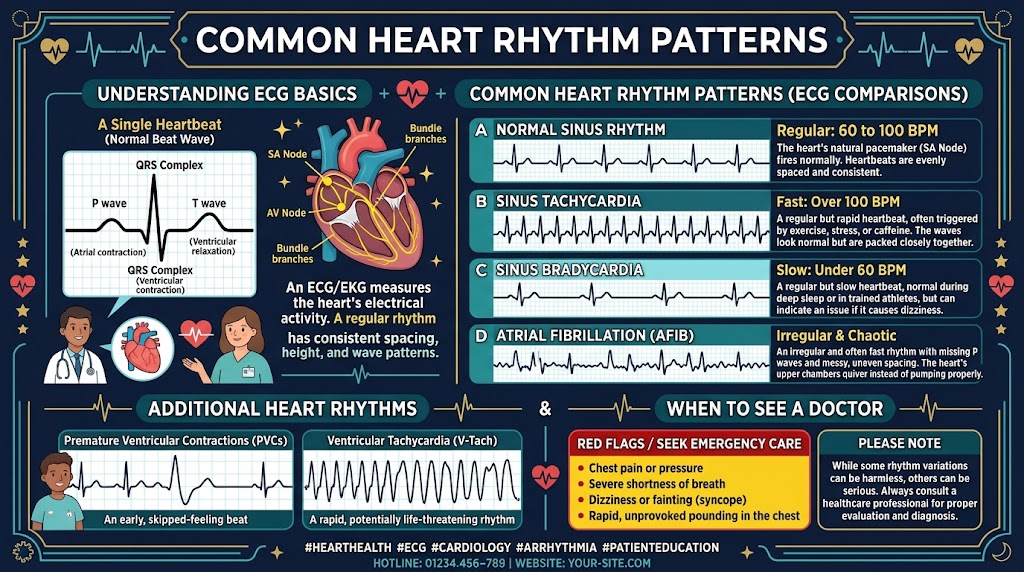
Respiratory sinus arrhythmia stands out for its phasic regularity as the heart rate accelerates on inspiration and decelerates on expiration, a baroreflex-mediated pattern that synchronizes with the ventilatory cycle. Apps that track digital heart rate variability sometimes misinterpret this normal fluctuation as an irregularity, particularly in athletic users with high vagal tone whose resting heart rates dip into the 40s with pronounced respiratory swings. Ventricular tachycardia presents a far more ominous morphology, with wide, bizarre QRS complexes firing in a sequence that may degrade into the completely disorganized electrical storm of ventricular fibrillation if untreated. The transition from monomorphic to polymorphic ventricular arrhythmia types often signals acute ischemia, an electrolyte derangement, or a proarrhythmic drug effect, each requiring fundamentally different correction than mere rate slowing.
A junctional rhythm typically escorts a narrow QRS complex at an intrinsic escape rate of 40 to 60 beats per minute, taking over command when the sinus node fails or develops significant conduction block. Following a cardiac surgery or a catheter ablation near the septum, this rhythm might emerge temporarily as a protective failsafe that maintains hemodynamic stability until native sinus activity resumes. Torsades de pointes illustrates how electrolyte levels directly sculpt electrocardiographic shape, its twisting QRS axis oscillating around the isoelectric baseline in lockstep with a prolonged QT interval, often triggered by a classic pause-dependent sequence after a premature ventricular contraction. The elaborate interplay of anatomy, autonomic input, and chemical milieu ensures that correctly naming a rhythm pattern is the indispensable prerequisite to selecting an intervention that helps rather than harms.
Causes and Symptoms of Cardiac Arrhythmia and When to Seek Care
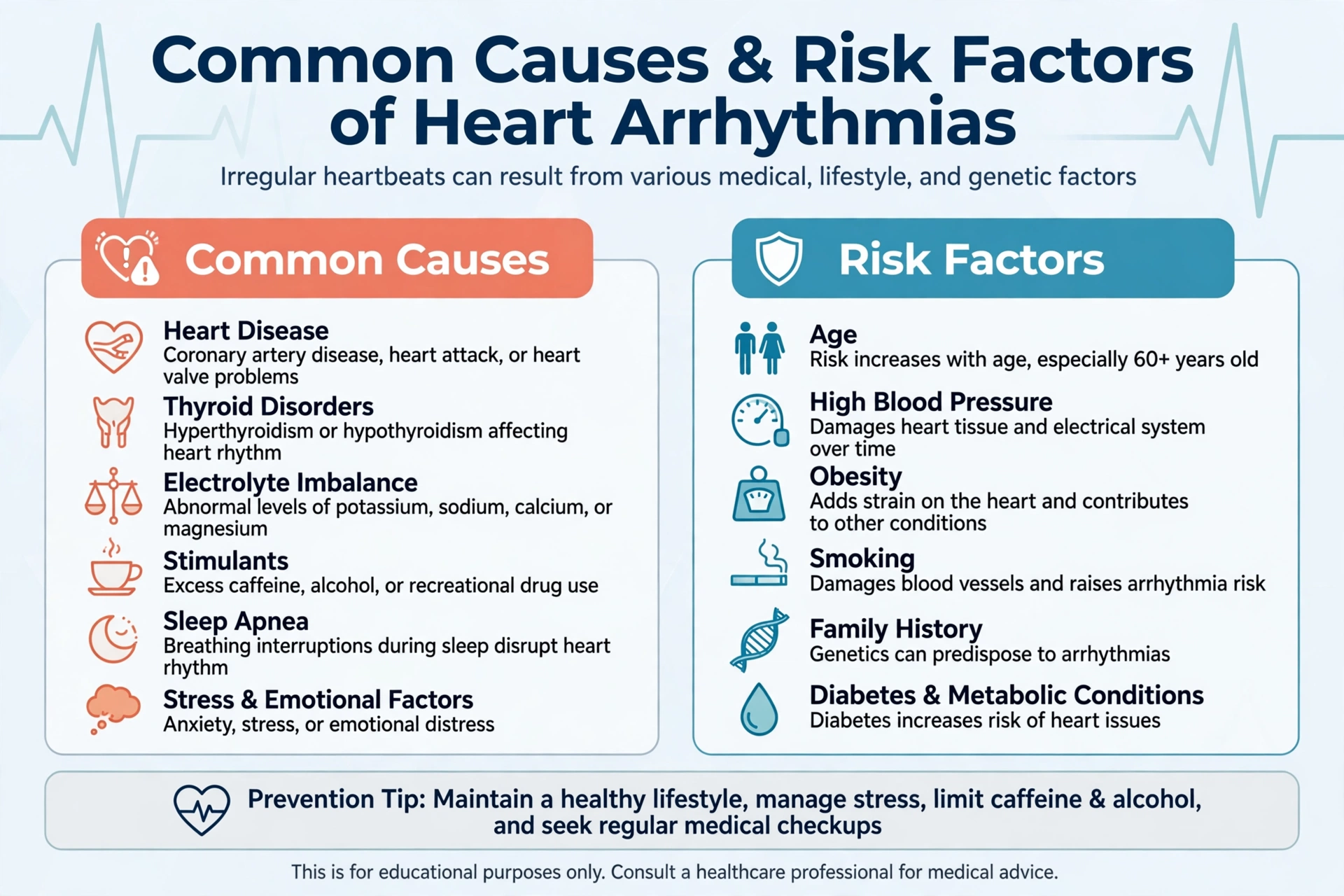
Coronary artery disease stands as the most prevalent trigger for a heart arrhythmia, narrowing the vessels that supply blood to your heart muscle and disrupting the electrical pathways within. A previous heart attack leaves behind scar tissue that can short-circuit the normal conduction sequence, a process called re-entry that accounts for many cases of ventricular tachycardia. High blood pressure thickens your heart’s walls over time, altering how impulses travel, while faulty valves force chambers to enlarge under the strain of abnormal blood flow. Electrolyte imbalances, particularly low potassium or magnesium, can provoke an ectopic beat in otherwise healthy tissue, and even over-the-counter cold remedies containing pseudoephedrine sometimes tip a stable rhythm into a rapid flutter.
Beyond structural changes, everyday exposures and inherited differences often determine whether symptoms emerge. Excessive alcohol intake, famously termed “holiday heart syndrome,” can induce atrial fibrillation within hours of a binge, while chronic heavy drinking reshapes the atrial substrate permanently. Stimulants such as nicotine and caffeine increase the workload on your ventricles and sensitize the sinus node to adrenaline, and illicit drugs like cocaine carry a direct, dose-related risk for ventricular arrhythmia. Genetic conditions form a less visible but equally potent category: long QT syndrome and Brugada syndrome alter the ion channels that reset each heartbeat, making a life-threatening event the first noticeable sign in an otherwise young, athletic person. Sleep apnea, too, cycles oxygen levels down and back up throughout the night, repeatedly stressing the autonomic nervous system until a bradycardic pause or a burst of atrial firing escapes control.
Recognize that risk accumulates rather than rests on a single cause. A person managing diabetes, a sedentary lifestyle, and a family history of sudden cardiac death shoulders a compounded burden that each factor amplifies independently. Even a sinus arrhythmia—the gentle speeding and slowing of your heart rate with breathing—mirrors the state of your autonomic tone, blunting with neuropathy yet exaggerating under chronic stress. Reversible contributors such as an overactive thyroid (hyperthyroidism) can mimic a primary electrical disorder until lab work reveals the underlying endocrine surge behind the missed beats.
Warning Signs and Diagnosis of Arrhythmias
A fluttering sensation in your chest, the classic palpitation, is often the first conscious signal that your rhythm has shifted. Ventricular arrhythmia can escalate well beyond a skipped beat into sustained, rapid contractions that the heart cannot coordinate, meaning blood ejection falters. When your brain receives insufficient flow, the warning arrives as dizziness or a sudden, unheralded loss of consciousness called syncope—a collapse that lasts seconds but points to a potentially fatal electrical event. Sensing a pause followed by a forceful thud typically indicates an extra beat that reset the ventricles with a longer-than-normal filling period, a sensation more noticeable when lying on your left side at night.
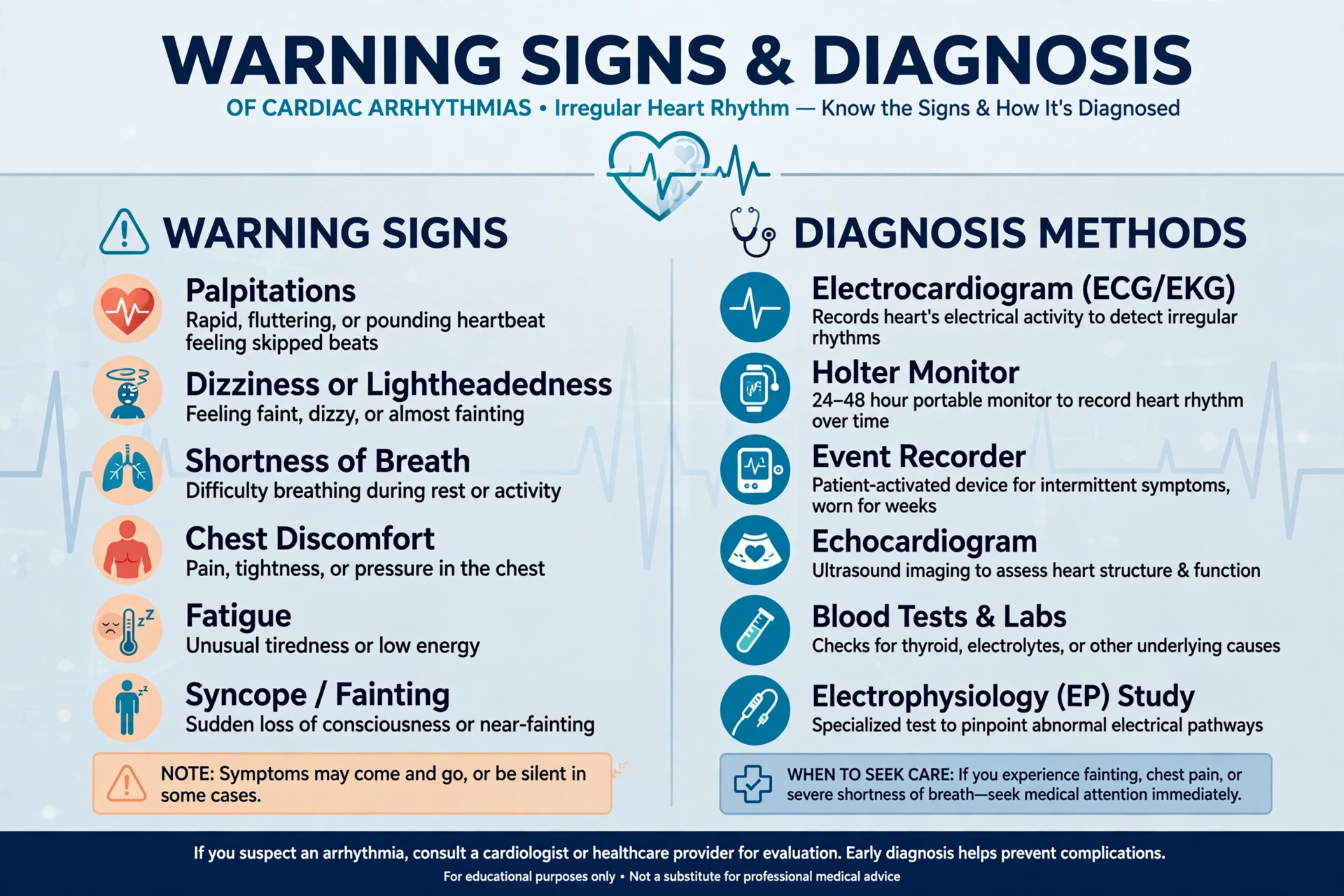
Seriousness is gauged by what a rhythm threatens in that moment: a stable tachycardia allows you to speak and remain alert, while an unstable ventricular rate above 150 beats per minute can devolve into a cardiac arrest within minutes. Interpreting these signs in a clinical setting begins with a 12-lead electrocardiogram that captures the electrical footprint of atrial depolarization, ventricular recovery, and any conduction delay across a single 10-second strip. However, sporadic arrhythmias slip through that window, which is where ambulatory monitors prove their value. A Holter device records continuously for 24 to 48 hours, whereas an event recorder worn for up to 30 days activates when you trigger it during a symptom episode, correlating felt flutters with documented electrogram data. Implantable loop recorders placed beneath the skin extend that surveillance to three years, catching the infrequent pauses or fast runs that elude shorter studies.
- Syncope during a workout or swim demands an urgent evaluation to rule out hypertrophic cardiomyopathy or a channelopathy before clearance is given.
- A resting heart rate consistently above 100 bpm (inappropriate sinus tachycardia) warrants thyroid studies and an echocardiogram to exclude hidden structural triggers.
- Nocturnal gasping paired with a halting pulse suggests sleep apnea, and addressing the airway often resolves the rhythm instability without antiarrhythmic medication.
- Ventricular ectopy exceeding 10% of total beats on a Holter can progressively weaken the heart muscle, a condition labeled tachycardia-induced cardiomyopathy.
A stress test further exposes ischemia-driven arrhythmia by provoking electrical instability under a graded workload, often revealing ventricular ectopy that vanishes at rest. Electrophysiology studies provide even greater diagnostic precision: threading catheters through a vein into your heart allows the doctor to stimulate specific regions and map an abnormal circuit directly, reproducing the clinical tachycardia while you are sedated. Determining how serious a rhythm disturbance truly becomes hinges on the ejection fraction measured via echocardiogram—a reading below 35% marks a critical turning point, since a scar-riddled ventricle with poor squeeze now risks degenerating chaotic ventricular signals into a terminal rhythm.
Western Treatments for Arrhythmia
Medical Evaluation and Treatment Planning
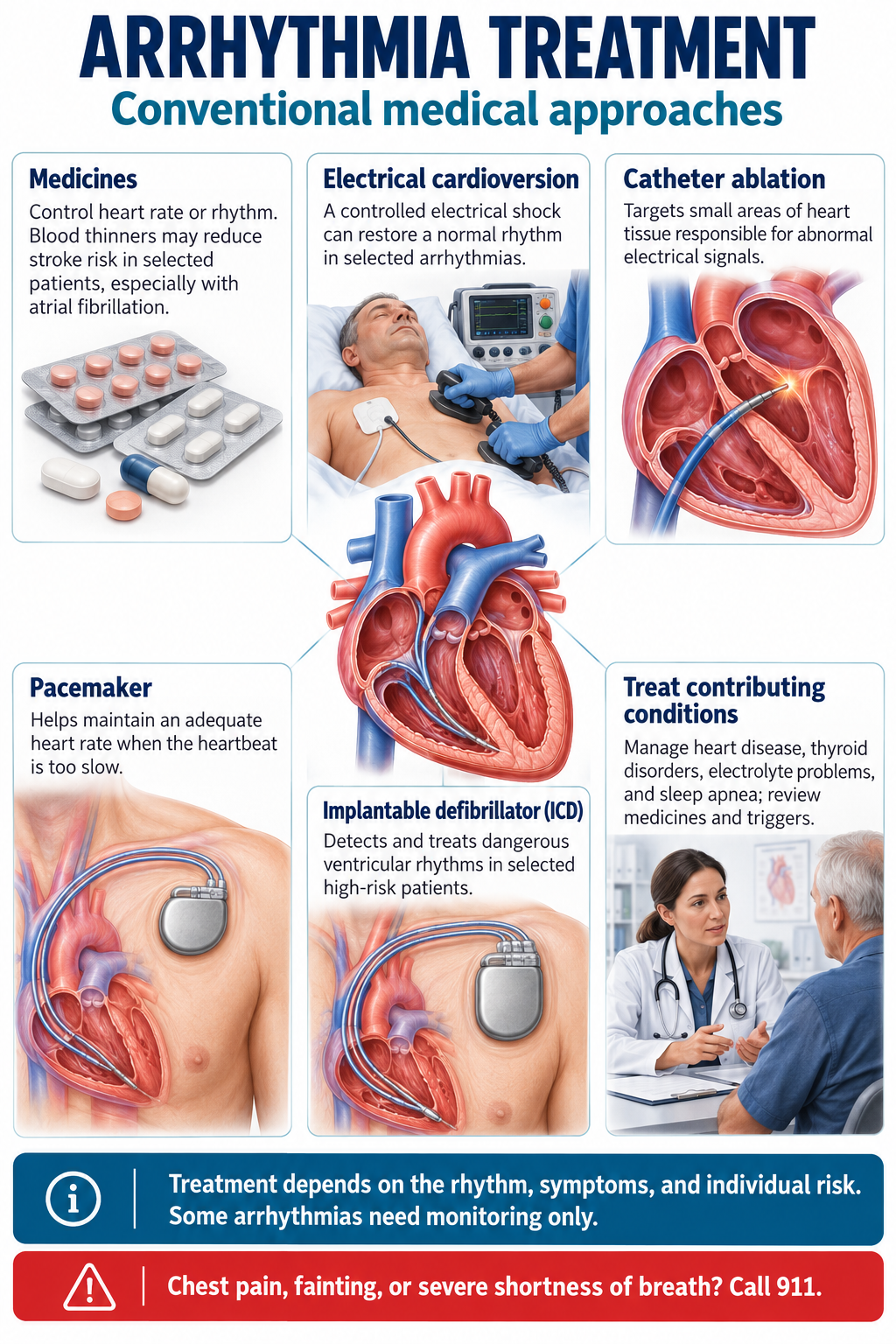
After identifying a rhythm disturbance through monitoring, your cardiologist constructs a detailed treatment map based on the arrhythmia’s origin, frequency, and your individual stroke risk profile. A calculation called the CHA₂DS₂-VASc score, which tallies factors like age, hypertension, and diabetes, directly influences whether long-term anticoagulation becomes part of your regimen. Electrophysiology studies, involving catheter-guided electrode mapping inside the heart, pinpoint the exact tissue triggering erratic signals, often converting a broad treatment strategy into a precise anatomical target.
Risk stratification extends beyond clot prevention when structural heart disease is present, as the same arrhythmia in a healthy forty-year-old receives a fundamentally different treatment approach than in someone with a weakened heart muscle. Your echocardiogram results and, in complex cases, cardiac MRI scans reveal valve function and chamber size, guiding decisions away from certain drugs that might worsen underlying conduction defects. Non-invasive stress testing uncovers whether the arrhythmia intensifies with exertion, a pattern that can shift the plan toward rate-control medications or a definitive procedure.
A wearable defibrillator, essentially an external vest that monitors the heart continuously, bridges the gap during the diagnostic phase when your doctor suspects a high risk of sudden cardiac events but needs more data before implanting a permanent device. Shared decision-making at this stage weighs procedural risks against the burden of daily medication, with the ultimate goal of reducing emergency room visits. For instance, a patient with paroxysmal atrial fibrillation and a low bleeding risk might leave the consultation scheduled for a pulmonary vein isolation procedure rather than starting multiple antiarrhythmic drugs.
Medicines and Procedures for Arrhythmias’ management
Pharmacologic management generally splits into two paths: rate-control agents that slow a racing ventricle and rhythm-control drugs that attempt to maintain a normal sinus pattern. Beta-blockers like metoprolol and propranolol, used to treat arrhythmia from sympathetic overdrive, reduce the heart’s workload by blunting adrenaline’s effect on conduction tissue. Calcium channel blockers offer an alternative when bronchial sensitivity rules out beta-blockers, particularly in atrial fibrillation where a calmer ventricular response often relieves breathlessness within hours.
When medications fail to suppress symptoms or cause intolerable side effects, interventional procedures become the primary option among heart arrhythmia treatments. Arrhythmia ablation delivers radiofrequency energy or extreme cold through a catheter to create tiny, deliberate scars that block rogue electrical circuits, achieving a long-term success rate above 80% in typical atrial flutter cases. Implantable devices serve a different purpose: a pacemaker corrects bradyarrhythmias by pacing the heart when it slows excessively, while an implantable cardioverter-defibrillator provides internal shock treatment for arrhythmia episodes that could otherwise be fatal.
- Flecainide and propafenone require a structurally normal heart and regular treadmill testing to exclude exercise-induced conduction slowing.
- Amiodarone, reserved for refractory cases, demands thyroid, liver, and lung function monitoring every six months because of its multi-organ toxicity risk.
- AV node ablation paired with pacemaker implantation offers rate control for permanent atrial fibrillation when other medications prove ineffective.
- Dofetilide initiation mandates a mandatory three-day inpatient stay for continuous ECG monitoring due to the risk of drug-induced QT prolongation.
- Leadless pacemakers, deployed directly inside the right ventricle via a femoral catheter, eliminate the pocket infection risk associated with traditional subclavian leads.
Laser Treatment for Arrhythmias: Evidence and Limitations
Laser-based systems first came into the field of electrophysiology as a different way to provide energy for ablation. They use light energy to heat and destroy arrhythmogenic tissue, but they don’t go as deep as radiofrequency. This precision theoretically lowers the chance of perforating the atrial wall, a concern during complex procedures near the thin-walled pulmonary veins. Early single-center registries demonstrated acute procedural success but also highlighted a steep learning curve that limited widespread adoption compared to more established methods like cryoballoon ablation.
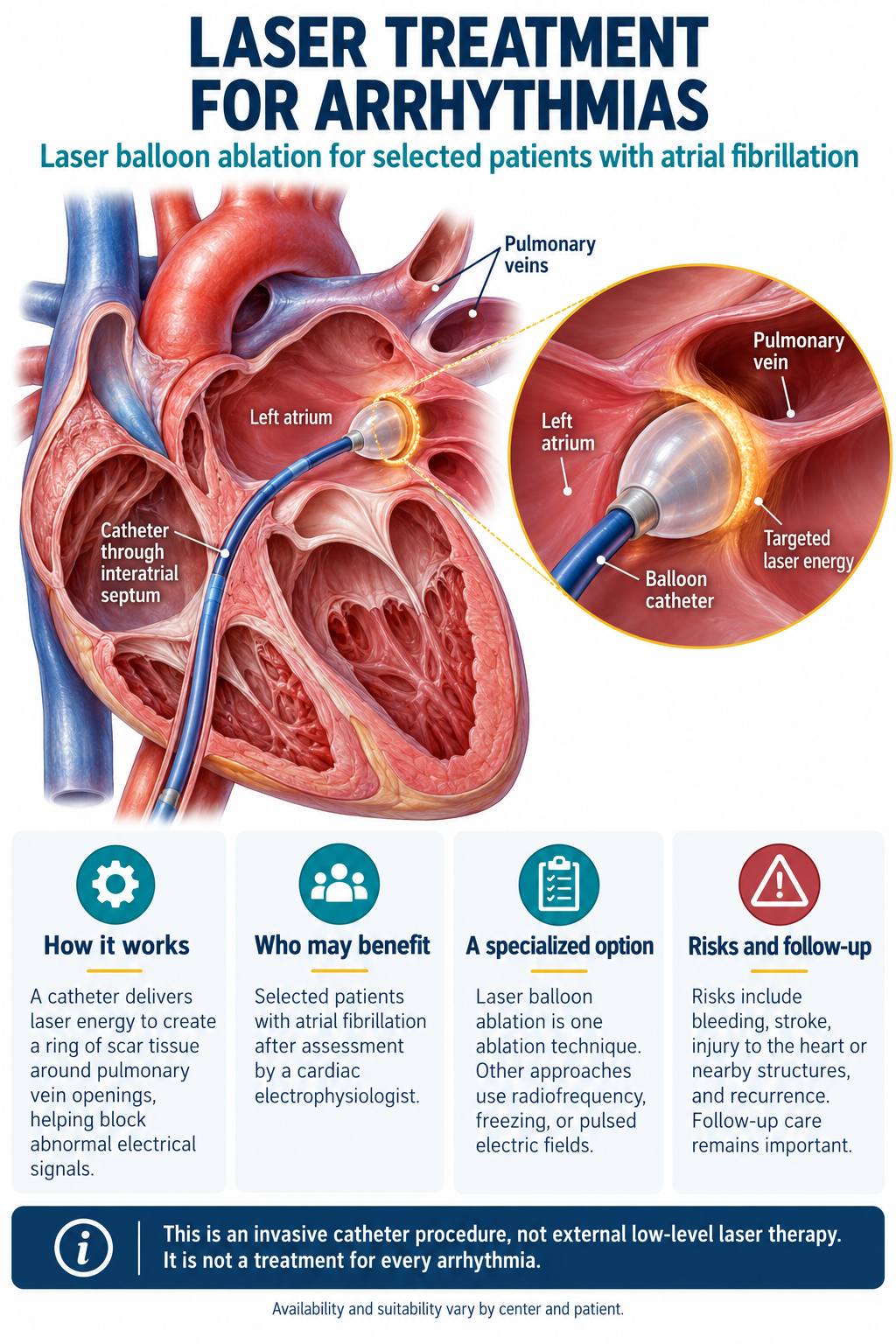
Contemporary laser balloon platforms aim to streamline pulmonary vein isolation by enabling direct visualization of the vein antrum through an endoscope-tipped catheter, a design feature absent in standard radiofrequency catheters. You spend less cumulative fluoroscopy time because the operator can adjust the energy arc under direct sight rather than relying solely on electroanatomic mapping overlays. Despite this advantage, randomized comparisons in the journal *Europace* found no significant superiority in five-year freedom from atrial fibrillation when stacked against contemporary point-by-point radiofrequency ablation, tempering early enthusiasm.
Current clinical guidelines confine laser treatment for arrhythmia largely to paroxysmal atrial fibrillation patients undergoing first-time isolation, with conclusive data still lacking for persistent cases or repeat interventions. The technology’s cost relative to standard ablation disposables, along with the requirement for new competency certifications among operators, restricts availability to select academic centers and high-volume programs. Outcomes do improve sharply after roughly thirty cases per operator, a threshold that makes it an unsuitable tool for centers managing fewer than two atrial fibrillation ablations per week.
Holistic and At-Home Approaches to Arrhythmias’ Management
Lifestyle Measures and Safety
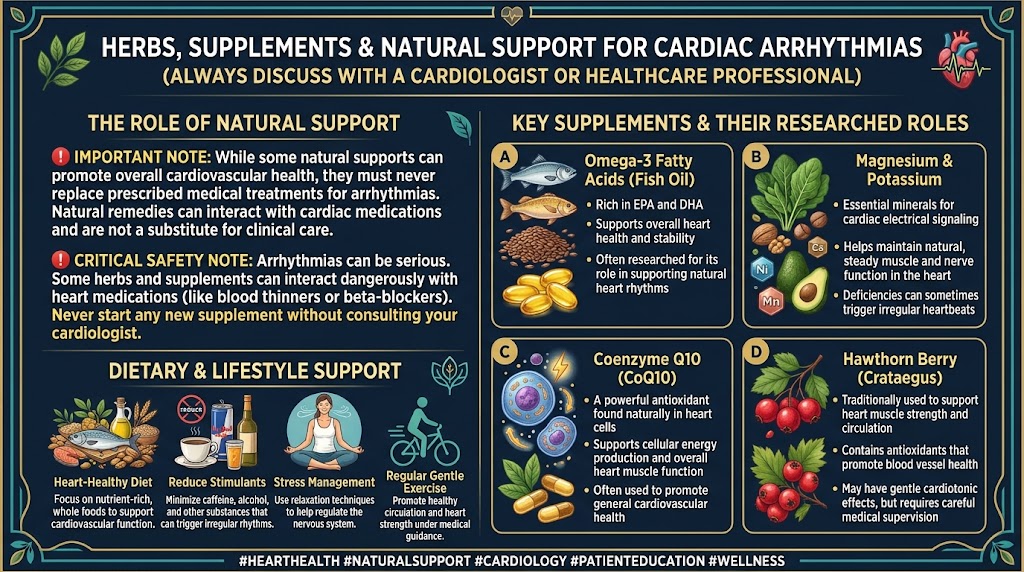
Establishing a heart-conscious daily rhythm often begins with the management of common dietary and lifestyle triggers. Caffeine, alcohol, and large, carbohydrate-heavy meals can overstimulate the sympathetic nervous system, provoking premature beats in susceptible individuals. Tracking your intake in a symptom diary while systematically eliminating one substance at a time for two to three weeks provides personal data no clinical test can replicate. A mid-sized electrophysiology practice in Chicago reported that nearly one-third of their patients with symptomatic premature atrial contractions experienced a marked reduction in episode frequency simply by limiting alcohol to a single drink and stopping caffeine intake by noon. This method of self-assessment turns an abstract recommendation into a customized safety protocol.
| Trigger | Physiological Effect | At-Home Action |
|---|---|---|
| Excess Alcohol | Alters atrial refractory period, promotes ectopic beats | Abstain completely for 4 weeks, then test tolerance with a single serving. |
| Dehydration | Reduces plasma volume, increases heart rate, and increases catecholamine sensitivity. | Consume 2-3 liters of water daily, adding electrolyte powder if sweat loss is high. |
| Sleep Apnea (Undiagnosed) | Nocturnal hypoxia triggers atrial fibrillation in paroxysmal patterns. | Record overnight oximetry with a consumer device; pursue a sleep study if saturations dip below 90%. |
| Vagal Manoeuvres (Misapplied) | Bearing down aggressively can paradoxically accelerate certain tachycardias. | Learn the modified Valsalva technique from a cardiac nurse: semi-recumbent position with 15-second strain. |
Sleep quality acts as a non-negotiable pillar of electrical stability in the myocardium. Fragmented sleep, particularly when caused by untreated obstructive sleep apnea, repeatedly drops oxygen saturation and generates surges in cortisol and inflammatory cytokines that irritate atrial tissue. A 2022 review of nocturnal cardiac monitoring data found that the onset of paroxysmal atrial fibrillation clustered heavily in the early morning hours following apnea-induced oxygen desaturation events. Addressing the issue at home does not necessarily require a full clinical titration study right away; a high-quality consumer sleep tracker that measures oxygen variation can alert you to patterns of disordered breathing, prompting a formal evaluation. Pairing this data with positional therapy, such as sleeping on your left side to reduce pressure on the vena cava or using a wedge pillow to elevate the torso, sometimes reduces ectopic burden within a single week.
Vagal maneuvers represent a drug-free method for interrupting certain supraventricular tachycardias, though safe application demands a clear medical directive. The modified Valsalva maneuver, where you blow forcefully against a closed airway for 15 seconds while in a semi-recumbent position before being passively tilted back with legs elevated, has demonstrated a cardioversion success rate nearly double that of the standard strain technique in emergency department settings. Your electrophysiologist can demonstrate the precise sequence using an office ECG to confirm the type of arrhythmia susceptible to this approach. Having an immediate, concrete countermeasure ready can, for many patients, significantly decrease the anxiety that fuels adrenergic arrhythmias, making the therapeutic effect both physiological and psychological without a single prescription.
Complementary Therapies for Arrhythmias and Evidence
Mineral and herbal interventions target specific ion channels and autonomic pathways, with magnesium standing out as the most evidence-backed supplement for cardiac electrical stability. Magnesium treatment for cardiac arrhythmias focuses on its role as a natural calcium-channel blocker; by competing with calcium at the L-type channels in the sinoatrial and atrioventricular nodes, magnesium stabilizes the membrane potential and suppresses early afterdepolarizations that trigger ectopic beats. A typical oral protocol uses magnesium taurate or glycinate at 300-400 mg of elemental magnesium daily, with forms chosen for their superior absorption and minimal laxative effect compared to the oxide salt. Patients who combine this regimen with a potassium-rich diet, including avocado, spinach, and coconut water, often observe that the two minerals work synergistically, as intracellular magnesium is required to retain potassium within the cardiac myocyte.
Acupuncture for arrhythmia has accumulated a nuanced evidence base, with functional MRI studies showing that stimulation of the PC6 (Neiguan) point on the forearm modulates activity in the brainstem’s cardiovascular centers. A randomized sham-controlled trial from a Korean research hospital documented a 65% reduction in symptomatic premature ventricular complex burden in the true acupuncture group after eight weekly sessions, an effect attributed to the upregulation of endogenous opioid peptides that dampen sympathetic outflow. Clinical protocols typically involve bilateral needle insertion at PC6, HT7, and ST36 points, with electroacupuncture applied at a low 2 Hz frequency to mimic physiological nerve conduction. This modality does not replace antiarrhythmic drugs but offers a potent adjunct for patients who experience breakthrough symptoms during emotional stress, a situation where beta-blocker monotherapy sometimes falls short.
Homeopathic Treatment for Cardiac Arrhythmias
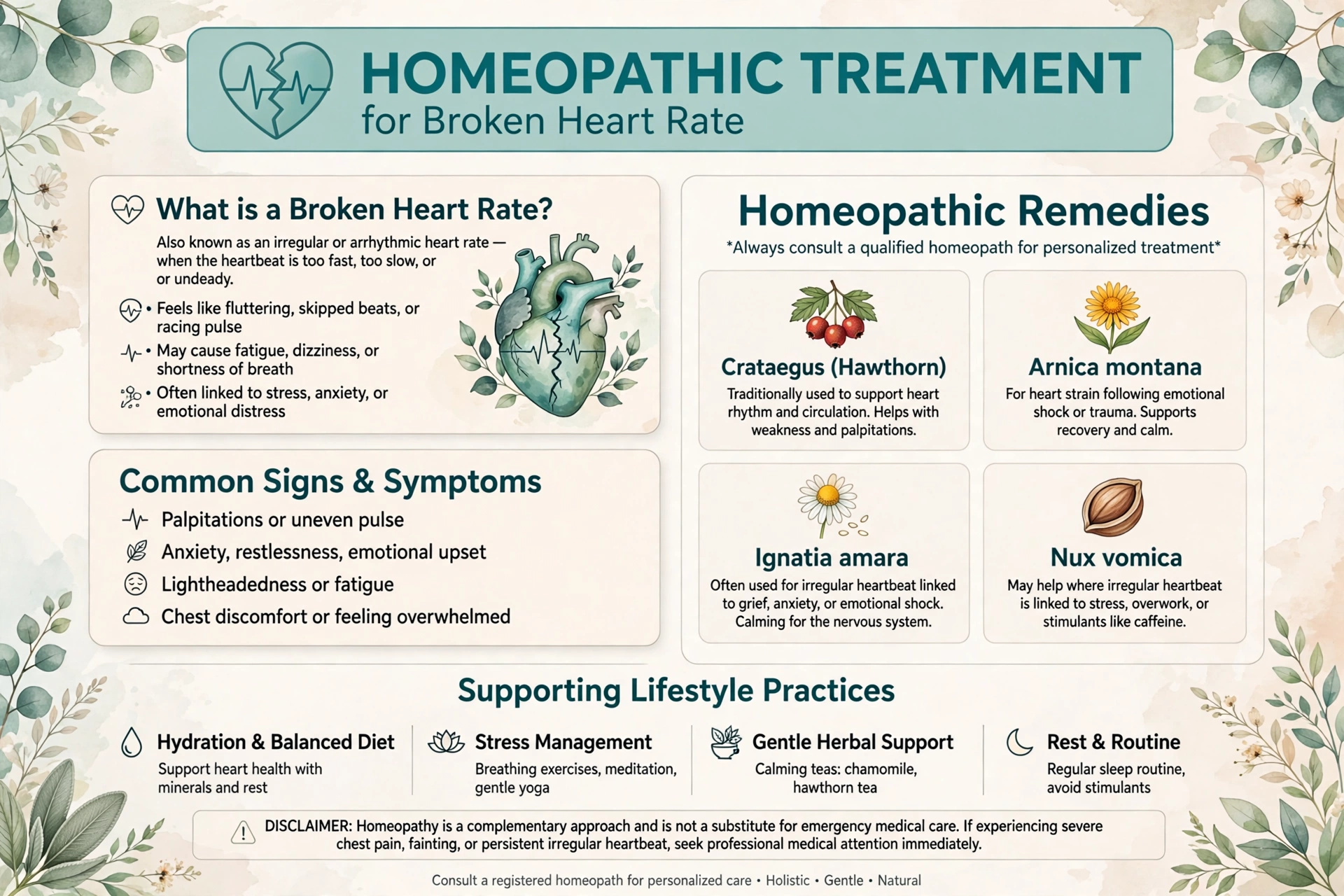 Homeopathy for heart arrhythmia operates on a fundamentally different premise, requiring profound customization to the patient’s constitutional picture rather than focusing solely on the arrhythmia diagnosis. Homeopathic remedies for arrhythmias are selected based on a detailed interview exploring the sensation of the heartbeat, the circumstances that bring on an episode, and the emotional state that accompanies it. Aconitum napellus, for instance, might be considered when palpitations erupt suddenly after a fright with a sense of impending doom and restlessness, while Digitalis purpurea corresponds to a sensation that the heart will stop if the person moves, accompanied by a slow, irregular pulse. Natural treatment for arrhythmia within this framework remains controversial in cardiology departments due to the ultra-dilute nature of the preparations, yet a Swiss health technology assessment noted that in pragmatic observational studies, individualized homeopathic prescribing was associated with improved quality-of-life scores and reduced conventional drug use in valvular and hypertensive patients. Any alternative treatments for heart arrhythmia of this type must complement, never substitute for, continuous rhythm monitoring and emergency medical planning established with your cardiologist.
The Best Homeopathic Remedies for Arrhythmias
- For Emotionally Excited Palpitations
Numerous emotional reasons might cause arrhythmias. Homeopathy provides a range of efficient natural remedies based on an individual’s emotional element to treat palpitations related to emotions.
Anger-related arrhythmias: Staphysagria is the finest natural remedy for anger-related palpitations. This treatment works wonders for sudden emotional outbursts that cause arrhythmias.
Fear-related palpitations: Opium and aconite are the best natural remedies for fear-related arrhythmias. The best treatment for arrhythmias brought on by abrupt fear is aconite. Palpitations may occur with worry, restlessness, and an increased desire for cold water. When palpitations are brought on by fear of a long-ago, unexpected event, opium is the finest medication.
Grief-related palpitations: Ignatia is the best treatment for grief-related palpitations. In these situations, Ignatia produces outstanding outcomes.
Joy-induced arrhythmias: The best natural remedy for arrhythmias caused by an unexpectedly happy occasion is coffee. Arrhythmias brought on by unexpected positive surprises are also covered.
Anxiety-related palpitations: The two best natural remedies for anxiety-related palpitations are aconite and arsenic album. Extreme anxiety and palpitations are warning signs when using these medications. A noticeable restlessness and anxiety about dying are present. Aconite is thought to be the best treatment for palpitations, especially when there is increased thirst and a desire to be outside, in addition to the other symptoms.
- For Arrhythmias Caused by Stimulant Intake
From beer consumption: Sumbul is a natural home remedy that works wonders for arrhythmias caused by beer consumption. Along with arrhythmias, there may be pain in the left arm and chest.
From coffee consumption, Nux Vomica is the best treatment for palpitations caused by coffee use.
From excessive tea drinking: Thea cinensis is a fantastic natural remedy that can help reduce palpitations caused by excessive tea consumption. The person experiences chest oppression in addition to palpitations.
From tobacco abuse: Convallaria, Kalmia, and Tabacum are the finest natural remedies for palpitations brought on by tobacco consumption. When someone complains that their heart is pounding throughout their chest, Convallaria is the best treatment. Even mild exercise exacerbates the palpitations. Additionally, the pulse is rapid. When palpitations and a sluggish pulse are present, Kalmia is the best option. The palpitations worsen when one stoops forward. People who require the treatment Tabacum frequently have an undetectable, extremely faint pulse. Additionally, the pulse may exhibit intermittency.
- For arrhythmias brought on by slight motion and physical exertion
Iberis, Digitalis, and Spigelia are the best natural remedies for arrhythmias brought on by physical activity and mild motion. When even the slightest effort causes arrhythmias, Iberis can be taken. Vertigo can occur in addition to arrhythmias. The best treatment for arrhythmias brought on by even the smallest movement is digitalis. The patient typically believes that their heart is better at rest and will cease working if they move. Spigelia is the best treatment for severe arrhythmias triggered by even the slightest movement, along with arm and heart pain.
- Natural Therapy for Anemia-Related Arrhythmias
Ferrum Met and Natrum Mur are two natural remedies that are quite helpful in treating cases of arrhythmias with anemia. Ferrum Met is the best option for anemia-related arrhythmias that worsen with movement. The face appears quite pallid. The pulse typically feels faint and delicate. When anemia-related arrhythmias occur with a tight feeling in the chest, natrum mur is the best treatment. The pulse rate is frequently reported to be sporadic and stays high. People who require Natrum Mur may have a taste for salt.
- For arrhythmias brought on by excessive use of allopathic medications
When overuse of allopathic medications causes arrhythmias, Nux Vomica and Opium are particularly helpful natural therapies. Both of these medications are highly effective and serve as a counterbalance to the negative consequences of abusing or overusing allopathic medications. After obtaining the patient’s case history, the best medication of the two is administered.
- For Menopausal Palpitations
Menopausal palpitations can be effectively treated with natural remedies such as Amyelosum Nitrosum, Glonoine, and Lachesis. The effects of utilizing amylenum nitrosum include palpitations that worsen with even slight exertion. An accompanying symptom is a sense of constriction in the heart area. The additional symptoms include intense anxiety and hot flashes. When palpitations cause breathing difficulties and worsen with exercise, glonoine is a highly helpful treatment. Every part of the body experiences palpitations. The best natural remedy for menopausal palpitations and fainting spells is lachesis. The women who require lachesis dislike wearing tight clothes.
- For arrhythmias brought on by hyperthyroidism
The two best natural remedies for arrhythmias in hyperthyroid patients are iodum and spongia. When a patient has hyperthyroidism and their arrhythmias worsen with even the slightest exercise, iodum is the most effective treatment. The chest feels pinched and narrowed. However, when a patient with hyperthyroidism complains of arrhythmias when lying down, spongia is the most effective medication. The patient feels better when they walk.
- For arrhythmias accompanied by symptoms of dyspepsia (acidity)
Lycopodium and Abies can offer excellent natural treatments for arrhythmias brought on by symptoms of stomach acidity. When overeating is followed by arrhythmias, a bloated tummy, and a burning stomach, Abies Can is appropriate. When too much gas fills the abdomen and causes arrhythmias, lycopodium is the best treatment. Arrhythmias cause the gas to remain blocked and difficult to pass.
- For Arrhythmias and Palpitations
An irregular or abnormal heartbeat is referred to as an arrhythmia. Tachycardia (heart rate rising above 100 beats per minute), bradycardia (heart rate falling to as low as 40 beats per minute), and irregular cardiac movement (skipping beats) are examples of arrhythmia.
Lilium Tig is a very effective natural homeopathic remedy for palpitations accompanied by tachycardia. When using Lilium Tig, the heart rate may possibly increase to 150 beats per minute or more. The patient’s entire body is pulsating violently. Chest pain on the left side and weight in the chest may accompany fluttering in the heart area.
The greatest natural homeopathic remedies for arrhythmias with bradycardia are Kalmia and Digitalis. When using Kalmia, the heart rate may be as low as 35–40 beats per minute with palpitations. Anxiety and a flutter in the chest are experienced by the sufferer. When even the smallest movement triggers palpitations and reduces the heart rate, digitalis is the best homeopathic treatment. The individual who needs Digitalis feels compelled to remain still since moving would cause their heart to stop.
The greatest natural homeopathic remedy for arrhythmias with irregular or skipped beats is digitalis. The pulse is erratic, pausing primarily every third, fifth, and seventh beat. In patients who require digitalis, mitral disease may be the underlying pathology causing erratic cardiac activity. The finest homeopathic remedy for severe arrhythmias with erratic heartbeats is aurum met. Patients who require Aurum Met report feeling as though their hearts had abruptly stopped beating for a brief period of time—between two and three seconds—before abruptly resuming. The blood pressure is elevated and the pulse is erratic.
Conclusion
Understanding arrhythmia begins with recognizing that this condition is not a single diagnosis but a spectrum of electrical disturbances, from the fleeting skipped beat of a premature atrial contraction to the chaotic rhythms of atrial fibrillation that elevate stroke risk. The causes of arrhythmia span structural damage like coronary artery disease, congenital pathway abnormalities, and transient triggers, including electrolyte depletion or excessive stimulant use. Symptoms mirror this variety: a patient with bradycardia might battle daily fatigue, while someone with supraventricular tachycardia describes a sudden hammering sensation that starts and stops without warning. Interpreting these signals correctly, with tools such as a 12-lead ECG or a two-week event monitor, lets your cardiologist classify the arrhythmia and map its origin—a diagnostic precision that directs every subsequent treatment decision.
Western medicine offers a tiered arsenal that moves from pharmacological management to targeted procedures. A common antiarrhythmic such as flecainide can chemically suppress ectopic foci, while a catheter ablation can eliminate the misfiring tissue altogether, often restoring a stable rhythm within hours. For conditions where rate control suffices, a beta blocker might keep your ventricular response below 110 beats per minute during daily activity without eliminating the underlying atrial fibrillation, a strategy validated in large trials like AFFIRM. Device-based therapies address risks that drugs cannot: a subcutaneous implantable cardioverter-defibrillator can terminate a lethal ventricular arrhythmia in seconds, and a leadless pacemaker, no larger than a vitamin capsule, can maintain a minimum heart rate without the complications of transvenous leads. Each intervention is chosen to match the specific arrhythmia type, left ventricular function, and the patient’s tolerance profile.
A complementary approach using natural treatment for arrhythmia strengthens the foundation upon which medical therapies work. Magnesiuim glycinate, dosed at 300 to 400 milligrams daily, can calm ventricular ectopy in a magnesium-depleted patient, while a diet emphasizing high-potassium foods such as steamed spinach and avocado supports intracellular electrical gradients. Monitoring the effects of these changes through a personal heart rhythm device, rather than relying solely on infrequent office visits, provides objective feedback on whether a vagal maneuver at symptom onset or a reduction in alcohol intake actually decreases arrhythmia burden. Integrating stress-modulation practices like slow, diaphragmatic breathing at six breaths per minute demonstrably enhances baroreflex sensitivity, a measurable shift that can reduce sympathetic surges known to trigger paroxysmal atrial fibrillation. Blending these holistic elements into a comprehensive plan, maintained under electrophysiology guidance, transforms a reactive response to palpitations into a proactive model of heart rhythm care.
FAQ

How much does arrhythmia ablation cost without insurance?
Without insurance, catheter ablation typically costs between $20,000 and $50,000 in the United States, depending on the complexity of the arrhythmia and the hospital. The final amount varies based on facility fees, the electrophysiologist’s charges, and whether advanced mapping systems are used.
How long does it take to recover from an arrhythmia ablation procedure?
Most people can resume light activities within a few days and return to normal routines within a week, although full tissue healing takes two to three months. Recovery is longer if there are complications at the catheter insertion site, such as significant bruising or a hematoma.
Can an arrhythmia resolve on its own?
Some benign arrhythmias, like occasional premature beats or respiratory sinus arrhythmia, can resolve spontaneously, especially when triggers such as caffeine or stress are removed. However, most sustained or symptomatic arrhythmias require medical evaluation because they rarely disappear permanently without treatment.
What is the most common mistake people make when trying to manage arrhythmia at home?
The most common mistake is relying on unproven supplements or alternative therapies while delaying evidence-based medical care, particularly for serious arrhythmias like atrial fibrillation. This can allow the condition to worsen, increasing the risk of stroke or heart failure before proper treatment begins.
Which medications for arrhythmia have the least side effects?
Beta blockers like propranolol and metoprolol are generally well tolerated, with fatigue and mild dizziness being the most frequent side effects. However, individual responses vary greatly, and someone with asthma or very low blood pressure may experience more significant problems with these drugs.
Is acupuncture a safe alternative to standard heart arrhythmia treatments?
Acupuncture is not an alternative to standard medical treatment for arrhythmias but may be used as a complementary approach to help manage stress and anxiety, which can be triggers. Anyone with a diagnosed arrhythmia should only consider acupuncture after consulting their cardiologist, as needling near the chest may be risky with certain heart conditions.
Is arrhythmia treatment worth it if I only have occasional symptoms?
Yes, treatment is often still worth it because intermittent symptoms can be a sign of a progressive electrical problem that raises the risk of stroke, cardiomyopathy, or sudden cardiac arrest. The main exception is a very low-risk finding like infrequent premature atrial contractions without structural heart disease, where monitoring alone may be sufficient.
Naturopathic Treatment for Cardiac Arrhythmias in Philadelphia.
Philadelphia Holistic Clinic is the #1 naturopathic medical center in the City of Brotherly Love. At the clinic, the team of licensed medical professionals provides different forms of naturopathic treatment, including acupuncture, homeopathy, hypnotherapy, Reiki, Ayurveda, and Chinese medicinal herbs. All treatments are provided under the strict supervision of the clinic director, Victor Tsan. During the initial evaluation, Victor Tsan will check your complaints to ensure that none of the recommended treatments may cause deterioration of your medical condition, arrhythmia, nausea, drowsiness, or any other unwanted side effects. Contact Philadelphia Homeopathic Clinic at (267) 403-3085 to schedule your evaluation appointment. Evaluation includes a full body assessment and all necessary testing. For your convenience, you can use our online scheduling application.