Lyme Disease
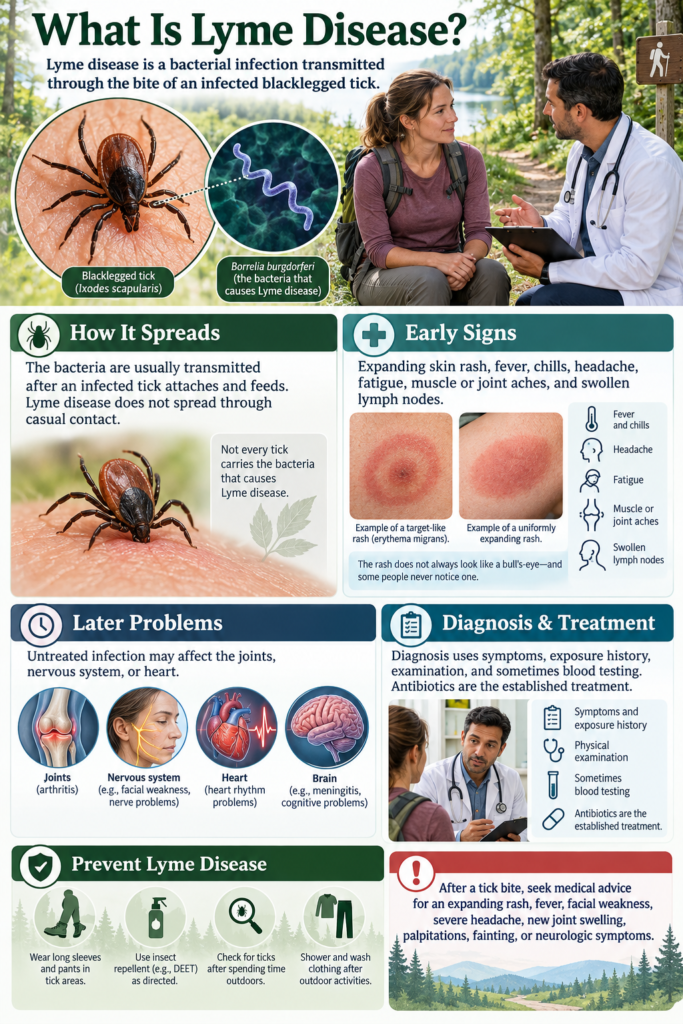
Lyme disease (Lyme borreliosis) is a tick-borne bacterial infection caused by Borrelia bacteria (primarily Borrelia burgdorferi in North America) and transmitted through the bite of infected blacklegged ticks (deer ticks). It is the most common vector-borne illness in the United States.
A tick no larger than a poppy seed burrows into your skin during an afternoon hike, and within weeks you face a cascade of bewildering symptoms that can mimic dozens of other conditions. The Centers for Disease Control and Prevention receives reports of approximately 30,000 cases annually, yet newer estimates suggest the true number of infections in the United States may exceed 300,000 each year. That stark gap between confirmed and suspected cases points to a disease that often evades swift diagnosis, leaving you to navigate a medical puzzle where time is a critical factor.
Lyme disease begins with the bacterium Borrelia burgdorferi, transmitted primarily through the bite of an infected blacklegged tick, though the precise mechanisms of how the pathogen establishes itself in your body raise ongoing questions about its causes. Early signs can include the hallmark erythema migrans rash, an expanding red ring that appears in roughly 70 to 80 percent of patients, alongside flu-like fatigue and joint discomfort that intensify if left unaddressed. Without prompt intervention, the infection can progress into neurological, cardiac, and arthritic complications, with symptoms persisting over multiple stages that researchers continue to define with greater clarity.
Treatment approaches for the initial stage rely on a course of oral antibiotics, typically doxycycline or amoxicillin, prescribed for 10 to 21 days depending on your specific presentation. Patients with later-stage involvement, including Lyme arthritis or facial palsy, may require intravenous antibiotic regimens that extend for several weeks under close clinical supervision. Lingering questions about what is often called chronic Lyme disease, a condition marked by persistent pain, brain fog, and exhaustion after standard therapy, fuel a robust scientific debate around post-treatment Lyme disease syndrome and the most effective strategies for prevention and long-term care.
Key Takeaways:
- Lyme disease is a bacterial infection transmitted primarily by blacklegged ticks carrying Borrelia burgdorferi, with the highest risk of transmission occurring after 36 to 48 hours of tick attachment.
- A bull’s-eye rash, known as erythema migrans, appears in 70 to 80 percent of infected individuals and serves as a definitive clinical marker, often expanding gradually over several days without causing pain or itching.
- Early localized symptoms can mimic the flu, including fever, chills, fatigue, and muscle aches, which makes laboratory testing via a two-tiered antibody approach essential when the characteristic rash is absent.
- Disseminated infection can lead to neurological complications such as facial palsy, meningitis, and radiculopathy, along with cardiac manifestations like Lyme carditis that may cause heart palpitations or lightheadedness.
- Prompt antibiotic treatment with doxycycline, amoxicillin, or cefuroxime axetil for 10 to 21 days resolves most early-stage cases, though a small subset of patients experience lingering fatigue and joint pain after completing therapy.
- Post-treatment Lyme disease syndrome remains a contested diagnosis without a single validated biomarker, and extended antibiotic courses have not demonstrated consistent benefit in randomized controlled trials, shifting the focus toward symptom management strategies.
- Prevention centers on wearing permethrin-treated clothing, performing thorough tick checks within two hours of outdoor exposure, and removing attached ticks with fine-tipped tweezers using steady upward pressure to minimize regurgitation of bacteria.
What Is Lyme Disease?
Overview and Contagiousness
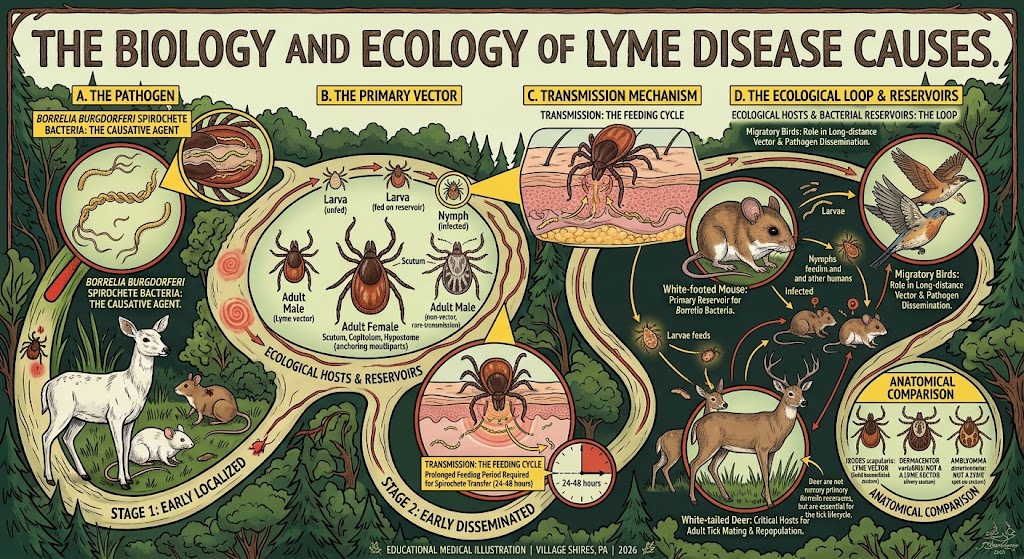
Lyme disease stems from a bacterial infection with Borrelia burgdorferi and, less commonly, Borrelia mayonii in North America. These spirochete bacteria enter your body through the bite of an infected blacklegged tick, often called a deer tick. Transmission risk rises significantly after the tick has been attached for 36 to 48 hours, making prompt and proper removal a key defense. A feeding tick must have a blood meal at every life stage to survive, which is when the pathogen can pass into your bloodstream. Without this extended attachment window, the likelihood of infection remains remarkably low even in regions where Lyme is endemic, such as the northeastern and upper midwestern United States.
Direct person-to-person spread does not occur, so you cannot contract Lyme disease from touching, kissing, or sharing a household with someone who has the illness. There is no evidence that the bacteria transmit through sexual contact, and while Borrelia can survive in stored blood, no documented cases link the condition to a blood transfusion. A mother receiving appropriate antibiotic treatment during pregnancy protects the developing fetus, though untreated infection may pose risks to the placenta. Pets carrying ticks into your home present an indirect concern, yet a dog or cat with Lyme disease itself is not a contagious threat to your family.
| Transmission Question | Contagious? | Key Detail |
|---|---|---|
| Through casual human contact | No | Requires a tick bite, not touch or respiratory droplets |
| Sexual or blood transfusion | No proven cases | Bacteria detectable in stored blood but no documented infections |
| From a pet with Lyme disease | No | Ticks carried indoors on fur remain the actual risk factor. |
| Mother to unborn child | Possible if untreated | Standard antibiotic treatment effectively prevents transmission. |
Public health mapping from the Centers for Disease Control and Prevention shows that reported cases cluster heavily in 14 states, from Virginia through Maine, with a secondary hotspot in the upper Great Lakes region. Ticks in the nymphal stage, often no larger than a poppy seed, cause the bulk of human infections because their bites go unnoticed long enough for the 36-to-48-hour transmission threshold to pass. Understanding this non-contagious, vector-dependent nature shifts your focus to environmental awareness rather than unnecessary concern about social proximity to someone recovering from the illness.
Causes of Lyme’s Disease and Prevention
Causes
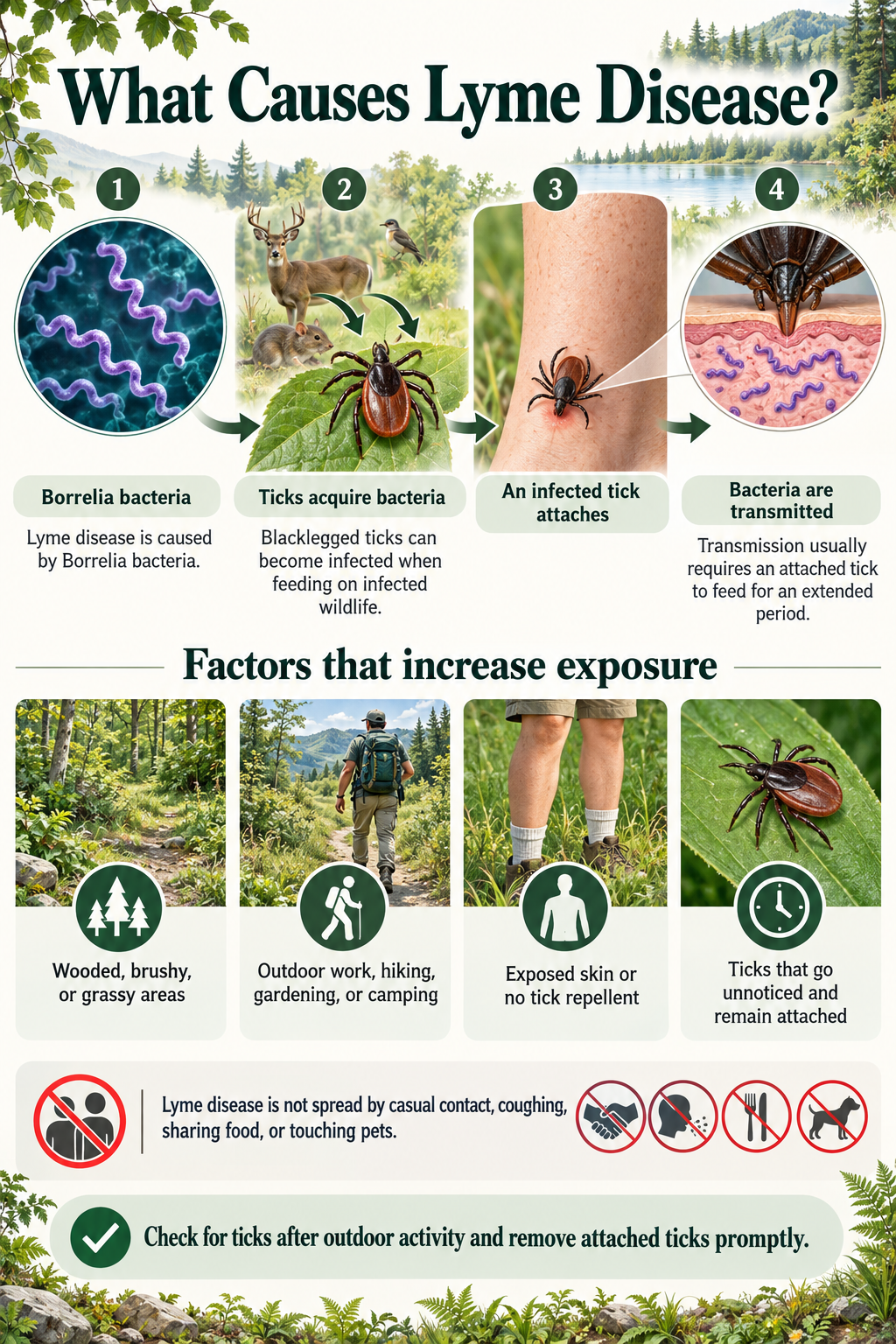
Transmission of the bacterium *Borrelia burgdorferi*, and less commonly *Borrelia mayonii*, begins when an infected blacklegged tick, also known as a deer tick, attaches to a host and feeds for an extended period. The tick itself acquires the pathogen during its larval or nymphal stage after taking a blood meal from an infected reservoir host, primarily the white-footed mouse. Other small mammals and birds can harbor the bacteria, but mice are responsible for infecting the vast majority of ticks in an endemic area. A tick’s life cycle, spanning two to three years through larva, nymph, and adult stages, determines seasonal risk patterns, with nymphal ticks posing the greatest danger to humans in late spring and summer due to their small size and inconspicuous attachment.
Your geographic location remains the single most influential factor in exposure risk, as the bacteria are not found everywhere ticks exist. In the United States, 95 percent of confirmed cases in 2022 were concentrated across 16 states, stretching from Maine to Virginia and westward into the Upper Midwest, particularly Wisconsin and Minnesota. Outside North America, pathogenic species like *Borrelia afzelii* and *Borrelia garinii* dominate across Europe and Asia, causing a broader spectrum of clinical manifestations. Suburban neighborhoods that border wooded or grassy habitats, especially where deer populations have expanded without natural predators, create edges where tick density can exceed 20 nymphs per square meter.
A tick must typically remain attached for 36 to 48 hours before the spirochete migrates from the midgut to the salivary glands and enters the feeding wound. Shorter attachment periods rarely result in infection, which explains why careful daily checks drastically lower your chance of disease. Transmission occurs without pain because tick saliva contains compounds that inhibit clotting, blunt immune cell function, and mask the bite sensation. This sophisticated biochemical environment allows *Borrelia burgdorferi* to travel through your skin, evade early immune detection, and disseminate via the bloodstream to joints, the nervous system, and cardiac tissue within days to weeks after inoculation.
Prevention
Reducing your exposure hinges first on interrupting skin contact with questing ticks, which perch on leaf litter and low vegetation with outstretched front legs waiting to latch onto a passing host. Applying an Environmental Protection Agency-registered insect repellent containing 20 to 30 percent DEET to exposed skin provides several hours of protection, while treating boots, socks, and pants with permethrin incapacitates ticks on contact for multiple wash cycles. Wearing light-colored clothing with a tight weave makes it simpler to spot a crawling tick before it reaches your skin, and tucking your pant legs into your socks creates a physical barrier that disrupts direct access.
Landscape modifications around your home provide a long-term reduction in tick density without chemical intervention. Creating a three-foot-wide barrier of wood chips or gravel between wooded edges and manicured lawns desiccates ticks as they attempt to cross into recreational spaces, since nymphal ticks rapidly lose moisture in low-humidity environments. Mowing grass to a height of three inches or less, removing leaf litter promptly, and keeping playground equipment and patio furniture at least nine feet from forest margins can cut the number of host-seeking ticks by over 50 percent. Fencing to exclude deer, the essential reproductive host for adult female ticks, addresses the problem at the population level by disrupting the final blood meal required for egg production.
Post-exposure action within two hours of returning indoors significantly shrinks the window of opportunity for bacterial transmission. Strip your clothing and run it through a dryer on high heat for at least ten minutes; dry heat kills ticks more effectively than washing in hot water. Conduct a full-body inspection using a mirror or a family member’s assistance, concentrating on the scalp, behind the ears, armpits, groin, and behind the knees, locations where ticks commonly migrate. Showering within that same time frame washes off unattached ticks and creates the chance to feel small bumps that might otherwise go unnoticed.
- In 2020, the Centers for Disease Control and Prevention estimated that approximately 476,000 people are diagnosed and treated for Lyme disease annually in the United States.
- Ticks can acquire multiple pathogens simultaneously, meaning a single bite can transmit Lyme disease along with anaplasmosis, babesiosis, or Powassan virus.
- Permethrin-treated clothing retains full repellency through over 70 launderings when factory-impregnated, far outperforming home spray applications.
- Climate models project that warming temperatures will expand the geographic range of *Ixodes scapularis* northward into Canada at a rate of up to 46 kilometers per year.
- Prophylactic doxycycline, administered as a single 200-milligram dose within 72 hours of removing an engorged tick, is recommended only when specific criteria regarding tick identification, attachment duration, and local infection rates are met.
Lyme Disease Symptoms and Rash
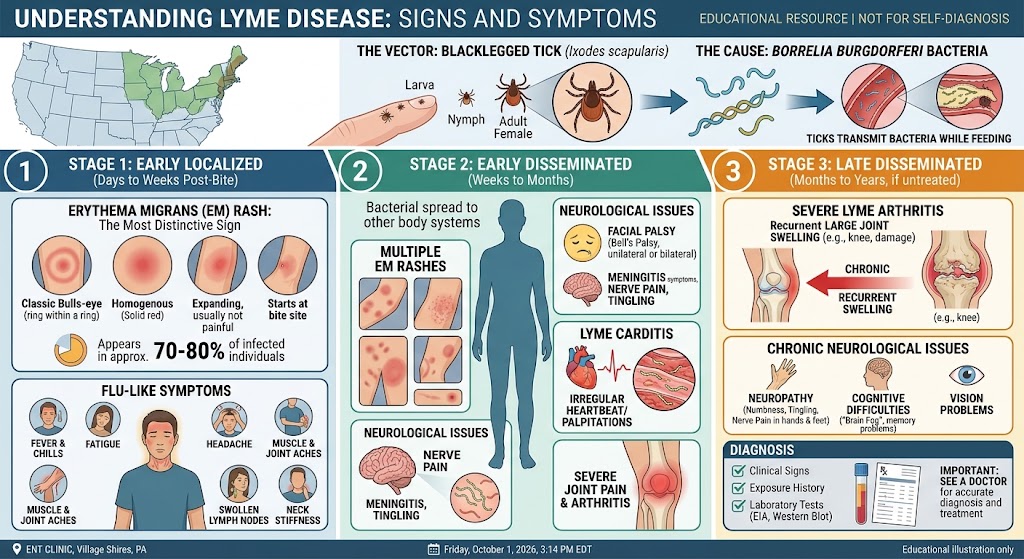
The clinical presentation of Lyme disease can vary widely, which often makes initial diagnosis a challenge for healthcare providers. Symptoms tend to unfold in distinct phases, starting anywhere from 3 to 30 days after a tick bite, and they frequently overlap with other conditions, earning Lyme the nickname “The Great Imitator.” Your immune response to the Borrelia burgdorferi bacterium drives much of the early discomfort, though some individuals may not recall a tick bite at all, particularly if the arachnid attached in a hidden area like the scalp or groin. A 2014 analysis by the CDC noted that only 70% of patients who presented with a classic rash could solidly remember the bite, underscoring why the onset of symptoms can feel sudden and unconnected to a specific outdoor event.
Fever, chills, and pronounced fatigue often arrive abruptly, mimicking a summertime flu. Joint pain and muscle aches typically migrate, shifting from the knees to the shoulders without settling in one location for long, distinguishing the bacterial infection from a standard mechanical injury. The body’s inflammatory reaction also commonly triggers swollen lymph nodes near the inoculation site, providing a physical clue during a clinical exam at an urgent care facility. Neurological indicators, such as a stiff neck or a dull headache that resists over-the-counter remedies, can surface within the first month, signaling that the spirochete has already begun disseminating through the bloodstream.
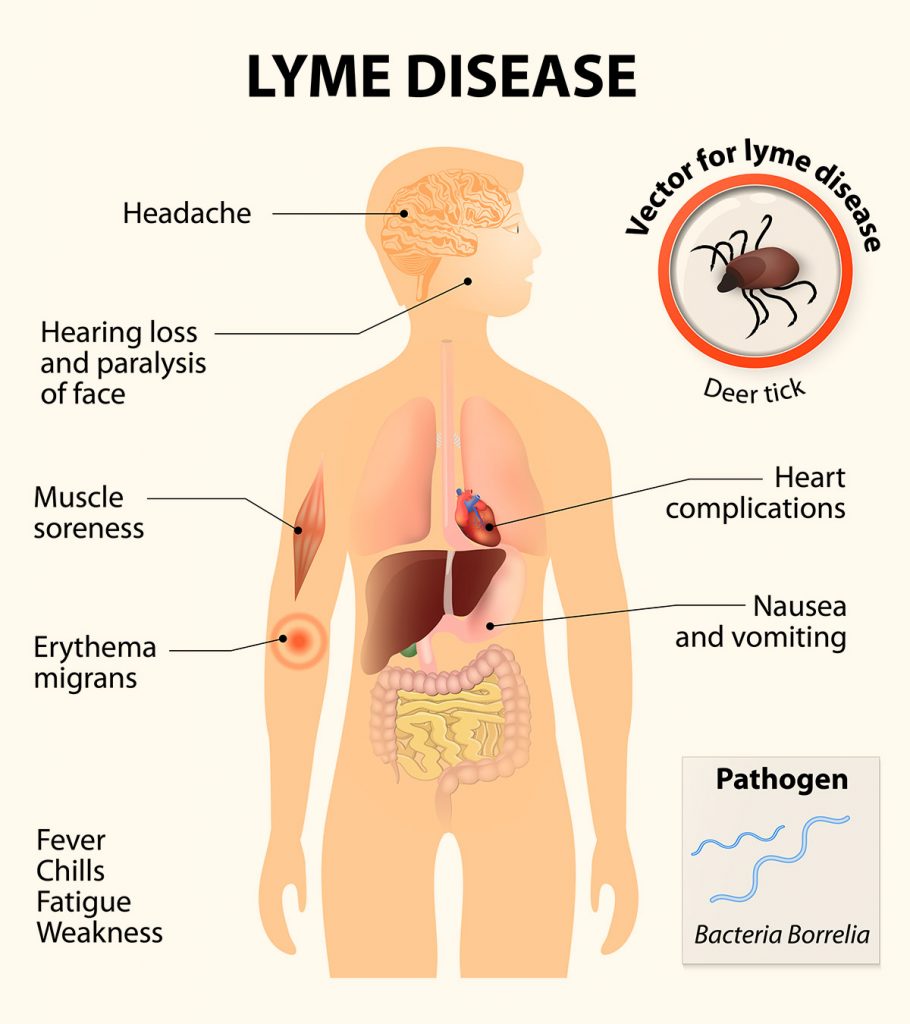
| Symptom Category | Early Localized (3-30 days) | Early Disseminated (weeks-months) |
|---|---|---|
| Systemic | Fever, chills, severe fatigue | Profound malaise, sweats |
| Musculoskeletal | Migratory joint and muscle pain | Brief, intermittent arthritis attacks |
| Neurologic | Headache, neck stiffness | Facial palsy, meningitis, nerve pain |
| Lymphatic | Regional lymph node swelling | Generalized lymphadenopathy |
As the infection advances without intervention, secondary symptoms expand to include cardiac and severe neurological involvement. Heart palpitations or lightheadedness can stem from Lyme carditis, an uncommon but serious disturbance of the electrical conduction system that regulates the heartbeat. On the dermatological front, multiple circular rashes may crop up on distant parts of the body, distinct from the initial bite, confirming that bacteria have spread subcutaneously. Cognitive fog and shooting nerve pain in the hands or feet often precede a late-stage condition where arthritis settles persistently into large joints, especially the knee, causing noticeable swelling that can last for months if left unaddressed.
Common Symptoms
Flu-like illness stands as the most frequent early complaint among patients who test positive for Borrelia burgdorferi. Your temperature may spike to 101°F or higher, accompanied by drenching night sweats that disrupt sleep cycles and lead to crushing daytime exhaustion. This fatigue differs from ordinary tiredness, often described as a physical wall that renders basic tasks like climbing a flight of stairs unexpectedly difficult. Generalized achiness that hops between muscle groups makes it hard to pinpoint a single source of discomfort, a pattern that prompts infectious disease specialists to prioritize Lyme testing during tick season even when a rash is absent.
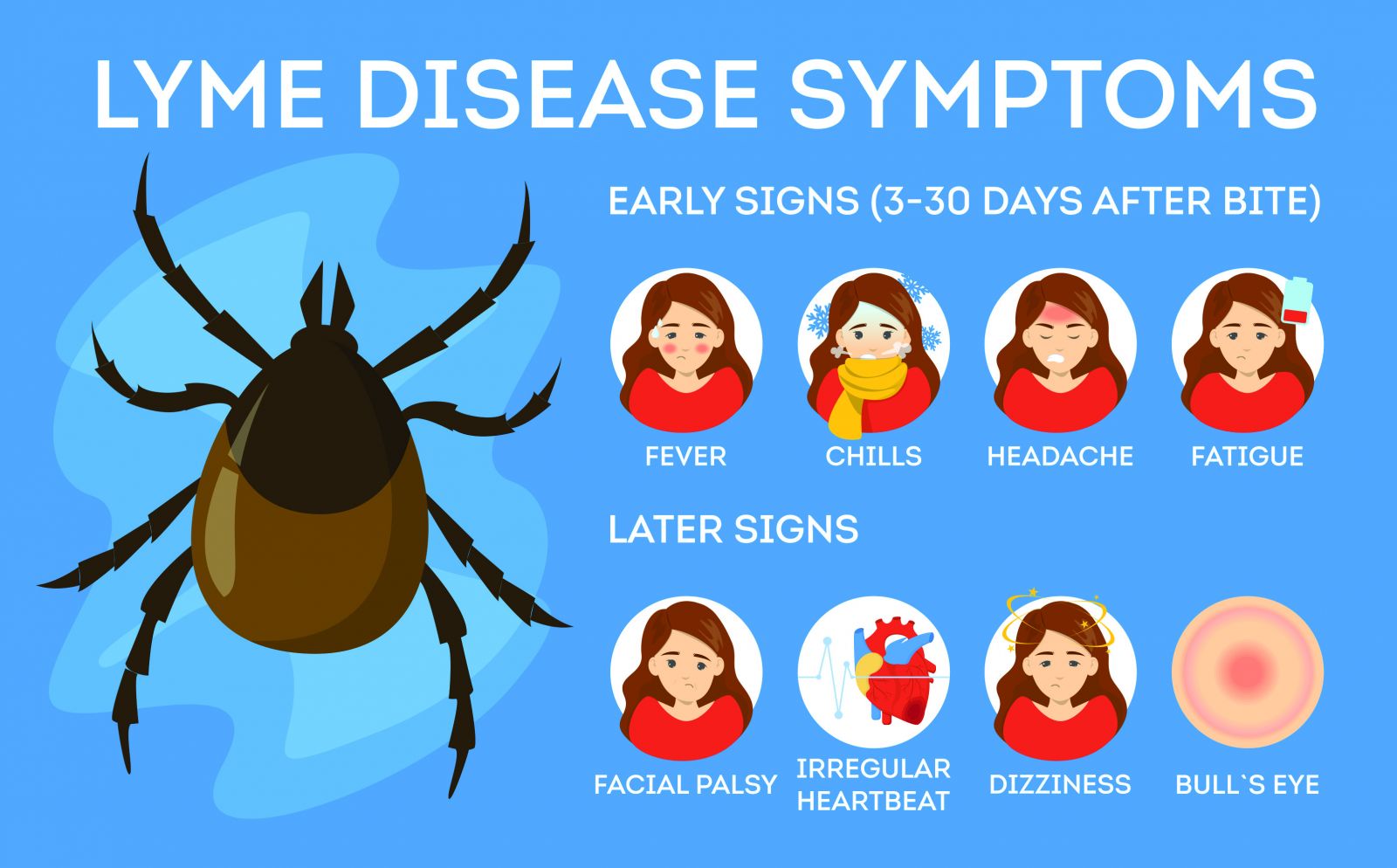
Cervical lymphadenopathy, or swelling of the lymph nodes in the neck, frequently coincides with the onset of a headache that sits at the base of the skull. Unlike a tension headache, this pain remains constant and can intensify with eye movement, a clue that the central nervous system may be under siege. Bell’s palsy, a temporary paralysis of facial muscles on one side, occurs in roughly 5% of untreated cases and can be the startling symptom that finally drives someone to an emergency room. Visual disturbances, including light sensitivity and floaters, have been reported in early disseminated disease when ocular structures become inflamed from the spirochete’s presence.
Joint manifestations progress from a migratory, fleeting pain to distinct episodes of swelling that define Lyme arthritis. The knee emerges as the primary target, accumulating fluid to the point where a visible Baker’s cyst may develop behind the joint. Aspiration of this fluid often reveals elevated white blood cell counts exceeding 10,000 cells per microliter, consistent with an intense inflammatory assault that requires antibiotic intervention to prevent cartilage erosion. Subtle cardiac signs like a fluctuating heart block can appear on an EKG before you ever feel a specific chest symptom, making a thorough physical exam critical when Lyme is suspected.
Rash
Erythema migrans, the hallmark Lyme disease rash, develops at the tick bite location and expands gradually to form a distinctive annular lesion. The clearing center creates the classic bull’s-eye appearance in perhaps 20% to 30% of cases, though more often the rash presents as a uniformly red, oval patch that grows over days to a diameter exceeding 5 centimeters. Your skin typically remains smooth at the center without scaling or blistering, differentiating it from a common spider bite or fungal ringworm infection. The bite site may feel warm to the touch but rarely itches or hurts, a paradox that allows the indicator to go unnoticed when it appears on the back or behind a knee.
Multiple secondary erythema migrans lesions can blanket the torso and extremities as Borrelia organisms disseminate hematogenously. These satellite rashes tend to be smaller than the primary lesion but share the same expanding red border and central clearing, sometimes merging into a map-like pattern across the abdomen. Histological examination of a biopsy from the advancing edge would show a perivascular infiltrate of lymphocytes and plasma cells, confirming that the skin reaction is driven by the host immune response rather than direct bacterial destruction. The color intensity may fluctuate with body temperature, becoming more pronounced after a hot shower.
An atypical rash lacking the ring configuration complicates the diagnostic picture for some individuals. Bluish-purple discoloration or a vesicular center can mimic a staph infection, leading to a misdiagnosis of cellulitis and a futile course of antibiotics that fail to reach therapeutic levels in the central nervous system. Researchers at New York Medical College documented cases where early erythema migrans was mistaken for a simple allergic reaction due to its transient, blotchy nature in fair-skinned patients. Recognizing that the lesion expands over time, rather than fading within 24 to 48 hours like a hypersensitivity response, remains the critical observational detail for both patients and clinicians tracking a potential tick-borne disease.
Stages of Lyme Disease
The Three Stages
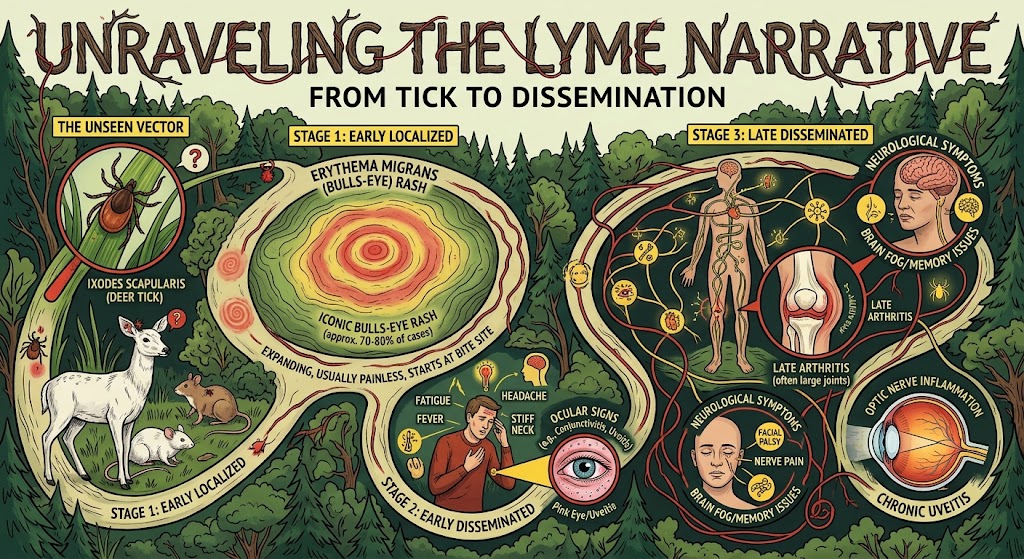
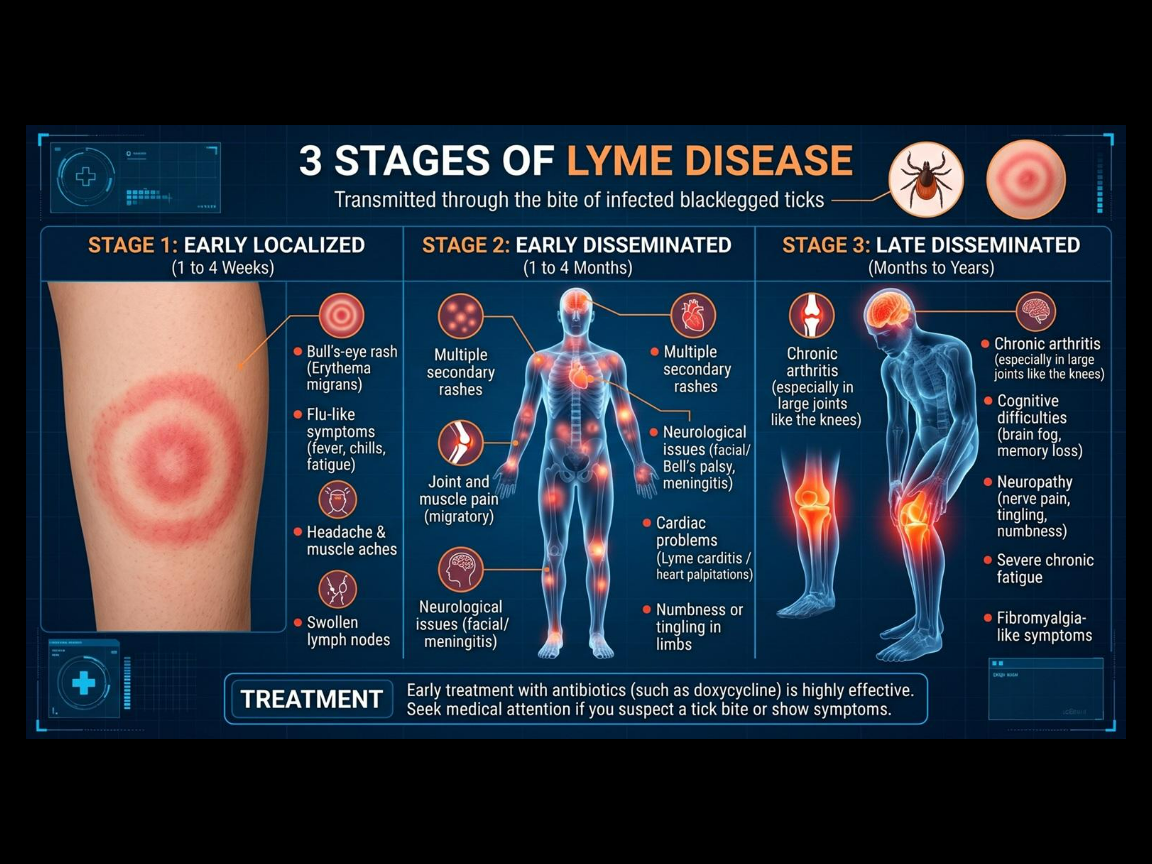
Early localized Lyme disease begins within 3 to 30 days after a tick bite, typically marked by the erythema migrans rash, which appears in approximately 70 to 80 percent of infected individuals. This expanding red lesion often develops at the site of the bite and may reach up to 12 inches in diameter, sometimes forming a central clearing that produces the recognizable bull’s-eye appearance. Flu-like symptoms frequently accompany this stage, including fatigue, headache, mild neck stiffness, and muscle aches, though respiratory distress is notably absent. The *Borrelia burgdorferi* spirochete remains concentrated in the skin during this phase, making prompt antibiotic treatment highly effective at preventing later complications. Blood tests performed in the first few weeks often yield false negatives because the immune system has not yet produced measurable antibodies, so diagnosis relies heavily on rash recognition.
Dissemination of the bacteria through the bloodstream defines the early disseminated stage, occurring weeks to months after the initial infection when the rash is left untreated. Painful arthritis in one or more large joints, especially the knee, affects a significant number of patients, with episodes of swelling that may shift between joints over time. Cardiac complications emerge in roughly 1 percent of untreated cases, presenting as atrioventricular heart block that can cause lightheadedness or fainting. The nervous system is another frequent target, leading to symptoms such as facial nerve palsy on one side, meningitis with intermittent headaches, and shooting nerve pain that disrupts sleep. A single dose of doxycycline can prevent progression if administered within 72 hours of tick removal, but once disseminated disease takes hold, a full 14- to 28-day antibiotic course becomes necessary.
Persistent infection, the late disseminated stage, unfolds months to years after the tick bite and presents the most entrenched form of the illness. Progressive joint erosion can mimic rheumatoid arthritis, with studies documenting antibiotic-refractory Lyme arthritis in around 10 percent of those who reach this stage, where inflammation continues even after spirochetes are cleared. Neurological manifestations deepen into a condition sometimes called Lyme encephalopathy, characterized by short-term memory lapses, difficulty concentrating, and slowed thinking speed that can undermine professional and daily function. Acrodermatitis chronica atrophicans, a bluish-red discoloration and thinning of skin on the hands or feet, appears more commonly in European cases caused by *Borrelia afzelii*. Treatment for late-stage disease extends to intravenous ceftriaxone for 2 to 4 weeks when oral regimens fail or when the central nervous system is involved.
- A single erythema migrans rash can spawn multiple satellite lesions during early disseminated disease.
- Facial nerve palsy affects both sides of the face in a small subset of pediatric patients.
- Late-stage neuroborreliosis can cause a stocking-glove pattern of numbness in the extremities.
- Antibiotic-refractory arthritis is linked to certain HLA-DR genetic variants in the patient.
Lyme Disease Treatment
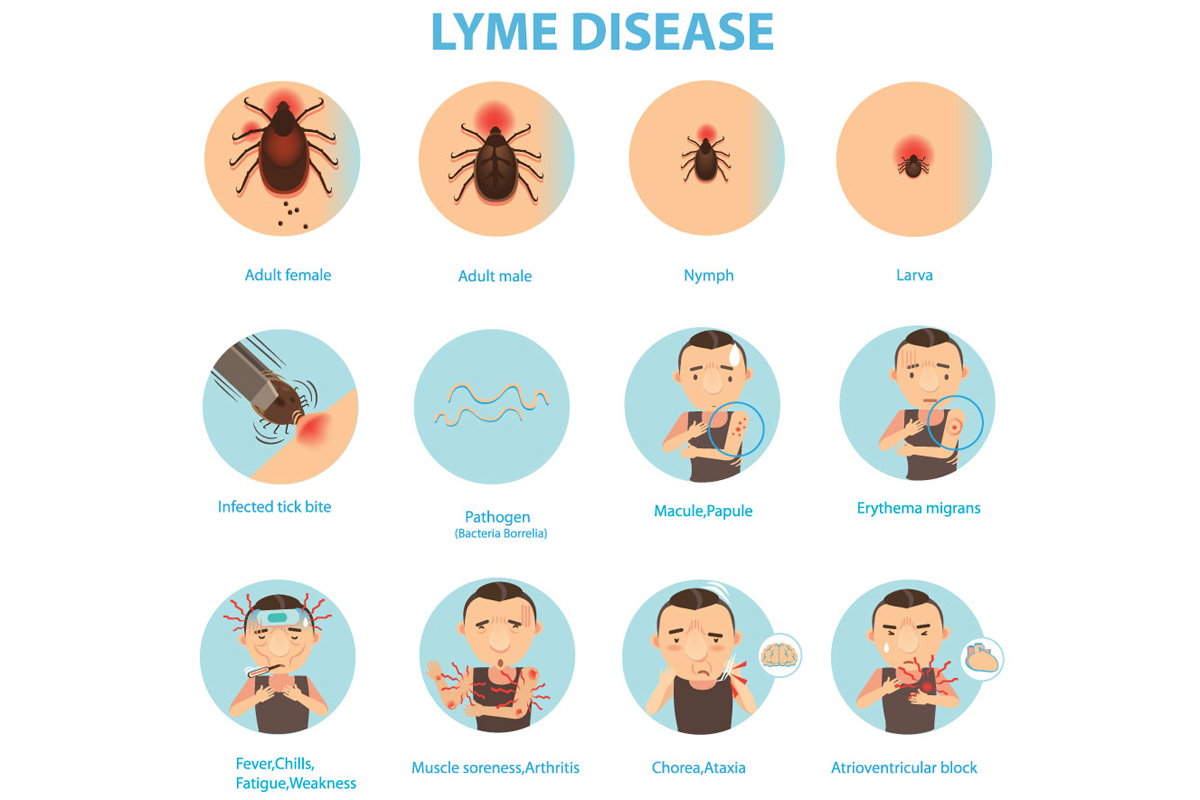
Treatment Approaches
Standard antibiotic therapy remains the cornerstone of Lyme disease treatment, with specific regimens determined by the stage of infection and the organs involved. Early localized Lyme disease typically responds to a 10- to 14-day course of oral antibiotics such as doxycycline, amoxicillin, or cefuroxime axetil. Patients presenting with early disseminated infection, including cases involving facial palsy or mild carditis, may require a longer course lasting 14 to 21 days. Intravenous antibiotics such as ceftriaxone become necessary when neurological symptoms are significant, as in cases of meningitis or radiculopathy, or when patients develop high-degree atrioventricular heart block requiring hospitalization. The choice of agent also considers patient-specific factors like age and pregnancy status; for example, doxycycline is generally avoided in children under eight years old and in pregnant or breastfeeding women due to risks of tooth discoloration and bone growth interference.
Clinicians often tailor the duration of therapy to the resolution of clinical signs rather than relying on repeat serologic testing, since antibody titers can remain elevated long after successful treatment. Arthritis symptoms emerging weeks to months after initial therapy sometimes necessitate a second round of oral antibiotics or, in refractory cases, disease-modifying antirheumatic drugs such as methotrexate. Situations where a patient’s joint swelling persists beyond two full antibiotic courses shift the focus from ongoing infection to a post-infectious inflammatory arthritis. Careful adherence to guidelines from the Infectious Diseases Society of America helps prevent unnecessary extended antibiotic exposure, which carries its risks, including Clostridioides difficile colitis, drug-induced liver injury, and line-associated bloodstream infections during intravenous treatment.
Supportive care plays a meaningful role alongside antimicrobials, particularly for managing pain, fatigue, and sleep disturbance during recovery. Nonsteroidal anti-inflammatory drugs such as ibuprofen or naproxen can reduce joint discomfort while the antibiotics work to clear the underlying infection. A small subset of patients explores a range of natural Lyme disease treatments, incorporating herbal supplements like Japanese knotweed or cat’s claw, though these have not demonstrated equivalent efficacy to prescription antibiotics in controlled studies. Homeopathic treatment for chronic Lyme disease and specific homeopathic remedies for Lyme disease lack robust clinical evidence and are not endorsed by mainstream medical organizations. That said, integrative strategies like optimizing vitamin D levels, maintaining a nutrient-dense diet to support immune function, and engaging in graded physical activity often help you manage convalescence without replacing core pharmacotherapy. Tracking your symptom progression with a diary provides your physician with objective data to adjust the treatment plan over time.
| Infection Stage | Typical Antibiotic | Route | Duration |
|---|---|---|---|
| Early localized | Doxycycline or Amoxicillin | Oral | 10-14 days |
| Early disseminated (mild carditis) | Doxycycline or Ceftriaxone | Oral or IV | 14-21 days |
| Neurologic involvement (meningitis) | Ceftriaxone | IV | 14-28 days |
| Late arthritis | Doxycycline or Amoxicillin | Oral | 28 days, may repeat once |
Chronic Lyme Disease and Questions About a Cure
Persistent symptoms following standard antibiotic therapy have generated considerable debate over the term “chronic Lyme disease,” a label patients and some advocacy groups use to describe lasting fatigue, cognitive fog, and musculoskeletal pain. The medical community more precisely categorizes this phenomenon as post-treatment Lyme disease syndrome, or PTLDS, recognizing that a small percentage of individuals remain unwell for months after the infection has been cleared. Researchers at Johns Hopkins University and other centers continue to investigate why roughly 10 to 20 percent of treated patients experience this protracted recovery. Proposed mechanisms include residual tissue damage from the initial inflammatory response, a dysregulated immune reaction that outlasts the pathogen, or persistent bacterial debris that triggers ongoing symptoms without active infection. Multiple high-quality randomized controlled trials have found that prolonged antibiotic courses spanning weeks or months do not improve outcomes for PTLDS compared to placebo, and they increase the rate of serious adverse events like pulmonary embolism and septicemia.
Questions about whether Lyme disease is curable arise naturally from the confusion surrounding these lingering cases. The answer hinges on defining the endpoint: early Lyme disease is curable with standard antibiotics, as evidenced by resolution of the erythema migrans rash and prevention of later-stage complications in the vast majority of patients. Even late-stage infections involving the joints or nervous system usually respond to appropriate intravenous or oral antibiotics, though nerve or joint damage that occurred before treatment may be irreversible. A 2022 review in Infectious Disease Clinics of North America emphasized that spirochetes cannot be cultured from symptomatic PTLDS patients after initial treatment, reinforcing the view that ongoing symptoms do not equate to ongoing infection. Your physician can often distinguish true reinfection, marked by a new erythema migrans rash at a different site, from the non-specific complaints of PTLDS by tracking antibody profiles and clinical history. Reinfections are treated identically to first-time cases, with the same high likelihood of cure.
Chronic Lyme disease treatment options beyond antibiotics attract many people searching for relief, though the evidence base for these approaches remains thin.

Some integrative practitioners recommend extended courses of oral doxycycline combinations, a practice the American College of Rheumatology advises against due to documented risks without proof of benefit. Natural treatments for Lyme disease often promoted online include biocidal herbs, intravenous hydrogen peroxide, and hyperthermia, none of which have passed the scrutiny of randomized placebo-controlled trials. The financial and emotional toll of pursuing homeopathic treatment for chronic Lyme disease can be substantial; one survey from the Lyme Disease Association estimated that patients with PTLDS spend an additional $3,000 to $10,000 annually on out-of-pocket therapies not covered by insurance. Directing your energy toward validated strategies like cognitive behavioral therapy, paced exercise programs, and specialist-guided pain management offers a more grounded path forward while research continues to untangle the biological roots of these persistent syndromes.
Acupuncture for Lyme’s disease
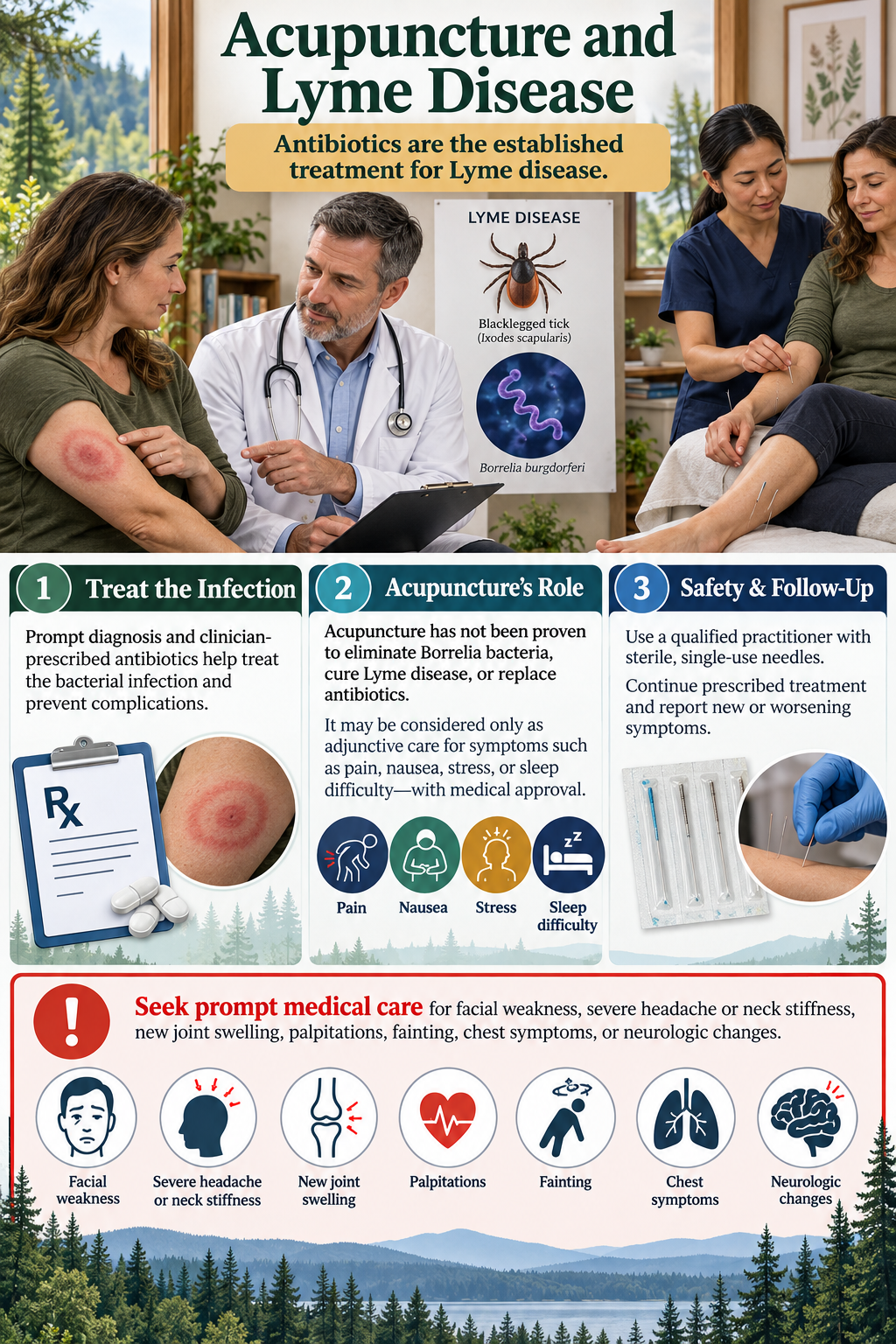
How Acupuncture Supports Lyme Recovery
- Reduces Systemic Inflammation: Animal and physiological studies show that stimulating specific acupoints (such as ST36) activates the vagus nerve and suppresses pro-inflammatory cytokines (like TNF-α) without interfering with antibiotic performance.
- Calms the Nervous System: Emerging research associates lingering PTLDS symptoms with autonomic nervous system dysregulation (dysautonomia). Acupuncture helps the body move from a sympathetic “fight-or-flight” state to a parasympathetic healing state.
- Eases the “Herx” Reaction: When antibiotics kill off large amounts of bacteria rapidly, it can trigger a Jarisch-Herxheimer reaction, temporarily worsening body pain and headaches. Acupuncture helps mitigate these severe die-off spikes.
Common Symptoms Addressed
- Chronic Pain: Migraines, moving joint pain, persistent musculoskeletal aches, and neuropathy.
- Neurological Issues: Debilitating brain fog, poor concentration, and dizziness.
- Mood & Sleep Disruptions: Chronic insomnia, severe fatigue, anxiety, and depression.
- Autonomic Symptoms: Heart palpitations, temperature dysregulation, and digestive issues.
What to Keep in Mind
- Consistency is Key: Relief is cumulative. Many patients report notable changes within 3 to 6 sessions, but ongoing weekly treatments are often preferred to maintain baseline pain management.
- Herbal Integration: Licensed acupuncturists often combine needle therapy with Chinese herbal medicine to boost energy (Qi) and clear residual systemic inflammation.
- Find a Specialist: Look for a licensed practitioner who has experience working with chronic infectious diseases or complex autoimmune conditions. If cost is a barrier, community acupuncture networks like the People’s Organization of Community Acupuncture (POCA) offer sliding-scale treatment options.
Homeopathic Treatment for Chronic Lyme Disease
You can disregard this post if you think homeopathy cannot treat Lyme. However, you can study more about Lyme disease and homeopathy here if, like me, you are aware that homeopathy has successfully treated several cases of cholera, dysentery, mononucleosis, streptococcal infections, influenza, and many other infections. I’m glad to share all I know about this sickness with you.
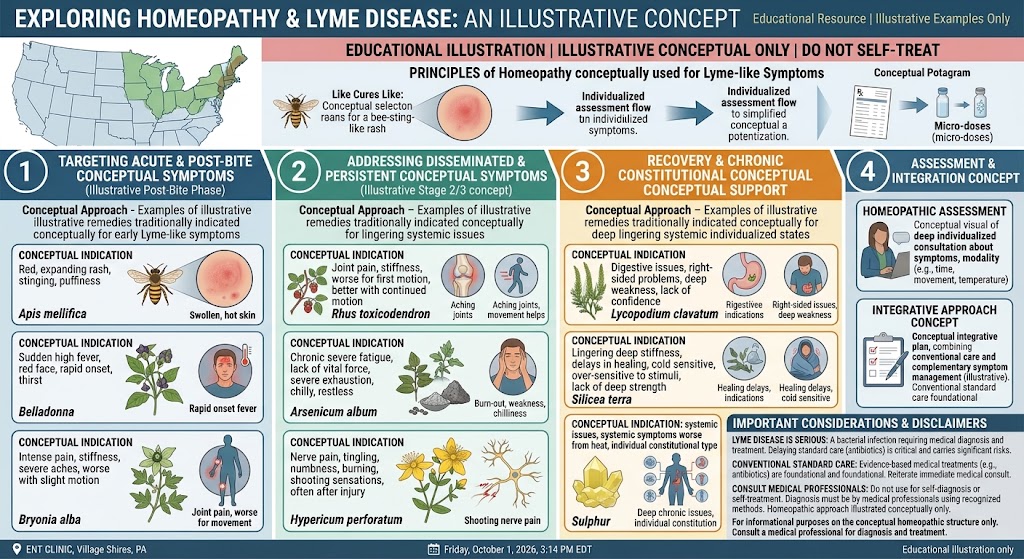
Homeopathic medications may be your best bet for a full recovery if you’re fighting Lyme disease. Our specifically designed homeopathic treatment for Lyme disease will help you experience symptom alleviation more quickly and eventually lead to a full recovery. For more than 25 years, the Philadelphia Homeopathic Clinic has been treating Lyme disease. Patients can visit our clinics in Philadelphia, PA, or chat online before receiving their customized homeopathic medications following a pre-treatment investigation.
Dr. Ronald D. Whitmont, MD, current president of the American Institute of Homeopathy (AIH), speaks about Classical Homeopathy as an Option for the Treatment of Lyme Disease and other Chronic Illnesses.
The most commonly used homeopathic remedies for Lyme’s Disease.
Arsenicum album: Beneficial for Lyme disease symptoms such as severe restlessness, bodily tiredness, and weakness. After effort, there are tearing pains in the limbs that worsen at night and when the person is at rest. Very helpful during the second stage of Lyme illness when there is an abrupt loss of strength.
Ledum Palustre: Helpful for Lyme disease following tick bites and other insect stings. The skin rash is accompanied by a twitching sensation. The tick bite site feels chilly to the touch.
Rhus Toxicodendron: Beneficial for Lyme disease in individuals with arthritis. Warmth relieves the knee joint’s uncomfortable swelling and stiffness. Additionally helpful for joint issues in the ankles and elbows in certain Lyme disease cases. The feet and other parts of the body are tingling.
Belladonna: A very effective medication for migraine attacks caused by Lyme disease. beneficial for pulsing, throbbing headaches. The head feels incredibly full. A head bath with cold water is helpful when the migraine is aggravated (increased) by cold air, and putting firm pressure on the head relieves the pain.
Kali Phosphoricum: Beneficial for Lyme disease when excessive work causes mental exhaustion. The person has forgetfulness, dullness of mind, memory loss, and lack of interest in conversing. beneficial for sensitive, low-stress conditions.
To wrap up
The trajectory of Lyme disease, from an unnoticed tick bite to persistent multi-system involvement, underscores the value of early recognition. Localized erythema migrans appears in 70 to 80 percent of confirmed cases, yet its absence should not rule out infection when flu-like symptoms and known exposure align. Diagnostic testing relies on a two-tiered serological approach: an enzyme immunoassay followed by a confirmatory Western blot or immunoblot, though sensitivity remains limited during the first four to six weeks. Untreated, the bacterial spirochete Borrelia burgdorferi can disseminate to joints, the nervous system, and cardiac tissue, producing complications like Lyme arthritis, facial palsy, or atrioventricular block.
Treatment protocols endorsed by the Infectious Diseases Society of America recommend oral doxycycline, amoxicillin, or cefuroxime axetil for early localized or early disseminated disease, typically over a 14- to 21-day course. Patients with objective neurologic involvement or high-degree heart block often receive intravenous ceftriaxone for 14 to 28 days. A subset of individuals continues to experience fatigue, cognitive clouding, and musculoskeletal pain after completing antibiotic therapy, a condition referred to as post-treatment Lyme disease syndrome. Extended antibiotic courses have not demonstrated lasting benefit in multiple randomized controlled trials and carry risks of biliary complications and microbiome disruption. Symptom management through tailored physical therapy, cognitive rehabilitation, and pain control remains the evidence-based standard for these cases.
Prevention remains the most reliable defense and hinges on reducing tick exposure. Permethrin-treated clothing retains its acaricidal effect through multiple wash cycles, while daily full-body tick checks and prompt, proper removal with fine-tipped tweezers substantially lower transmission risk because the spirochete typically requires 36 to 48 hours of attachment to migrate from the midgut to the salivary glands. Spring and early summer bring peak nymphal activity, a period when the poppy-seed-sized ticks are most likely to go unnoticed and transmit infection. A single dose of doxycycline within 72 hours of a high-risk tick bite reduces the probability of seroconversion in endemic areas, an intervention reserved for specific criteria that include a confirmed deer tick attached for an estimated 36 hours or more and the start of prophylaxis within a defined window.
FAQ

How long does it take to recover from Lyme disease treatment?
Most people recover within two to four weeks of starting antibiotics. The length depends on the stage of infection when treatment began. Early localized disease typically resolves faster than later stages with neurological or joint involvement.
What are the risks of not treating Lyme disease promptly?
Untreated Lyme disease can spread to joints, the heart, and the nervous system. This may lead to persistent arthritis, facial palsy, or heart rhythm disturbances. Some symptoms can last months and may not fully resolve even with later treatment.
Can Lyme disease go away on its own without antibiotics?
The infection does not reliably clear without antibiotics. While early symptoms like the rash may fade, the bacteria can persist and cause later complications. Medical guidelines strongly recommend antibiotic treatment for diagnosed cases.
Are there effective natural alternatives to antibiotics for Lyme disease?
Natural remedies, such as acupuncture, homeopathy, and herbs, have been proven to cure Lyme disease in controlled studies. Some herbal protocols are promoted as supportive therapies.
What is the typical cost of Lyme disease diagnosis and treatment?
The cost ranges from a few hundred dollars for early diagnosis and oral antibiotics to several thousand for hospital care or prolonged IV therapy. U.S. insurance often covers standard testing and treatment, but out-of-pocket costs for extended or alternative care can be significant.
Why do some people develop chronic symptoms after standard Lyme treatment?
The cause of persistent symptoms after treatment, sometimes called post-treatment Lyme disease syndrome, is not fully understood. Possible explanations include lingering bacterial remnants, immune system dysregulation, or permanent tissue damage from the initial infection. Treatment focuses on managing individual symptoms.
Is a single negative test enough to rule out Lyme disease?
A single negative result from the standard two-tier blood test may not rule out early infection. Antibodies can take several weeks to develop to detectable levels. If suspicion remains high, repeat testing after a few weeks is the common clinical approach.
Holistic Treatment for Lyme Disease in Philadelphia
If you’ve lately had a tick bite or believe you may have been infected with Lyme disease, see your family physician immediately. Antibiotics are the only verified cure for Lyme disease, and it’s best to begin the treatment in the earliest phase of the disease rather than later. If you prefer natural remedies for Lyme disease, check with your family physician first.
For a comprehensive, holistic evaluation and natural treatment for Lyme disease, contact our clinic at (267) 403-3085 and book an appointment with Victor Tsan.